
THE INKLINGO LANGUAGE GUIDES
15 Korean Fairy Tales with 5 Easy Retellings
Swallows bring seeds, a tiger fears a fruit, and a rabbit talks its way out of a royal trap. Explore fifteen Korean folk tales through attested key lines and cultural notes, then read five original A2 adaptations. Their paragraph translations and Revised Romanization help you follow the story without pretending every old tale has one fixed ending.
Start here
- Heungbu and NolbuOh, sister-in-law, please give me some food.
- The Sun and the MoonGive me a rice cake and I will not eat you.
- The Tiger and the Dried PersimmonHere comes a dried persimmon.
- The Gold Axe and the Silver AxeIs this axe your axe?
- The Rabbit and the TurtleDragon King, there is no liver in my body right now.
- Kongjwi and PatjwiIt fits exactly. The flower shoes belong to this young woman.
- The Heavenly Woman and the WoodcutterYou must never return the heavenly woman's clothes until you have four children.
- The Old Man with a LumpThat is right. This lump is the secret of my singing.
- The Red-Bean-Porridge Grandmother and the TigerThank you, thank you so much. You saved me.
- The King Has Donkey EarsThe king's ears are donkey ears.
Easy Korean Folk Tales: Five A2 Retellings
Begin with these five complete learner adaptations. Each uses short modern sentences and paragraph translations. The attested line above each adaptation is quoted separately from the named source.
Heungbu and Nolbu
아이고 형수님,
Aigo hyeongsunim, bap jom jusipsio
Oh, sister-in-law, please give me some food.
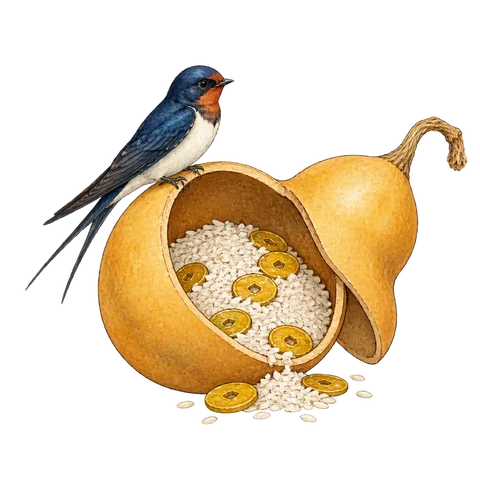
A poor younger brother tends an injured swallow and receives a gourd seed. His gourds bring riches; his greedy brother injures a bird to copy him and receives punishment instead. Heungbu eventually welcomes the ruined couple into his home.
Cultural note: The contrast concerns generosity and deliberate harm, not the idea that poverty proves virtue. The longer novel and pansori tradition have many versions.
An A2 retelling to read and listen to
Original Codex-authored A2 adaptation of the traditional plot. Dialogue, transitions, descriptions and closing reflections are newly written; modern published retelling prose is not reproduced. Violence is compressed without changing the core danger. The rabbit adaptation ends at escape; variants continue differently.
옛날에 한 두 살았어요. 형은 놀부이고 동생은 흥부였어요. 부모님이 돌아가신 뒤에 놀부는 집과 돈을 모두 가졌어요. 흥부는 아내와 아이들을 데리고 작은 집으로 갔어요. 겨울이 오자 집 안도 아주 추웠어요. 아이들은 배가 고파서 울었어요. 흥부는 저녁까지 일했지만 먹을 것이 부족했어요. 어느 날 형의 집에 가서 청했어요. 그러나 형과 형수는 밥을 주지 않았어요. 흥부는 돌아왔어요.
Yennare han maeure du hyeongjega sarasseoyo. Hyeongeun Nolbuigo dongsaengeun Heungbuyeosseoyo. Bumonimi doragasin dwie Nolbuneun jipgwa doneul modu gajyeosseoyo. Heungbuneun anaewa aideureul derigo jageun jibeuro gasseoyo. Gyeouri oja jip ando aju chuwosseoyo. Aideureun baega gopaseo ureosseoyo. Heungbuneun achimbuteo jeonyeokkkaji ilhaetjiman meogeul geosi bujokaesseoyo. Eoneu nal hyeongui jibe gaseo doumeul cheonghaesseoyo. Geureona hyeonggwa hyeongsuneun babeul juji anasseoyo. Heungbuneun binson-euro dorawasseoyo.
봄이 되자 제비들이 흥부의 집에 왔어요. 밑에 둥지를 만들고 새끼를 길렀어요. 흥부와 아이들은 새들을 바라보았어요. 그런데 어느 날 새끼 제비 한 마리가 땅에 떨어졌어요. 작은 다리가 부러져서 날 수 없었어요. 흥부는 새를 조심스럽게 들었어요. 그리고 다리에 실을 감아 주었어요. 아이들도 새에게 먹이를 주었어요. 시간이 지나자 제비는 다시 날게 되었어요. 가을에는 다른 제비들과 함께 따뜻한 곳으로 떠났어요.
Bomi doeja jebideuri Heungbuui jibe wasseoyo. Cheoma mite dungjireul mandeulgo saekkireul gilleosseoyo. Heungbuwa aideureun maeil saedeureul baraboasseoyo. Geureonde eoneu nal saekki jebi han mariga ttange tteoreojyeosseoyo. Jageun dariga bureojyeoseo nal su eopseosseoyo. Heungbuneun saereul josimseureopge deureosseoyo. Geurigo darie sireul gama jueosseoyo. Aideuldo saeege meogireul jueosseoyo. Sigani jinaja jebineun dasi nalge doeeosseoyo. Gaeuleneun dareun jebideulgwa hamkke ttatteuthan goseuro tteonasseoyo.
다음 봄에 제비가 돌아왔어요. 입에는 작은 박씨가 있었어요. 제비는 그 씨를 흥부 앞에 놓았어요. 흥부는 씨를 땅에 심고 물을 주었어요. 동안 줄기가 길게 자랐어요. 되니 위에 큰 박들이 달렸어요. 흥부와 아내는 박을 열어 보기로 했어요. 두 사람이 톱을 잡고 박 하나를 켰어요. 그러자 안에서 쌀과 돈이 나왔어요. 다른 박에서도 좋은 물건이 나왔어요. 가족은 이제 배고프지 않았어요.
Daeum bome jebiga dorawasseoyo. Ibeneun jageun bakssiga isseosseoyo. Jebineun geu ssireul Heungbu ape noasseoyo. Heungbuneun ssireul ttange simgo mureul jueosseoyo. Yeoreum dongan julgiga gilge jarasseoyo. Gaeuri doeni jibung wie keun bakdeuri dallyeosseoyo. Heungbuwa anaeneun bageul yeoreo bogiro haesseoyo. Du sarami tobeul japgo bak hanareul kyeosseoyo. Geureoja aneseo ssalgwa doni nawasseoyo. Dareun bageseodo joeun mulgeoni nawasseoyo. Gajogeun ije baegopeuji anasseoyo.
놀부는 이 소식을 듣고 동생에게 찾아왔어요. 박씨를 어떻게 받았는지 자세히 물었어요. 집으로 돌아간 놀부는 제비를 잡았어요. 그리고 다리를 다치게 한 뒤에 고쳐 주었어요. 놀부는 제비가 자신에게도 박씨를 가져올 거라고 생각했어요. 다음 봄에 정말 씨를 받았어요. 그는 박이 자라기만 기다렸어요. 하지만 박을 열자 무서운 사람들이 나왔어요. 그들은 놀부의 재산을 가져갔어요. 놀부는 돈도 집도 잃었어요. 욕심 때문에 모든 것을 잃은 거예요.
Nolbuneun i sosigeul deutgo dongsaengege chajawasseoyo. Bakssireul eotteoke badanneunji jasehi mureosseoyo. Jibeuro doragan Nolbuneun jebireul jabasseoyo. Geurigo ilbureo darireul dachige han dwie gochyeo jueosseoyo. Nolbuneun jebiga jasinegedo bakssireul gajyeool georago saenggakaesseoyo. Daeum bome jeongmal ssireul badasseoyo. Geuneun bagi jaragiman gidaryeosseoyo. Hajiman bageul yeolja museoun saramdeuri nawasseoyo. Geudeureun Nolbuui jaesaneul gajyeogasseoyo. Nolbuneun dondo jipdo ireosseoyo. Yoksim ttaemune modeun geoseul ireun geoyeyo.
갈 곳이 없어진 놀부는 아내와 흥부를 찾아갔어요. 이번에는 놀부가 청했어요. 흥부는 두 사람을 집 안으로 불렀어요. 따뜻한 밥을 주고 편히 쉴 자리를 마련했어요. 놀부는 자신의 잘못을 생각하며 고개를 숙였어요. 이제 동생의 마음을 알 수 있었어요. 다시 살게 되었어요. 흥부의 집에는 돌아왔어요. 봄마다 제비들도 밑으로 돌아왔어요. 아이들은 하늘을 보며 작은 친구들을 반갑게 맞았어요.
Gal gosi eopseojin Nolbuneun anaewa hamkke Heungbureul chajagasseoyo. Ibeoneneun Nolbuga doumeul cheonghaesseoyo. Heungbuneun du sarameul jip aneuro bulleosseoyo. Ttatteuthan babeul jugo pyeonhi swil jarireul maryeonhaesseoyo. Nolbuneun jasinui jalmoseul saenggakamyeo gogaereul sugyeosseoyo. Ije dongsaengui maeumeul al su isseosseoyo. Hyeongjeneun dasi hamkke salge doeeosseoyo. Heungbuui jibeneun useumi dorawasseoyo. Bommada jebideuldo cheoma miteuro dorawasseoyo. Aideureun haneureul bomyeo jageun chingudeureul bangapge majasseoyo.
Medium
The quoted line belongs to the linked telling. Read its English meaning, then compare the traditional plot with any graded adaptation below.
 Source note
The Sun and the Moon
하나 주면 안 잡아먹지
Tteok hana jumyeon an jabameokji
Give me a rice cake and I will not eat you.
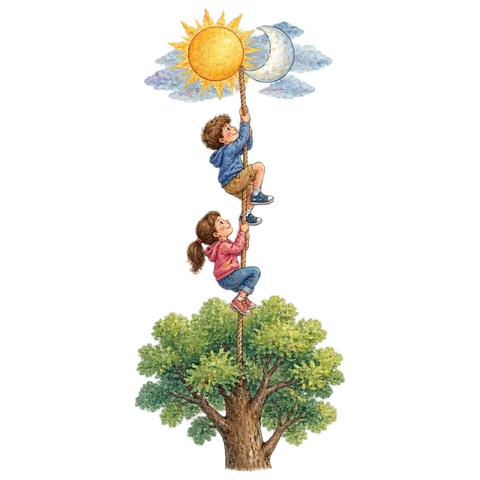
A tiger kills a mother and tries to fool her children. They recognize the danger, escape up a tree and climb a heavenly rope. In the version followed here, the sister becomes the sun and the brother the moon.
Cultural note: This is a frightening origin tale with a mother's death, not automatically a gentle bedtime story. Versions differ in the number of children and their final roles.
An A2 retelling to read and listen to
Original Codex-authored A2 adaptation of the traditional plot. Dialogue, transitions, descriptions and closing reflections are newly written; modern published retelling prose is not reproduced. Violence is compressed without changing the core danger. The rabbit adaptation ends at escape; variants continue differently.
옛날에 어머니와 두 아이가 산 살았어요. 오빠와 여동생은 어머니가 일하러 가면 집을 지켰어요. 어느 날 어머니는 잔치에서 일을 했어요. 일을 마친 뒤에 떡을 조금 받았어요. 아이들에게 줄 생각을 하며 어두운 걸었어요. 그런데 큰 길을 막았어요. 떡을 주면 잡아먹지 않겠다고 했어요. 어머니는 하나를 주었어요. 하지만 다음 고개에서도 나타났어요. 떡을 모두 주어도 어머니를 놓아주지 않았어요.
Yennare eomeoniwa du aiga san arae sarasseoyo. Oppawa yeodongsaengeun eomeoniga ilhareo gamyeon jibeul jikyeosseoyo. Eoneu nal eomeonineun maeul janchieseo ireul haesseoyo. Ireul machin dwie tteogeul jogeum badasseoyo. Aideurege jul saenggageul hamyeo eoduun sangireul georeosseoyo. Geureonde keun horangiga gireul magasseoyo. Tteogeul jumyeon jabameokji anketdago haesseoyo. Eomeonineun tteok hanareul jueosseoyo. Hajiman horangineun daeum gogaeeseodo natanasseoyo. Tteogeul modu jueodo eomeonireul noajuji anasseoyo.
결국 어머니를 잡아먹었어요. 그리고 어머니의 옷을 입고 아이들이 있는 집으로 갔어요. 아이들은 문 안에서 어머니를 기다리고 있었어요. 밖에서 누군가 문을 두드렸어요. 어머니가 왔으니 열어 달라는 들렸어요. 그러나 너무 굵었어요. 오빠는 이상하다고 생각했어요. 문틈으로 밖을 보니 털이 많은 손이 보였어요. 그것은 어머니의 손이 아니었어요. 오빠는 동생에게 조용히 하라고 했어요. 두 아이는 뒷문으로 나가 우물 옆의 높은 나무로 달렸어요.
Horangineun gyeolguk eomeonireul jabameogeosseoyo. Geurigo eomeoniui oseul ipgo aideuri inneun jibeuro gasseoyo. Aideureun mun aneseo eomeonireul gidarigo isseosseoyo. Bakkeseo nugunga muneul dudeuryeosseoyo. Eomeoniga wasseuni yeoreo dallaneun moksoriga deullyeosseoyo. Geureona moksoriga neomu gulgeosseoyo. Oppaneun isanghadago saenggakaesseoyo. Munteumeuro bakkeul boni teori maneun soni boyeosseoyo. Geugeoseun eomeoniui soni anieosseoyo. Oppaneun dongsaengege joyonghi harago haesseoyo. Du aineun dwinmuneuro naga umul yeopui nopeun namuro dallyeosseoyo.
아이들은 나무 위로 올라가 몸을 숨겼어요. 집 안에 아무도 없자 밖으로 나왔어요. 한참 찾다가 나무 위의 아이들을 보았어요. 나무를 오르려고 했어요. 아이들은 아래를 내려다보며 서로의 손을 잡았어요. 이제 다른 곳으로 달아날 수 없었어요. 여동생은 무서워서 울기 시작했어요. 오빠도 무서웠지만 동생을 혼자 두지 않았어요. 두 아이는 하늘을 올려다보았어요. 그리고 자신들을 구해 달라고 빌었어요. 튼튼한 줄 하나만 있으면 위로 올라갈 수 있을 것 같았어요.
Aideureun namu wiro ollaga momeul sumgyeosseoyo. Horangineun jip ane amudo eopja bakkeuro nawasseoyo. Hancham chatdaga namu wiui aideureul boasseoyo. Horangineun namureul oreuryeogo haesseoyo. Aideureun araereul naeryeodabomyeo seoroui soneul jabasseoyo. Ije dareun goseuro daranal su eopseosseoyo. Yeodongsaengeun museowoseo ulgi sijakaesseoyo. Oppado museowotjiman dongsaengeul honja duji anasseoyo. Du aineun hamkke haneureul ollyeodaboasseoyo. Geurigo jasindeureul guhae dallago bireosseoyo. Teunteunhan jul hanaman isseumyeon wiro ollagal su isseul geot gatasseoyo.
그때 하늘에서 새 동아줄이 내려왔어요. 아이들은 줄을 단단히 잡았어요. 한 손씩 위로 움직이며 높이 올라갔어요. 호랑이의 모습은 점점 작아졌어요. 같은 방법으로 하늘에 올라가려고 했어요. 그래서 큰 소리로 줄을 달라고 했어요. 이번에도 줄이 내려왔어요. 하지만 그것은 낡고 썩은 줄이었어요. 그것도 모르고 줄을 잡았어요. 조금 올라가자 줄이 끊어졌어요. 떨어졌고, 더 이상 아이들을 따라갈 수 없었어요. 두 아이는 하늘에 도착했어요.
Geuttae haneureseo sae dongajuri naeryeowasseoyo. Aideureun jureul dandanhi jabasseoyo. Han sonssik wiro umjigimyeo nopi ollagasseoyo. Horangiui moseubeun jeomjeom jagajyeosseoyo. Horangido gateun bangbeobeuro haneure ollagaryeogo haesseoyo. Geuraeseo keun soriro jureul dallago haesseoyo. Ibeonedo juri naeryeowasseoyo. Hajiman geugeoseun nalgo sseogeun jurieosseoyo. Horangineun geugeotdo moreugo jureul jabasseoyo. Jogeum ollagaja juri kkeuneojyeosseoyo. Horangineun araero tteoreojyeotgo, deo isang aideureul ttaragal su eopseosseoyo. Du aineun musahi haneure dochakaesseoyo.
하늘에 오른 뒤에 오빠는 해가 되고 여동생은 달이 되었어요. 하지만 동생은 어두운 밤이 무섭다고 했어요. 그래서 오빠는 동생과 자리를 바꾸어 주었어요. 그 뒤로 여동생은 밝은 해가 되어 낮의 길을 비추었어요. 오빠는 달이 되어 머물렀어요. 사람들은 해를 보고 밤에는 달을 보았어요. 그리고 두 아이의 이야기를 전했어요. 무서운 일을 이겨 낸 오누이는 이제 멀리서 세상을 밝히고 있었어요. 이것은 해와 달에 관한 이야기예요.
Haneure oreun dwie oppaneun haega doego yeodongsaengeun dari doeeosseoyo. Hajiman dongsaengeun eoduun bami museopdago haesseoyo. Geuraeseo oppaneun dongsaenggwa jarireul bakkueo jueosseoyo. Geu dwiro yeodongsaengeun balgeun haega doeeo najui gireul bichueosseoyo. Oppaneun dari doeeo bamhaneure meomulleosseoyo. Saramdeureun achime haereul bogo bameneun dareul boasseoyo. Geurigo du aiui iyagireul jeonhaesseoyo. Museoun ireul hamkke igyeo naen onuineun ije meolliseo sesangeul balkigo isseosseoyo. Igeoseun haewa dare gwanhan oraedoen iyagiyeyo.
Medium
The quoted line belongs to the linked telling. Read its English meaning, then compare the traditional plot with any graded adaptation below.
 Source note
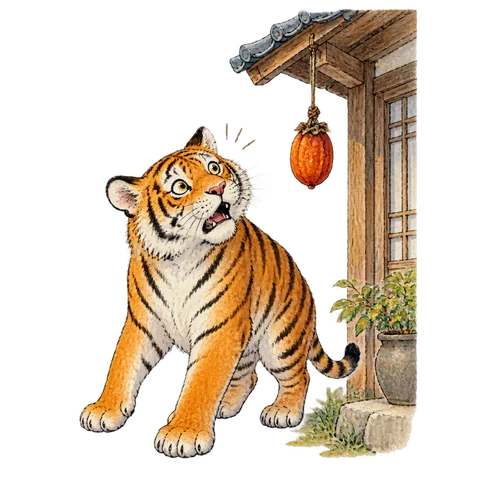
The Tiger and the Dried Persimmon
자, 곶감이 왔어요.
Ja, gotgami wasseoyo.
Here comes a dried persimmon.
A tiger hears a baby ignore threats about tigers but stop crying for a dried persimmon. It mistakes the fruit for a terrifying creature. A thief who mistakes the tiger for an ox makes both misunderstandings worse.
Cultural note: Fear grows from a wrong inference. A dried persimmon is simply fruit; the humor depends on what the audience knows and the tiger does not.
An A2 retelling to read and listen to
Original Codex-authored A2 adaptation of the traditional plot. Dialogue, transitions, descriptions and closing reflections are newly written; modern published retelling prose is not reproduced. Violence is compressed without changing the core danger. The rabbit adaptation ends at escape; variants continue differently.
옛날에 깊은 큰 살았어요. 자신이 세상에서 가장 무섭다고 생각했어요. 다른 동물들은 그 소리만 들어도 달아났어요. 어느 추운 밤에 배가 고팠어요. 먹을 것을 찾으려고 산 아래 내려갔어요. 집들은 조용했고 문도 모두 닫혀 있었어요. 그런데 한 집에서 아기가 우는 소리가 들렸어요. 그 집 앞에서 걸음을 멈추었어요. 안에 있는 사람들은 밖에 있다는 것을 몰랐어요.
Yennare gipeun sansoge keun horangiga sarasseoyo. Horangineun jasini sesangeseo gajang museopdago saenggakaesseoyo. Dareun dongmuldeureun geu soriman deureodo meolli daranasseoyo. Eoneu chuun bame horangineun baega gopasseoyo. Meogeul geoseul chajeuryeogo san arae maeullo naeryeogasseoyo. Jipdeureun joyonghaetgo mundo modu dachyeo isseosseoyo. Geureonde han jibeseo agiga uneun soriga deullyeosseoyo. Horangineun geu jip apeseo georeumeul meomchueosseoyo. Ane inneun saramdeureun bakke horangiga itdaneun geoseul mollasseoyo.
어머니는 아기를 안고 달래고 있었어요. 그러나 아기는 계속 울었어요. 어머니는 울면 온다고 말했어요. 그래도 그치지 않았어요. 밖에 있던 아주 놀랐어요. 자신이 온다는 말에도 무서워하지 않는 아기였어요. 잠시 뒤에 어머니가 곶감을 주겠다고 했어요. 그러자 아기는 바로 조용해졌어요. 아기는 곶감을 먹고 싶었던 거예요. 하지만 곶감이 무엇인지 몰랐어요. 아기도 무서워하는 아주 큰 동물이라고 생각했어요. 자신보다 훨씬 힘이 셀 것 같았어요.
Eomeonineun agireul ango dallaego isseosseoyo. Geureona agineun gyesok ureosseoyo. Eomeonineun ulmyeon horangiga ondago malhaesseoyo. Geuraedo ureumeun geuchiji anasseoyo. Bakke itdeon horangineun aju nollasseoyo. Jasini ondaneun maredo museowohaji anneun agiyeosseoyo. Jamsi dwie eomeoniga gotgameul jugetdago haesseoyo. Geureoja agineun baro joyonghaejyeosseoyo. Agineun dalkomhan gotgameul meokgo sipeotdeon geoyeyo. Hajiman horangineun gotgami mueosinji mollasseoyo. Agido museowohaneun aju keun dongmurirago saenggakaesseoyo. Jasinboda hwolssin himi sel geot gatasseoyo.
그날 밤에 소를 훔치려는 도둑도 그 집 근처에 왔어요. 어두워서 앞이 잘 보이지 않았어요. 도둑은 큰 동물의 등을 보고 소라고 생각했어요. 소를 데리고 빨리 떠나고 싶었어요. 그는 조심스럽게 다가가 호랑이의 등에 올라탔어요. 갑자기 등에 무거운 것이 닿자 깜짝 놀랐어요. 드디어 무서운 곶감이 자신을 잡았다고 생각했어요. 크게 소리를 내며 달리기 시작했어요. 도둑은 떨어지지 않으려고 두 손으로 털을 꽉 잡았어요. 두 쪽 모두 상대를 잘못 알고 있었어요.
Geunal bame soreul humchiryeoneun dodukdo geu jip geuncheoe wasseoyo. Eoduwoseo api jal boiji anasseoyo. Dodugeun keun dongmurui deungeul bogo sorago saenggakaesseoyo. Soreul derigo ppalli maeureul tteonago sipeosseoyo. Geuneun josimseureopge dagaga horangiui deunge ollatasseoyo. Gapjagi deunge mugeoun geosi datcha horangineun kkamjjak nollasseoyo. Deudieo museoun gotgami jasineul jabatdago saenggakaesseoyo. Horangineun keuge sorireul naemyeo dalligi sijakaesseoyo. Dodugeun tteoreojiji aneuryeogo du soneuro teoreul kkwak jabasseoyo. Du jjok modu sangdaereul jalmot algo isseosseoyo.
지나 달렸어요. 바람이 도둑의 얼굴을 세게 때렸어요. 도둑은 이제 자신이 타고 있는 동물이 소가 아니라는 것을 알았어요. 두려워서 바로 뛰어내릴 수도 없었어요. 앞에 나뭇가지 하나가 길 위로 뻗어 있었어요. 도둑은 그 가지를 잡고 몸을 들어 올렸어요. 그리고 나무에 매달렸어요. 등에 있던 것이 사라지자 안심했어요. 그래도 뒤를 돌아보지 않고 더 빨리 달렸어요. 도둑도 나무 위에서 움직이지 못했어요.
Horangineun maeureul jina sangillo dallyeosseoyo. Barami dodugui eolgureul sege ttaeryeosseoyo. Dodugeun ije jasini tago inneun dongmuri soga aniraneun geoseul arasseoyo. Duryeowoseo baro ttwieonaeril sudo eopseosseoyo. Ape namutgaji hanaga gil wiro ppeodeo isseosseoyo. Dodugeun geu gajireul japgo momeul deureo ollyeosseoyo. Geurigo namue maedallyeosseoyo. Deunge itdeon geosi sarajija horangineun ansimhaesseoyo. Geuraedo dwireul doraboji anko deo ppalli dallyeosseoyo. Dodukdo namu wieseo handongan umjigiji mothaesseoyo.
산속에 돌아온 숨을 크게 쉬었어요. 정말 위험한 밤이었다고 생각했어요. 그 뒤로는 곶감이 있는 다시 내려가지 않았어요. 다른 동물들에게도 곶감을 조심하라고 말했어요. 하지만 마을의 아기는 그 밤에도 편하게 잠들었어요. 어머니는 아기 옆에서 빈 그릇을 치웠어요. 곶감은 맛있는 간식일 뿐이었어요. 아무도 밖에서 벌어진 일을 몰랐어요. 작은 세상에서 가장 무서운 것으로 기억했어요. 모르는 것을 잘못 생각하면 이렇게 큰 소동이 생길 수도 있어요.
Sansoge doraon horangineun sumeul keuge swieosseoyo. Jeongmal wiheomhan bamieotdago saenggakaesseoyo. Geu dwironeun gotgami inneun maeure dasi naeryeogaji anasseoyo. Dareun dongmuldeuregedo gotgameul josimharago malhaesseoyo. Hajiman maeurui agineun geu bamedo pyeonhage jamdeureosseoyo. Eomeonineun agi yeopeseo bin geureuseul chiwosseoyo. Gotgameun yeojeonhi masinneun gansigil ppunieosseoyo. Amudo bakkeseo beoreojin ireul mollasseoyo. Horangiman jageun gwaireul sesangeseo gajang museoun geoseuro gieokaesseoyo. Moreuneun geoseul jalmot saenggakamyeon ireoke keun sodongi saenggil sudo isseoyo.
Medium
The quoted line belongs to the linked telling. Read its English meaning, then compare the traditional plot with any graded adaptation below.
 Source note
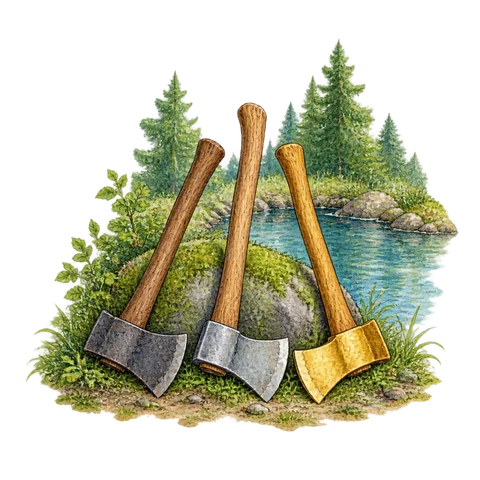
The Gold Axe and the Silver Axe
이 도끼가 네 도끼냐?
I dokkiga ne dokkinya?
Is this axe your axe?
A woodcutter loses his iron axe in water. A mountain spirit offers a gold axe and a silver axe, but the man truthfully rejects them. His honesty earns all three; a greedy imitator loses even his own tool.
Cultural note: An international honesty fable, familiar in Korean storytelling and also related to Aesop's woodcutter story. The Korean telling uses a mountain spirit.
An A2 retelling to read and listen to
Original Codex-authored A2 adaptation of the traditional plot. Dialogue, transitions, descriptions and closing reflections are newly written; modern published retelling prose is not reproduced. Violence is compressed without changing the core danger. The rabbit adaptation ends at escape; variants continue differently.
옛날에 가난한 나무꾼이 살았어요. 그는 날마다 산에 가서 나무를 했어요. 나무를 팔아 받은 돈으로 쌀을 샀어요. 가지고 있는 도끼는 쇠도끼 하나뿐이었어요. 물건은 아니었지만 그에게는 아주 중요했어요. 어느 날 그는 깊은 연못 가까이에서 일을 했어요. 일을 마치고 나무를 묶으려고 했어요. 그런데 손에서 도끼가 미끄러졌어요. 도끼는 물속으로 떨어졌어요. 나무꾼은 급히 물가로 달려갔어요. 물은 너무 깊어서 바닥이 보이지 않았어요. 도끼가 없으면 일을 할 수 없었어요. 그는 물가에 앉아서 울기 시작했어요.
Yennare gananhan namukkuni sarasseoyo. Geuneun nalmada sane gaseo namureul haesseoyo. Namureul para badeun doneuro ssareul sasseoyo. Gajigo inneun dokkineun oraedoen soedokki hanappunieosseoyo. Bissan mulgeoneun anieotjiman geuegeneun aju jungyohaesseoyo. Eoneu nal geuneun gipeun yeonmot gakkaieseo ireul haesseoyo. Ireul machigo namureul mukkeuryeogo haesseoyo. Geureonde soneseo dokkiga mikkeureojyeosseoyo. Dokkineun mulsogeuro tteoreojyeosseoyo. Namukkuneun geuphi mulgaro dallyeogasseoyo. Mureun neomu gipeoseo badagi boiji anasseoyo. Dokkiga eopseumyeon ireul hal su eopseosseoyo. Geuneun mulgae anjaseo ulgi sijakaesseoyo.
그때 수염을 가진 산신령이 나타났어요. 왜 우는지 물었어요. 나무꾼은 도끼를 잃어버렸다고 말했어요. 산신령은 물속으로 들어갔다가 금도끼를 들고 나왔어요. 그리고 이것이 나무꾼의 도끼인지 물었어요. 금도끼는 받아 반짝였어요. 하지만 나무꾼은 고개를 저었어요. 자신의 것은 그런 도끼가 아니라고 했어요. 산신령은 다시 물속에 들어갔어요. 이번에는 은도끼를 가져왔어요. 나무꾼은 그것도 자신의 것이 아니라고 말했어요. 마지막에 산신령은 낡은 쇠도끼를 내밀었어요. 나무꾼은 밝게 웃으며 바로 그 도끼라고 했어요. 다시 일을 할 수 있었어요.
Geuttae huin suyeomeul gajin sansillyeongi natanasseoyo. Wae uneunji mureosseoyo. Namukkuneun dokkireul ireobeoryeotdago malhaesseoyo. Sansillyeongeun mulsogeuro deureogatdaga geumdokkireul deulgo nawasseoyo. Geurigo igeosi namukkunui dokkiinji mureosseoyo. Geumdokkineun haetbicheul bada banjjagyeosseoyo. Hajiman namukkuneun gogaereul jeoeosseoyo. Jasinui geoseun geureon dokkiga anirago haesseoyo. Sansillyeongeun dasi mulsoge deureogasseoyo. Ibeoneneun eundokkireul gajyeowasseoyo. Namukkuneun geugeotdo jasinui geosi anirago malhaesseoyo. Majimage sansillyeongeun nalgeun soedokkireul naemireosseoyo. Namukkuneun balge useumyeo baro geu dokkirago haesseoyo. Deudieo dasi ireul hal su isseosseoyo.
산신령은 정직한 나무꾼이 마음에 들었어요. 그래서 세 도끼를 모두 선물로 주었어요. 나무꾼은 여러 번 고맙다고 인사했어요. 집으로 돌아온 뒤에 마을 사람들에게 이 일을 이야기했어요. 그중 한 사람은 금도끼 이야기를 듣자 욕심이 났어요. 그 사람도 부자가 되고 싶었어요. 다음 날 그는 도끼를 들고 같은 연못으로 갔어요. 나무를 하는 척하다가 도끼를 물에 던졌어요. 그리고 큰 소리로 울었어요. 잠시 뒤 산신령이 금도끼를 가지고 나타났어요. 그 사람은 끝까지 묻는 말을 기다리지도 않았어요. 바로 자신의 도끼라고 말했어요.
Sansillyeongeun jeongjikhan namukkuni maeume deureosseoyo. Geuraeseo se dokkireul modu seonmullo jueosseoyo. Namukkuneun yeoreo beon gomapdago insahaesseoyo. Jibeuro doraon dwie maeul saramdeurege i ireul iyagihaesseoyo. Geujung han sarameun geumdokki iyagireul deutja yoksimi nasseoyo. Geu saramdo bujaga doego sipeosseoyo. Daeum nal geuneun dokkireul deulgo gateun yeonmoseuro gasseoyo. Namureul haneun cheokhadaga ilbureo dokkireul mure deonjyeosseoyo. Geurigo keun soriro ureosseoyo. Jamsi dwi sansillyeongi geumdokkireul gajigo natanasseoyo. Geu sarameun kkeutkkaji munneun mareul gidarijido anasseoyo. Baro jasinui dokkirago malhaesseoyo.
산신령은 그 사람의 거짓말을 알고 있었어요. 물에 무엇을 던졌는지도 알고 있었어요. 그는 화를 내며 금도끼를 다시 가져갔어요. 은도끼도 쇠도끼도 주지 않았어요. 욕심 많은 사람은 물가에서 오래 기다렸어요. 그러나 산신령은 다시 나타나지 않았어요. 그는 결국 마을에 돌아왔어요. 금을 얻으려다가 자신의 도끼마저 잃은 거예요. 정직한 나무꾼은 날마다 일했어요. 그는 자신이 받았던 잊지 않았어요. 다른 사람의 물건을 자신의 것이라고 말하지도 않았어요. 마을 사람들은 두 사람에게 생긴 일을 오래 기억했어요. 같은 연못에서도 아주 달랐어요.
Sansillyeongeun geu saramui geojinmareul algo isseosseoyo. Mure mueoseul deonjyeonneunjido algo isseosseoyo. Geuneun hwareul naemyeo geumdokkireul dasi gajyeogasseoyo. Eundokkido soedokkido juji anasseoyo. Yoksim maneun sarameun mulgaeseo orae gidaryeosseoyo. Geureona sansillyeongeun dasi natanaji anasseoyo. Geuneun gyeolguk binson-euro maeure dorawasseoyo. Geumeul eodeuryeodaga jasinui dokkimajeo ireun geoyeyo. Jeongjikhan namukkuneun yeojeonhi nalmada ilhaesseoyo. Geuneun jasini badatdeon seonmureul itji anasseoyo. Dareun saramui mulgeoneul jasinui geosirago malhajido anasseoyo. Maeul saramdeureun du saramege saenggin ireul orae gieokaesseoyo. Gateun yeonmoseseodo gyeolgwaneun aju dallasseoyo.
Medium
The quoted line belongs to the linked telling. Read its English meaning, then compare the traditional plot with any graded adaptation below.
 Source note
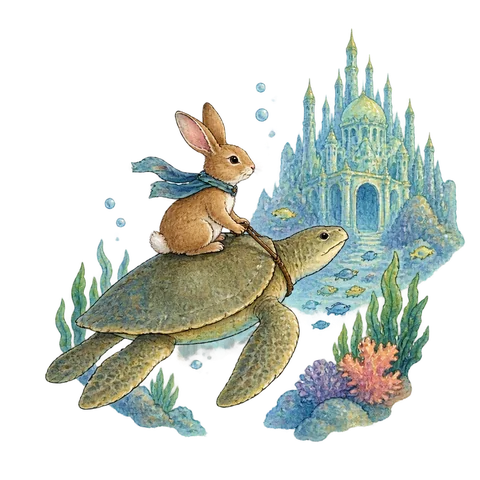
The Rabbit and the Turtle
용왕님, 제 몸에는 간이 없습니다.
Yongwangnim, je momeneun jigeum gani eopseumnida.
Dragon King, there is no liver in my body right now.
A turtle brings a rabbit to an underwater king who wants its liver as medicine. The rabbit claims to have left its liver on land and gains a return trip. Once ashore, it escapes; longer versions add different endings.
Cultural note: The detachable liver is the rabbit's lifesaving lie, not anatomy. The tale also satirizes rulers who sacrifice others for their own comfort.
An A2 retelling to read and listen to
Original Codex-authored A2 adaptation of the traditional plot. Dialogue, transitions, descriptions and closing reflections are newly written; modern published retelling prose is not reproduced. Violence is compressed without changing the core danger. The rabbit adaptation ends at escape; variants continue differently.
옛날에 깊은 곳에 용왕의 궁전이 있었어요. 어느 날 용왕이 큰 병에 걸렸어요. 좋은 먹고 약을 먹어도 낫지 않았어요. 궁전에 온 사람이 토끼의 간을 먹으면 나을 수 있다고 말했어요. 그러나 바다에는 토끼가 없었어요. 토끼는 육지에서 살았어요. 용왕의 신하들은 서로 얼굴만 바라보았어요. 그때 자라가 앞으로 나왔어요. 자라는 물에서도 살고 땅에서도 걸을 수 있었어요. 자신이 토끼를 데려오겠다고 했어요. 용왕은 자라에게 토끼의 그림을 주었어요. 자라는 그림을 보고 긴 귀와 작은 꼬리를 기억했어요.
Yennare bada gipeun gose yongwangui gungjeoni isseosseoyo. Eoneu nal yongwangi keun byeonge geollyeosseoyo. Joeun eumsigeul meokgo yageul meogeodo natji anasseoyo. Gungjeone on sarami tokkiui ganeul meogeumyeon naeul su itdago malhaesseoyo. Geureona badaeneun tokkiga eopseosseoyo. Tokkineun yukjieseo sarasseoyo. Yongwangui sinhadeureun seoro eolgulman baraboasseoyo. Geuttae jaraga apeuro nawasseoyo. Jaraneun mureseodo salgo ttangeseodo georeul su isseosseoyo. Jasini tokkireul deryeoogetdago haesseoyo. Yongwangeun jaraege tokkiui geurimeul jueosseoyo. Jaraneun geurimeul bogo gin gwiwa jageun kkorireul gieokaesseoyo.
육지에 도착한 자라는 토끼를 만났어요. 토끼는 햇빛 아래에서 풀을 먹고 있었어요. 자라는 궁전에는 맛있는 아름다운 물건이 많다고 말했어요. 용왕도 토끼를 만나고 싶어 한다고 했어요. 토끼는 아래가 어떤 곳인지 궁금했어요. 하지만 헤엄을 칠 줄 몰랐어요. 자라는 자신의 등을 타면 된다고 했어요. 돌아오고 싶을 때는 다시 데려다주겠다고 약속했어요. 토끼는 그 말을 믿고 자라의 등에 올라탔어요. 둘은 물속으로 들어갔어요. 토끼는 처음 보는 물고기들을 바라보며 궁전으로 갔어요. 자라는 간 이야기를 한마디도 하지 않았어요.
Yukjie dochakhan jaraneun pulbateseo tokkireul mannasseoyo. Tokkineun haetbit araeeseo pureul meokgo isseosseoyo. Jaraneun gungjeoneneun masinneun eumsikgwa areumdaun mulgeoni mantago malhaesseoyo. Yongwangdo tokkireul mannago sipeo handago haesseoyo. Tokkineun bada araega eotteon gosinji gunggeumhaesseoyo. Hajiman heeomeul chil jul mollasseoyo. Jaraneun jasinui deungeul tamyeon doendago haesseoyo. Doraogo sipeul ttaeneun dasi deryeodajugetdago yaksokaesseoyo. Tokkineun geu mareul mitgo jaraui deunge ollatasseoyo. Dureun mulsogeuro deureogasseoyo. Tokkineun cheoeum boneun mulgogideureul barabomyeo gungjeoneuro gasseoyo. Jaraneun gan iyagireul hanmadido haji anasseoyo.
궁전에 도착하자 군사들이 토끼를 붙잡았어요. 용왕은 병을 고치려면 토끼의 간이 필요하다고 말했어요. 토끼는 그제야 속았다는 것을 알았어요. 힘으로는 도망칠 수 없었어요. 그래서 잠깐 생각한 뒤에 침착하게 말했어요. 오늘은 간을 집에 두고 왔다고 했어요. 밖에 나갈 때마다 안전한 곳에 숨겨 둔다는 거예요. 용왕은 놀라서 어떻게 하면 좋을지 물었어요. 토끼는 다시 육지에 가면 가져올 수 있다고 했어요. 용왕은 그 이상한 말을 믿었어요. 그리고 자라에게 토끼를 데리고 다시 육지로 가라고 했어요. 토끼는 속으로 기뻐했어요.
Gungjeone dochakaja gunsadeuri tokkireul butjabasseoyo. Yongwangeun byeongeul gochiryeomyeon tokkiui gani piryohadago malhaesseoyo. Tokkineun geujeya sogatdaneun geoseul arasseoyo. Himeuroneun domangchil su eopseosseoyo. Geuraeseo jamkkan saenggakhan dwie chimchakhage malhaesseoyo. Oneureun ganeul jibe dugo watdago haesseoyo. Bakke nagal ttaemada anjeonhan gose sumgyeo dundaneun geoyeyo. Yongwangeun nollaseo eotteoke hamyeon joeulji mureosseoyo. Tokkineun dasi yukjie gamyeon gajyeool su itdago haesseoyo. Yongwangeun geu isanghan mareul mideosseoyo. Geurigo jaraege tokkireul derigo dasi yukjiro garago haesseoyo. Tokkineun sogeuro gippeohaesseoyo.
토끼는 다시 자라의 등을 타고 건넜어요. 이번에는 물고기보다 먼 육지만 바라보았어요. 드디어 발이 땅에 닿자 토끼는 재빨리 뛰어내렸어요. 그리고 자라가 따라올 수 없는 곳까지 달렸어요. 자라는 간을 가져와야 한다고 외쳤어요. 토끼는 몸 밖에 간을 두고 다니는 동물이 어디 있느냐고 물었어요. 그제야 자라는 자신이 속았다는 것을 알았어요. 토끼는 숲속으로 사라졌어요. 큰 궁전도 많은 군사도 토끼를 잡지 못했어요. 자라는 빈 바라보았어요. 토끼는 작은 몸을 가졌지만 어려운 순간에 생각할 줄 알았어요. 그 구했어요.
Tokkineun dasi jaraui deungeul tago badareul geonneosseoyo. Ibeoneneun mulgogiboda meon yukjiman baraboasseoyo. Deudieo bari ttange datcha tokkineun jaeppalli ttwieonaeryeosseoyo. Geurigo jaraga ttaraol su eomneun gotkkaji dallyeosseoyo. Jaraneun ganeul gajyeowaya handago oechyeosseoyo. Tokkineun mom bakke ganeul dugo danineun dongmuri eodi inneunyago mureosseoyo. Geujeya jaraneun jasini sogatdaneun geoseul arasseoyo. Tokkineun supsogeuro sarajyeosseoyo. Keun gungjeondo maneun gunsado tokkireul japji mothaesseoyo. Jaraneun bin badareul baraboasseoyo. Tokkineun jageun momeul gajyeotjiman eoryeoun sungane saenggakhal jul arasseoyo. Geu jihyega moksumeul guhaesseoyo.
Medium
The quoted line belongs to the linked telling. Read its English meaning, then compare the traditional plot with any graded adaptation below.
 Source note
Explore these words: Animals (flashcards) · Nature & landscape (flashcards) · Time & dates (flashcards)
Put these words into context with a story at your level.
Read Korean storiesKorean Fairy Tales About Magic and Transformation
Shoes identify a missing guest, clothes allow a heavenly journey, and ordinary objects gain impossible powers. The notes distinguish the selected version and invite a critical reading of older social assumptions.
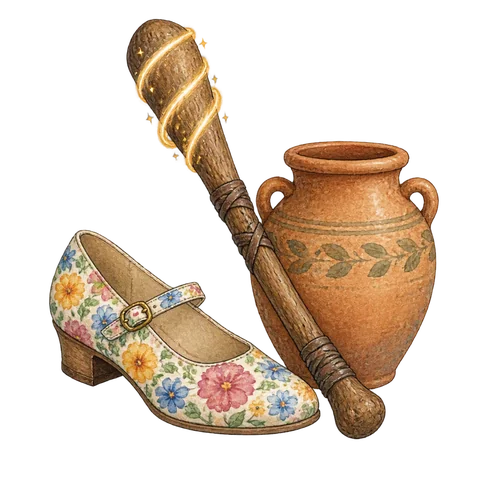
Kongjwi and Patjwi
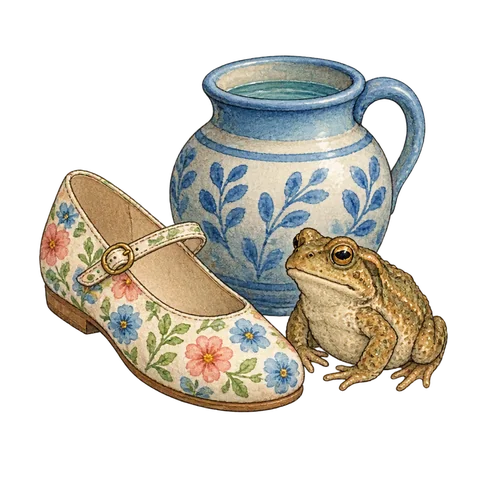
맞습니다. 꽃신은 이 낭자의 것이 맞습니다.
Kkok matseumnida. Kkotsineun i nangjaui geosi matseumnida.
It fits exactly. The flower shoes belong to this young woman.
A mistreated girl receives help from a toad, sparrows and a heavenly woman. She attends a village celebration in beautiful clothes, loses a shoe and is found by the official who marries her.
Cultural note: The cited children's version ends at marriage. Longer versions continue into murder and revenge, so the tale should not be reduced to one universal Cinderella ending.
Medium
The quoted line belongs to the linked telling. Read its English meaning, then compare the traditional plot with any graded adaptation below.
 Source note
The Heavenly Woman and the Woodcutter
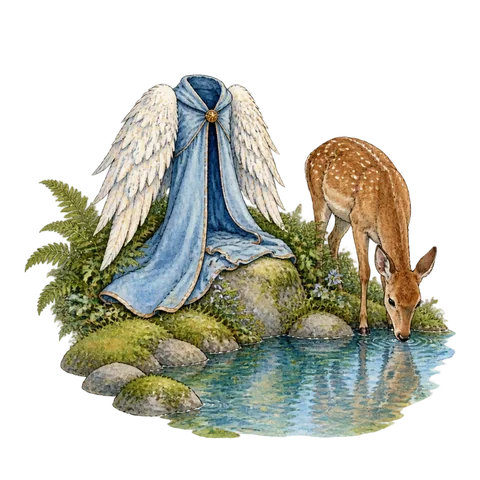
넷이 생길 때까지는 절대로 선녀 내줘서는 안됩니다.
Aiga nesi saenggil ttaekkajineun jeoldaero seonnyeooseul naejwoseoneun andoemnida.
You must never return the heavenly woman's clothes until you have four children.
A woodcutter saves a deer, then follows its advice to hide a bathing heavenly woman's clothes. Unable to return to heaven, she becomes his wife. When he eventually shows her the clothes, she can leave.
Cultural note: The stolen clothing removes the woman's freedom. Read that coercion critically; a traditional marriage plot is not a model for consent. The cited version specifies four children, while other versions give different numbers.
Medium
The quoted line belongs to the linked telling. Read its English meaning, then compare the traditional plot with any graded adaptation below.
 Source note
The Old Man with a Lump
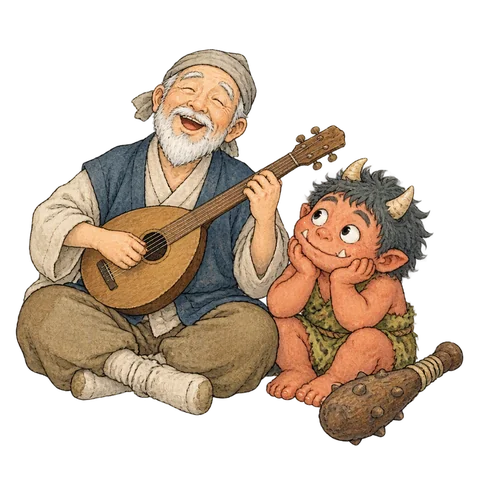
맞습니다. 이 혹이 제 비결입니다.
Matseumnida. I hogi je noraeui bigyeorimnida.
That is right. This lump is the secret of my singing.
Dokkaebi hear an old man sing and believe his neck lump holds his voice. They remove it and reward him. A greedy neighbor repeats the trick, but the disappointed beings attach the first man's lump to him.
Cultural note: The target is greedy imitation and a failed trick. A physical difference does not determine anyone's character; both men begin with the same condition.
Medium
The quoted line belongs to the linked telling. Read its English meaning, then compare the traditional plot with any graded adaptation below.
 Source note
The Dokkaebi's Magic Club
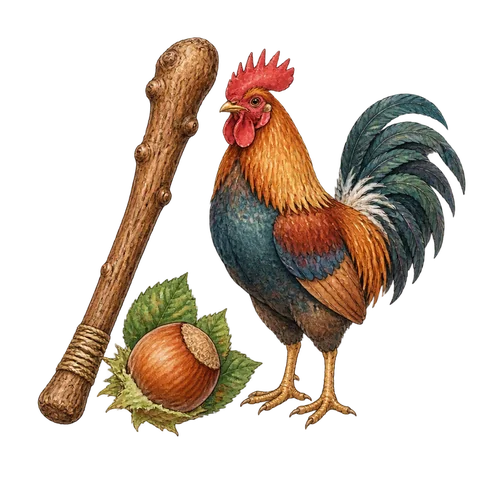
새벽닭이 울면 사라진다고 했지?
Dokkaebineun saebyeokdalgi ulmyeon sarajindago haetji?
Didn't they say that dokkaebi disappear when the rooster crows at dawn?
A hardworking younger brother shelters in a house used by dokkaebi. In this version he imitates a rooster to drive them away, takes a magic club and feeds his mother. His greedy brother tries the same trick and is beaten.
Cultural note: Other versions make a cracking hazelnut frighten the dokkaebi. The quoted KBS version specifically uses a rooster imitation; the differences belong to the storytelling tradition.
Medium
The quoted line belongs to the linked telling. Read its English meaning, then compare the traditional plot with any graded adaptation below.
 Source note
The Magic Jar
마침 독이 필요했는데 잘 됐다.
Machim muldogi piryohaenneunde jal dwaetda.
I happened to need a water jar; this is fortunate.
A farmer discovers a jar that multiplies whatever enters it. A former landowner claims it, and a greedy magistrate takes it for himself. When the magistrate's father falls inside, copies of him keep emerging.
Cultural note: An abundance fantasy becomes a satire of greed and corrupt judgment. The absurd ending makes ownership by force look foolish.
Medium
The quoted line belongs to the linked telling. Read its English meaning, then compare the traditional plot with any graded adaptation below.
 Source note
Explore these words: Age & life stages (flashcards) · Clothes (flashcards) · Music & dance (flashcards)
Put these words into context with a story at your level.
Read Korean storiesKorean Tales About Kindness, Greed and Cooperation
These stories use animals and household objects to explore family, work, shared effort and hidden truth. Some contain punishment or death; read the summary before choosing one for a child.
My Brother the Tiger
, 형님. 그렇게 찾아다녔는데 여기서 뵙네요.
Aigo, hyeongnim. Geureoke chajadaninyeonneunde yeogiseo boemneyo.
Oh, elder brother! I searched everywhere, and here I meet you.
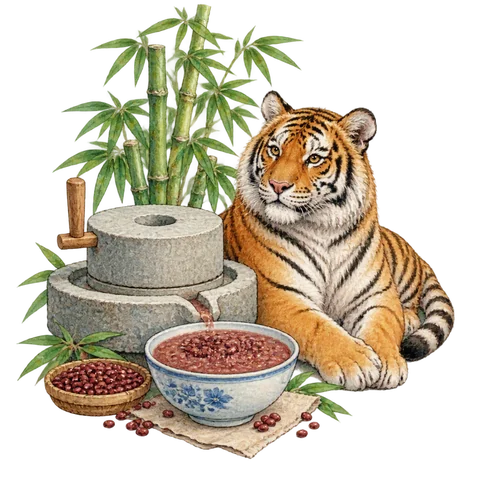
A young man escapes a tiger by claiming they are brothers. The tiger believes him and provides food for their mother. When she dies, the tiger grieves; the man later treats its cubs as family.
Cultural note: A clever lie develops into genuine affection and filial duty. The ending includes death and mourning rather than a simple victory over a monster.
Medium
The quoted line belongs to the linked telling. Read its English meaning, then compare the traditional plot with any graded adaptation below.
 Source note
The Lazy Boy Who Became an Ox
저는 소가 아니에요.
Jeoneun soga anieyo.
I am not an ox.
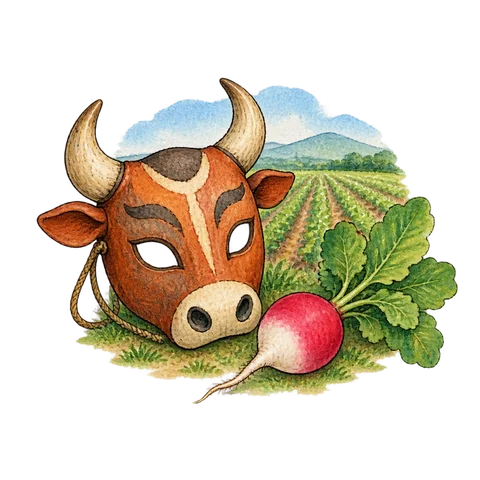
A boy who envies an ox's apparently easy life puts on a magic mask and becomes an ox. Hard farm work changes his perspective. Eating a radish restores his human form, and he returns home willing to help.
Cultural note: The transformation corrects his mistaken view of other people's labor. It also reveals how much work farm animals perform.
Medium
The quoted line belongs to the linked telling. Read its English meaning, then compare the traditional plot with any graded adaptation below.
 Source note
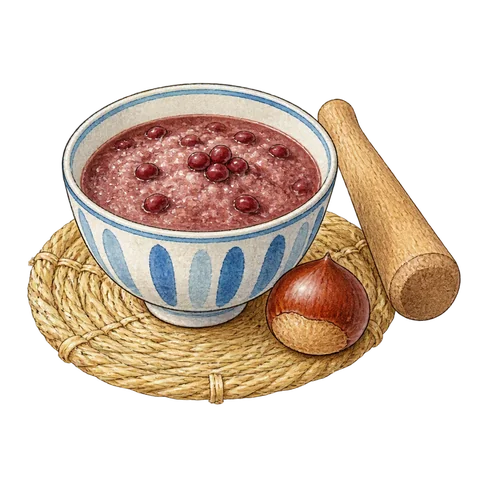
The Red-Bean-Porridge Grandmother and the Tiger
고맙다, 정말 . 너희들이 날 살렸어.
Gomapda, jeongmal gomawo. Neohuideuri nal sallyeosseo.
Thank you, thank you so much. You saved me.
A grandmother delays a hungry tiger until the winter solstice. A chestnut and household objects eat her red-bean porridge, then work together to defeat the tiger and save her.
Cultural note: Small helpers succeed through cooperation. Red-bean porridge connects the story with the winter solstice, while older versions can be violent.
Medium
The quoted line belongs to the linked telling. Read its English meaning, then compare the traditional plot with any graded adaptation below.
 Source note
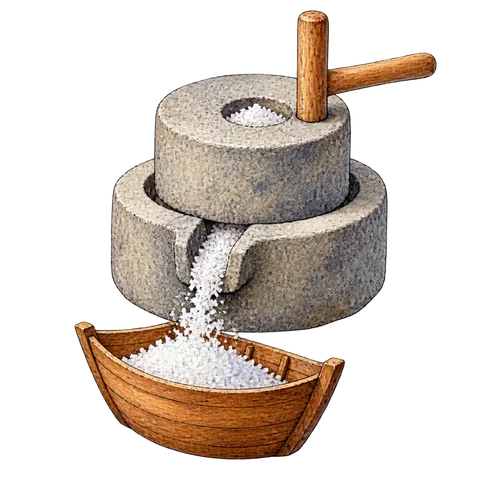
The Mill That Makes Salt
나와라! 나와라!! 나와라!!!
Ssal nawara! Nawara!! Nawara!!!
Rice, come out! Come out! Come out!
A shoe seller steals a king's magic mill after learning how to start it. On a boat he asks for salt but cannot stop the flow. The boat sinks, and the mill continues grinding beneath the sea.
Cultural note: A fanciful explanation for salty seawater doubles as a warning about greed and incomplete knowledge. This is folklore, not a scientific explanation of ocean salt.
Medium
The quoted line belongs to the linked telling. Read its English meaning, then compare the traditional plot with any graded adaptation below.
 Source note
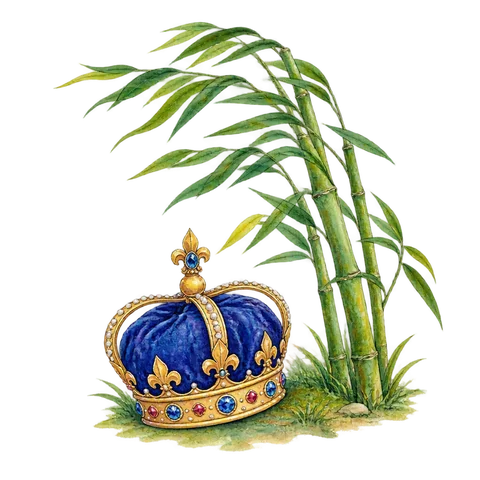
The King Has Donkey Ears
임금님 귀는 당나귀
Imgeumnim gwineun dangnagwi gwi
The king's ears are donkey ears.
A royal hat maker must keep the king's unusual ears secret. Unable to bear the burden, he shouts the truth in a bamboo grove. When wind blows, the plants repeat his words despite the king's efforts to silence them.
Cultural note: This Korean royal-secret tradition has international parallels. The comedy concerns hidden truth and authority; the ears themselves are not evidence of bad character.
Medium
The quoted line belongs to the linked telling. Read its English meaning, then compare the traditional plot with any graded adaptation below.
 Source note
Explore these words: Exclamations · Greetings & polite phrases · Food & cooking (flashcards)
Put these words into context with a story at your level.
Read Korean storiesKorean fairy tales: frequently asked questions
What are some famous Korean fairy tales?
Heungbu and Nolbu, The Sun and the Moon, Kongjwi and Patjwi, and The Heavenly Woman and the Woodcutter are familiar starting points. This page offers fifteen attested stories, with a named source for each quoted line rather than a claimed definitive popularity ranking.
Which Korean folk tales are easy for beginners?
The five A2 adaptations here use short modern sentences. The Gold Axe and the Silver Axe repeats a simple question, while The Tiger and the Dried Persimmon turns on one understandable mistake. The original key lines may use older or more formal speech.
Are these stories suitable for children?
That depends on the version and the child. The Sun and the Moon includes a mother’s death; some stories include beatings, coercion or frightening creatures. Read the summaries first. The learner adaptations compress violence, but they do not label every tale a gentle bedtime story.
Is Kongjwi and Patjwi Korean Cinderella?
It shares a mistreated heroine, supernatural help and a lost-shoe recognition scene with Cinderella-type tales. Calling it Korean Cinderella is a useful comparison, but it does not capture every Korean version or the darker episodes that can follow the marriage.
What is a dokkaebi?
A dokkaebi is a supernatural figure in Korean folklore, often mischievous and associated with remarkable strength or magic objects. English goblin is an approximate label. A dokkaebi is not simply identical to a European goblin or a Japanese oni.
Why does the tiger fear a dried persimmon?
It hears a baby stop crying when offered the fruit, although threats about a tiger did not work. The tiger incorrectly concludes that a persimmon must be more frightening than itself. The audience knows it is a snack, which creates the joke.
Are the longer Korean stories copied from old books?
No. They are newly written learner adaptations of traditional plots, clearly separated from the brief sourced quotations. Each paragraph has an original English translation and Revised Romanization. Korean word counts use whitespace-delimited eojeol, not a count of Hangul characters.
Why do different Korean folk-tale versions disagree?
Oral tellers, novelists, performers and children’s writers adapt the same plots. The number of children in a tale, the magical object or the final punishment may change. Source notes identify the version of the quoted line and explain important choices in the graded adaptation.
Make these words part of your day
Explore Korean stories, listen along, and save vocabulary as you go.
Find a story at your levelSources and verification
English translations and examples were written for this guide. Source notes distinguish documented expressions, original practice sentences, and literary quotations. Literary excerpts retain the language of their original period.
- KBS WORLD Korean: Heungbu and Nolbu — Brief key line from the named KBS WORLD Korean retelling; it is not claimed to be the sole original wording of an oral tale. English translation, summary and commentary are newly written. No published illustration or audio is copied.
- KBS WORLD Korean: The Sun and the Moon — Brief key line from the named KBS WORLD Korean retelling; it is not claimed to be the sole original wording of an oral tale. English translation, summary and commentary are newly written. No published illustration or audio is copied.
- KBS WORLD Korean: The Tiger and the Dried Persimmon — Brief key line from the named KBS WORLD Korean retelling; it is not claimed to be the sole original wording of an oral tale. English translation, summary and commentary are newly written. No published illustration or audio is copied.
- KBS WORLD Korean: The Gold Axe and the Silver Axe — Brief key line from the named KBS WORLD Korean retelling; it is not claimed to be the sole original wording of an oral tale. English translation, summary and commentary are newly written. No published illustration or audio is copied.
- KBS WORLD Korean: The Rabbit and the Turtle — Brief key line from the named KBS WORLD Korean retelling; it is not claimed to be the sole original wording of an oral tale. English translation, summary and commentary are newly written. No published illustration or audio is copied.
- KBS WORLD Korean: Kongjwi and Patjwi — Brief key line from the named KBS WORLD Korean retelling; it is not claimed to be the sole original wording of an oral tale. English translation, summary and commentary are newly written. No published illustration or audio is copied.
- KBS WORLD Korean: The Heavenly Woman and the Woodcutter — Brief key line from the named KBS WORLD Korean retelling; it is not claimed to be the sole original wording of an oral tale. English translation, summary and commentary are newly written. No published illustration or audio is copied.
- KBS WORLD Korean: The Old Man with a Lump — Brief key line from the named KBS WORLD Korean retelling; it is not claimed to be the sole original wording of an oral tale. English translation, summary and commentary are newly written. No published illustration or audio is copied.
- KBS WORLD Korean: The Dokkaebi's Magic Club — Brief key line from the named KBS WORLD Korean retelling; it is not claimed to be the sole original wording of an oral tale. English translation, summary and commentary are newly written. No published illustration or audio is copied.
- KBS WORLD Korean: The Magic Jar — Brief key line from the named KBS WORLD Korean retelling; it is not claimed to be the sole original wording of an oral tale. English translation, summary and commentary are newly written. No published illustration or audio is copied.
- KBS WORLD Korean: My Brother the Tiger — Brief key line from the named KBS WORLD Korean retelling; it is not claimed to be the sole original wording of an oral tale. English translation, summary and commentary are newly written. No published illustration or audio is copied.
- KBS WORLD Korean: The Lazy Boy Who Became an Ox — Brief key line from the named KBS WORLD Korean retelling; it is not claimed to be the sole original wording of an oral tale. English translation, summary and commentary are newly written. No published illustration or audio is copied.
- KBS WORLD Korean: The Red-Bean-Porridge Grandmother and the Tiger — Brief key line from the named KBS WORLD Korean retelling; it is not claimed to be the sole original wording of an oral tale. English translation, summary and commentary are newly written. No published illustration or audio is copied.
- KBS WORLD Korean: The Mill That Makes Salt — Brief key line from the named KBS WORLD Korean retelling; it is not claimed to be the sole original wording of an oral tale. English translation, summary and commentary are newly written. No published illustration or audio is copied.
- KBS WORLD Korean: The King Has Donkey Ears — Brief key line from the named KBS WORLD Korean retelling; it is not claimed to be the sole original wording of an oral tale. English translation, summary and commentary are newly written. No published illustration or audio is copied.
- Academy of Korean Studies: Heungbujeon — Documents the traditional plot, its many versions and the classical novel/pansori context.
- Academy of Korean Studies: The Sun and Moon — Documents the new and rotten ropes, sibling role exchange and variation in number of children. The learner adaptation retains the two-child version and compresses violence.
- Academy of Korean Studies: Tokkijeon — The learner adaptation ends at the rabbit’s escape, following the general traditional plot described here; it omits the later dung-cure ending of the quoted KBS version.
- AKS oral archive: A Persimmon More Frightening Than a Tiger — Recorded from Kim Sunja on 15 March 2014 in Gangjin; documents the core baby/persimmon misunderstanding independently of KBS.
- Academy of Korean Studies: Silver Axe and Gold Axe — Documents the traditional honesty test and international Aesopic relation; no exact Korean introduction date is asserted.
Source notes for all 15 entries
- Heungbu and Nolbu: Brief key line from the named KBS WORLD Korean retelling; it is not claimed to be the sole original wording of an oral tale. English translation, summary and commentary are newly written. No published illustration or audio is copied. [heungbu-kbs] [heungbu-aks]
- The Sun and the Moon: Brief key line from the named KBS WORLD Korean retelling; it is not claimed to be the sole original wording of an oral tale. English translation, summary and commentary are newly written. No published illustration or audio is copied. [sun-moon-kbs] [sun-moon-aks]
- The Tiger and the Dried Persimmon: Brief key line from the named KBS WORLD Korean retelling; it is not claimed to be the sole original wording of an oral tale. English translation, summary and commentary are newly written. No published illustration or audio is copied. [persimmon-kbs] [persimmon-oral]
- The Gold Axe and the Silver Axe: Brief key line from the named KBS WORLD Korean retelling; it is not claimed to be the sole original wording of an oral tale. English translation, summary and commentary are newly written. No published illustration or audio is copied. [axes-kbs] [axes-aks]
- The Rabbit and the Turtle: Brief key line from the named KBS WORLD Korean retelling; it is not claimed to be the sole original wording of an oral tale. English translation, summary and commentary are newly written. No published illustration or audio is copied. [rabbit-kbs] [rabbit-aks]
- Kongjwi and Patjwi: Brief key line from the named KBS WORLD Korean retelling; it is not claimed to be the sole original wording of an oral tale. English translation, summary and commentary are newly written. No published illustration or audio is copied. [kongjwi-kbs]
- The Heavenly Woman and the Woodcutter: Brief key line from the named KBS WORLD Korean retelling; it is not claimed to be the sole original wording of an oral tale. English translation, summary and commentary are newly written. No published illustration or audio is copied. [heavenly-woman-kbs]
- The Old Man with a Lump: Brief key line from the named KBS WORLD Korean retelling; it is not claimed to be the sole original wording of an oral tale. English translation, summary and commentary are newly written. No published illustration or audio is copied. [lump-kbs]
- The Dokkaebi's Magic Club: Brief key line from the named KBS WORLD Korean retelling; it is not claimed to be the sole original wording of an oral tale. English translation, summary and commentary are newly written. No published illustration or audio is copied. [club-kbs]
- The Magic Jar: Brief key line from the named KBS WORLD Korean retelling; it is not claimed to be the sole original wording of an oral tale. English translation, summary and commentary are newly written. No published illustration or audio is copied. [jar-kbs]
- My Brother the Tiger: Brief key line from the named KBS WORLD Korean retelling; it is not claimed to be the sole original wording of an oral tale. English translation, summary and commentary are newly written. No published illustration or audio is copied. [tiger-brother-kbs]
- The Lazy Boy Who Became an Ox: Brief key line from the named KBS WORLD Korean retelling; it is not claimed to be the sole original wording of an oral tale. English translation, summary and commentary are newly written. No published illustration or audio is copied. [ox-kbs]
- The Red-Bean-Porridge Grandmother and the Tiger: Brief key line from the named KBS WORLD Korean retelling; it is not claimed to be the sole original wording of an oral tale. English translation, summary and commentary are newly written. No published illustration or audio is copied. [porridge-kbs]
- The Mill That Makes Salt: Brief key line from the named KBS WORLD Korean retelling; it is not claimed to be the sole original wording of an oral tale. English translation, summary and commentary are newly written. No published illustration or audio is copied. [salt-mill-kbs]
- The King Has Donkey Ears: Brief key line from the named KBS WORLD Korean retelling; it is not claimed to be the sole original wording of an oral tale. English translation, summary and commentary are newly written. No published illustration or audio is copied. [donkey-ears-kbs]