
THE INKLINGO LANGUAGE GUIDES
25 Italian Tongue Twisters (With Audio)
These 25 attested Italian tongue twisters train specific sounds, from short warm-ups to longer challenges. Read the meaning, isolate the difficult sound, then move from clear slow speech to a natural pace.

Start here: easy tongue twisters
- Tre tigri contro tre tigri.Three tigers facing three tigers.
- Ti ritiri tu?Are you withdrawing?
- No, non ho un nonno.No, I do not have a grandfather.
- Gli amici cinici delle cimici.The cynical friends of the bedbugs.
- In un piatto poco cupo, poco pepe cape.In a shallow dish, little pepper fits.
- Sopra la panca la capra campa, sotto la panca la capra crepa.On the bench the goat lives; under the bench the goat dies.
- Apelle, figlio di Apollo, fece una palla di pelle di pollo.Apelles, Apollo’s son, made a ball of chicken skin.
- Dietro a quel palazzo c'è un povero cane pazzo. Date un pezzo di pane a quel povero pazzo cane.Behind that building is a poor mad dog. Give some bread to that poor mad dog.
- Sette acciughette se ne stavano strette strette nelle scatolette.Seven little anchovies were packed tightly together in the little tins.
- Eva dava l'uva ad Ava, Ava dava le uova ad Eva.Eva gave grapes to Ava; Ava gave eggs to Eva.
Easy Italian tongue twisters
Start with short lines and clear vowels. Italian doubles need extra time, even in a tiny phrase.

tigri contro tigri.
Three tigers facing three tigers.
Playful pronunciation exercise · Standard language; oral variants circulate
Easy · /tr/ and /r/
Pronunciation: Tap or trill r without adding a vowel between t and r.
Source noteTi ritiri tu?
Are you withdrawing?
Playful pronunciation exercise · Standard language; oral variants circulate
Easy · /t/ and /r/
Pronunciation: Keep the tongue tip agile between t and a light r.
 Source note
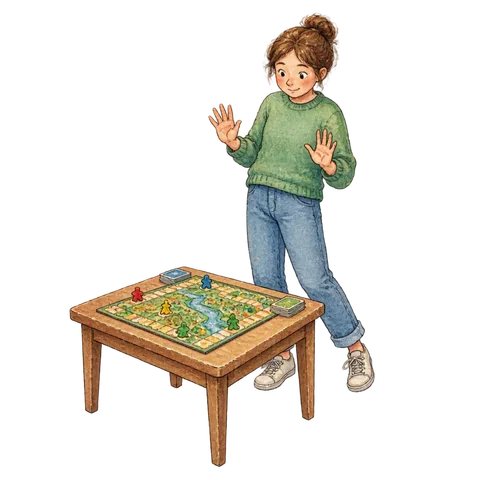
No, non ho un .
No, I do not have a grandfather.
Playful pronunciation exercise · Standard language; oral variants circulate
Easy · Single and double /n/
Pronunciation: Hold nn in nonno longer than n in non; h in ho is silent.
 Source note
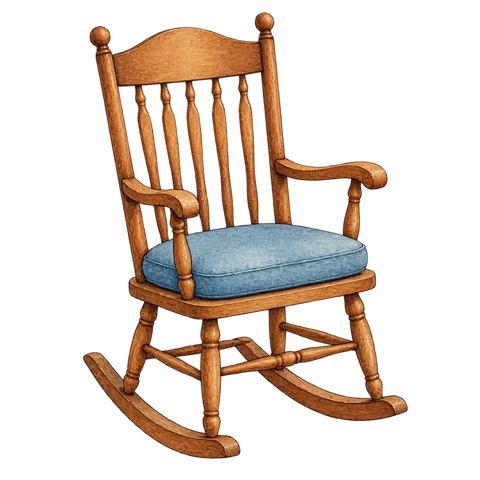
Gli cinici delle cimici.
The cynical friends of the bedbugs.
Playful pronunciation exercise · Standard language; oral variants circulate
Easy · /tʃ/ and /ʎ/
Pronunciation: C before i sounds like ch in English; gli uses the middle of the tongue.
 Source note
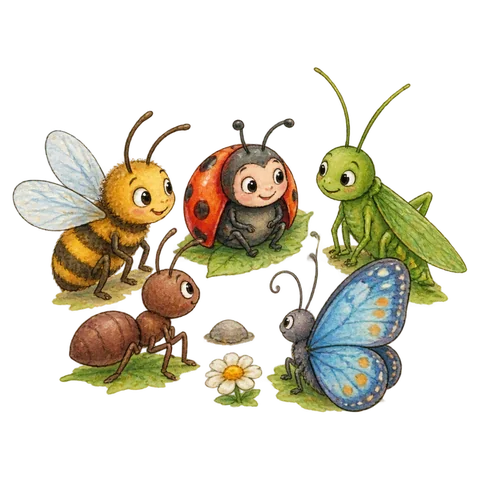
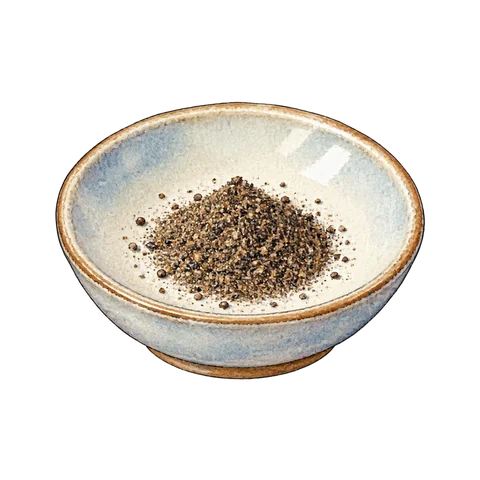
In un cupo, pepe cape.
In a shallow dish, little pepper fits.
Playful pronunciation exercise · Standard language; oral variants circulate
Easy · /p/ and /k/
Pronunciation: Keep the vowels full and the repeated p sounds clean; cape is literary for fits.
 Source note
Explore these words: Numbers (flashcards) · Family & relationships (flashcards) · Quantities & measurements (flashcards)
Put these words into context with a story at your level.
Read Italian storiesItalian double consonants and clear vowels
A long consonant can distinguish words. Pause briefly on a double stop before releasing it.

Sopra la la capra campa, sotto la la capra crepa.
On the bench the goat lives; under the bench the goat dies.
Playful pronunciation exercise · Standard language; oral variants circulate
Intermediate · /p/, /k/, /r/ and double /t/
Pronunciation: Hold tt in sotto and distinguish campa from crepa.
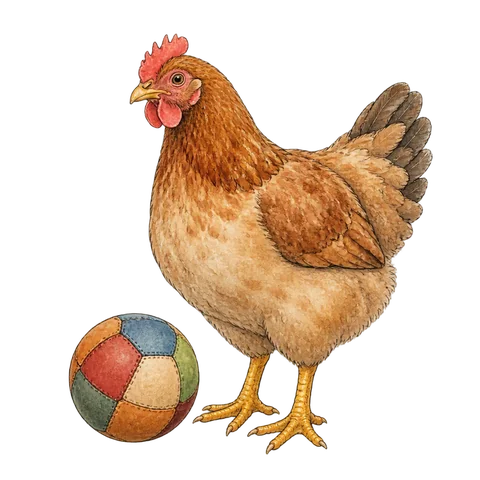
Source noteApelle, di Apollo, fece una di di pollo.
Apelles, Apollo’s son, made a ball of chicken skin.
Playful pronunciation exercise · Standard language; oral variants circulate
Intermediate · Double /l/ and /p/
Pronunciation: Hold ll in Apollo, palla, pelle and pollo; the changing vowels matter.
 Source note
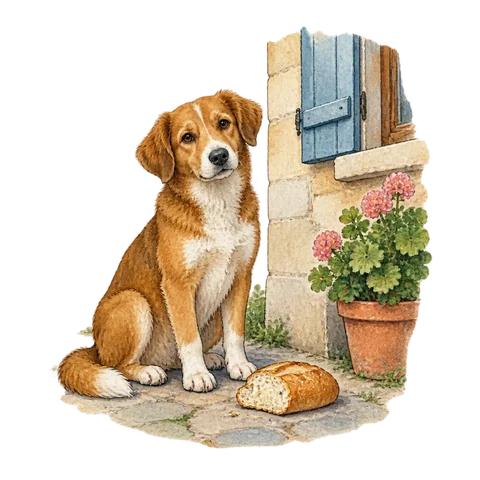
a quel c'è un pazzo. Date un pezzo di a quel pazzo .
Behind that building is a poor mad dog. Give some bread to that poor mad dog.
Playful pronunciation exercise · Standard language; oral variants circulate
Intermediate · /p/, /k/ and double affricates
Pronunciation: Make the consonant in pazzo and pezzo longer; do not swap pane and cane.
 Source note
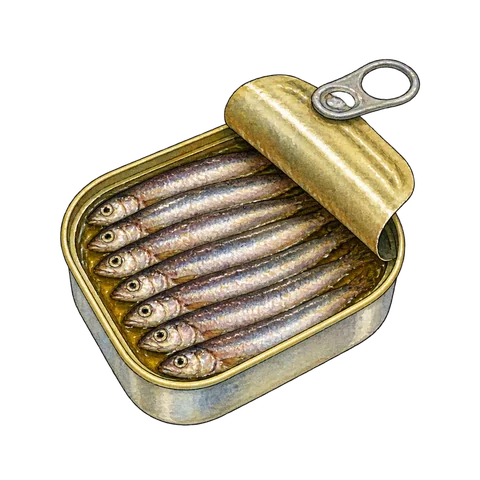
Sette acciughette se ne stavano strette strette nelle scatolette.
Seven little anchovies were packed tightly together in the little tins.
Playful pronunciation exercise · Standard language; oral variants circulate
Intermediate · Double /t/ and /str/
Pronunciation: Hold tt and keep every consonant in strette audible.
 Source note
Eva dava l' ad Ava, Ava dava le ad Eva.
Eva gave grapes to Ava; Ava gave eggs to Eva.
Playful pronunciation exercise · Standard language; oral variants circulate
Intermediate · /v/ and vowel sequencing
Pronunciation: Keep uva separate from uova; uova starts with a glide.
 Source note
Explore these words: Animals (flashcards) · Furniture (flashcards) · Emotions & feelings (flashcards)
Put these words into context with a story at your level.
Read Italian storiesItalian r and tr practice
Let the tongue tip make the r. A clean tap is a useful starting point before a longer trill.
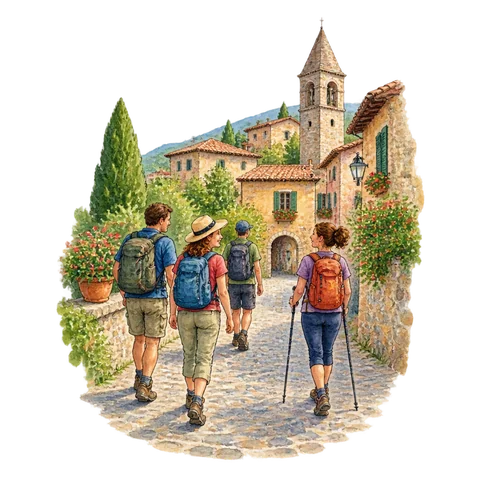
trentini entrarono a Trento, tutti e trotterellando.
Thirty-three people from Trento entered Trento, all thirty-three trotting.
Playful pronunciation exercise · Standard language; oral variants circulate
Intermediate · /tr/, /r/ and double /t/
Pronunciation: Break at the comma; emphasize final stressed é in trentatré without changing the other vowels.
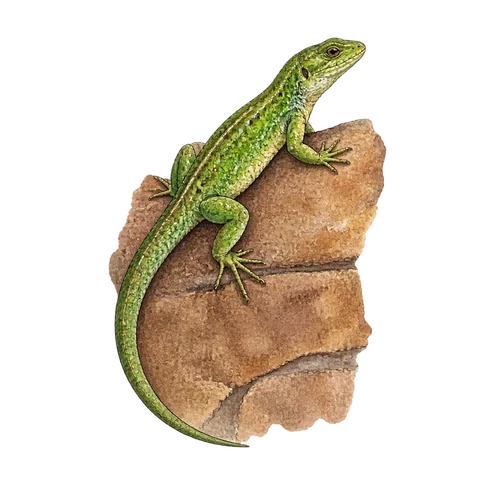
Source note, , un ramarro verde su un !
Horror, horror, a green lizard on a brown wall!
Playful pronunciation exercise · Standard language; oral variants circulate
Intermediate · Single and double /r/
Pronunciation: Hold rr longer in ramarro and marrone; do not turn it into an English r.
 Source note
Sereno è; sereno sarà; se non è sereno, si rasserenerà.
It is clear; it will be clear; if it is not clear, it will clear up.
Playful pronunciation exercise · Standard language; oral variants circulate
Intermediate · /r/ and /s/
Pronunciation: Keep each vowel distinct, especially through rasserenerà.
 Source note
Quanti rami di rovere roderebbe un roditore se un roditore potesse rodere rami di rovere?
How many oak branches would a rodent gnaw if a rodent could gnaw oak branches?
Playful pronunciation exercise · Standard language; oral variants circulate
Intermediate · /r/ and /d/
Pronunciation: Practice rodere and roditore first; give double bb its full length.
 Source note
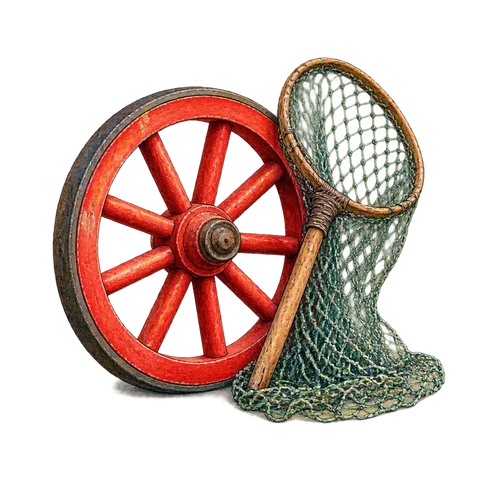
La ruotava rovente, restando rasente la .
The round wheel turned red-hot, staying close to the net.
Playful pronunciation exercise · Standard language; oral variants circulate
Intermediate · /r/ and /rw/
Pronunciation: Move directly from r into the vowel glide in ruota.
 Source note
Explore these words: Numbers (flashcards) · Emotions & feelings (flashcards) · House & rooms (flashcards)
Put these words into context with a story at your level.
Read Italian storiesItalian gli, gn and contrasting consonants
Gli is not English g plus lee. Let the broad middle of the tongue contact the palate.
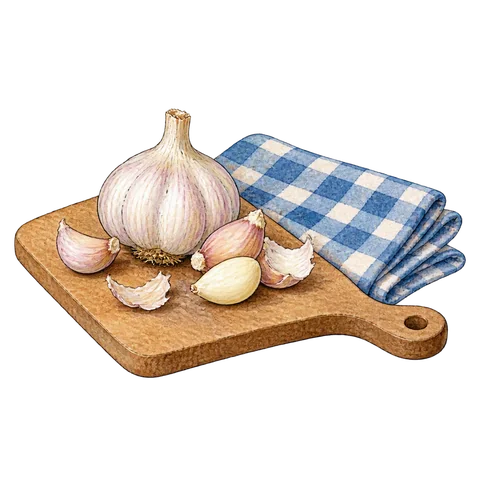
Sul tagliere l' taglia. Non tagliare la . La non è . Se la tagli fai uno sbaglio.
Cut the garlic on the board. Do not cut the tablecloth. The tablecloth is not garlic. If you cut it, you make a mistake.
Playful pronunciation exercise · Standard language; oral variants circulate
Intermediate · /ʎ/ in gli
Pronunciation: Keep the tongue’s middle raised through gli and avoid inserting a hard g.
Source noteSedendo carponi, cogliendo foglioni, foglioni cogliendo, carponi sedendo.
Sitting on all fours, gathering large leaves; gathering large leaves, sitting on all fours.
Playful pronunciation exercise · Standard language; oral variants circulate
Intermediate · /ʎ/ and /ɲ/ context
Pronunciation: Keep the palatal sound in cogliendo and foglioni distinct from an ordinary l.
 Source note
Andavo a Lione cogliendo , tornavo correndo cogliendo.
I was going to Lyon gathering cotton; I came back running, gathering cotton.
Playful pronunciation exercise · Standard language; oral variants circulate
Intermediate · /ʎ/, /t/ and /r/
Pronunciation: Alternate the soft palatal sound in cogliendo with the tongue-tip sounds.
 Source note
In via dell'Agnolo era un pizzicagnolo che aveva un frignolo sul mignolo.
On Via dell’Agnolo there was a grocer with a small boil on his little finger.
Playful pronunciation exercise · Standard language; oral variants circulate
Intermediate · /ɲ/
Pronunciation: Gn is one palatal consonant, similar to Spanish ñ; the vocabulary is deliberately playful and old-fashioned.
 Source note
Scopo la casa, la si sciupa; ma, se non scopo sciupando la , la mia casetta con cosa la scopo?
I sweep the house and wear out the broom; but if I do not sweep and wear it out, what do I sweep my little house with?
Playful pronunciation exercise · Standard language; oral variants circulate
Intermediate · /sk/ and /ʃ/
Pronunciation: Sc before o is sk; sci in sciupa is a sh sound without a separate i vowel.
 Source note
Explore these words: Food & cooking (flashcards) · Furniture (flashcards) · Meals & restaurants (flashcards)
Put these words into context with a story at your level.
Read Italian storiesHard Italian tongue twisters
Work in small breath groups. The challenge is keeping each consonant in its proper place.
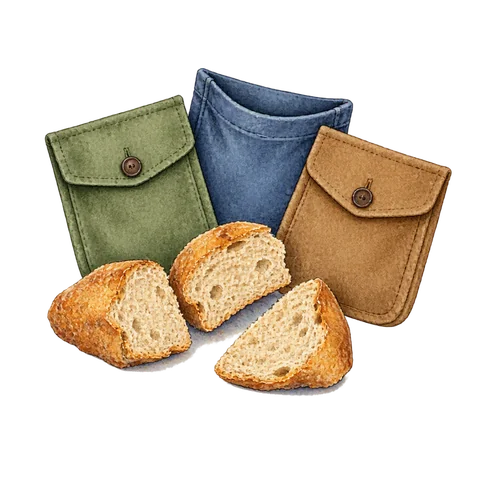
tozzi di pan secco in stanno.
Three chunks of dry bread sit in three tight pockets.
Playful pronunciation exercise · Standard language; oral variants circulate
Hard · /tr/, /str/ and double consonants
Pronunciation: Keep the initial s in strette; hold the doubles in tozzi and secco.
Source noteChi porta in porto le , parta dai porti e porti in porto le aperte.
Whoever takes doors into port should leave the ports and carry the open doors into port.
Playful pronunciation exercise · Standard language; oral variants circulate
Hard · /p/, /r/ and word stress
Pronunciation: Keep porta, porto, porti and porte distinct instead of letting the ending blur.
 Source note
Se la che ti non ti , a che che ti di una che non ?
If the maid who serves you does not serve as a maid, what use is employing a maid who is no use?
Playful pronunciation exercise · Standard language; oral variants circulate
Hard · /s/, /v/ and repeated roots
Pronunciation: Keep the different endings audible; this traditional wording uses an old social role.
 Source note
Ti ci stizzisci? E stizziscitici pure!
Are you getting annoyed about it? Then go ahead and get annoyed about it!
Playful pronunciation exercise · Standard language; oral variants circulate
Hard · /tʃ/, /ts/ and /ʃ/
Pronunciation: Split stizziscitici into syllables before joining it; keep the clitics in order.
 Source note
Didì a Didò: Didò, dì a Didù a Didì ciò che Didì a Didò.
Didì told Didò: Didò, tell Didù to tell Didì what Didì told Didò.
Playful pronunciation exercise · Standard language; oral variants circulate
Hard · /d/, /tʃ/ and word order
Pronunciation: The accents indicate stress on the final vowel of each playful name.
 Source note
Explore these words: Numbers (flashcards) · House & rooms (flashcards) · Clothes (flashcards)
Put these words into context with a story at your level.
Read Italian storiesA three-minute pronunciation drill
- Listen once without speaking and identify the repeated sound.
- Say the hardest two words separately three times, keeping the mouth movement relaxed.
- Say the whole line slowly and clearly three times. Restart after an error rather than accelerating through it.
- Try a natural pace. Use the fast version only after three accurate repetitions.
- Record one attempt and compare the target sound, not just your speed.
Italian tongue twisters: frequently asked questions
What are Italian tongue twisters called?
They are called scioglilingua, literally tongue looseners. The singular and plural have the same spelling.
Which tongue twisters are best for beginners?
Choose a short line in the easy section and work on one sound contrast. A short phrase repeated accurately is more useful than a long one rushed.
Can children use these tongue twisters?
The easy section uses short, playful lines. An adult can model the phrase and turn repetition into a game. Longer traditional examples can include absurd scenes, so check the meaning first.
Should I practice fast or slowly?
Start slowly. Speed is a challenge after the sounds are accurate; rushing can reinforce the very substitution you want to change.
Why do different sites use different wording?
Many tongue twisters circulate orally. Small substitutions, reordered clauses and shortened versions are common. The source note records the version used here.
Will tongue twisters make me fluent?
They train sound coordination, not the whole language. Follow the drill with a normal phrase or a short story containing the same sound.
How long should I practice each day?
A focused two or three minutes is enough for one line. Stop if the mouth feels tense, and return to a comfortable pace.
Are the translations natural sentences?
They explain the scene, including its nonsense. A tongue twister is chosen for sound patterns, so its literal meaning may be strange.
Make these words part of your day
Explore Italian stories, listen along, and save vocabulary as you go.
Find a story at your levelSources and verification
English translations and examples were written for this guide. Source notes distinguish documented expressions, original practice sentences, and literary quotations. Literary excerpts retain the language of their original period.
- International Collection: Italian tongue twisters — Long-running collection of attested tongue twisters; entry numbers below identify the selected wording. A collection attests circulation, not a provable date or author.
- Omniglot: Italian tongue twisters — Independent learner collection used to check several familiar versions; where versions differ, the source note specifies the form used.
Source notes for all 25 entries
- Tre tigri contro tre tigri.: International Collection, item 34; punctuation and obvious spelling accents normalized. [collection]
- Ti ritiri tu?: International Collection, item 3; punctuation and obvious spelling accents normalized. [collection]
- No, non ho un nonno.: International Collection, item 10; punctuation and obvious spelling accents normalized. [collection]
- Gli amici cinici delle cimici.: International Collection, item 56; punctuation and obvious spelling accents normalized. [collection]
- In un piatto poco cupo, poco pepe cape.: International Collection, item 19; punctuation and obvious spelling accents normalized. [collection]
- Sopra la panca la capra campa, sotto la panca la capra crepa.: International Collection, item 31; punctuation and obvious spelling accents normalized. [collection]
- Apelle, figlio di Apollo, fece una palla di pelle di pollo.: International Collection, item 30; punctuation and obvious spelling accents normalized. [collection]
- Dietro a quel palazzo c'è un povero cane pazzo. Date un pezzo di pane a quel povero pazzo cane.: International Collection, item 24; punctuation and obvious spelling accents normalized. [collection]
- Sette acciughette se ne stavano strette strette nelle scatolette.: International Collection, item 38; punctuation and obvious spelling accents normalized. [collection]
- Eva dava l'uva ad Ava, Ava dava le uova ad Eva.: International Collection, item 55; punctuation and obvious spelling accents normalized. [collection]
- Trentatré trentini entrarono a Trento, tutti e trentatré trotterellando.: International Collection, item 1; punctuation and obvious spelling accents normalized. [collection]
- Orrore, orrore, un ramarro verde su un muro marrone!: International Collection, item 35; punctuation and obvious spelling accents normalized. [collection]
- Sereno è; sereno sarà; se non è sereno, si rasserenerà.: International Collection, item 27; punctuation and obvious spelling accents normalized. [collection]
- Quanti rami di rovere roderebbe un roditore se un roditore potesse rodere rami di rovere?: International Collection, item 5; punctuation and obvious spelling accents normalized. [collection]
- La ruota rotonda ruotava rovente, restando rasente la rete.: International Collection, item 42; punctuation and obvious spelling accents normalized. [collection]
- Sul tagliere l'aglio taglia. Non tagliare la tovaglia. La tovaglia non è aglio. Se la tagli fai uno sbaglio.: International Collection, item 32; punctuation and obvious spelling accents normalized. [collection]
- Sedendo carponi, cogliendo foglioni, foglioni cogliendo, carponi sedendo.: International Collection, item 20; punctuation and obvious spelling accents normalized. [collection]
- Andavo a Lione cogliendo cotone, tornavo correndo cotone cogliendo.: International Collection, item 23; punctuation and obvious spelling accents normalized. [collection]
- In via dell'Agnolo c'era un pizzicagnolo che aveva un frignolo sul dito mignolo.: International Collection, item 37; punctuation and obvious spelling accents normalized. [collection]
- Scopo la casa, la scopa si sciupa; ma, se non scopo sciupando la scopa, la mia casetta con cosa la scopo?: International Collection, item 54; punctuation and obvious spelling accents normalized. [collection]
- Tre tozzi di pan secco in tre strette tasche stanno.: International Collection, item 26; punctuation and obvious spelling accents normalized. [collection]
- Chi porta in porto le porte, parta dai porti e porti in porto le porte aperte.: International Collection, item 40; punctuation and obvious spelling accents normalized. [collection]
- Se la serva che ti serve non ti serve come serva, a che serve che ti serva di una serva che non serve?: International Collection, item 43; punctuation and obvious spelling accents normalized. [collection]
- Ti ci stizzisci? E stizziscitici pure!: International Collection, item 57; punctuation and obvious spelling accents normalized. [collection]
- Didì disse a Didò: Didò, dì a Didù di dire a Didì ciò che Didì disse a Didò.: International Collection, item 58; punctuation and obvious spelling accents normalized. [collection]