
THE INKLINGO LANGUAGE GUIDES
90 Italian Idioms & Proverbs (Meanings + Audio)
Explore 80 Italian idioms and 10 traditional proverbs with literal translations, natural English meanings and original example sentences. Begin with the essential 20, then choose a theme that matches the conversation you want to have.
Essential 20
- Non vedere l’oraTo be unable to wait
- Essere in gambaTo be on the ball
- Rompere il ghiaccioTo break the ice
- Essere al settimo cieloTo be over the moon
- Essere al verdeTo be broke
- Avere la testa fra le nuvoleTo have your head in the clouds
- Essere in alto mareTo have a long way to go
- Andare a gonfie veleTo go swimmingly
- Acqua in bocca!Keep it to yourself!
- Prendere due piccioni con una favaTo kill two birds with one stone
- Avere le mani bucateTo let money burn a hole in your pocket
- Chiudere un occhioTo turn a blind eye
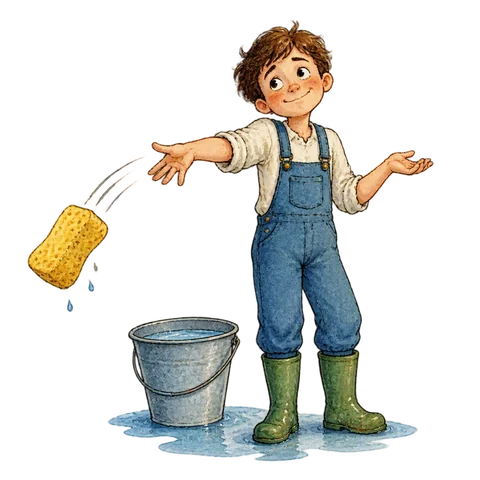
- Gettare la spugnaTo throw in the towel
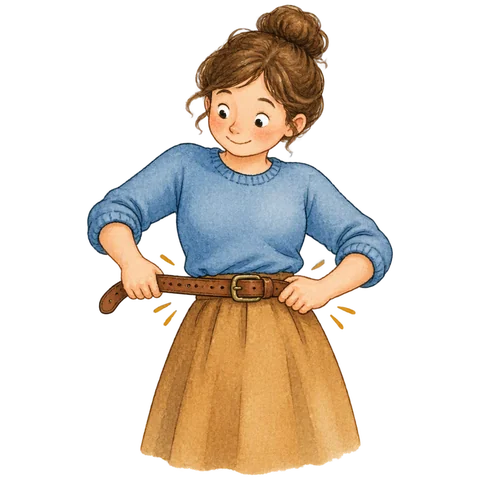
- Tirare la cinghiaTo tighten your belt
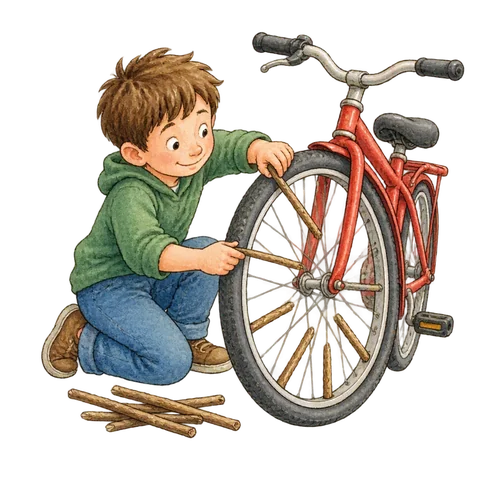
- Mettere i bastoni tra le ruoteTo put obstacles in someone’s way
- Avere il pollice verdeTo have green fingers
- Avere il cuore in golaTo have your heart in your mouth
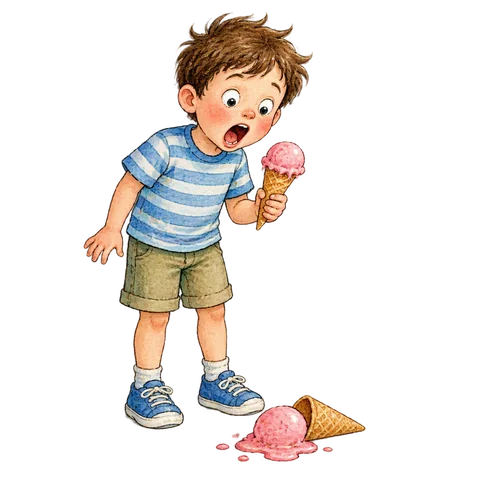
- Restare a bocca apertaTo be left open-mouthed
- Non avere né capo né codaTo make no sense
- Togliersi un peso dal cuoreTo get a weight off your chest
20 essential Italian idioms
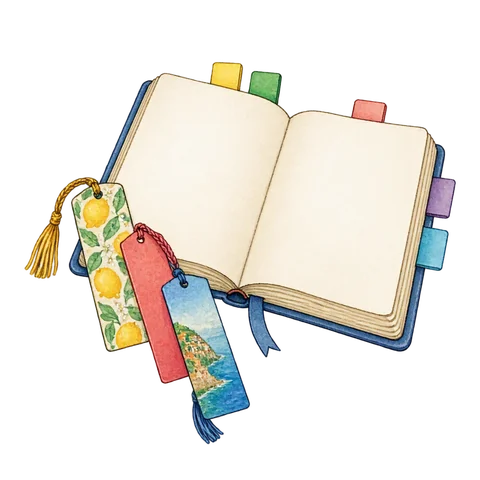
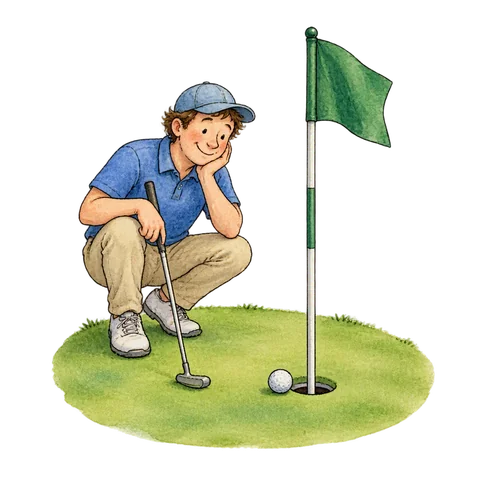
Start with these versatile expressions. Read the literal image, then use the example to hear the intended meaning.
Non vedere l’ora
To be unable to wait
Literally: Not to see the hour
Meaning: To look forward eagerly to something. Follow it with di and an infinitive.
Closest English expression: To be unable to wait
Neutral conversational; use di before the action. · Standard Italian; usage varies by speaker and setting.
In a sentence
 Source note
Essere in
To be on the ball
Literally: To be in the leg
Meaning: To be capable, resourceful or good at what you do.
Closest English expression: To be on the ball
Conversational praise. · Standard Italian; usage varies by speaker and setting.
In a sentence
 Source note
Rompere il
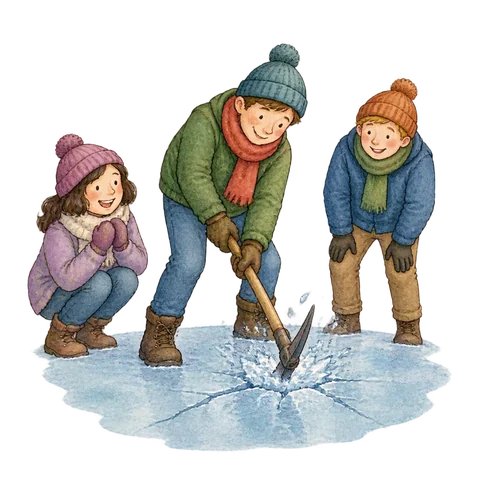
To break the ice
Literally: To break the ice
Meaning: To make an initially awkward meeting feel easier.
Closest English expression: To break the ice
Neutral; useful for social and work settings. · Standard Italian; usage varies by speaker and setting.
In a sentence
 Source note
Essere al settimo cielo
To be over the moon
Literally: To be in the seventh heaven
Meaning: To feel intensely happy about news or an event.
Closest English expression: To be over the moon
Conversational; positive exaggeration. · Standard Italian; usage varies by speaker and setting.
In a sentence
 Source note
Essere al verde
To be broke
Literally: To be at the green
Meaning: To have no money available, often temporarily.
Closest English expression: To be broke
Informal; financial situation, not environmental behavior. · Standard Italian; usage varies by speaker and setting.
In a sentence
 Source note
Avere la fra le
To have your head in the clouds
Literally: To have your head among the clouds
Meaning: To be distracted by thoughts instead of attending to the present.
Closest English expression: To have your head in the clouds
Conversational; mild criticism or self-description. · Standard Italian; usage varies by speaker and setting.
In a sentence
 Source note
Essere in alto
To have a long way to go
Literally: To be out on the high seas
Meaning: To be a long way from finishing or finding an answer.
Closest English expression: To have a long way to go
Conversational; describes progress. · Standard Italian; usage varies by speaker and setting.
In a sentence
 Source note
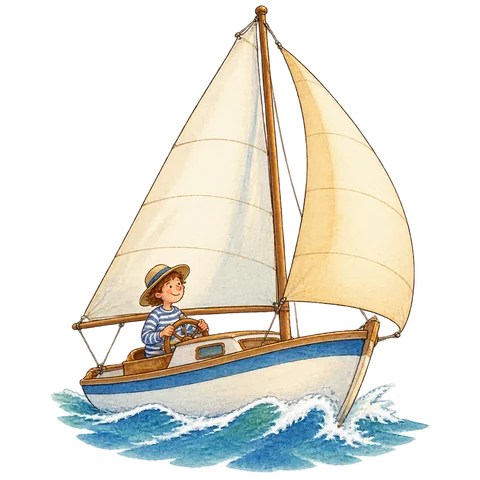
Andare a gonfie vele
To go swimmingly
Literally: To go with full sails
Meaning: To progress very successfully or smoothly.
Closest English expression: To go swimmingly
Neutral conversational; often about plans or business. · Standard Italian; usage varies by speaker and setting.
In a sentence
 Source note
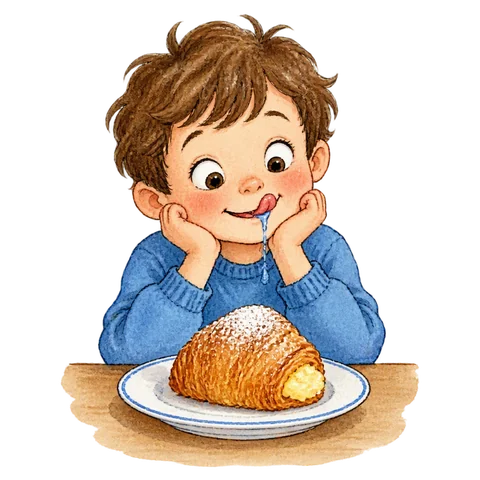
Acqua in bocca!
Keep it to yourself!
Literally: Water in the mouth!
Meaning: A request to keep information secret.
Closest English expression: Keep it to yourself!
Informal instruction, often playful. · Standard Italian; usage varies by speaker and setting.
In a sentence
 Source note
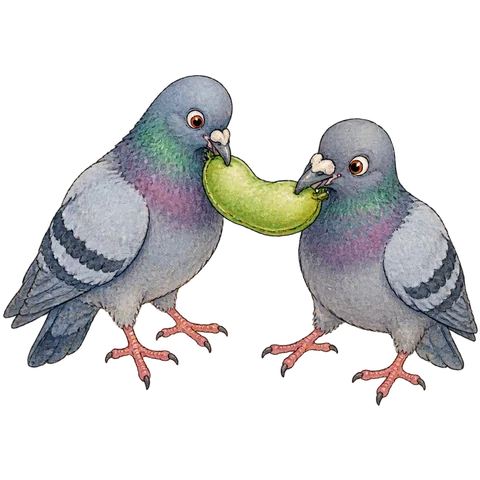
due con una
To kill two birds with one stone
Literally: To catch two pigeons with one broad bean
Meaning: To achieve two useful results through one action.
Closest English expression: To kill two birds with one stone
Conversational; a traditional image, not literal advice. · Standard Italian; usage varies by speaker and setting.
In a sentence
 Source note
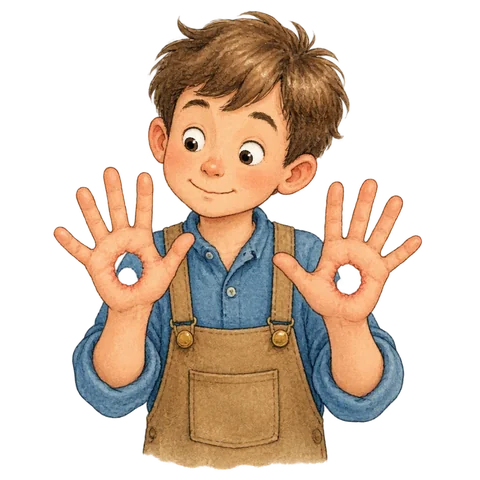
Avere le mani bucate
To let money burn a hole in your pocket
Literally: To have holes in your hands
Meaning: To spend readily and struggle to hold on to money.
Closest English expression: To let money burn a hole in your pocket
Informal; critical. · Standard Italian; usage varies by speaker and setting.
In a sentence
 Source note
Chiudere un occhio
To turn a blind eye
Literally: To close one eye
Meaning: To deliberately overlook a minor fault or breach.
Closest English expression: To turn a blind eye
Conversational; suggests discretion. · Standard Italian; usage varies by speaker and setting.
In a sentence
 Source note
Gettare la spugna
To throw in the towel
Literally: To throw the sponge
Meaning: To stop trying after difficulty or defeat.
Closest English expression: To throw in the towel
Neutral conversational. · Standard Italian; usage varies by speaker and setting.
In a sentence
 Source note
Tirare la cinghia
To tighten your belt
Literally: To tighten the belt
Meaning: To cut spending because money is limited.
Closest English expression: To tighten your belt
Conversational; about economy, not clothing. · Standard Italian; usage varies by speaker and setting.
In a sentence
 Source note
Mettere i bastoni tra le
To put obstacles in someone’s way
Literally: To put sticks between the wheels
Meaning: To deliberately obstruct someone’s plans.
Closest English expression: To put obstacles in someone’s way
Conversational; the person affected can be expressed with a pronoun. · Standard Italian; usage varies by speaker and setting.
In a sentence
 Source note
Avere il verde
To have green fingers
Literally: To have a green thumb
Meaning: To be successful at growing and caring for plants.
Closest English expression: To have green fingers
Conversational praise. · Standard Italian; usage varies by speaker and setting.
In a sentence
 Source note
Avere il cuore in
To have your heart in your mouth
Literally: To have your heart in your throat
Meaning: To feel an intense rush of fear or nervous excitement.
Closest English expression: To have your heart in your mouth
Conversational; strong emotion. · Standard Italian; usage varies by speaker and setting.
In a sentence
 Source note
Restare a bocca aperta
To be left open-mouthed
Literally: To remain with your mouth open
Meaning: To be visibly astonished by something.
Closest English expression: To be left open-mouthed
Conversational; positive or negative surprise. · Standard Italian; usage varies by speaker and setting.
In a sentence
 Source note
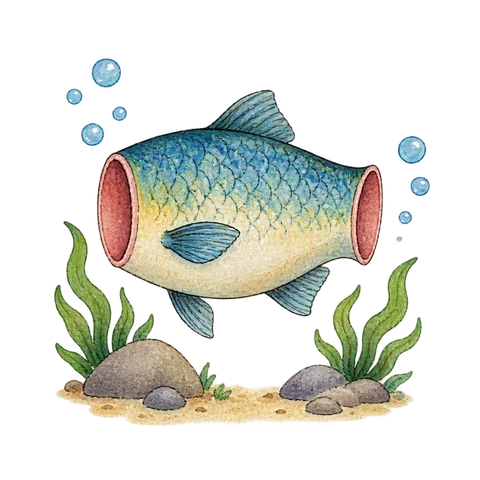
Non avere né né coda
To make no sense
Literally: To have neither head nor tail
Meaning: To lack a clear, coherent structure or sense.
Closest English expression: To make no sense
Conversational; critical of an account or idea. · Standard Italian; usage varies by speaker and setting.
In a sentence
 Source note
Togliersi un dal cuore
To get a weight off your chest
Literally: To take a weight off your heart
Meaning: To feel relieved after resolving or admitting something troubling.
Closest English expression: To get a weight off your chest
Conversational; reflective. · Standard Italian; usage varies by speaker and setting.
In a sentence
 Source note
Explore these words: Body parts (flashcards) · Weather (flashcards) · Time & dates (flashcards)
Put these words into context with a story at your level.
Read Italian storiesItalian idioms for feelings and reactions
These expressions describe mood, surprise and emotional pressure. Tone matters, especially when describing another person.

Avere un diavolo per capello
To be absolutely furious
Literally: To have a devil for every hair
Meaning: To be in a furious mood.
Closest English expression: To be absolutely furious
Informal, vivid exaggeration. · Standard Italian; usage varies by speaker and setting.
In a sentence
Avere la storta
To be in a bad mood
Literally: To have a crooked moon
Meaning: To be irritable or in a bad mood.
Closest English expression: To be in a bad mood
Informal; temporary mood. · Standard Italian; usage varies by speaker and setting.
In a sentence
Essere sulle spine
To be on tenterhooks
Literally: To be on thorns
Meaning: To wait with anxiety or unease.
Closest English expression: To be on tenterhooks
Conversational. · Standard Italian; usage varies by speaker and setting.
In a sentence
Cadere dalle
To be taken completely by surprise
Literally: To fall from the clouds
Meaning: To react as though surprising news was completely unknown.
Closest English expression: To be taken completely by surprise
Conversational; can imply someone should have known. · Standard Italian; usage varies by speaker and setting.
In a sentence
Avere un alla
To have a lump in your throat
Literally: To have a knot in the throat
Meaning: To find speaking difficult because of strong emotion.
Closest English expression: To have a lump in your throat
Neutral; often sadness or tenderness. · Standard Italian; usage varies by speaker and setting.
In a sentence
Rimanere di sasso
To be stunned
Literally: To turn to stone
Meaning: To be stunned into stillness by unexpected news.
Closest English expression: To be stunned
Conversational; different from literal petrification. · Standard Italian; usage varies by speaker and setting.
In a sentence
Avere il avvelenato
To bear a grudge
Literally: To have a poisoned tooth
Meaning: To retain anger or resentment toward someone.
Closest English expression: To bear a grudge
Conversational; usually con introduces the target. · Standard Italian; usage varies by speaker and setting.
In a sentence
con il sospeso
To hold your breath
Literally: To stay with your breath suspended
Meaning: To wait tensely for an uncertain outcome.
Closest English expression: To hold your breath
Conversational; figurative suspense. · Standard Italian; usage varies by speaker and setting.
In a sentence
la d’oca
To get goosebumps
Literally: To have goose skin
Meaning: To get goosebumps from cold or a strong emotional response.
Closest English expression: To get goosebumps
Neutral; can describe pleasure or fear. · Standard Italian; usage varies by speaker and setting.
In a sentence
Essere in vena
To be in the mood
Literally: To be in the vein
Meaning: To feel inclined or inspired to do something.
Closest English expression: To be in the mood
Conversational; often di plus infinitive. · Standard Italian; usage varies by speaker and setting.
In a sentence
Explore these words: Body parts (flashcards) · Weather (flashcards) · Time & dates (flashcards)
Put these words into context with a story at your level.
Read Italian storiesItalian idioms about people and relationships
Use these phrases to recognize personality and social dynamics. Critical descriptions can sound unkind when directed at someone.

Essere una calda
To be a hothead
Literally: To be a hot head
Meaning: To be impulsive and quick to anger.
Closest English expression: To be a hothead
Informal; critical personal description. · Standard Italian; usage varies by speaker and setting.
In a sentence
Piantare in asso
To leave someone in the lurch
Literally: To leave in ace
Meaning: To abandon someone abruptly when they expect support.
Closest English expression: To leave someone in the lurch
Conversational; origin is disputed, so the literal wording is only a mnemonic. · Standard Italian; usage varies by speaker and setting.
In a sentence
il finto tonto
To play dumb
Literally: To play the pretend fool
Meaning: To pretend not to understand something convenient to avoid.
Closest English expression: To play dumb
Informal; accusatory when addressed directly. · Standard Italian; usage varies by speaker and setting.
In a sentence
Tenere il piede in due
To play both sides
Literally: To keep a foot in two shoes
Meaning: To maintain two incompatible positions instead of committing.
Closest English expression: To play both sides
Conversational; usually disapproving. · Standard Italian; usage varies by speaker and setting.
In a sentence
Essere l’anima della
To be the life of the party
Literally: To be the soul of the party
Meaning: To animate a social gathering with energy and sociability.
Closest English expression: To be the life of the party
Conversational praise. · Standard Italian; usage varies by speaker and setting.
In a sentence
Essere come il prezzemolo
To turn up everywhere
Literally: To be like parsley
Meaning: To appear everywhere or get involved in many things.
Closest English expression: To turn up everywhere
Informal, often teasing. · Standard Italian; usage varies by speaker and setting.
In a sentence
Essere un osso duro
To be a tough nut to crack
Literally: To be a hard bone
Meaning: To be a person or opponent who is difficult to overcome.
Closest English expression: To be a tough nut to crack
Conversational; can convey respect. · Standard Italian; usage varies by speaker and setting.
In a sentence
Essere una bianca
To be a rare exception
Literally: To be a white fly
Meaning: To be an unusual exception among other people or things.
Closest English expression: To be a rare exception
Conversational; not inherently negative. · Standard Italian; usage varies by speaker and setting.
In a sentence
Essere un aperto
To be an open book
Literally: To be an open book
Meaning: To have feelings or intentions that are easy to read.
Closest English expression: To be an open book
Neutral conversational. · Standard Italian; usage varies by speaker and setting.
In a sentence
Avere la sulle spalle
To have a good head on your shoulders
Literally: To have your head on your shoulders
Meaning: To be sensible and capable of sound judgment.
Closest English expression: To have a good head on your shoulders
Conversational praise. · Standard Italian; usage varies by speaker and setting.
In a sentence
Explore these words: Body parts (flashcards) · Time & dates (flashcards) · Books & writing (flashcards)
Put these words into context with a story at your level.
Read Italian storiesItalian idioms for work and decisions
These expressions make effort, progress and choices concrete. Practice them with a real task in mind.

Fare il passo più lungo della
To bite off more than you can chew
Literally: To take a step longer than the leg
Meaning: To attempt more than your resources or ability permit.
Closest English expression: To bite off more than you can chew
Conversational; often financial or practical caution. · Standard Italian; usage varies by speaker and setting.
In a sentence
Mettere il davanti ai buoi
To put the cart before the horse
Literally: To put the cart before the oxen
Meaning: To do a later step before the necessary earlier one.
Closest English expression: To put the cart before the horse
Neutral conversational. · Standard Italian; usage varies by speaker and setting.
In a sentence
Tagliare la al toro
To settle the matter once and for all
Literally: To cut off the bull’s head
Meaning: To settle a problem decisively and end the discussion.
Closest English expression: To settle the matter once and for all
Conversational; a figurative traditional image. · Standard Italian; usage varies by speaker and setting.
In a sentence
Sudare sette
To work your socks off
Literally: To sweat seven shirts
Meaning: To put great effort into a difficult task.
Closest English expression: To work your socks off
Informal; emphasizes effort. · Standard Italian; usage varies by speaker and setting.
In a sentence
Dare del da torcere
To give someone a hard time
Literally: To give thread to twist
Meaning: To cause someone difficulty or offer strong resistance.
Closest English expression: To give someone a hard time
Conversational; a person or task can be the subject. · Standard Italian; usage varies by speaker and setting.
In a sentence
il di qualcuno
To play into someone’s hands
Literally: To play someone’s game
Meaning: To act in a way that serves someone else’s aims, sometimes unintentionally.
Closest English expression: To play into someone’s hands
Neutral; often strategic. · Standard Italian; usage varies by speaker and setting.
In a sentence
Mettere le mani avanti
To cover yourself in advance
Literally: To put your hands forward
Meaning: To give a warning or excuse before a possible criticism.
Closest English expression: To cover yourself in advance
Conversational; may be lighthearted. · Standard Italian; usage varies by speaker and setting.
In a sentence
con le mani in mano
To sit on your hands
Literally: To stay with your hands in your hands
Meaning: To remain idle when action is needed.
Closest English expression: To sit on your hands
Conversational; negative or imperative contexts are common. · Standard Italian; usage varies by speaker and setting.
In a sentence
Avere una marcia in più
To have an extra edge
Literally: To have an extra gear
Meaning: To possess an advantage that improves performance.
Closest English expression: To have an extra edge
Conversational praise. · Standard Italian; usage varies by speaker and setting.
In a sentence
Dare carta
To give someone a free hand
Literally: To give a blank sheet
Meaning: To allow someone freedom to decide how to carry out a task.
Closest English expression: To give someone a free hand
Neutral; also business usage. · Standard Italian; usage varies by speaker and setting.
In a sentence
Explore these words: Body parts (flashcards) · Time & dates (flashcards) · Transport (flashcards)
Put these words into context with a story at your level.
Read Italian storiesItalian idioms about food, money and daily life
Everyday objects become memorable images for spending, habits and social life. The English equivalents give the sense rather than a word-for-word match.
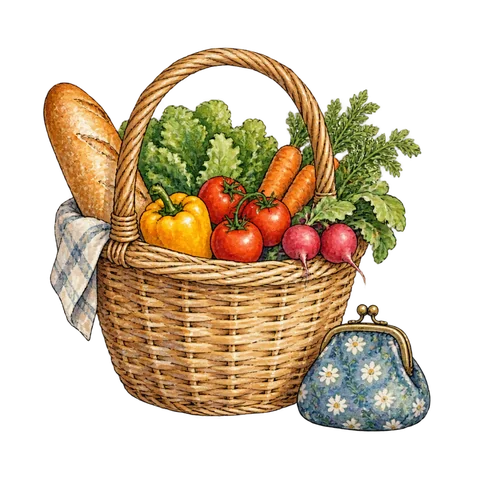
Andare a ruba
To sell like hotcakes
Literally: To go to theft
Meaning: To sell or be taken very quickly because demand is high.
Closest English expression: To sell like hotcakes
Conversational; does not imply actual theft. · Standard Italian; usage varies by speaker and setting.
In a sentence
venire l’acquolina in bocca
To make your mouth water
Literally: To make a little water come into the mouth
Meaning: To make food seem delicious and tempting.
Closest English expression: To make your mouth water
Neutral conversational. · Standard Italian; usage varies by speaker and setting.
In a sentence
Fare salti
To have a dance
Literally: To do four jumps
Meaning: To dance for enjoyment, usually in an informal outing.
Closest English expression: To have a dance
Informal; no exact number is intended. · Standard Italian; usage varies by speaker and setting.
In a sentence
Essere una buona forchetta
To be a hearty eater
Literally: To be a good fork
Meaning: To enjoy eating and have a hearty appetite.
Closest English expression: To be a hearty eater
Conversational, usually affectionate. · Standard Italian; usage varies by speaker and setting.
In a sentence
a con le galline
To turn in with the chickens
Literally: To go to bed with the hens
Meaning: To go to bed unusually early.
Closest English expression: To turn in with the chickens
Informal, often teasing. · Standard Italian; usage varies by speaker and setting.
In a sentence
Avere la faccia tosta
To have a nerve
Literally: To have a tough face
Meaning: To show shameless boldness or audacity.
Closest English expression: To have a nerve
Informal; usually critical. · Standard Italian; usage varies by speaker and setting.
In a sentence
Fare in aria
To build castles in the air
Literally: To build castles in the air
Meaning: To imagine attractive plans without a practical basis.
Closest English expression: To build castles in the air
Conversational; warns against unrealistic planning. · Standard Italian; usage varies by speaker and setting.
In a sentence
Tenere d’occhio
To keep an eye on
Literally: To keep by eye
Meaning: To keep watching a person or thing attentively.
Closest English expression: To keep an eye on
Neutral conversational. · Standard Italian; usage varies by speaker and setting.
In a sentence
Avere il
To be blue-blooded
Literally: To have blue blood
Meaning: To belong to an aristocratic family.
Closest English expression: To be blue-blooded
Established figurative expression; sometimes ironic. · Standard Italian; usage varies by speaker and setting.
In a sentence
Essere una
To be brilliant
Literally: To be a summit
Meaning: To be extremely intelligent or skilled at something.
Closest English expression: To be brilliant
Informal praise; also ironic with negation. · Standard Italian; usage varies by speaker and setting.
In a sentence
Explore these words: Travel & hotels (flashcards) · Furniture (flashcards) · House & rooms (flashcards)
Put these words into context with a story at your level.
Read Italian storiesItalian idioms for speaking and understanding
These phrases concern tact, attention, suspicion and the way a conversation develops. The examples supply the grammatical frame.

Non avere peli sulla lingua
To not mince words
Literally: To have no hairs on the tongue
Meaning: To speak frankly without softening an opinion.
Closest English expression: To not mince words
Conversational; frankness may be welcome or blunt. · Standard Italian; usage varies by speaker and setting.
In a sentence
da
To turn a deaf ear
Literally: To make merchant’s ears
Meaning: To pretend not to hear a request or criticism.
Closest English expression: To turn a deaf ear
Conversational; deliberate ignoring. · Standard Italian; usage varies by speaker and setting.
In a sentence
Mettere una pulce nell’
To plant a seed of doubt
Literally: To put a flea in the ear
Meaning: To plant a suspicion that keeps bothering someone.
Closest English expression: To plant a seed of doubt
Conversational; unlike the English a flea in one’s ear, this concerns suspicion. · Standard Italian; usage varies by speaker and setting.
In a sentence
Parlare come un stampato
To sound like a textbook
Literally: To speak like a printed book
Meaning: To speak with striking precision, polish or learnedness.
Closest English expression: To sound like a textbook
Conversational; admiring or ironic depending on tone. · Standard Italian; usage varies by speaker and setting.
In a sentence
bottone
To strike up a chat
Literally: To attach a button
Meaning: To strike up a conversation, sometimes at unwelcome length.
Closest English expression: To strike up a chat
Informal. · Standard Italian; usage varies by speaker and setting.
In a sentence
Cercare il pelo nell’
To split hairs
Literally: To look for a hair in the egg
Meaning: To search for tiny faults beyond what is useful.
Closest English expression: To split hairs
Conversational; critical of excessive scrutiny. · Standard Italian; usage varies by speaker and setting.
In a sentence
Saltare di palo in frasca
To jump from one subject to another
Literally: To jump from a pole to a branch
Meaning: To move between unrelated topics without a clear thread.
Closest English expression: To jump from one subject to another
Conversational; about speech or thought. · Standard Italian; usage varies by speaker and setting.
In a sentence
Parlare a vanvera
To talk nonsense
Literally: To speak at random
Meaning: To talk without knowledge, thought or useful sense.
Closest English expression: To talk nonsense
Informal; direct use is confrontational. · Standard Italian; usage varies by speaker and setting.
In a sentence
Dire al e al
To call a spade a spade
Literally: To call bread bread and wine wine
Meaning: To state things plainly and directly.
Closest English expression: To call a spade a spade
Conversational; frank and potentially blunt. · Standard Italian; usage varies by speaker and setting.
In a sentence
Fare una così
To talk someone’s ear off
Literally: To make a head this big
Meaning: To overwhelm someone with repeated or lengthy talk.
Closest English expression: To talk someone’s ear off
Informal; often accompanied by a size gesture. · Standard Italian; usage varies by speaker and setting.
In a sentence
Explore these words: Body parts (flashcards) · Books & writing (flashcards) · Food & cooking (flashcards)
Put these words into context with a story at your level.
Read Italian storiesItalian idioms for problems and setbacks
Use these when something goes wrong or a situation becomes hard to manage. Avoid treating humorous exaggeration as a literal description.
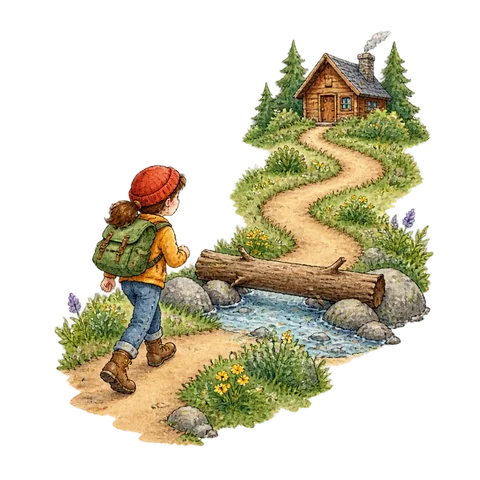
Essere alla
To be at the end of your rope
Literally: To be at the fruit course
Meaning: To be worn out or at the end of one’s resources.
Closest English expression: To be at the end of your rope
Informal; can also describe a failing situation. · Standard Italian; usage varies by speaker and setting.
In a sentence
Dare i
To be talking nonsense
Literally: To give the numbers
Meaning: To behave or speak in an irrational, unreasonable way.
Closest English expression: To be talking nonsense
Informal; critical, not a clinical description. · Standard Italian; usage varies by speaker and setting.
In a sentence
Essere tutto e niente arrosto
To be all talk and no action
Literally: To be all smoke and no roast
Meaning: To offer impressive appearances with little real substance.
Closest English expression: To be all talk and no action
Informal; strongly critical. · Standard Italian; usage varies by speaker and setting.
In a sentence
Non sapere pesci
To not know which way to turn
Literally: Not to know which fish to catch
Meaning: To be unsure how to solve a difficult situation.
Closest English expression: To not know which way to turn
Conversational. · Standard Italian; usage varies by speaker and setting.
In a sentence
Non stare né in cielo né in
To be utterly absurd
Literally: To be neither in heaven nor on earth
Meaning: To be completely unreasonable or implausible.
Closest English expression: To be utterly absurd
Conversational; emphatic disagreement. · Standard Italian; usage varies by speaker and setting.
In a sentence
Non cavare un dal
To make no headway
Literally: Not to get a spider out of the hole
Meaning: To get nowhere despite trying to solve something.
Closest English expression: To make no headway
Conversational; emphasizes unsuccessful effort. · Standard Italian; usage varies by speaker and setting.
In a sentence
una barbina
To make a poor showing
Literally: To make a wretched impression
Meaning: To embarrass yourself or appear foolish in front of others.
Closest English expression: To make a poor showing
Informal; milder than vulgar alternatives. · Standard Italian; usage varies by speaker and setting.
In a sentence
con un palmo di
To be left disappointed
Literally: To be left with a palm’s length of nose
Meaning: To be left disappointed or foolish after an expectation fails.
Closest English expression: To be left disappointed
Informal; often a disappointed surprise. · Standard Italian; usage varies by speaker and setting.
In a sentence
Andare in
To go up in smoke
Literally: To go into smoke
Meaning: For plans or resources to disappear without the hoped-for result.
Closest English expression: To go up in smoke
Neutral conversational. · Standard Italian; usage varies by speaker and setting.
In a sentence
Essere in cattive acque
To be in troubled waters
Literally: To be in bad waters
Meaning: To be in a difficult situation, often financially.
Closest English expression: To be in troubled waters
Conversational; a nautical metaphor. · Standard Italian; usage varies by speaker and setting.
In a sentence
Explore these words: Time & dates (flashcards) · Numbers (flashcards) · Quantities & measurements (flashcards)
Put these words into context with a story at your level.
Read Italian stories10 traditional Italian proverbs and sayings
A proverb normally makes a complete observation, whereas an idiom often fits inside a sentence. These sayings express perspectives, not rules that are always true.

Chi non piglia pesci.
You have to act to get results.
Literally: Whoever sleeps catches no fish.
Meaning: Results require attention and action rather than passive waiting.
Closest English expression: You have to act to get results.
Traditional proverb; encouragement to take initiative. · Standard Italian; usage varies by speaker and setting.
In a sentence
Chi va , va sano e va .
Slow and steady wins the race.
Literally: Whoever goes slowly goes safely and goes far.
Meaning: Steady, careful effort can be more sustainable than rushing.
Closest English expression: Slow and steady wins the race.
Traditional proverb; CVC records this wording in its usage note. · Standard Italian; usage varies by speaker and setting.
In a sentence
Dal dire al fare c’è di mezzo il .
Easier said than done.
Literally: Between saying and doing lies the sea.
Meaning: Carrying out a promise takes more work than making it.
Closest English expression: Easier said than done.
Traditional proverb; wording recorded as a variant. · Standard Italian; usage varies by speaker and setting.
In a sentence
Non è tutt’ quel che riluce.
All that glitters is not gold.
Literally: Not everything that shines is gold.
Meaning: An attractive appearance does not guarantee real value.
Closest English expression: All that glitters is not gold.
Traditional caution about appearances. · Standard Italian; usage varies by speaker and setting.
In a sentence
Tutte le strade portano a Roma.
All roads lead to Rome.
Literally: All roads lead to Rome.
Meaning: Different methods can reach the same result.
Closest English expression: All roads lead to Rome.
Traditional saying; figurative use is about a shared destination. · Standard Italian; usage varies by speaker and setting.
In a sentence
Meglio che .
Better late than never.
Literally: Better late than never.
Meaning: A worthwhile action can still be welcome when delayed.
Closest English expression: Better late than never.
Traditional proverb; can also be said with irony. · Standard Italian; usage varies by speaker and setting.
In a sentence
L’abito non fa il monaco.
Don’t judge a book by its cover.
Literally: The habit does not make the monk.
Meaning: Clothing and appearances do not establish someone’s character.
Closest English expression: Don’t judge a book by its cover.
Traditional proverb; abito here carries the image of a religious habit. · Standard Italian; usage varies by speaker and setting.
In a sentence
A caval donato non si guarda in bocca.
Don’t look a gift horse in the mouth.
Literally: One does not look in the mouth of a gift horse.
Meaning: Do not be ungrateful or overly critical when receiving a gift.
Closest English expression: Don’t look a gift horse in the mouth.
Traditional proverb; shortened caval is fixed in the saying. · Standard Italian; usage varies by speaker and setting.
In a sentence
Chi trova un trova un .
A good friend is a treasure.
Literally: Whoever finds a friend finds a treasure.
Meaning: A good friendship is a valuable thing to gain and preserve.
Closest English expression: A good friend is a treasure.
Traditional saying; not attributed here to a modern celebrity. · Standard Italian; usage varies by speaker and setting.
In a sentence
Il ha l’ in bocca.
The early bird catches the worm.
Literally: The morning has gold in its mouth.
Meaning: Beginning early can bring opportunities or productive time.
Closest English expression: The early bird catches the worm.
Traditional proverb; listed among related sayings in the CVC record. · Standard Italian; usage varies by speaker and setting.
In a sentence
Explore these words: Time & dates (flashcards) · Shapes, sizes & materials (flashcards) · Directions & position (flashcards)
Put these words into context with a story at your level.
Read Italian storiesItalian idioms: frequently asked questions
What are Italian idioms?
Idioms are established expressions whose intended meaning is not simply the sum of their words. Learn the whole phrase with its grammatical frame and a situation where it fits.
Which Italian idioms should beginners learn first?
Start with the essential 20. Choose three that describe your own routine, read the examples aloud, then reuse the same sentence pattern with details from your life.
What is the difference between an idiom and a proverb?
An idiom usually fills a role within a sentence. A proverb is usually a complete saying that offers a general observation or advice. The last section separates proverbs from the 80 idioms.
Can I translate an English idiom word for word?
Usually that loses the meaning. Compare the literal image with the natural English equivalent, then learn the target-language expression on its own terms.
Are these expressions formal or informal?
Many belong to conversation, while some also fit neutral writing. Each entry gives a register note; teasing or critical expressions need more care than neutral descriptions.
Do all speakers use every expression?
No. Recognition, frequency and personal preference differ across regions, generations and situations. This is a learning selection, not a measured frequency ranking.
Should I change the words in an idiom?
Conjugate verbs and adjust pronouns as the sentence requires, but keep the fixed image intact. The example shows one natural use; changing a key noun can destroy the idiom.
How can I remember idioms?
Picture the literal scene, connect it to the figurative meaning, and recall one example. Review a few at a time and notice them in stories or conversation rather than forcing many into one exchange.
Make these words part of your day
Explore Italian stories, listen along, and save vocabulary as you go.
Find a story at your levelSources and verification
English translations and examples were written for this guide. Source notes distinguish documented expressions, original practice sentences, and literary quotations. Literary excerpts retain the language of their original period.
- Il Centro — 100 Italian idiomatic expressions — Language-school reference used to attest expressions and meanings, not its unmeasured most-used ranking. Examples, translations and organization are original; doubtful source explanations and speculative origins excluded.
- Instituto Cervantes Refranero — Chi dorme non piglia pesci — Scholarly proverb record; includes the selected wording in its main entry, variants, usage note or related sayings.
- Instituto Cervantes Refranero — Chi va piano, va sano e va lontano — Scholarly proverb record; includes the selected wording in its main entry, variants, usage note or related sayings.
- Instituto Cervantes Refranero — Dal dire al fare c’è di mezzo il mare — Scholarly proverb record; includes the selected wording in its main entry, variants, usage note or related sayings.
- Instituto Cervantes Refranero — Non è tutt’oro quel che riluce — Scholarly proverb record; includes the selected wording in its main entry, variants, usage note or related sayings.
- Instituto Cervantes Refranero — Tutte le strade portano a Roma — Scholarly proverb record; includes the selected wording in its main entry, variants, usage note or related sayings.
- Instituto Cervantes Refranero — Meglio tardi che mai — Scholarly proverb record; includes the selected wording in its main entry, variants, usage note or related sayings.
- Instituto Cervantes Refranero — L’abito non fa il monaco — Scholarly proverb record; includes the selected wording in its main entry, variants, usage note or related sayings.
- Instituto Cervantes Refranero — A caval donato non si guarda in bocca — Scholarly proverb record; includes the selected wording in its main entry, variants, usage note or related sayings.
- Instituto Cervantes Refranero — Chi trova un amico trova un tesoro — Scholarly proverb record; includes the selected wording in its main entry, variants, usage note or related sayings.
- Instituto Cervantes Refranero — Il mattino ha l’oro in bocca — Scholarly proverb record; includes the selected wording in its main entry, variants, usage note or related sayings.
Source notes for all 90 entries
- Non vedere l’ora: Expression and sense attested in the linked reference. Literal translation, explanation and example sentence written by Inklingo; no claim of a single inventor or precise origin. [centro]
- Essere in gamba: Expression and sense attested in the linked reference. Literal translation, explanation and example sentence written by Inklingo; no claim of a single inventor or precise origin. [centro]
- Rompere il ghiaccio: Expression and sense attested in the linked reference. Literal translation, explanation and example sentence written by Inklingo; no claim of a single inventor or precise origin. [centro]
- Essere al settimo cielo: Expression and sense attested in the linked reference. Literal translation, explanation and example sentence written by Inklingo; no claim of a single inventor or precise origin. [centro]
- Essere al verde: Expression and sense attested in the linked reference. Literal translation, explanation and example sentence written by Inklingo; no claim of a single inventor or precise origin. [centro]
- Avere la testa fra le nuvole: Expression and sense attested in the linked reference. Literal translation, explanation and example sentence written by Inklingo; no claim of a single inventor or precise origin. [centro]
- Essere in alto mare: Expression and sense attested in the linked reference. Literal translation, explanation and example sentence written by Inklingo; no claim of a single inventor or precise origin. [centro]
- Andare a gonfie vele: Expression and sense attested in the linked reference. Literal translation, explanation and example sentence written by Inklingo; no claim of a single inventor or precise origin. [centro]
- Acqua in bocca!: Expression and sense attested in the linked reference. Literal translation, explanation and example sentence written by Inklingo; no claim of a single inventor or precise origin. [centro]
- Prendere due piccioni con una fava: Expression and sense attested in the linked reference. Literal translation, explanation and example sentence written by Inklingo; no claim of a single inventor or precise origin. [centro]
- Avere le mani bucate: Expression and sense attested in the linked reference. Literal translation, explanation and example sentence written by Inklingo; no claim of a single inventor or precise origin. [centro]
- Chiudere un occhio: Expression and sense attested in the linked reference. Literal translation, explanation and example sentence written by Inklingo; no claim of a single inventor or precise origin. [centro]
- Gettare la spugna: Expression and sense attested in the linked reference. Literal translation, explanation and example sentence written by Inklingo; no claim of a single inventor or precise origin. [centro]
- Tirare la cinghia: Expression and sense attested in the linked reference. Literal translation, explanation and example sentence written by Inklingo; no claim of a single inventor or precise origin. [centro]
- Mettere i bastoni tra le ruote: Expression and sense attested in the linked reference. Literal translation, explanation and example sentence written by Inklingo; no claim of a single inventor or precise origin. [centro]
- Avere il pollice verde: Expression and sense attested in the linked reference. Literal translation, explanation and example sentence written by Inklingo; no claim of a single inventor or precise origin. [centro]
- Avere il cuore in gola: Expression and sense attested in the linked reference. Literal translation, explanation and example sentence written by Inklingo; no claim of a single inventor or precise origin. [centro]
- Restare a bocca aperta: Expression and sense attested in the linked reference. Literal translation, explanation and example sentence written by Inklingo; no claim of a single inventor or precise origin. [centro]
- Non avere né capo né coda: Expression and sense attested in the linked reference. Literal translation, explanation and example sentence written by Inklingo; no claim of a single inventor or precise origin. [centro]
- Togliersi un peso dal cuore: Expression and sense attested in the linked reference. Literal translation, explanation and example sentence written by Inklingo; no claim of a single inventor or precise origin. [centro]
- Avere un diavolo per capello: Expression and sense attested in the linked reference. Literal translation, explanation and example sentence written by Inklingo; no claim of a single inventor or precise origin. [centro]
- Avere la luna storta: Expression and sense attested in the linked reference. Literal translation, explanation and example sentence written by Inklingo; no claim of a single inventor or precise origin. [centro]
- Essere sulle spine: Expression and sense attested in the linked reference. Literal translation, explanation and example sentence written by Inklingo; no claim of a single inventor or precise origin. [centro]
- Cadere dalle nuvole: Expression and sense attested in the linked reference. Literal translation, explanation and example sentence written by Inklingo; no claim of a single inventor or precise origin. [centro]
- Avere un nodo alla gola: Expression and sense attested in the linked reference. Literal translation, explanation and example sentence written by Inklingo; no claim of a single inventor or precise origin. [centro]
- Rimanere di sasso: Expression and sense attested in the linked reference. Literal translation, explanation and example sentence written by Inklingo; no claim of a single inventor or precise origin. [centro]
- Avere il dente avvelenato: Expression and sense attested in the linked reference. Literal translation, explanation and example sentence written by Inklingo; no claim of a single inventor or precise origin. [centro]
- Stare con il fiato sospeso: Expression and sense attested in the linked reference. Literal translation, explanation and example sentence written by Inklingo; no claim of a single inventor or precise origin. [centro]
- Avere la pelle d’oca: Expression and sense attested in the linked reference. Literal translation, explanation and example sentence written by Inklingo; no claim of a single inventor or precise origin. [centro]
- Essere in vena: Expression and sense attested in the linked reference. Literal translation, explanation and example sentence written by Inklingo; no claim of a single inventor or precise origin. [centro]
- Essere una testa calda: Expression and sense attested in the linked reference. Literal translation, explanation and example sentence written by Inklingo; no claim of a single inventor or precise origin. [centro]
- Piantare in asso: Expression and sense attested in the linked reference. Literal translation, explanation and example sentence written by Inklingo; no claim of a single inventor or precise origin. [centro]
- Fare il finto tonto: Expression and sense attested in the linked reference. Literal translation, explanation and example sentence written by Inklingo; no claim of a single inventor or precise origin. [centro]
- Tenere il piede in due scarpe: Expression and sense attested in the linked reference. Literal translation, explanation and example sentence written by Inklingo; no claim of a single inventor or precise origin. [centro]
- Essere l’anima della festa: Expression and sense attested in the linked reference. Literal translation, explanation and example sentence written by Inklingo; no claim of a single inventor or precise origin. [centro]
- Essere come il prezzemolo: Expression and sense attested in the linked reference. Literal translation, explanation and example sentence written by Inklingo; no claim of a single inventor or precise origin. [centro]
- Essere un osso duro: Expression and sense attested in the linked reference. Literal translation, explanation and example sentence written by Inklingo; no claim of a single inventor or precise origin. [centro]
- Essere una mosca bianca: Expression and sense attested in the linked reference. Literal translation, explanation and example sentence written by Inklingo; no claim of a single inventor or precise origin. [centro]
- Essere un libro aperto: Expression and sense attested in the linked reference. Literal translation, explanation and example sentence written by Inklingo; no claim of a single inventor or precise origin. [centro]
- Avere la testa sulle spalle: Expression and sense attested in the linked reference. Literal translation, explanation and example sentence written by Inklingo; no claim of a single inventor or precise origin. [centro]
- Fare il passo più lungo della gamba: Expression and sense attested in the linked reference. Literal translation, explanation and example sentence written by Inklingo; no claim of a single inventor or precise origin. [centro]
- Mettere il carro davanti ai buoi: Expression and sense attested in the linked reference. Literal translation, explanation and example sentence written by Inklingo; no claim of a single inventor or precise origin. [centro]
- Tagliare la testa al toro: Expression and sense attested in the linked reference. Literal translation, explanation and example sentence written by Inklingo; no claim of a single inventor or precise origin. [centro]
- Sudare sette camicie: Expression and sense attested in the linked reference. Literal translation, explanation and example sentence written by Inklingo; no claim of a single inventor or precise origin. [centro]
- Dare del filo da torcere: Expression and sense attested in the linked reference. Literal translation, explanation and example sentence written by Inklingo; no claim of a single inventor or precise origin. [centro]
- Fare il gioco di qualcuno: Expression and sense attested in the linked reference. Literal translation, explanation and example sentence written by Inklingo; no claim of a single inventor or precise origin. [centro]
- Mettere le mani avanti: Expression and sense attested in the linked reference. Literal translation, explanation and example sentence written by Inklingo; no claim of a single inventor or precise origin. [centro]
- Stare con le mani in mano: Expression and sense attested in the linked reference. Literal translation, explanation and example sentence written by Inklingo; no claim of a single inventor or precise origin. [centro]
- Avere una marcia in più: Expression and sense attested in the linked reference. Literal translation, explanation and example sentence written by Inklingo; no claim of a single inventor or precise origin. [centro]
- Dare carta bianca: Expression and sense attested in the linked reference. Literal translation, explanation and example sentence written by Inklingo; no claim of a single inventor or precise origin. [centro]
- Andare a ruba: Expression and sense attested in the linked reference. Literal translation, explanation and example sentence written by Inklingo; no claim of a single inventor or precise origin. [centro]
- Far venire l’acquolina in bocca: Expression and sense attested in the linked reference. Literal translation, explanation and example sentence written by Inklingo; no claim of a single inventor or precise origin. [centro]
- Fare quattro salti: Expression and sense attested in the linked reference. Literal translation, explanation and example sentence written by Inklingo; no claim of a single inventor or precise origin. [centro]
- Essere una buona forchetta: Expression and sense attested in the linked reference. Literal translation, explanation and example sentence written by Inklingo; no claim of a single inventor or precise origin. [centro]
- Andare a letto con le galline: Expression and sense attested in the linked reference. Literal translation, explanation and example sentence written by Inklingo; no claim of a single inventor or precise origin. [centro]
- Avere la faccia tosta: Expression and sense attested in the linked reference. Literal translation, explanation and example sentence written by Inklingo; no claim of a single inventor or precise origin. [centro]
- Fare castelli in aria: Expression and sense attested in the linked reference. Literal translation, explanation and example sentence written by Inklingo; no claim of a single inventor or precise origin. [centro]
- Tenere d’occhio: Expression and sense attested in the linked reference. Literal translation, explanation and example sentence written by Inklingo; no claim of a single inventor or precise origin. [centro]
- Avere il sangue blu: Expression and sense attested in the linked reference. Literal translation, explanation and example sentence written by Inklingo; no claim of a single inventor or precise origin. [centro]
- Essere una cima: Expression and sense attested in the linked reference. Literal translation, explanation and example sentence written by Inklingo; no claim of a single inventor or precise origin. [centro]
- Non avere peli sulla lingua: Expression and sense attested in the linked reference. Literal translation, explanation and example sentence written by Inklingo; no claim of a single inventor or precise origin. [centro]
- Fare orecchie da mercante: Expression and sense attested in the linked reference. Literal translation, explanation and example sentence written by Inklingo; no claim of a single inventor or precise origin. [centro]
- Mettere una pulce nell’orecchio: Expression and sense attested in the linked reference. Literal translation, explanation and example sentence written by Inklingo; no claim of a single inventor or precise origin. [centro]
- Parlare come un libro stampato: Expression and sense attested in the linked reference. Literal translation, explanation and example sentence written by Inklingo; no claim of a single inventor or precise origin. [centro]
- Attaccare bottone: Expression and sense attested in the linked reference. Literal translation, explanation and example sentence written by Inklingo; no claim of a single inventor or precise origin. [centro]
- Cercare il pelo nell’uovo: Expression and sense attested in the linked reference. Literal translation, explanation and example sentence written by Inklingo; no claim of a single inventor or precise origin. [centro]
- Saltare di palo in frasca: Expression and sense attested in the linked reference. Literal translation, explanation and example sentence written by Inklingo; no claim of a single inventor or precise origin. [centro]
- Parlare a vanvera: Expression and sense attested in the linked reference. Literal translation, explanation and example sentence written by Inklingo; no claim of a single inventor or precise origin. [centro]
- Dire pane al pane e vino al vino: Expression and sense attested in the linked reference. Literal translation, explanation and example sentence written by Inklingo; no claim of a single inventor or precise origin. [centro]
- Fare una testa così: Expression and sense attested in the linked reference. Literal translation, explanation and example sentence written by Inklingo; no claim of a single inventor or precise origin. [centro]
- Essere alla frutta: Expression and sense attested in the linked reference. Literal translation, explanation and example sentence written by Inklingo; no claim of a single inventor or precise origin. [centro]
- Dare i numeri: Expression and sense attested in the linked reference. Literal translation, explanation and example sentence written by Inklingo; no claim of a single inventor or precise origin. [centro]
- Essere tutto fumo e niente arrosto: Expression and sense attested in the linked reference. Literal translation, explanation and example sentence written by Inklingo; no claim of a single inventor or precise origin. [centro]
- Non sapere che pesci prendere: Expression and sense attested in the linked reference. Literal translation, explanation and example sentence written by Inklingo; no claim of a single inventor or precise origin. [centro]
- Non stare né in cielo né in terra: Expression and sense attested in the linked reference. Literal translation, explanation and example sentence written by Inklingo; no claim of a single inventor or precise origin. [centro]
- Non cavare un ragno dal buco: Expression and sense attested in the linked reference. Literal translation, explanation and example sentence written by Inklingo; no claim of a single inventor or precise origin. [centro]
- Fare una figura barbina: Expression and sense attested in the linked reference. Literal translation, explanation and example sentence written by Inklingo; no claim of a single inventor or precise origin. [centro]
- Restare con un palmo di naso: Expression and sense attested in the linked reference. Literal translation, explanation and example sentence written by Inklingo; no claim of a single inventor or precise origin. [centro]
- Andare in fumo: Expression and sense attested in the linked reference. Literal translation, explanation and example sentence written by Inklingo; no claim of a single inventor or precise origin. [centro]
- Essere in cattive acque: Expression and sense attested in the linked reference. Literal translation, explanation and example sentence written by Inklingo; no claim of a single inventor or precise origin. [centro]
- Chi dorme non piglia pesci.: Expression and sense attested in the linked reference. Literal translation, explanation and example sentence written by Inklingo; no claim of a single inventor or precise origin. [p58319]
- Chi va piano, va sano e va lontano.: Expression and sense attested in the linked reference. Literal translation, explanation and example sentence written by Inklingo; no claim of a single inventor or precise origin. [p59362]
- Dal dire al fare c’è di mezzo il mare.: Expression and sense attested in the linked reference. Literal translation, explanation and example sentence written by Inklingo; no claim of a single inventor or precise origin. [p58485]
- Non è tutt’oro quel che riluce.: Expression and sense attested in the linked reference. Literal translation, explanation and example sentence written by Inklingo; no claim of a single inventor or precise origin. [p59168]
- Tutte le strade portano a Roma.: Expression and sense attested in the linked reference. Literal translation, explanation and example sentence written by Inklingo; no claim of a single inventor or precise origin. [p59574]
- Meglio tardi che mai.: Expression and sense attested in the linked reference. Literal translation, explanation and example sentence written by Inklingo; no claim of a single inventor or precise origin. [p59073]
- L’abito non fa il monaco.: Expression and sense attested in the linked reference. Literal translation, explanation and example sentence written by Inklingo; no claim of a single inventor or precise origin. [p58607]
- A caval donato non si guarda in bocca.: Expression and sense attested in the linked reference. Literal translation, explanation and example sentence written by Inklingo; no claim of a single inventor or precise origin. [p58047]
- Chi trova un amico trova un tesoro.: Expression and sense attested in the linked reference. Literal translation, explanation and example sentence written by Inklingo; no claim of a single inventor or precise origin. [p59483]
- Il mattino ha l’oro in bocca.: Expression and sense attested in the linked reference. Literal translation, explanation and example sentence written by Inklingo; no claim of a single inventor or precise origin. [p59224]