
THE INKLINGO LANGUAGE GUIDES
90 Chinese Idioms & Proverbs (Meanings + Audio)
These 80 Chinese chengyu and fixed expressions, plus 10 proverbs, pair simplified characters and tone-marked pinyin with literal images, intended meanings and original examples. Start with the essential 20, then choose a theme.

Essential 20
- 画蛇添足Spoil something by adding an unnecessary detail.
- 井底之蛙Someone whose limited experience makes their view narrow.
- 对牛弹琴Explain something to an audience that cannot appreciate or understand it.
- 一举两得Achieve two useful results with a single action.
- 半途而废Abandon an undertaking before finishing it.
- 亡羊补牢Take corrective action after a loss to prevent another one.
- 守株待兔Rely on an accidental success instead of making an effort.
- 掩耳盗铃Deceive yourself by pretending an obvious problem does not exist.
- 马马虎虎So-so, or careless and insufficiently thorough, depending on context.
- 乱七八糟Chaotic, untidy or badly disorganized.
- 七上八下Feel unsettled and anxious.
- 大吃一惊Be very surprised or startled.
- 恍然大悟Suddenly understand something that was previously unclear.
- 自言自语Talk aloud to yourself.
- 小题大做Make too much of a minor matter.
- 雪上加霜Make an already difficult situation worse.
- 锦上添花Make something good even better.
- 入乡随俗Adapt to local customs when visiting or living somewhere.
- 熟能生巧Repeated practice develops ability.
- 不可思议Extremely surprising or hard to imagine.
20 essential Chinese idioms
Start with these expressions. Learn the situation and register alongside the literal image.

画添足
huà shé tiān zú
Spoil something by adding an unnecessary detail.
Literally: Draw a snake and add feet.
Closest English expression: Overegg the pudding.
Neutral; often a warning against unnecessary additions. · Standard Mandarin; simplified writing.
In a sentence
Source note井底之蛙
jǐng dǐ zhī wā
Someone whose limited experience makes their view narrow.
Literally: A frog at the bottom of a well.
Closest English expression: A narrow view of the world.
Critical; insulting if directed at a person. · Standard Mandarin; simplified writing.
In a sentence
 Source note
对牛弹琴
duì niú tán qín
Explain something to an audience that cannot appreciate or understand it.
Literally: Play a stringed instrument to a cow.
Closest English expression: Cast pearls before swine.
Dismissive; it blames the listener and can sound rude. · Standard Mandarin; simplified writing.
In a sentence
 Source note
一举
yī jǔ liǎng dé
Achieve two useful results with a single action.
Literally: One action, two gains.
Closest English expression: Kill two birds with one stone.
Neutral; useful in everyday planning. · Standard Mandarin; simplified writing.
In a sentence
 Source note
半途而废
bàn tú ér fèi
Abandon an undertaking before finishing it.
Literally: Give up halfway along the road.
Closest English expression: Give up halfway.
Usually disapproving or encouraging someone to continue. · Standard Mandarin; simplified writing.
In a sentence
 Source note
亡羊补牢
wáng yáng bǔ láo
Take corrective action after a loss to prevent another one.
Literally: Repair the pen after losing a sheep.
Closest English expression: Better late than never.
Constructive; the point is that repair can still help. · Standard Mandarin; simplified writing.
In a sentence
 Source note
守株待兔
shǒu zhū dài tù
Rely on an accidental success instead of making an effort.
Literally: Wait beside a stump for a rabbit.
Closest English expression: Wait for luck to strike again.
Critical; not a general endorsement of patience. · Standard Mandarin; simplified writing.
In a sentence
 Source note
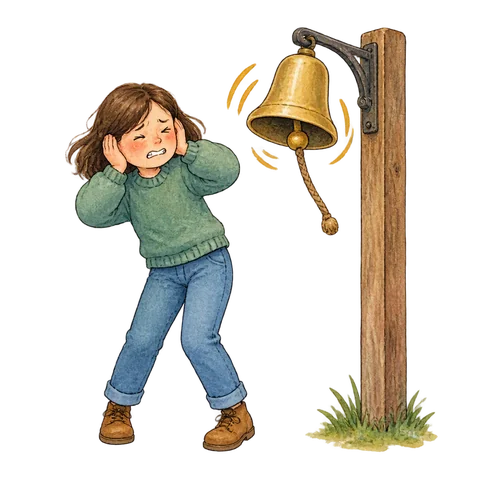
掩耳盗铃
yǎn ěr dào líng
Deceive yourself by pretending an obvious problem does not exist.
Literally: Cover your ears while stealing a bell.
Closest English expression: Bury your head in the sand.
Critical; emphasizes self-deception. · Standard Mandarin; simplified writing.
In a sentence
 Source note
虎虎
mǎ mǎ hū hū
So-so, or careless and insufficiently thorough, depending on context.
Literally: Horse horse, tiger tiger.
Closest English expression: So-so; slapdash.
Conversational; a modest answer about one's own performance can mean just okay. · Standard Mandarin; simplified writing.
In a sentence
 Source note
糟
luàn qī bā zāo
Chaotic, untidy or badly disorganized.
Literally: A muddle of sevens and eights.
Closest English expression: A complete mess.
Conversational; negative. · Standard Mandarin; simplified writing.
In a sentence
 Source note
上下
qī shàng bā xià
Feel unsettled and anxious.
Literally: Seven up, eight down.
Closest English expression: Have butterflies in your stomach.
Commonly used with 心里, in one's heart. · Standard Mandarin; simplified writing.
In a sentence
 Source note
大一惊
dà chī yī jīng
Be very surprised or startled.
Literally: Take in a great surprise.
Closest English expression: Get quite a shock.
Neutral; can describe good or bad news. · Standard Mandarin; simplified writing.
In a sentence
 Source note
恍然大悟
huǎng rán dà wù
Suddenly understand something that was previously unclear.
Literally: Suddenly reach a great understanding.
Closest English expression: The penny drops.
Neutral; describes a moment of realization. · Standard Mandarin; simplified writing.
In a sentence
 Source note
自言自语
zì yán zì yǔ
Talk aloud to yourself.
Literally: Speak to oneself, talk to oneself.
Closest English expression: Talk to yourself.
Neutral; an established fixed expression with a relatively transparent meaning. · Standard Mandarin; simplified writing.
In a sentence
 Source note
小题大做
xiǎo tí dà zuò
Make too much of a minor matter.
Literally: Make a big composition on a small topic.
Closest English expression: Make a mountain out of a molehill.
Critical; can dismiss another person's concern. · Standard Mandarin; simplified writing.
In a sentence
 Source note
上
xuě shàng jiā shuāng
Make an already difficult situation worse.
Literally: Add frost on top of snow.
Closest English expression: Add insult to injury.
Neutral; concerns worsening trouble rather than literal cold. · Standard Mandarin; simplified writing.
In a sentence
 Source note
锦上添
jǐn shàng tiān huā
Make something good even better.
Literally: Add flowers to fine brocade.
Closest English expression: The icing on the cake.
Positive; contrasts with helping in a crisis. · Standard Mandarin; simplified writing.
In a sentence
 Source note
入乡随俗
rù xiāng suí sú
Adapt to local customs when visiting or living somewhere.
Literally: Enter a place and follow its customs.
Closest English expression: When in Rome, do as the Romans do.
Neutral advice; does not require accepting every practice uncritically. · Standard Mandarin; simplified writing.
In a sentence
 Source note
熟能生巧
shú néng shēng qiǎo
Repeated practice develops ability.
Literally: Familiarity can produce skill.
Closest English expression: Practice makes perfect.
Encouraging; skill takes repetition. · Standard Mandarin; simplified writing.
In a sentence
 Source note
不可思议
bù kě sī yì
Extremely surprising or hard to imagine.
Literally: Beyond thinking or discussing.
Closest English expression: Unbelievable.
Neutral; expresses amazement, not necessarily disbelief. · Standard Mandarin; simplified writing.
In a sentence
 Source note
Explore these words: Time & dates (flashcards) · Numbers (flashcards) · Animals (flashcards)
Put these words into context with a story at your level.
Read Chinese storiesChinese idioms about learning
These fixed expressions describe study, understanding and the limits of theory.

温故
wēn gù zhī xīn
Gain fresh understanding by reviewing what you have learned.
Literally: Review the old and know the new.
Closest English expression: Find new insights in old lessons.
Often used in study and teaching; comes from the Analects. · Standard Mandarin; simplified writing.
In a sentence
举一反
jǔ yī fǎn sān
Apply one example to understand other related cases.
Literally: Raise one corner and infer the other three.
Closest English expression: Generalize from an example.
Positive; describes flexible understanding. · Standard Mandarin; simplified writing.
In a sentence
不耻下
bù chǐ xià wèn
Be willing to learn from people of lower status or less seniority.
Literally: Do not feel ashamed to ask those below you.
Closest English expression: Be humble enough to ask.
Approving; the historical hierarchy is part of the expression. · Standard Mandarin; simplified writing.
In a sentence
勤学苦
qín xué kǔ liàn
Develop a skill through sustained study and practice.
Literally: Study diligently and practice hard.
Closest English expression: Put in the practice.
Approving; transparent four-character set expression. · Standard Mandarin; simplified writing.
In a sentence
一解
yī zhī bàn jiě
Have only a shallow or incomplete understanding.
Literally: Know one part and understand half.
Closest English expression: Know only the half of it.
Critical or self-deprecating. · Standard Mandarin; simplified writing.
In a sentence
融会贯通
róng huì guàn tōng
Connect separate pieces of knowledge into a coherent understanding.
Literally: Blend, gather and connect throughout.
Closest English expression: Put the whole picture together.
Approving; often used of learning or expertise. · Standard Mandarin; simplified writing.
In a sentence
以致
xué yǐ zhì yòng
Apply what you have learned.
Literally: Learn in order to put into use.
Closest English expression: Put learning into practice.
Neutral to positive; common in education. · Standard Mandarin; simplified writing.
In a sentence
循序渐进
xún xù jiàn jìn
Make progress step by step in a suitable sequence.
Literally: Follow the order and advance gradually.
Closest English expression: Take it step by step.
Neutral advice for learning or work. · Standard Mandarin; simplified writing.
In a sentence
纸上谈兵
zhǐ shàng tán bīng
Discuss theories without the practical experience needed to use them.
Literally: Discuss warfare on paper.
Closest English expression: An armchair exercise.
Critical; not a rejection of theory itself. · Standard Mandarin; simplified writing.
In a sentence
博多才
bó xué duō cái
Be knowledgeable and talented in many areas.
Literally: Broad learning and many talents.
Closest English expression: A person of many talents.
Complimentary; slightly formal. · Standard Mandarin; simplified writing.
In a sentence
Explore these words: School & university (flashcards) · Numbers (flashcards) · Question words
Put these words into context with a story at your level.
Read Chinese storiesChinese idioms for work and effort
Use these expressions to discuss workload, care and practical effort.

事功倍
shì bàn gōng bèi
Achieve much more through an effective approach.
Literally: Half the work, twice the result.
Closest English expression: Work smarter.
Positive; contrasts with 事倍功半. · Standard Mandarin; simplified writing.
In a sentence
事倍功
shì bèi gōng bàn
Put in much effort for a disappointing result.
Literally: Twice the work, half the result.
Closest English expression: Work hard to little effect.
Negative; often describes an inefficient method. · Standard Mandarin; simplified writing.
In a sentence
全力以赴
quán lì yǐ fù
Give a task your full effort.
Literally: Go toward it with all your strength.
Closest English expression: Give it your all.
Positive; common in work and sport. · Standard Mandarin; simplified writing.
In a sentence
精益求精
jīng yì qiú jīng
Keep improving work that is already good.
Literally: Seek even greater refinement in what is already fine.
Closest English expression: Keep raising the standard.
Approving; common for craftsmanship. · Standard Mandarin; simplified writing.
In a sentence
一丝不苟
yī sī bù gǒu
Be meticulous and attentive to detail.
Literally: Not careless about even a thread.
Closest English expression: Leave nothing to chance.
Complimentary. · Standard Mandarin; simplified writing.
In a sentence
有条不紊
yǒu tiáo bù wěn
Proceed in a well-organized, orderly way.
Literally: Have an order without disorder.
Closest English expression: Have everything under control.
Positive. · Standard Mandarin; simplified writing.
In a sentence
脚
shǒu máng jiǎo luàn
Become flustered and unable to organize your actions.
Literally: Busy hands and confused feet.
Closest English expression: Run around in a panic.
Conversational; often describes a temporary state. · Standard Mandarin; simplified writing.
In a sentence
心意
sān xīn èr yì
Be distracted or fail to commit to one course.
Literally: Three hearts and two intentions.
Closest English expression: Have your mind on too many things.
Critical. · Standard Mandarin; simplified writing.
In a sentence
脚踏实
jiǎo tà shí dì
Act practically and work steadily.
Literally: Put your feet on solid ground.
Closest English expression: Keep your feet on the ground.
Approving. · Standard Mandarin; simplified writing.
In a sentence
不懈
jiān chí bù xiè
Continue making an effort without giving up.
Literally: Persist without slackening.
Closest English expression: Keep at it.
Approving. · Standard Mandarin; simplified writing.
In a sentence
Explore these words: Quantities & measurements (flashcards) · Numbers (flashcards) · Time & dates (flashcards)
Put these words into context with a story at your level.
Read Chinese storiesChinese idioms about people and relationships
These expressions describe friendship, cooperation and social friction.

一如故
yī jiàn rú gù
Feel immediately comfortable with someone you have just met.
Literally: Meet once as if old acquaintances.
Closest English expression: Hit it off at once.
Positive; not necessarily romantic. · Standard Mandarin; simplified writing.
In a sentence
志同道合
zhì tóng dào hé
Share goals and convictions.
Literally: The same aspirations and a compatible path.
Closest English expression: Be like-minded.
Positive. · Standard Mandarin; simplified writing.
In a sentence
同甘共苦
tóng gān gòng kǔ
Share both good times and hardships.
Literally: Share sweetness and bitterness.
Closest English expression: Through thick and thin.
Warm and approving. · Standard Mandarin; simplified writing.
In a sentence
患之交
huàn nàn zhī jiāo
A friend who has shared and endured difficult times with you.
Literally: A friendship formed through hardship.
Closest English expression: A friend through adversity.
Positive; a noun phrase. · Standard Mandarin; simplified writing.
In a sentence
将心比心
jiāng xīn bǐ xīn
Consider how another person feels by imagining yourself in their place.
Literally: Compare your heart with another heart.
Closest English expression: Put yourself in their shoes.
Empathetic advice. · Standard Mandarin; simplified writing.
In a sentence
中送炭
xuě zhōng sòng tàn
Provide timely help when someone really needs it.
Literally: Send charcoal in the snow.
Closest English expression: Help in someone's hour of need.
Strongly appreciative. · Standard Mandarin; simplified writing.
In a sentence
众志成城
zhòng zhì chéng chéng
People acting together have great strength.
Literally: Many united wills form a fortress.
Closest English expression: Strength in unity.
Rousing; often public or collective language. · Standard Mandarin; simplified writing.
In a sentence
齐心协力
qí xīn xié lì
Work together toward a shared aim.
Literally: Unite hearts and combine strength.
Closest English expression: Pull together.
Positive; useful in everyday teamwork. · Standard Mandarin; simplified writing.
In a sentence
抒己见
gè shū jǐ jiàn
Let each person contribute their opinion.
Literally: Each expresses their own view.
Closest English expression: Everyone has their say.
Neutral to positive; discussion context. · Standard Mandarin; simplified writing.
In a sentence
不约而同
bù yuē ér tóng
Do or say the same thing without planning it together.
Literally: Be the same without making an arrangement.
Closest English expression: Have the same idea at the same time.
Neutral. · Standard Mandarin; simplified writing.
In a sentence
Explore these words: Numbers (flashcards) · Time & dates (flashcards) · Family & relationships (flashcards)
Put these words into context with a story at your level.
Read Chinese storiesChinese idioms for feelings
Emotion often becomes a physical image. Match the strength of the expression to the situation.

心怒放
xīn huā nù fàng
Feel intensely delighted.
Literally: The heart's flowers burst into bloom.
Closest English expression: Be over the moon.
Expressive and positive. · Standard Mandarin; simplified writing.
In a sentence
出望外
xǐ chū wàng wài
Be delighted by an unexpectedly good outcome.
Literally: Joy beyond what was expected.
Closest English expression: Be pleasantly surprised.
Positive. · Standard Mandarin; simplified writing.
In a sentence
垂丧气
chuí tóu sàng qì
Look discouraged and dispirited.
Literally: Hang the head and lose spirit.
Closest English expression: Be down in the dumps.
Descriptive; not a diagnosis. · Standard Mandarin; simplified writing.
In a sentence
心如焚
xīn jí rú fén
Be intensely anxious and impatient.
Literally: The heart is as anxious as if burning.
Closest English expression: Be frantic with worry.
Strong emotion. · Standard Mandarin; simplified writing.
In a sentence
心不在焉
xīn bù zài yān
Be mentally elsewhere and inattentive.
Literally: The mind is not there.
Closest English expression: Have your mind elsewhere.
Usually critical or descriptive. · Standard Mandarin; simplified writing.
In a sentence
提心吊胆
tí xīn diào dǎn
Remain afraid that something bad may happen.
Literally: Lift the heart and suspend the gallbladder.
Closest English expression: Be on tenterhooks.
Anxious, often over a period of waiting. · Standard Mandarin; simplified writing.
In a sentence
不得
kū xiào bù dé
Not know whether to be amused or exasperated.
Literally: Unable either to cry or to laugh.
Closest English expression: Not know whether to laugh or cry.
Common reaction to an absurd situation. · Standard Mandarin; simplified writing.
In a sentence
惊弓之
jīng gōng zhī niǎo
Someone made especially fearful by an earlier bad experience.
Literally: A bird frightened by a bow.
Closest English expression: Once bitten, twice shy.
Descriptive; avoid using it to belittle fear. · Standard Mandarin; simplified writing.
In a sentence
胆战心惊
dǎn zhàn xīn jīng
Be extremely frightened.
Literally: The gallbladder trembles and the heart startles.
Closest English expression: Shake with fear.
Strong emotion. · Standard Mandarin; simplified writing.
In a sentence
无忧无虑
wú yōu wú lǜ
Live or feel free from concerns.
Literally: Without sorrow or worry.
Closest English expression: Carefree.
Positive, sometimes nostalgic. · Standard Mandarin; simplified writing.
In a sentence
Explore these words: Emotions & feelings (flashcards) · House & rooms (flashcards) · Time & dates (flashcards)
Put these words into context with a story at your level.
Read Chinese storiesChinese idioms about decisions
These expressions help describe evidence, judgment and timely action.

自相矛盾
zì xiāng máo dùn
Make claims or take positions that contradict one another.
Literally: One's own spear against one's own shield.
Closest English expression: Contradict yourself.
Critical or analytical. · Standard Mandarin; simplified writing.
In a sentence
实事求是
shí shì qiú shì
Base judgment on evidence and the real situation.
Literally: Seek what is true from the actual facts.
Closest English expression: Stick to the facts.
Formal to neutral; also prominent in political language. · Standard Mandarin; simplified writing.
In a sentence
以貌取人
yǐ mào qǔ rén
Judge people primarily by how they look.
Literally: Choose people by their appearance.
Closest English expression: Judge a book by its cover.
Usually criticized or negated. · Standard Mandarin; simplified writing.
In a sentence
道途说
dào tīng tú shuō
Pass on information heard casually without checking it.
Literally: Hear it on the road and repeat it on the way.
Closest English expression: Hearsay.
Negative; can function as a noun or verb phrase. · Standard Mandarin; simplified writing.
In a sentence
胸有成竹
xiōng yǒu chéng zhú
Have a clear plan and confidence before acting.
Literally: Have a finished bamboo painting in your chest.
Closest English expression: Have it all worked out.
Positive; confidence based on preparation. · Standard Mandarin; simplified writing.
In a sentence
量力而行
liàng lì ér xíng
Choose what to do according to your actual ability or resources.
Literally: Assess your strength before acting.
Closest English expression: Know your limits.
Practical advice; 量 is read liàng here. · Standard Mandarin; simplified writing.
In a sentence
因制宜
yīn dì zhì yí
Adapt methods to local conditions.
Literally: Set what is suitable according to the place.
Closest English expression: Fit the approach to the setting.
Neutral; planning and practical work. · Standard Mandarin; simplified writing.
In a sentence
随机应
suí jī yìng biàn
Adjust flexibly as circumstances change.
Literally: Respond to changes according to the occasion.
Closest English expression: Think on your feet.
Usually approving. · Standard Mandarin; simplified writing.
In a sentence
思而行
sān sī ér xíng
Consider an action carefully before taking it.
Literally: Think three times before acting.
Closest English expression: Think before you act.
Advice; three stresses repeated thought, not a required count. · Standard Mandarin; simplified writing.
In a sentence
当机立断
dāng jī lì duàn
Act decisively when the situation calls for it.
Literally: Make a decision immediately at the crucial moment.
Closest English expression: Make the call.
Approving; contrasts with prolonged hesitation. · Standard Mandarin; simplified writing.
In a sentence
Explore these words: Numbers (flashcards) · Time & dates (flashcards) · Crime & law
Put these words into context with a story at your level.
Read Chinese storiesChinese idioms for change and setbacks
Some changes develop naturally; others call for another attempt.

渠成
shuǐ dào qú chéng
A result comes naturally once the necessary conditions are ready.
Literally: When water arrives, a channel forms.
Closest English expression: Fall into place.
Positive; preparation is implied. · Standard Mandarin; simplified writing.
In a sentence
柳暗明
liǔ àn huā míng
A promising turn appears after difficulty; also a spring landscape.
Literally: Dark willows and bright flowers.
Closest English expression: See light at the end of the tunnel.
Literary image used in ordinary discussion. · Standard Mandarin; simplified writing.
In a sentence
日异
rì xīn yuè yì
Change and develop rapidly.
Literally: New by the day, different by the month.
Closest English expression: Change by the day.
Often positive; technology and social development. · Standard Mandarin; simplified writing.
In a sentence
翻天覆地
fān tiān fù dì
Describe enormous, far-reaching change.
Literally: Turn over heaven and overturn earth.
Closest English expression: Turn everything upside down.
Emphatic; can be positive or negative. · Standard Mandarin; simplified writing.
In a sentence
来之不易
lái zhī bù yì
A result or possession was hard won.
Literally: It did not come easily.
Closest English expression: Hard-earned.
Appreciative. · Standard Mandarin; simplified writing.
In a sentence
失而复得
shī ér fù dé
Recover something that had been lost.
Literally: Lose it and then get it back.
Closest English expression: Lost and found again.
Neutral to joyful; transparent set expression. · Standard Mandarin; simplified writing.
In a sentence
乎意料
chū hū yì liào
Happen in a way you did not anticipate.
Literally: Go beyond what was expected.
Closest English expression: Take you by surprise.
Neutral; good or bad. · Standard Mandarin; simplified writing.
In a sentence
无中生有
wú zhōng shēng yǒu
Invent a claim without any factual basis.
Literally: Create something from nothing.
Closest English expression: Make it up out of thin air.
Usually accusatory; not a compliment about creativity in ordinary use. · Standard Mandarin; simplified writing.
In a sentence
功亏一篑
gōng kuī yī kuì
Fail just before completing a task because the final effort is missing.
Literally: Fail for want of the final basket of earth.
Closest English expression: Fall at the last hurdle.
Regretful; 篑 is an earth-carrying basket. · Standard Mandarin; simplified writing.
In a sentence
东起
dōng shān zài qǐ
Regain a position or resume a career after a setback.
Literally: Rise again from the Eastern Mountain.
Closest English expression: Make a comeback.
Usually approving or neutral; historical allusion, not literal direction. · Standard Mandarin; simplified writing.
In a sentence
Explore these words: Time & dates (flashcards) · Drinks (flashcards) · Directions & position (flashcards)
Put these words into context with a story at your level.
Read Chinese storiesChinese proverbs and traditional sayings
These sayings make a general observation or offer advice. They are listed separately from the main idiom bank.

百闻不如见
bǎi wén bù rú yī jiàn
Direct experience can be more convincing than repeated reports.
Literally: Hearing a hundred times is not as good as seeing once.
Closest English expression: Seeing is believing.
Traditional saying; not a guarantee that appearances are reliable. · Standard Mandarin; simplified writing.
In a sentence
欲速则不达
yù sù zé bù dá
Excessive haste can prevent success.
Literally: Want speed, and you will not arrive.
Closest English expression: More haste, less speed.
Classical saying from the Analects. · Standard Mandarin; simplified writing.
In a sentence
己所不欲,勿施于人
jǐ suǒ bù yù, wù shī yú rén
Treat others with the consideration you would want.
Literally: Do not impose on others what you do not desire yourself.
Closest English expression: Do as you would be done by.
Classical ethical saying from the Analects. · Standard Mandarin; simplified writing.
In a sentence
千里之行,始于足下
qiān lǐ zhī xíng, shǐ yú zú xià
A large undertaking starts with a first practical step.
Literally: A journey of a thousand li begins beneath your feet.
Closest English expression: Every journey begins with a single step.
Classical saying from the Dao De Jing; li is a distance unit. · Standard Mandarin; simplified writing.
In a sentence
外,人外有人
tiān wài yǒu tiān, rén wài yǒu rén
There is always someone more capable, so remain humble.
Literally: Beyond the sky is another sky; beyond a person is another person.
Closest English expression: There is always someone better.
A reminder against overconfidence. · Standard Mandarin; simplified writing.
In a sentence
路遥知力,日久见人心
lù yáo zhī mǎ lì, rì jiǔ jiàn rén xīn
Time and experience show character.
Literally: A long road reveals a horse's strength; long days reveal a person's heart.
Closest English expression: Time will tell who someone is.
Traditional saying; patient assessment of people. · Standard Mandarin; simplified writing.
In a sentence
众人拾柴火焰高
zhòng rén shí chái huǒ yàn gāo
Shared effort makes a larger result possible.
Literally: When everyone gathers firewood, the flame rises high.
Closest English expression: Many hands make light work.
Encouraging collective effort. · Standard Mandarin; simplified writing.
In a sentence
吃一堑,长一智
chī yī qiàn, zhǎng yī zhì
Learn from an unpleasant experience.
Literally: Suffer a setback and gain a measure of wisdom.
Closest English expression: Live and learn.
Consoling or reflective; 长 is zhǎng here. · Standard Mandarin; simplified writing.
In a sentence
多磨
hǎo shì duō mó
A desirable outcome may require enduring repeated difficulties.
Literally: Good things meet many obstacles.
Closest English expression: Good things do not always come easily.
Consoling; also a four-character idiom used as a saying. · Standard Mandarin; simplified writing.
In a sentence
失败是成功之母
shī bài shì chéng gōng zhī mǔ
Failure can teach lessons that contribute to later success.
Literally: Failure is the mother of success.
Closest English expression: Learn from failure.
Modern familiar saying; no named author or ancient origin is asserted. · Standard Mandarin; simplified writing.
In a sentence
Explore these words: Time & dates (flashcards) · Quantities & measurements (flashcards) · Nature & landscape (flashcards)
Put these words into context with a story at your level.
Read Chinese storiesPractice Chinese idioms in context
- Choose one expression and picture its literal scene.
- Read the example, then identify the intended meaning and tone.
- Say a new sentence about a real situation.
- Return tomorrow and recall the expression from its meaning.
Chinese idioms: frequently asked questions
What is a Chinese idiom?
An idiom is an established expression whose intended meaning is not always predictable from its individual words. This guide also labels compact fixed expressions and puts general proverbs in a separate section.
Which Chinese idioms should I learn first?
Start with the 20 essential expressions, then choose a theme you often discuss. Learn each one with its example and register note rather than memorizing only the English equivalent.
Are the literal translations the actual meanings?
No. The literal line explains the image in the words. The meaning explains what a speaker communicates. An English equivalent is only an approximate comparison and may have a different tone.
Can I use these expressions in formal writing?
Some suit essays or presentations; others are conversational, blunt or playful. Follow the register note and avoid expressions that criticize a person when you need a neutral professional tone.
Are idioms and proverbs the same thing?
They overlap, but a proverb normally makes a general observation or gives advice. An idiom often fits inside a larger sentence. Traditional four-character expressions can function in more than one way.
How do I remember idioms without translating word by word?
Connect the image to a situation, read the original example aloud, then write a new example about your own life. Review the situation and retrieve the expression before looking at the English.
Are these invented expressions or attributed quotations?
The entries are established expressions checked against dictionary or published learning references. The practice sentences and English explanations are original. Proverbs are not assigned a famous author without evidence.
Are all Chinese idioms four characters long?
Many chengyu have four characters, but fixed expressions can be longer. This guide separates 80 chengyu and fixed expressions from 10 proverbs and traditional sayings; a saying can also be classified as a chengyu in a dictionary.
What are some popular Chinese sayings?
Common examples express the ideas of practicing until a skill becomes natural, adapting to local customs, or taking one step at a time. Start with the essential list and read the context for each expression; an idiom can sound awkward if its situation or tone does not fit.
Make these words part of your day
Explore Chinese stories, listen along, and save vocabulary as you go.
Find a story at your levelSources and verification
English translations and examples were written for this guide. Source notes distinguish documented expressions, original practice sentences, and literary quotations. Literary excerpts retain the language of their original period.
- Han Dian: 画蛇添足 — Headword pronunciation and established meaning; example sentence and English explanation here are original.
- Han Dian: 井底之蛙 — Headword pronunciation and established meaning; example sentence and English explanation here are original.
- Han Dian: 对牛弹琴 — Headword pronunciation and established meaning; example sentence and English explanation here are original.
- Han Dian: 一举两得 — Headword pronunciation and established meaning; example sentence and English explanation here are original.
- Han Dian: 半途而废 — Headword pronunciation and established meaning; example sentence and English explanation here are original.
- Han Dian: 亡羊补牢 — Headword pronunciation and established meaning; example sentence and English explanation here are original.
- Han Dian: 守株待兔 — Headword pronunciation and established meaning; example sentence and English explanation here are original.
- Han Dian: 掩耳盗铃 — Headword pronunciation and established meaning; example sentence and English explanation here are original.
- Han Dian: 马马虎虎 — Headword pronunciation and established meaning; example sentence and English explanation here are original.
- Han Dian: 乱七八糟 — Headword pronunciation and established meaning; example sentence and English explanation here are original.
- Han Dian: 七上八下 — Headword pronunciation and established meaning; example sentence and English explanation here are original.
- Han Dian: 大吃一惊 — Headword pronunciation and established meaning; example sentence and English explanation here are original.
- Han Dian: 恍然大悟 — Headword pronunciation and established meaning; example sentence and English explanation here are original.
- Han Dian: 自言自语 — Headword pronunciation and established meaning; example sentence and English explanation here are original.
- Han Dian: 小题大做 — Headword pronunciation and established meaning; example sentence and English explanation here are original.
- Han Dian: 雪上加霜 — Headword pronunciation and established meaning; example sentence and English explanation here are original.
- Han Dian: 锦上添花 — Headword pronunciation and established meaning; example sentence and English explanation here are original.
- Han Dian: 入乡随俗 — Headword pronunciation and established meaning; example sentence and English explanation here are original.
- Han Dian: 熟能生巧 — Headword pronunciation and established meaning; example sentence and English explanation here are original.
- Han Dian: 不可思议 — Headword pronunciation and established meaning; example sentence and English explanation here are original.
- Han Dian: 温故知新 — Headword pronunciation and established meaning; example sentence and English explanation here are original.
- Han Dian: 举一反三 — Headword pronunciation and established meaning; example sentence and English explanation here are original.
- Han Dian: 不耻下问 — Headword pronunciation and established meaning; example sentence and English explanation here are original.
- Han Dian: 勤学苦练 — Headword pronunciation and established meaning; example sentence and English explanation here are original.
- Han Dian: 一知半解 — Headword pronunciation and established meaning; example sentence and English explanation here are original.
- Han Dian: 融会贯通 — Headword pronunciation and established meaning; example sentence and English explanation here are original.
- Han Dian: 学以致用 — Headword pronunciation and established meaning; example sentence and English explanation here are original.
- Han Dian: 循序渐进 — Headword pronunciation and established meaning; example sentence and English explanation here are original.
- Han Dian: 纸上谈兵 — Headword pronunciation and established meaning; example sentence and English explanation here are original.
- Han Dian: 博学多才 — Headword pronunciation and established meaning; example sentence and English explanation here are original.
- Han Dian: 事半功倍 — Headword pronunciation and established meaning; example sentence and English explanation here are original.
- Han Dian: 事倍功半 — Headword pronunciation and established meaning; example sentence and English explanation here are original.
- Han Dian: 全力以赴 — Headword pronunciation and established meaning; example sentence and English explanation here are original.
- Han Dian: 精益求精 — Headword pronunciation and established meaning; example sentence and English explanation here are original.
- Han Dian: 一丝不苟 — Headword pronunciation and established meaning; example sentence and English explanation here are original.
- Han Dian: 有条不紊 — Headword pronunciation and established meaning; example sentence and English explanation here are original.
- Han Dian: 手忙脚乱 — Headword pronunciation and established meaning; example sentence and English explanation here are original.
- Han Dian: 三心二意 — Headword pronunciation and established meaning; example sentence and English explanation here are original.
- Han Dian: 脚踏实地 — Headword pronunciation and established meaning; example sentence and English explanation here are original.
- Han Dian: 坚持不懈 — Headword pronunciation and established meaning; example sentence and English explanation here are original.
- Han Dian: 一见如故 — Headword pronunciation and established meaning; example sentence and English explanation here are original.
- Han Dian: 志同道合 — Headword pronunciation and established meaning; example sentence and English explanation here are original.
- Han Dian: 同甘共苦 — Headword pronunciation and established meaning; example sentence and English explanation here are original.
- Han Dian: 患难之交 — Headword pronunciation and established meaning; example sentence and English explanation here are original.
- Han Dian: 将心比心 — Headword pronunciation and established meaning; example sentence and English explanation here are original.
- Han Dian: 雪中送炭 — Headword pronunciation and established meaning; example sentence and English explanation here are original.
- Han Dian: 众志成城 — Headword pronunciation and established meaning; example sentence and English explanation here are original.
- Han Dian: 齐心协力 — Headword pronunciation and established meaning; example sentence and English explanation here are original.
- Han Dian: 各抒己见 — Headword pronunciation and established meaning; example sentence and English explanation here are original.
- Han Dian: 不约而同 — Headword pronunciation and established meaning; example sentence and English explanation here are original.
- Han Dian: 心花怒放 — Headword pronunciation and established meaning; example sentence and English explanation here are original.
- Han Dian: 喜出望外 — Headword pronunciation and established meaning; example sentence and English explanation here are original.
- Han Dian: 垂头丧气 — Headword pronunciation and established meaning; example sentence and English explanation here are original.
- Han Dian: 心急如焚 — Headword pronunciation and established meaning; example sentence and English explanation here are original.
- Han Dian: 心不在焉 — Headword pronunciation and established meaning; example sentence and English explanation here are original.
- Han Dian: 提心吊胆 — Headword pronunciation and established meaning; example sentence and English explanation here are original.
- Han Dian: 哭笑不得 — Headword pronunciation and established meaning; example sentence and English explanation here are original.
- Han Dian: 惊弓之鸟 — Headword pronunciation and established meaning; example sentence and English explanation here are original.
- Han Dian: 胆战心惊 — Headword pronunciation and established meaning; example sentence and English explanation here are original.
- Han Dian: 无忧无虑 — Headword pronunciation and established meaning; example sentence and English explanation here are original.
- Han Dian: 自相矛盾 — Headword pronunciation and established meaning; example sentence and English explanation here are original.
- Han Dian: 实事求是 — Headword pronunciation and established meaning; example sentence and English explanation here are original.
- Han Dian: 以貌取人 — Headword pronunciation and established meaning; example sentence and English explanation here are original.
- Han Dian: 道听途说 — Headword pronunciation and established meaning; example sentence and English explanation here are original.
- Han Dian: 胸有成竹 — Headword pronunciation and established meaning; example sentence and English explanation here are original.
- Han Dian: 量力而行 — Headword pronunciation and established meaning; example sentence and English explanation here are original.
- Han Dian: 因地制宜 — Headword pronunciation and established meaning; example sentence and English explanation here are original.
- Han Dian: 随机应变 — Headword pronunciation and established meaning; example sentence and English explanation here are original.
- Han Dian: 三思而行 — Headword pronunciation and established meaning; example sentence and English explanation here are original.
- Han Dian: 当机立断 — Headword pronunciation and established meaning; example sentence and English explanation here are original.
- Han Dian: 水到渠成 — Headword pronunciation and established meaning; example sentence and English explanation here are original.
- Han Dian: 柳暗花明 — Headword pronunciation and established meaning; example sentence and English explanation here are original.
- Han Dian: 日新月异 — Headword pronunciation and established meaning; example sentence and English explanation here are original.
- Han Dian: 翻天覆地 — Headword pronunciation and established meaning; example sentence and English explanation here are original.
- Han Dian: 来之不易 — Headword pronunciation and established meaning; example sentence and English explanation here are original.
- Han Dian: 失而复得 — Headword pronunciation and established meaning; example sentence and English explanation here are original.
- Han Dian: 出乎意料 — Headword pronunciation and established meaning; example sentence and English explanation here are original.
- Han Dian: 无中生有 — Headword pronunciation and established meaning; example sentence and English explanation here are original.
- Han Dian: 功亏一篑 — Headword pronunciation and established meaning; example sentence and English explanation here are original.
- Han Dian: 东山再起 — Headword pronunciation and established meaning; example sentence and English explanation here are original.
- Han Dian: 百闻不如一见 — Headword pronunciation and established meaning; example sentence and English explanation here are original.
- Han Dian: 欲速则不达 — Headword pronunciation and established meaning; example sentence and English explanation here are original.
- Han Dian: 己所不欲,勿施于人 — Headword pronunciation and established meaning; example sentence and English explanation here are original.
- Han Dian: 千里之行,始于足下 — Headword pronunciation and established meaning; example sentence and English explanation here are original.
- Han Dian: 天外有天 — Headword pronunciation and established meaning; example sentence and English explanation here are original.
- Han Dian: 路遥知马力,日久见人心 — Headword pronunciation and established meaning; example sentence and English explanation here are original.
- Han Dian: 众人拾柴火焰高 — Headword pronunciation and established meaning; example sentence and English explanation here are original.
- Han Dian: 吃一堑,长一智 — Headword pronunciation and established meaning; example sentence and English explanation here are original.
- Han Dian: 好事多磨 — Headword pronunciation and established meaning; example sentence and English explanation here are original.
- Han Dian: 失败是成功之母 — Headword pronunciation and established meaning; example sentence and English explanation here are original.
- Taiwan Ministry of Education: beyond one person and one sky — Attests the traditional paired saying in the reverse clause order. This guide uses its common sky-first variant in simplified characters.
Source notes for all 90 entries
- 画蛇添足: Attested dictionary expression; selected sense and example are explained in original English. [zdic-001]
- 井底之蛙: Attested dictionary expression; selected sense and example are explained in original English. [zdic-002]
- 对牛弹琴: Attested dictionary expression; selected sense and example are explained in original English. [zdic-003]
- 一举两得: Attested dictionary expression; selected sense and example are explained in original English. [zdic-004]
- 半途而废: Attested dictionary expression; selected sense and example are explained in original English. [zdic-005]
- 亡羊补牢: Attested dictionary expression; selected sense and example are explained in original English. [zdic-006]
- 守株待兔: Attested dictionary expression; selected sense and example are explained in original English. [zdic-007]
- 掩耳盗铃: Attested dictionary expression; selected sense and example are explained in original English. [zdic-008]
- 马马虎虎: Attested dictionary expression; selected sense and example are explained in original English. [zdic-009]
- 乱七八糟: Attested dictionary expression; selected sense and example are explained in original English. [zdic-010]
- 七上八下: Attested dictionary expression; selected sense and example are explained in original English. [zdic-011]
- 大吃一惊: Attested dictionary expression; selected sense and example are explained in original English. [zdic-012]
- 恍然大悟: Attested dictionary expression; selected sense and example are explained in original English. [zdic-013]
- 自言自语: Attested dictionary expression; selected sense and example are explained in original English. [zdic-014]
- 小题大做: Attested dictionary expression; selected sense and example are explained in original English. [zdic-015]
- 雪上加霜: Attested dictionary expression; selected sense and example are explained in original English. [zdic-016]
- 锦上添花: Attested dictionary expression; selected sense and example are explained in original English. [zdic-017]
- 入乡随俗: Attested dictionary expression; selected sense and example are explained in original English. [zdic-018]
- 熟能生巧: Attested dictionary expression; selected sense and example are explained in original English. [zdic-019]
- 不可思议: Attested dictionary expression; selected sense and example are explained in original English. [zdic-020]
- 温故知新: Attested dictionary expression; selected sense and example are explained in original English. [zdic-021]
- 举一反三: Attested dictionary expression; selected sense and example are explained in original English. [zdic-022]
- 不耻下问: Attested dictionary expression; selected sense and example are explained in original English. [zdic-023]
- 勤学苦练: Attested dictionary expression; selected sense and example are explained in original English. [zdic-024]
- 一知半解: Attested dictionary expression; selected sense and example are explained in original English. [zdic-025]
- 融会贯通: Attested dictionary expression; selected sense and example are explained in original English. [zdic-026]
- 学以致用: Attested dictionary expression; selected sense and example are explained in original English. [zdic-027]
- 循序渐进: Attested dictionary expression; selected sense and example are explained in original English. [zdic-028]
- 纸上谈兵: Attested dictionary expression; selected sense and example are explained in original English. [zdic-029]
- 博学多才: Attested dictionary expression; selected sense and example are explained in original English. [zdic-030]
- 事半功倍: Attested dictionary expression; selected sense and example are explained in original English. [zdic-031]
- 事倍功半: Attested dictionary expression; selected sense and example are explained in original English. [zdic-032]
- 全力以赴: Attested dictionary expression; selected sense and example are explained in original English. [zdic-033]
- 精益求精: Attested dictionary expression; selected sense and example are explained in original English. [zdic-034]
- 一丝不苟: Attested dictionary expression; selected sense and example are explained in original English. [zdic-035]
- 有条不紊: Attested dictionary expression; selected sense and example are explained in original English. [zdic-036]
- 手忙脚乱: Attested dictionary expression; selected sense and example are explained in original English. [zdic-037]
- 三心二意: Attested dictionary expression; selected sense and example are explained in original English. [zdic-038]
- 脚踏实地: Attested dictionary expression; selected sense and example are explained in original English. [zdic-039]
- 坚持不懈: Attested dictionary expression; selected sense and example are explained in original English. [zdic-040]
- 一见如故: Attested dictionary expression; selected sense and example are explained in original English. [zdic-041]
- 志同道合: Attested dictionary expression; selected sense and example are explained in original English. [zdic-042]
- 同甘共苦: Attested dictionary expression; selected sense and example are explained in original English. [zdic-043]
- 患难之交: Attested dictionary expression; selected sense and example are explained in original English. [zdic-044]
- 将心比心: Attested dictionary expression; selected sense and example are explained in original English. [zdic-045]
- 雪中送炭: Attested dictionary expression; selected sense and example are explained in original English. [zdic-046]
- 众志成城: Attested dictionary expression; selected sense and example are explained in original English. [zdic-047]
- 齐心协力: Attested dictionary expression; selected sense and example are explained in original English. [zdic-048]
- 各抒己见: Attested dictionary expression; selected sense and example are explained in original English. [zdic-049]
- 不约而同: Attested dictionary expression; selected sense and example are explained in original English. [zdic-050]
- 心花怒放: Attested dictionary expression; selected sense and example are explained in original English. [zdic-051]
- 喜出望外: Attested dictionary expression; selected sense and example are explained in original English. [zdic-052]
- 垂头丧气: Attested dictionary expression; selected sense and example are explained in original English. [zdic-053]
- 心急如焚: Attested dictionary expression; selected sense and example are explained in original English. [zdic-054]
- 心不在焉: Attested dictionary expression; selected sense and example are explained in original English. [zdic-055]
- 提心吊胆: Attested dictionary expression; selected sense and example are explained in original English. [zdic-056]
- 哭笑不得: Attested dictionary expression; selected sense and example are explained in original English. [zdic-057]
- 惊弓之鸟: Attested dictionary expression; selected sense and example are explained in original English. [zdic-058]
- 胆战心惊: Attested dictionary expression; selected sense and example are explained in original English. [zdic-059]
- 无忧无虑: Attested dictionary expression; selected sense and example are explained in original English. [zdic-060]
- 自相矛盾: Attested dictionary expression; selected sense and example are explained in original English. [zdic-061]
- 实事求是: Attested dictionary expression; selected sense and example are explained in original English. [zdic-062]
- 以貌取人: Attested dictionary expression; selected sense and example are explained in original English. [zdic-063]
- 道听途说: Attested dictionary expression; selected sense and example are explained in original English. [zdic-064]
- 胸有成竹: Attested dictionary expression; selected sense and example are explained in original English. [zdic-065]
- 量力而行: Attested dictionary expression; selected sense and example are explained in original English. [zdic-066]
- 因地制宜: Attested dictionary expression; selected sense and example are explained in original English. [zdic-067]
- 随机应变: Attested dictionary expression; selected sense and example are explained in original English. [zdic-068]
- 三思而行: Attested dictionary expression; selected sense and example are explained in original English. [zdic-069]
- 当机立断: Attested dictionary expression; selected sense and example are explained in original English. [zdic-070]
- 水到渠成: Attested dictionary expression; selected sense and example are explained in original English. [zdic-071]
- 柳暗花明: Attested dictionary expression; selected sense and example are explained in original English. [zdic-072]
- 日新月异: Attested dictionary expression; selected sense and example are explained in original English. [zdic-073]
- 翻天覆地: Attested dictionary expression; selected sense and example are explained in original English. [zdic-074]
- 来之不易: Attested dictionary expression; selected sense and example are explained in original English. [zdic-075]
- 失而复得: Attested dictionary expression; selected sense and example are explained in original English. [zdic-076]
- 出乎意料: Attested dictionary expression; selected sense and example are explained in original English. [zdic-077]
- 无中生有: Attested dictionary expression; selected sense and example are explained in original English. [zdic-078]
- 功亏一篑: Attested dictionary expression; selected sense and example are explained in original English. [zdic-079]
- 东山再起: Attested dictionary expression; selected sense and example are explained in original English. [zdic-080]
- 百闻不如一见: Attested dictionary expression; selected sense and example are explained in original English. [zdic-081]
- 欲速则不达: Attested dictionary expression; selected sense and example are explained in original English. [zdic-082]
- 己所不欲,勿施于人: Attested dictionary expression; selected sense and example are explained in original English. [zdic-083]
- 千里之行,始于足下: Attested dictionary expression; selected sense and example are explained in original English. [zdic-084]
- 天外有天,人外有人: Traditional paired saying. The education-ministry dictionary records the reverse clause order; the guide uses a common sky-first order. [zdic-085] [moe-beyond]
- 路遥知马力,日久见人心: Attested dictionary expression; selected sense and example are explained in original English. [zdic-086]
- 众人拾柴火焰高: Attested dictionary expression; selected sense and example are explained in original English. [zdic-087]
- 吃一堑,长一智: Attested dictionary expression; selected sense and example are explained in original English. [zdic-088]
- 好事多磨: Attested dictionary expression; selected sense and example are explained in original English. [zdic-089]
- 失败是成功之母: Attested dictionary expression; selected sense and example are explained in original English. [zdic-090]