
THE INKLINGO LANGUAGE GUIDES
15 Italian Fairy Tales & Fables for Learners
Meet Pinocchio, five imaginative tales by Luigi Capuana and nine classics in Carlo Collodi’s historical Italian translations. Start with the five original A2 retellings, then explore the source openings. “Italian” here describes the reading language: the translated French tales are labeled separately.
Start here
- Pinocchio: The Talking WoodOnce upon a time there was a piece of wood.
- CinderellaShe had two daughters with the same character as hers, who resembled her like two drops of water.
- Puss in BootsThe eldest received the mill. The second, the donkey.
- Beauty and the BeastOnce upon a time there was a merchant who was extremely rich.
- The Golden OrangesNo kind of tree was missing; but the rarest and most prized was the one that produced golden oranges.
- Little Red Riding HoodOnce upon a time in a village there was a girl, the prettiest one you could ever see.
- The FairiesOnce upon a time there was a widow who had two daughters.
- SunbeamSunbeam, sunbeam, you will be queen if God wills it!
- The Black EggOnce upon a time there was an old woman who lived on alms.
- The Talking TreeOnce upon a time there was a king who believed he had collected all the rarest things in the world in his palace.
Italian Fairy Tales for Beginners
Five familiar or short adventures have a complete graded reading below their source quotation.
Pinocchio: The Talking Wood
era volta di .
Once upon a time there was a piece of wood.
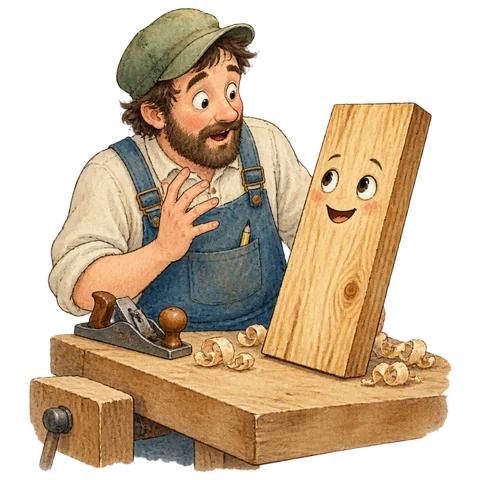
A carpenter discovers that an ordinary piece of wood can speak, cry and laugh. This opening begins the novel about the puppet Pinocchio.
Cultural note: Collodi turns the familiar fairy-tale opening upside down: the story begins with wood, not a king.
An A2 retelling to read and listen to
Original Inklingo A2 retelling of chapter 1 only, not a summary of the whole novel. Historical violence is stated briefly; no later Pinocchio episodes are added.
C’è un pezzo di nella bottega di un vecchio . Non è un prezioso: sembra un pezzo normale, buono per il fuoco. Il si chiama Antonio, ma tutti lo chiamano maestro . La punta del suo è rossa e lucida come una matura.
Maestro guarda il ed è contento. Vuole usarlo per fare una di tavolino. Prende la sua e alza il braccio. Ma prima del colpo sente una voce piccola. La voce gli chiede di non colpire troppo forte. Il si ferma e guarda intorno, molto sorpreso.
Chi parla? Nella non c’è nessuno. Il vecchio guarda sotto il banco, dentro l’armadio e nel cesto. Poi apre la porta e guarda anche la strada. Non vede nessun bambino. quella voce esiste nella sua testa. Ride un poco e decide di tornare al suo lavoro.
Questa volta colpisce il . Subito la voce grida di dolore. Maestro ha paura: tiene la bocca aperta e non sa cosa dire. Il sembra davvero parlare come un bambino. Il vecchio lo prende e lo batte contro le . Poi aspetta in silenzio, ma non sente più nulla.
Finalmente prende la pialla. Vuole rendere il , così muove lo strumento avanti e indietro. Ora la piccola voce ride: il lavoro gli fa il solletico! Per lo spavento, maestro cade a terra. Quando apre gli occhi, è ancora nella bottega, vicino a quel pezzo di davvero molto .
Intermediate
— Carlo Collodi (1826–1890), Le avventure di Pinocchio, chapter 1 (1881–1883)
 Source note
Cinderella
Ella aveva due figlie dello del suo, e che la somigliavano come due gocce d’acqua.
She had two daughters with the same character as hers, who resembled her like two drops of water.
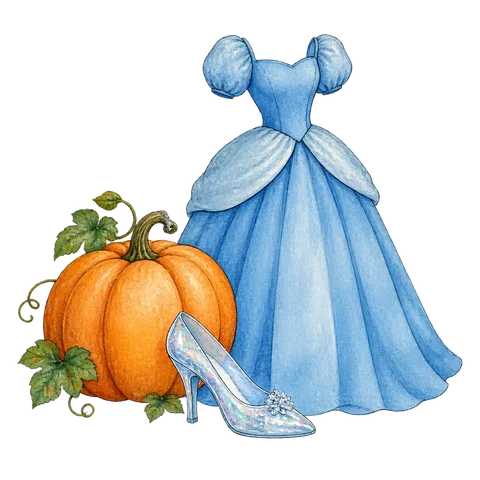
A mistreated girl goes to a royal ball with magical help. A glass slipper allows the prince to find her again.
Cultural note: This is Collodi’s translation of Perrault, with a fairy godmother and glass slippers.
An A2 retelling to read and listen to
Original Inklingo graded retelling of the cited tale, with simplified present-tense narration and an English translation for each paragraph.
Cenerentola vive con una matrigna e due sorellastre. In casa deve lavorare molto: pulisce le , lava i piatti e aiuta le altre a vestirsi. Le hanno bei vestiti, mentre lei porta abiti poveri. La si siede vicino al fuoco, tra la cenere. Per questo la chiamano Cenerentola.
Un il figlio del re organizza un ballo. Le si con grande cura. Cenerentola le aiuta, ma vorrebbe andare anche lei. Quando le altre partono, piange. La sua madrina, che è una , le chiede il motivo. Poi le promette un aiuto e le fa portare una zucca.
Con la magia, la zucca una carrozza. Piccoli e servitori. Anche i vestiti di Cenerentola cambiano: ora sono magnifici. La le dà due scarpette di vetro, ma dice una cosa . Deve tornare prima di , perché a quell’ora tutti questi doni perdono la loro forma .
Al ballo il principe la guarda con ammirazione e balla con lei. Nessuno sa chi sia la bella ragazza. Cenerentola parte in tempo, ma torna per un altro ballo. Questa volta l’ora. Quando sente , corre via in fretta. Sulle scale perde una scarpetta, che il principe raccoglie .
Il principe cerca la ragazza a cui appartiene la scarpetta. Molte giovani la provano, ma non va bene a nessuna. Anche Cenerentola vuole provare. La entra , e lei mostra l’altra. Le capiscono tutto. Cenerentola le perdona e sposa il principe. La sua , anche quando la sua vita cambia.
Intermediate
— Charles Perrault; Italian translation by Carlo Collodi (1628–1703; 1826–1890), Cenerentola, in I racconti delle fate (1875)
 Source note
Puss in Boots
Il maggiore ebbe il . Il secondo, l’.
The eldest received the mill. The second, the donkey.
A clever cat turns a poor young man into the supposed Marquis of Carabas through gifts, bold lies and a trick played on an ogre.
Cultural note: The cat’s cleverness drives the plot; its success is not a recommendation to deceive people.
An A2 retelling to read and listen to
Original Inklingo graded retelling of the cited tale, with simplified present-tense narration and an English translation for each paragraph.
Un mugnaio muore e lascia cose ai suoi figli: un , un e un . Il figlio più giovane il ed è molto . Come può con un’eredità così piccola? Il però parla. Chiede al ragazzo un sacco e un paio di .
Con questi oggetti, il parte per la . Cattura e li porta al re come del suo padrone. Dice che il padrone è il marchese di Carabà. Questo è inventato, ma il re non lo sa. Dopo molti doni, comincia a conoscere il nome di quel signore.
Un il re passa vicino a un con sua . Il giovane è nell’acqua, e il nasconde i suoi vestiti. Poi grida e chiede aiuto: secondo lui, alcuni ladri hanno preso gli abiti del marchese. Il re gli fa dare bei vestiti e lo invita nella carrozza reale.
Il corre avanti. Minaccia i contadini e ordina loro di dire che i campi appartengono al marchese. Arriva poi al di un orco. L’orco sa trasformarsi in . Il ammira questo potere, ma finge di non credere che un essere tanto grande possa un topo molto piccolo.
Per dimostrare la sua , l’orco un topo. Il salta e lo mangia. Quando arriva la carrozza, tutti nel del marchese. Il re è impressionato e sua trova il giovane molto piacevole. Il matrimonio arriva presto. Così il cambia la fortuna del padrone con inganni e coraggio.
Intermediate
— Charles Perrault; Italian translation by Carlo Collodi (1628–1703; 1826–1890), Il gatto con gli stivali, in I racconti delle fate (1875)
 Source note
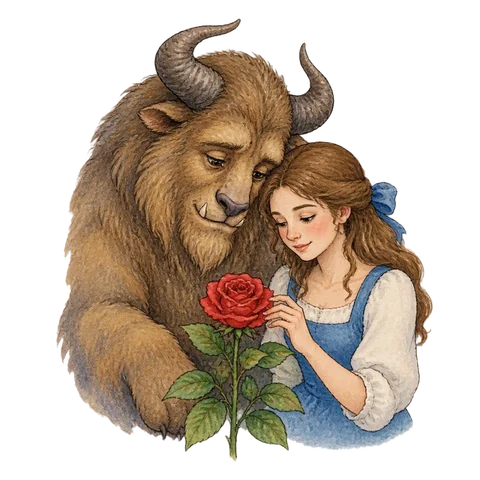
Beauty and the Beast
era volta che era ricco sfondato.
Once upon a time there was a merchant who was extremely rich.
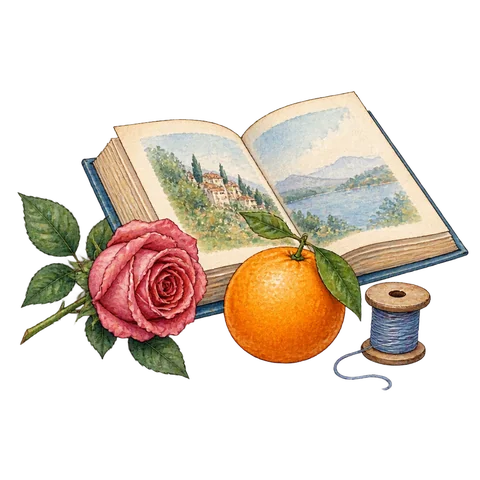
After her father picks a forbidden rose, Beauty goes to the Beast’s palace. Her growing affection eventually breaks an enchantment.
Cultural note: Collodi translates Jeanne-Marie Leprince de Beaumont’s version; this is not an Italian-origin tale.
An A2 retelling to read and listen to
Original Inklingo graded retelling of the cited tale, with simplified present-tense narration and an English translation for each paragraph.
Un vive con i suoi figli. La più giovane si chiama Bella ed è gentile e ama leggere. Quando il padre perde le sue ricchezze, la famiglia va a in . Bella lavora e cerca di aiutarlo. Un il parte per un viaggio, sperando di migliorare la loro .
Al ritorno si perde e trova un grande palazzo. Dentro ci sono e un letto, ma non vede nessuno. La raccoglie una rosa per Bella. allora una Bestia , per quel gesto. Il deve morire, oppure una deve venire al palazzo al posto suo.
Bella decide di andare. Ha paura della Bestia, ma scopre che la tratta con cura. La sua è bella e può leggere molti . Ogni la Bestia viene a e le chiede di sposarlo. Bella dice di no. Con il tempo, però, la sua compagnia per lei.
Bella il padre . La Bestia la lascia partire e lei promette di tornare dopo una . A casa, le gelose la convincono a restare più a lungo. Una notte Bella sogna la Bestia quasi morta in . Capisce di avergli fatto molto male e decide di tornare .
Grazie all’ magico, Bella al palazzo. Cerca la Bestia e la trova a terra vicino al . Gli dice che vuole sposarlo e che non può perderlo. In quel momento l’ finisce: davanti a lei un principe. Bella riconosce in lui il suo , e i due si sposano.
Intermediate
— Jeanne-Marie Leprince de Beaumont; Italian translation by Carlo Collodi (1711–1780; 1826–1890), La bella e la bestia, in I racconti delle fate (1875)
 Source note
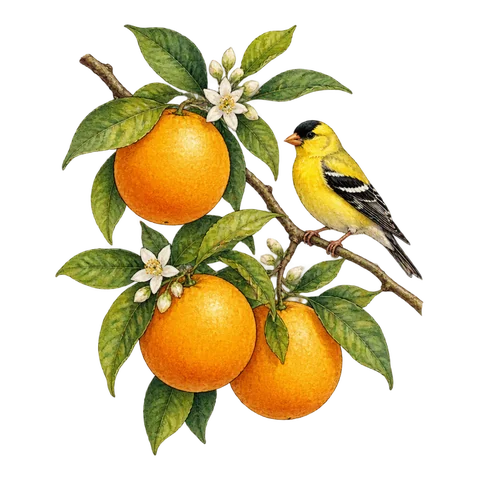
The Golden Oranges
Non vi mancava di sorta; ma il più raro e il più pregiato, era quello che produceva le d’oro.
No kind of tree was missing; but the rarest and most prized was the one that produced golden oranges.
A king repeatedly breaks promises to a peasant who can recover his stolen golden oranges. His daughter’s promise and the peasant’s hidden identity change the outcome.
Cultural note: The tale contrasts the king’s unreliable word with his daughter’s determination to keep hers.
An A2 retelling to read and listen to
Original Inklingo graded retelling of the cited tale, with simplified present-tense narration and an English translation for each paragraph.
Dietro il palazzo di un re c’è un . Un d’oro. Il re le ama molto e fa sorvegliare l’. Ma arriva un cardellino: il suo canto fa dormire la guardia. Al le sono sparite. Anche il principe e il re si addormentano quando provano a sorvegliarle.
Un contadino dice di poter catturare l’. In vuole sposare la principessa. All’inizio il re , ma poi accetta il patto. Il contadino porta il cardellino vivo, come promesso. Il re, però, cambia idea. Offre e gioielli, ma non vuole dare sua a un che sembra tanto .
Il cardellino rivela che le sono in una . Per entrare serve una formula, che il contadino conosce. Il re promette ancora il matrimonio e le magiche. Ma rompe di nuovo la promessa. Le recuperate marce. Solo un’altra formula permette al re di riportare a casa il vero tesoro.
La principessa prende il cardellino nella sua camera. L’ le parla del suo padrone, il contadino, che in realtà è un grande re. Lei promette di sposarlo e libera il cardellino. Più tardi suo padre vuole farle sposare il re di Francia. Lei : ha già dato la sua parola a un altro.
Il padre la punisce, ma la principessa non cambia . Arriva il re di Francia e un piccolo alla ragazza. Dentro la c’è il suo cardellino! Il contadino era proprio il re di Francia. La principessa può mantenere la promessa. Si celebrano le , e lei l’ delle d’oro.
Intermediate
— Luigi Capuana (1839–1915), Le arance d’oro, in C’era una volta… (1882; edition 1902)
 Source note
Explore these words: Animals (flashcards) · Time & dates (flashcards) · Tools & building (flashcards)
Put these words into context with a story at your level.
Read Italian storiesMore Fairy Tales in Collodi’s Italian
Collodi translated these French stories in I racconti delle fate (1875), before his own Pinocchio.
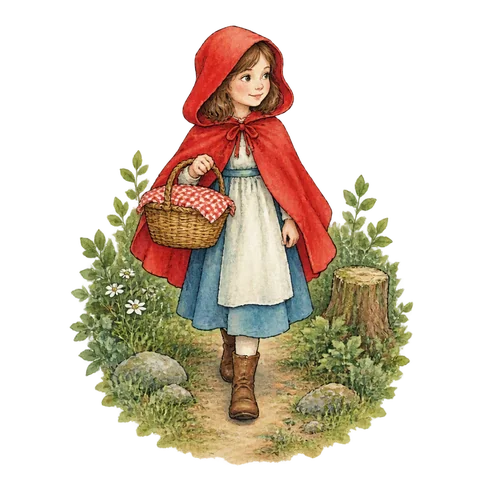
Little Red Riding Hood
era volta in , la più carina che si potesse mai vedere.
Once upon a time in a village there was a girl, the prettiest one you could ever see.
A girl brings food to her grandmother and meets a wolf. In this Perrault version, the wolf eats both grandmother and child.
Cultural note: This historical version has no rescuing huntsman; its warning is about deceptive strangers.
Intermediate
— Charles Perrault; Italian translation by Carlo Collodi (1628–1703; 1826–1890), Cappuccetto Rosso, in I racconti delle fate (1875)
 Source note
Sleeping Beauty
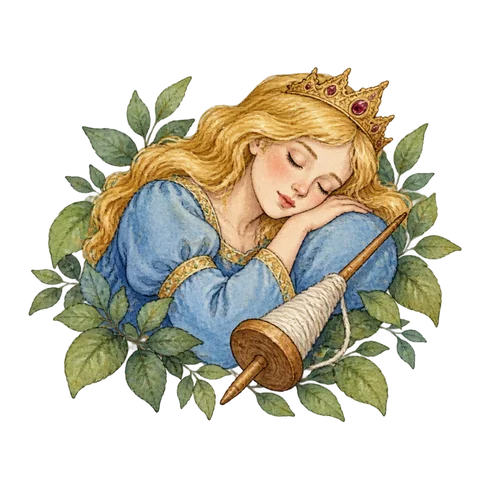
Alla fine la rimase incinta, e partorì una .
At last the queen became pregnant and gave birth to a little girl.
A princess falls into a hundred-year sleep after pricking her hand. Perrault’s story continues beyond her awakening with a dangerous ogress mother-in-law.
Cultural note: A spindle and a long sleep belong to the older story; the later family danger is often omitted in modern adaptations.
Intermediate
— Charles Perrault; Italian translation by Carlo Collodi (1628–1703; 1826–1890), La bella addormentata nel bosco, in I racconti delle fate (1875)
 Source note
The Fairies
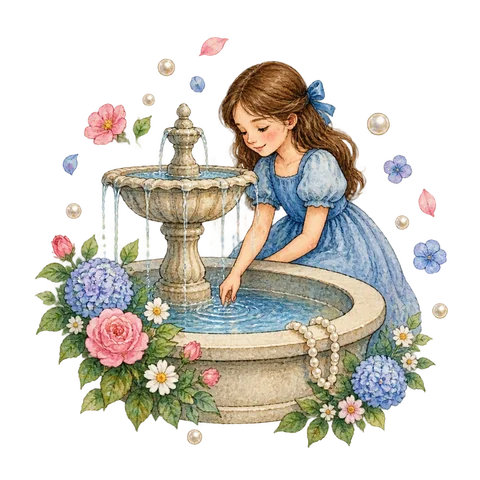
era volta vedova che aveva due figliuole.
Once upon a time there was a widow who had two daughters.
A kind daughter receives flowers and jewels whenever she speaks; her rude sister receives snakes and toads instead.
Cultural note: The magical gifts make kindness and cruelty visible. The historical ending is harsh.
Intermediate
— Charles Perrault; Italian translation by Carlo Collodi (1628–1703; 1826–1890), Le fate, in I racconti delle fate (1875)
 Source note
Little Thumb
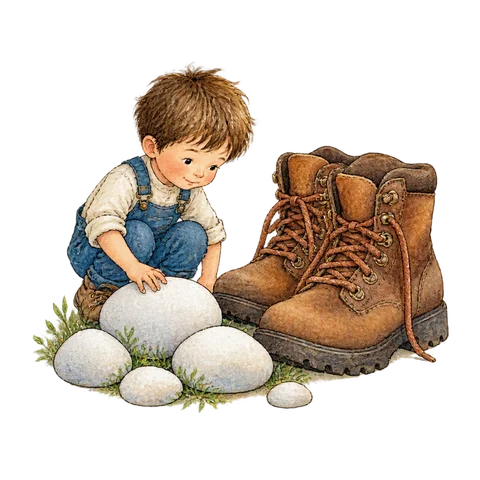
era volta taglialegna e taglialegna, i quali avevano sette figliuoli, tutti maschi.
Once upon a time there were a woodcutter and his wife, who had seven children, all boys.
The smallest of seven brothers leaves a trail of stones, escapes an ogre and uses seven-league boots to improve his family’s fortunes.
Cultural note: Puccettino is Collodi’s name for Perrault’s Petit Poucet; do not confuse him with every other tiny fairy-tale hero.
Intermediate
— Charles Perrault; Italian translation by Carlo Collodi (1628–1703; 1826–1890), Puccettino, in I racconti delle fate (1875)
 Source note
Bluebeard
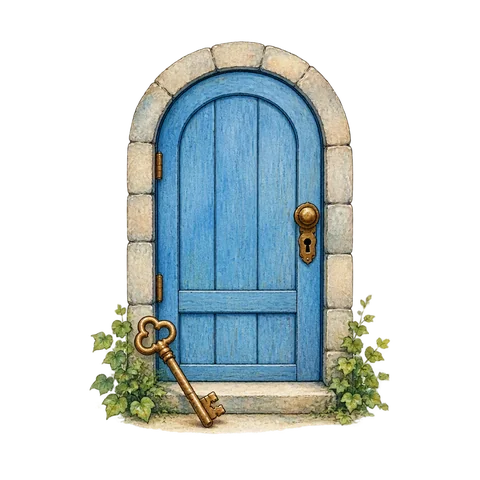
Ma quest’, per sua disgrazia, aveva la .
But this man, to his misfortune, had a blue beard.
A wife discovers the murdered former wives of her wealthy husband behind a forbidden door. Her brothers arrive to save her.
Cultural note: This is a frightening tale of a murderous husband, not a gentle bedtime story.
Intermediate
— Charles Perrault; Italian translation by Carlo Collodi (1628–1703; 1826–1890), Barba-blu, in I racconti delle fate (1875)
 Source note
Ricky of the Tuft
Una , che si trovò presente al parto, dette per sicuro che egli avrebbe avuto molto spirito.
A fairy who was present at the birth assured them that he would be very clever.
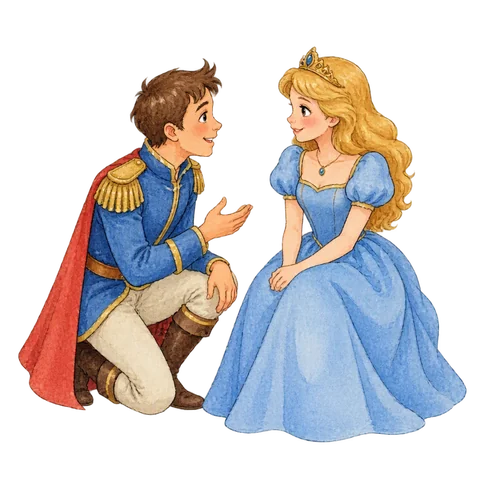
An unattractive but intelligent prince and a beautiful princess exchange gifts of intelligence and beauty through love.
Cultural note: The tale asks how affection changes judgments of appearance and intelligence.
Intermediate
— Charles Perrault; Italian translation by Carlo Collodi (1628–1703; 1826–1890), Enrichetto dal ciuffo, in I racconti delle fate (1875)
 Source note
Explore these words: Time & dates (flashcards) · Directions & position (flashcards) · Age & life stages (flashcards)
Put these words into context with a story at your level.
Read Italian storiesItalian Fairy Tales by Luigi Capuana
These literary fairy tales come from C’era una volta… (1882), cited in its 1902 edition. Their magical worlds can be strange and violent.
Sunbeam
Spera di sole, spera di sole, sarai se Dio vuole!
Sunbeam, sunbeam, you will be queen if God wills it!
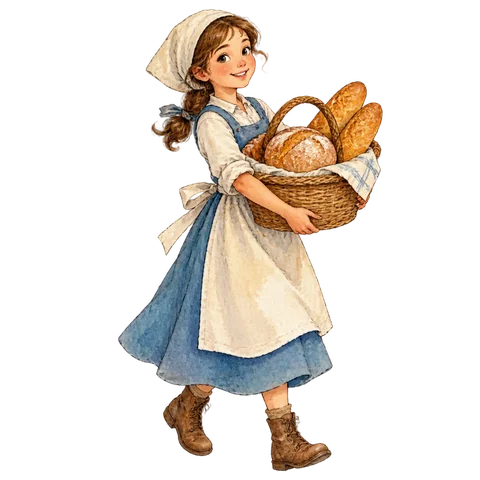
A baker’s daughter, mocked for her sooty appearance, secretly shines with beauty. Her baking skills free an arrogant prince from a magician.
Cultural note: Capuana exposes royal pride and contempt for work; the prince’s cruelty is part of the story, not behavior to admire.
Intermediate
— Luigi Capuana (1839–1915), Spera di sole, in C’era una volta… (1882; edition 1902)
 Source note
Little Frog
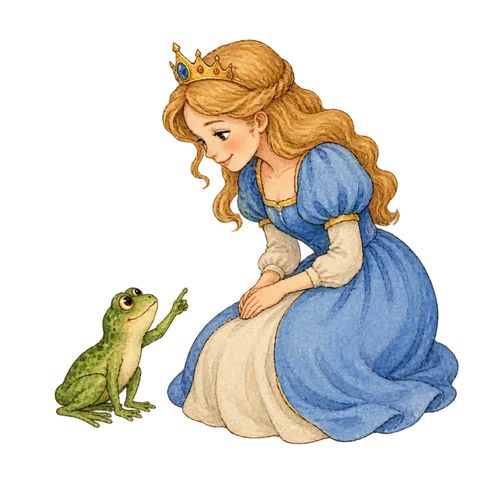
Ranocchino, porgi il ditino!
Little Frog, hold out your little finger!
A fairy transforms a poor child into a frog. A princess loves him, an eagle carries him away, and a dangerous rescue and magical transformation follow.
Cultural note: Despite the frog, this is Capuana’s Ranocchino, not simply the Grimm Frog King. The original contains severe violence and revival magic.
Intermediate
— Luigi Capuana (1839–1915), Ranocchino, in C’era una volta… (1882; edition 1902)
 Source note
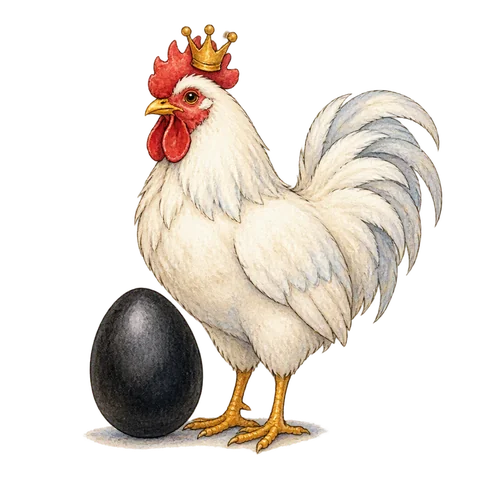
The Black Egg
era volta vecchia che campava di elemosina.
Once upon a time there was an old woman who lived on alms.
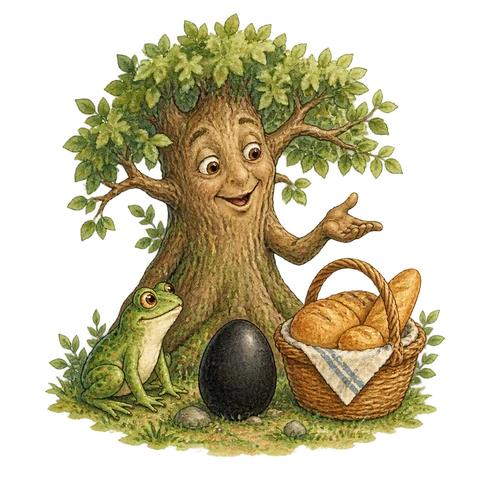
A black egg hatches into a troublesome rooster that cannot be permanently killed. Magic eventually turns him into a prince, though his bird habits persist.
Cultural note: The absurd transformations mock the assumption that a royal title immediately changes someone’s nature.
Intermediate
— Luigi Capuana (1839–1915), L’uovo nero, in C’era una volta… (1882; edition 1902)
 Source note
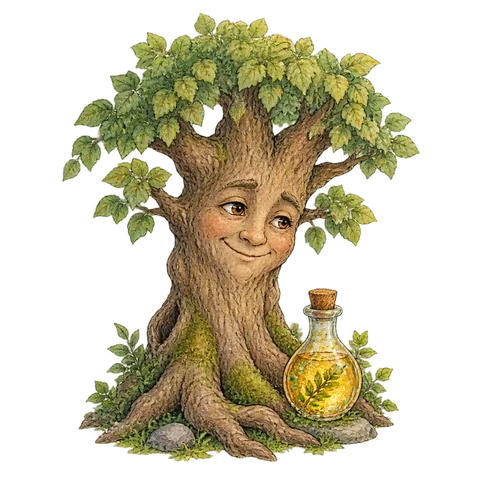
The Talking Tree
era volta che credeva d’aver raccolto nel suo tutte le cose più rare del .
Once upon a time there was a king who believed he had collected all the rarest things in the world in his palace.
A king searches for a talking tree and discovers an enchanted princess. Freeing her requires confronting a witch and undoing another magical deception.
Cultural note: The apparent rescue is not the ending: the princess still has wooden flesh until the king finds the right remedy.
Intermediate
— Luigi Capuana (1839–1915), L’albero che parla, in C’era una volta… (1882; edition 1902)
 Source note
Explore these words: Time & dates (flashcards) · Politics & government (flashcards) · Directions & position (flashcards)
Put these words into context with a story at your level.
Read Italian storiesItalian fairy tales: frequently asked questions
What are some famous Italian fairy tales?
Pinocchio is an Italian literary classic by Carlo Collodi. Luigi Capuana wrote imaginative tales such as Spera di sole and Le arance d’oro. Cinderella and Puss in Boots also have famous Italian versions, but Collodi translated those from French.
Which Italian fairy tale should a beginner read first?
Start with the A2 version of Pinocchio’s talking piece of wood. The short present-tense paragraphs repeat words for a room, tools, wood and a voice, with an English translation for each paragraph.
Are these the original Italian texts?
Each entry quotes a historical opening or key line and links its source. The five longer A2 readings are new Inklingo adaptations, clearly separated from those quotations.
Are all these fairy tales suitable for young children?
Historical versions include threats, killings and frightening magic. The brief summaries identify difficult material; an adult should choose a story that suits the child. The graded readings simplify narration without presenting a modern film plot as the original.
Who wrote Pinocchio?
Carlo Collodi, the pen name of Carlo Lorenzini, wrote Le avventure di Pinocchio. This page’s graded Pinocchio reading covers the opening talking-wood episode; it does not compress the whole novel into one short story.
What is the difference between a fiaba and a favola?
A fiaba is usually a fairy tale with marvelous events or magic. A favola is often a short moral tale, especially one involving animals. The boundary can overlap, but the longer magical narratives here are mainly fiabe.
Make these words part of your day
Explore Italian stories, listen along, and save vocabulary as you go.
Find a story at your levelSources and verification
English translations and examples were written for this guide. Source notes distinguish documented expressions, original practice sentences, and literary quotations. Literary excerpts retain the language of their original period.
- Le avventure di Pinocchio, chapter 1 (1881–1883) — Historical Italian source; the quoted words were checked in the linked text. Collodi translations date to 1875; Capuana uses the 1902 edition of the 1882 collection.
- Cenerentola, in I racconti delle fate (1875) — Historical Italian source; the quoted words were checked in the linked text. Collodi translations date to 1875; Capuana uses the 1902 edition of the 1882 collection.
- Il gatto con gli stivali, in I racconti delle fate (1875) — Historical Italian source; the quoted words were checked in the linked text. Collodi translations date to 1875; Capuana uses the 1902 edition of the 1882 collection.
- La bella e la bestia, in I racconti delle fate (1875) — Historical Italian source; the quoted words were checked in the linked text. Collodi translations date to 1875; Capuana uses the 1902 edition of the 1882 collection.
- Le arance d’oro, in C’era una volta… (1882; edition 1902) — Historical Italian source; the quoted words were checked in the linked text. Collodi translations date to 1875; Capuana uses the 1902 edition of the 1882 collection.
- Cappuccetto Rosso, in I racconti delle fate (1875) — Historical Italian source; the quoted words were checked in the linked text. Collodi translations date to 1875; Capuana uses the 1902 edition of the 1882 collection.
- La bella addormentata nel bosco, in I racconti delle fate (1875) — Historical Italian source; the quoted words were checked in the linked text. Collodi translations date to 1875; Capuana uses the 1902 edition of the 1882 collection.
- Le fate, in I racconti delle fate (1875) — Historical Italian source; the quoted words were checked in the linked text. Collodi translations date to 1875; Capuana uses the 1902 edition of the 1882 collection.
- Puccettino, in I racconti delle fate (1875) — Historical Italian source; the quoted words were checked in the linked text. Collodi translations date to 1875; Capuana uses the 1902 edition of the 1882 collection.
- Barba-blu, in I racconti delle fate (1875) — Historical Italian source; the quoted words were checked in the linked text. Collodi translations date to 1875; Capuana uses the 1902 edition of the 1882 collection.
- Enrichetto dal ciuffo, in I racconti delle fate (1875) — Historical Italian source; the quoted words were checked in the linked text. Collodi translations date to 1875; Capuana uses the 1902 edition of the 1882 collection.
- Spera di sole, in C’era una volta… (1882; edition 1902) — Historical Italian source; the quoted words were checked in the linked text. Collodi translations date to 1875; Capuana uses the 1902 edition of the 1882 collection.
- Ranocchino, in C’era una volta… (1882; edition 1902) — Historical Italian source; the quoted words were checked in the linked text. Collodi translations date to 1875; Capuana uses the 1902 edition of the 1882 collection.
- L’uovo nero, in C’era una volta… (1882; edition 1902) — Historical Italian source; the quoted words were checked in the linked text. Collodi translations date to 1875; Capuana uses the 1902 edition of the 1882 collection.
- L’albero che parla, in C’era una volta… (1882; edition 1902) — Historical Italian source; the quoted words were checked in the linked text. Collodi translations date to 1875; Capuana uses the 1902 edition of the 1882 collection.
Source notes for all 15 entries
- Pinocchio: The Talking Wood: Opening or key line from Le avventure di Pinocchio, chapter 1 (1881–1883). Whitespace and typographic apostrophes normalized; English translation by Inklingo. [it-pinocchio]
- Cinderella: Opening or key line from Cenerentola, in I racconti delle fate (1875). Whitespace and typographic apostrophes normalized; English translation by Inklingo. [it-tale-03]
- Puss in Boots: Opening or key line from Il gatto con gli stivali, in I racconti delle fate (1875). Whitespace and typographic apostrophes normalized; English translation by Inklingo. [it-tale-07]
- Beauty and the Beast: Opening or key line from La bella e la bestia, in I racconti delle fate (1875). Whitespace and typographic apostrophes normalized; English translation by Inklingo. [it-tale-09]
- The Golden Oranges: Opening or key line from Le arance d’oro, in C’era una volta… (1882; edition 1902). Whitespace and typographic apostrophes normalized; English translation by Inklingo. [it-capuana-02]
- Little Red Riding Hood: Opening or key line from Cappuccetto Rosso, in I racconti delle fate (1875). Whitespace and typographic apostrophes normalized; English translation by Inklingo. [it-tale-06]
- Sleeping Beauty: Opening or key line from La bella addormentata nel bosco, in I racconti delle fate (1875). Whitespace and typographic apostrophes normalized; English translation by Inklingo. [it-tale-02]
- The Fairies: Opening or key line from Le fate, in I racconti delle fate (1875). Whitespace and typographic apostrophes normalized; English translation by Inklingo. [it-tale-05]
- Little Thumb: Opening or key line from Puccettino, in I racconti delle fate (1875). Whitespace and typographic apostrophes normalized; English translation by Inklingo. [it-tale-04]
- Bluebeard: Opening or key line from Barba-blu, in I racconti delle fate (1875). Whitespace and typographic apostrophes normalized; English translation by Inklingo. [it-tale-01]
- Ricky of the Tuft: Opening or key line from Enrichetto dal ciuffo, in I racconti delle fate (1875). Whitespace and typographic apostrophes normalized; English translation by Inklingo. [it-tale-08]
- Sunbeam: Opening or key line from Spera di sole, in C’era una volta… (1882; edition 1902). Whitespace and typographic apostrophes normalized; English translation by Inklingo. [it-capuana-01]
- Little Frog: Opening or key line from Ranocchino, in C’era una volta… (1882; edition 1902). Whitespace and typographic apostrophes normalized; English translation by Inklingo. [it-capuana-03]
- The Black Egg: Opening or key line from L’uovo nero, in C’era una volta… (1882; edition 1902). Whitespace and typographic apostrophes normalized; English translation by Inklingo. [it-capuana-04]
- The Talking Tree: Opening or key line from L’albero che parla, in C’era una volta… (1882; edition 1902). Whitespace and typographic apostrophes normalized; English translation by Inklingo. [it-capuana-05]