
THE INKLINGO LANGUAGE GUIDES
90 Korean Idioms & Proverbs (Meanings + Audio)
These 80 Korean idioms and fixed expressions, plus 10 proverbs, connect vivid images with everyday meanings. Each entry includes Hangul, Revised Romanization, an original polite example and a note on tone.

Essential 20
- 귀가 얇다Be easily persuaded by other people's opinions.
- 입이 무겁다Keep secrets and speak with discretion.
- 눈이 높다Have demanding standards, especially when choosing things or people.
- 발이 넓다Know many people across different circles.
- 손이 크다Be generous in spending, giving or preparing quantities of food.
- 마음을 먹다Decide or resolve to do something.
- 마음에 들다Find something pleasing or to your liking.
- 눈코 뜰 새 없다Be extremely busy.
- 발등에 불이 떨어지다Face an urgent problem that demands immediate action.
- 바가지를 쓰다Pay an unfairly inflated price.
- 바람을 맞다Be left waiting when someone fails to keep a meeting.
- 비행기를 태우다Flatter someone extravagantly.
- 어깨가 무겁다Feel the weight of responsibility.
- 손발이 맞다Coordinate well with another person.
- 파김치가 되다Become completely exhausted and limp.
- 손에 땀을 쥐다Feel intense suspense or nervous excitement.
- 시치미를 떼다Pretend not to know about something you actually know or did.
- 찬물을 끼얹다Dampen excitement or discourage a promising plan.
- 허리띠를 졸라매다Reduce spending and live more frugally.
- 코가 납작해지다Lose one's pride or feel humbled after embarrassment or defeat.
20 essential Korean idioms
Start with these expressions. Learn the situation and register alongside the literal image.

귀가
gwiga yalda
Be easily persuaded by other people's opinions.
Literally: Have thin ears.
Closest English expression: Be easily swayed.
Often mildly critical; not a comment about hearing. · Standard South Korean usage.
In a sentence
Source note입이
ibi mugeopda
Keep secrets and speak with discretion.
Literally: Have a heavy mouth.
Closest English expression: Be tight-lipped.
Usually complimentary. · Standard South Korean usage.
In a sentence
 Source note
눈이
nuni nopda
Have demanding standards, especially when choosing things or people.
Literally: Have high eyes.
Closest English expression: Have high standards.
Can imply being too picky. · Standard South Korean usage.
In a sentence
 Source note
발이 넓다
bari neolda
Know many people across different circles.
Literally: Have wide feet.
Closest English expression: Be well connected.
Usually positive; not about foot size. · Standard South Korean usage.
In a sentence
 Source note
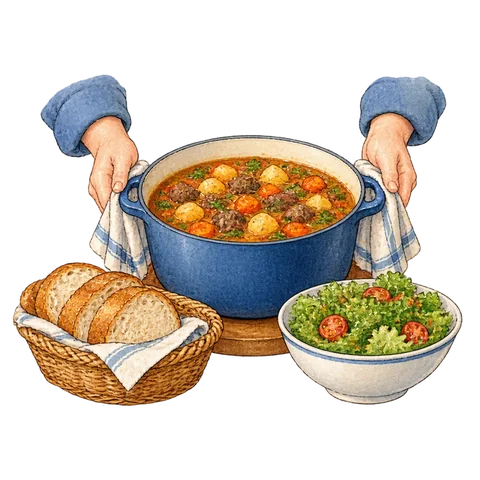
손이 크다
soni keuda
Be generous in spending, giving or preparing quantities of food.
Literally: Have large hands.
Closest English expression: Be generous-handed.
Can also suggest excessive quantities; context matters. · Standard South Korean usage.
In a sentence
 Source note
마음을 먹다
maeumeul meokda
Decide or resolve to do something.
Literally: Eat one's mind.
Closest English expression: Make up your mind.
Common; often follows an intended action with -기로. · Standard South Korean usage.
In a sentence
 Source note
들다
maeume deulda
Find something pleasing or to your liking.
Literally: Enter one's heart.
Closest English expression: Like something.
Very common; the thing liked takes 이 or 가. · Standard South Korean usage.
In a sentence
 Source note
눈코 뜰 새 없다
nunko tteul sae eopda
Be extremely busy.
Literally: Have no moment to open eyes or nose.
Closest English expression: Be rushed off your feet.
Common; figurative exaggeration. · Standard South Korean usage.
In a sentence
 Source note
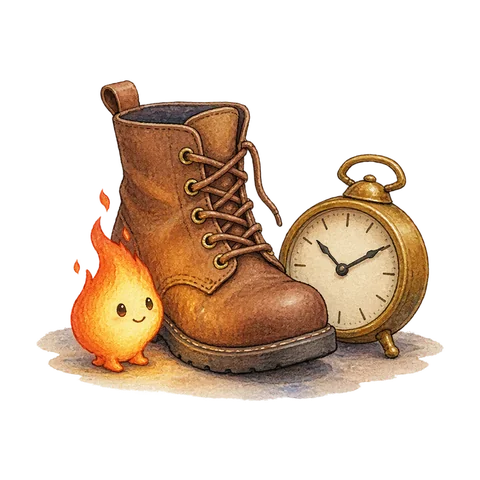
발등에 불이
baldeunge buri tteoreojida
Face an urgent problem that demands immediate action.
Literally: Fire falls on the top of one's foot.
Closest English expression: Have an urgent fire to put out.
Often a deadline or neglected problem. · Standard South Korean usage.
In a sentence
 Source note
바가지를 쓰다
bagajireul sseuda
Pay an unfairly inflated price.
Literally: Wear a gourd scoop.
Closest English expression: Get ripped off.
Conversational; check facts before accusing someone. · Standard South Korean usage.
In a sentence
 Source note
barameul matda
Be left waiting when someone fails to keep a meeting.
Literally: Be hit by wind.
Closest English expression: Get stood up.
Conversational; also has literal senses. · Standard South Korean usage.
In a sentence
 Source note
비행기를 태우다
bihaenggireul taeuda
Flatter someone extravagantly.
Literally: Put someone on an airplane.
Closest English expression: Butter someone up.
Playful or skeptical. · Standard South Korean usage.
In a sentence
 Source note
eokkaega mugeopda
Feel the weight of responsibility.
Literally: The shoulders are heavy.
Closest English expression: Carry a heavy responsibility.
Work or family responsibility. · Standard South Korean usage.
In a sentence
 Source note
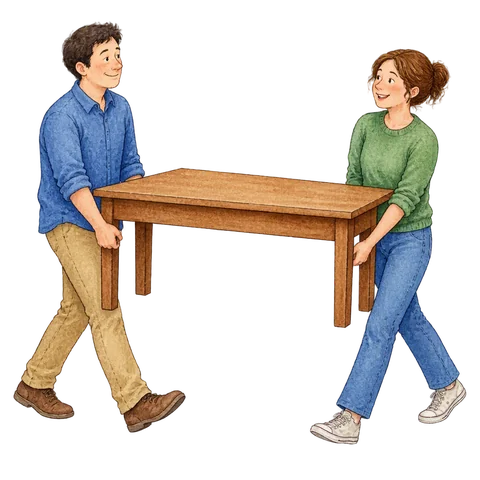
손발이 맞다
sonbari matda
Coordinate well with another person.
Literally: Hands and feet match.
Closest English expression: Work in sync.
Positive; teamwork. · Standard South Korean usage.
In a sentence
 Source note
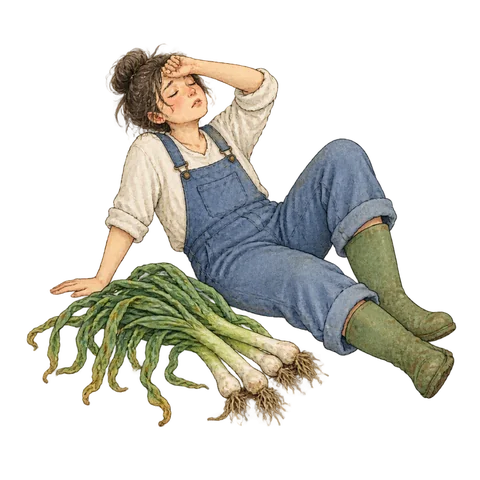
파김치가
pagimchiga doeda
Become completely exhausted and limp.
Literally: Become scallion kimchi.
Closest English expression: Be worn out.
Informal, vivid food metaphor. · Standard South Korean usage.
In a sentence
 Source note
손에 땀을 쥐다
sone ttameul jwida
Feel intense suspense or nervous excitement.
Literally: Hold sweat in one's hands.
Closest English expression: Be on the edge of your seat.
Often used for sport or drama. · Standard South Korean usage.
In a sentence
 Source note
시치미를
sichimireul tteda
Pretend not to know about something you actually know or did.
Literally: Remove the falcon's identification tag.
Closest English expression: Play innocent.
Critical or teasing; literal image refers to a traditional falcon tag. · Standard South Korean usage.
In a sentence
 Source note
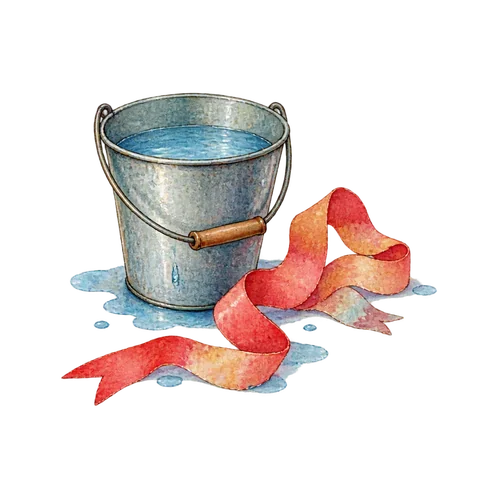
찬물을 끼얹다
chanmureul kkieonda
Dampen excitement or discourage a promising plan.
Literally: Splash cold water on it.
Closest English expression: Throw cold water on something.
Negative. · Standard South Korean usage.
In a sentence
 Source note
졸라매다
heorittireul jollamaeda
Reduce spending and live more frugally.
Literally: Tighten one's belt.
Closest English expression: Tighten your belt.
Common in household finance. · Standard South Korean usage.
In a sentence
 Source note
코가 납작해지다
koga napjakaejida
Lose one's pride or feel humbled after embarrassment or defeat.
Literally: The nose becomes flat.
Closest English expression: Be taken down a peg.
Often critical or teasing. · Standard South Korean usage.
In a sentence
 Source note
Explore these words: Time & dates (flashcards) · Quantities & measurements (flashcards) · Accessories & jewelry (flashcards)
Put these words into context with a story at your level.
Read Korean storiesKorean idioms about listening and speaking
Ears and mouths provide images for persuasion, discretion and conversation.

귀가 솔깃하다
gwiga solgitada
Become interested in an attractive suggestion.
Literally: The ears are tempted.
Closest English expression: Prick up your ears.
Common; interest is not yet agreement. · Standard South Korean usage.
In a sentence
귀가 따갑다
gwiga ttagapda
Be tired of hearing the same advice or criticism repeatedly.
Literally: The ears sting.
Closest English expression: Have heard it too many times.
Can also mean a sound is painfully loud. · Standard South Korean usage.
In a sentence
귀에 못이 박히다
gwie mosi bakida
Hear something repeatedly until you are thoroughly familiar or fed up with it.
Literally: A nail is driven into the ear.
Closest English expression: Have it drummed into you.
Figurative; often complaints or warnings. · Standard South Korean usage.
In a sentence
귀를
gwireul giurida
Listen attentively.
Literally: Tilt one's ear.
Closest English expression: Lend an attentive ear.
Positive and neutral. · Standard South Korean usage.
In a sentence
귀에
gwie deureogada
Become known to someone by being heard.
Literally: Enter someone's ear.
Closest English expression: Reach someone's ears.
Often concerns a report or rumor. · Standard South Korean usage.
In a sentence
입이 가볍다
ibi gabyeopda
Reveal information too readily.
Literally: Have a light mouth.
Closest English expression: Be loose-lipped.
Critical; opposite of 입이 무겁다. · Standard South Korean usage.
In a sentence
입이
ibi jjalda
Be picky about food and eat little.
Literally: Have a short mouth.
Closest English expression: Be a picky eater.
Can sound judgmental if directed at someone. · Standard South Korean usage.
In a sentence
입에 맞다
ibe matda
Suit someone's taste in food.
Literally: Fit the mouth.
Closest English expression: Be to your taste.
Common at meals. · Standard South Korean usage.
In a sentence
입에 침이 마르다
ibe chimi mareuda
Praise someone or something repeatedly and enthusiastically.
Literally: The saliva in the mouth dries up.
Closest English expression: Sing someone's praises.
Often followed by -도록 or -게. · Standard South Korean usage.
In a sentence
입을 모으다
ibeul moeuda
Express the same opinion together.
Literally: Gather mouths together.
Closest English expression: Speak with one voice.
Common in reports or group discussion. · Standard South Korean usage.
In a sentence
입을 다물다
ibeul damulda
Stop speaking or keep information to yourself.
Literally: Close one's mouth.
Closest English expression: Keep your mouth shut.
A direct command can sound rude. · Standard South Korean usage.
In a sentence
입에 오르내리다
ibe oreunaerida
Become a subject of public discussion or gossip.
Literally: Rise and fall in mouths.
Closest English expression: Be on everyone's lips.
May be positive or negative. · Standard South Korean usage.
In a sentence
입이 근질근질하다
ibi geunjilgeunjilhada
Feel a strong urge to tell something.
Literally: The mouth feels itchy.
Closest English expression: Be itching to tell.
Conversational; commonly about a secret. · Standard South Korean usage.
In a sentence
입만 살다
imman salda
Talk grandly without taking useful action.
Literally: Only the mouth is alive.
Closest English expression: Be all talk.
Blunt criticism. · Standard South Korean usage.
In a sentence
입에 풀칠하다
ibe pulchilhada
Earn just enough to keep yourself fed.
Literally: Paste glue on the mouth.
Closest English expression: Scrape a living.
Refers to poverty or a very modest livelihood. · Standard South Korean usage.
In a sentence
Explore these words: Time & dates (flashcards) · Directions & position (flashcards) · Emotions & feelings (flashcards)
Put these words into context with a story at your level.
Read Korean storiesKorean eye idioms and attention
These expressions describe attention, surprise, patience and concern.

눈에 띄다
nune ttuida
Stand out and attract notice.
Literally: Be caught by the eye.
Closest English expression: Catch the eye.
Common; not necessarily intentional. · Standard South Korean usage.
In a sentence
눈을 감아 주다
nuneul gama juda
Overlook a fault or small breach.
Literally: Close one's eyes for someone.
Closest English expression: Turn a blind eye.
Can be lenient or disapproving, depending on the fault. · Standard South Korean usage.
In a sentence
눈이 빠지도록 기다리다
nuni ppajidorok gidarida
Wait anxiously or eagerly for a long time.
Literally: Wait until one's eyes fall out.
Closest English expression: Wait with great anticipation.
Vivid conversational exaggeration. · Standard South Korean usage.
In a sentence
눈에 밟히다
nune balpida
Remain vividly in one's thoughts, often with concern or longing.
Literally: Be trodden on in the eyes.
Closest English expression: Be unable to stop thinking about someone.
Emotional; usually someone absent. · Standard South Korean usage.
In a sentence
눈에 불을 켜다
nune bureul kyeoda
Pursue or search for something with fierce determination.
Literally: Light a fire in one's eyes.
Closest English expression: Be intensely intent on something.
Emphatic; can suggest anger or greed in some contexts. · Standard South Korean usage.
In a sentence
눈도 깜짝 안
nundo kkamjjak an hada
Show no fear, surprise or concern.
Literally: Not even blink an eye.
Closest English expression: Not bat an eyelid.
Can be admiration or criticism. · Standard South Korean usage.
In a sentence
눈앞이 캄캄하다
nunapi kamkamhada
Feel helpless or unable to see a way forward.
Literally: It is pitch-dark before the eyes.
Closest English expression: See no way out.
Strong worry; literal visual darkness is another possible meaning. · Standard South Korean usage.
In a sentence
눈을 붙이다
nuneul buchida
Get a little sleep.
Literally: Attach the eyes.
Closest English expression: Get some shut-eye.
Conversational. · Standard South Korean usage.
In a sentence
눈을 돌리다
nuneul dollida
Shift attention or interest toward something else.
Literally: Turn one's eyes.
Closest English expression: Turn your attention to something.
Neutral; context can be literal. · Standard South Korean usage.
In a sentence
눈을 떼다
nuneul tteda
Stop looking at something.
Literally: Detach one's eyes.
Closest English expression: Take your eyes off something.
Often negated to express fascination. · Standard South Korean usage.
In a sentence
Explore these words: Colors (flashcards) · Accessories & jewelry (flashcards) · Greetings & polite phrases
Put these words into context with a story at your level.
Read Korean storiesKorean idioms about hands, feet and work
Learn which expressions mean practical effort and which mean entering or leaving an activity.

손이 모자라다
soni mojarada
Not have enough people to do the work.
Literally: Be short of hands.
Closest English expression: Be short-handed.
Workload context. · Standard South Korean usage.
In a sentence
손이 가다
soni gada
Require attention and work; also reach for food repeatedly.
Literally: A hand goes to it.
Closest English expression: Take a lot of work.
The example uses the care-and-effort sense. · Standard South Korean usage.
In a sentence
손을 떼다
soneul tteda
Stop being involved in a job or activity.
Literally: Remove one's hands.
Closest English expression: Step away from something.
Neutral; can be decisive. · Standard South Korean usage.
In a sentence
손을 놓다
soneul nota
Stop working or taking action.
Literally: Let go with one's hands.
Closest English expression: Put the work aside.
Can imply neglect if used critically. · Standard South Korean usage.
In a sentence
손을 잡다
soneul japda
Join forces or cooperate.
Literally: Take someone's hand.
Closest English expression: Join hands.
Literal and figurative senses coexist. · Standard South Korean usage.
In a sentence
손을 벌리다
soneul beollida
Ask someone for money or help.
Literally: Spread one's hands.
Closest English expression: Go to someone for help.
Often financial; can express reluctance. · Standard South Korean usage.
In a sentence
손에 익다
sone ikda
Become practiced and easy through repetition.
Literally: Become familiar to the hands.
Closest English expression: Become second nature.
Positive; a skill or tool. · Standard South Korean usage.
In a sentence
발이
bari mukkida
Be unable to leave or move because of circumstances.
Literally: One's feet are tied.
Closest English expression: Be stranded.
Common for transport disruption or obligations. · Standard South Korean usage.
In a sentence
발을 빼다
bareul ppaeda
Withdraw from involvement in something.
Literally: Pull out one's foot.
Closest English expression: Pull out.
Often a difficult or risky situation. · Standard South Korean usage.
In a sentence
발 벗고 나서다
bal beotgo naseoda
Volunteer enthusiastically to help.
Literally: Take off one's shoes and step forward.
Closest English expression: Pitch in wholeheartedly.
Approving. · Standard South Korean usage.
In a sentence
발길이 뜸하다
balgiri tteumhada
Visit less often or receive fewer visitors.
Literally: Footsteps become infrequent.
Closest English expression: Visits become few and far between.
Descriptive. · Standard South Korean usage.
In a sentence
발을 구르다
bareul gureuda
Show impatience, distress or frustration because one cannot resolve a situation.
Literally: Stamp one's feet.
Closest English expression: Stamp in frustration.
The gesture and figurative meaning overlap. · Standard South Korean usage.
In a sentence
발맞추다
balmatchuda
Keep pace or coordinate with someone or a development.
Literally: Match footsteps.
Closest English expression: Keep in step.
One-word established figurative verb. · Standard South Korean usage.
In a sentence
발로 뛰다
ballo ttwida
Work actively in person to gather information or achieve something.
Literally: Run with one's feet.
Closest English expression: Do the legwork.
Approving; practical effort. · Standard South Korean usage.
In a sentence
발을 들여놓다
bareul deuryeonota
Enter a field or become involved in an activity.
Literally: Put a foot inside.
Closest English expression: Set foot in a new field.
Neutral; can also be literal. · Standard South Korean usage.
In a sentence
Explore these words: Time & dates (flashcards) · Shopping (flashcards) · Meals & restaurants
Put these words into context with a story at your level.
Read Korean storiesKorean idioms about thoughts and feelings
The heart, head and chest give shape to worry, concentration and emotional responses.

머리를 식히다
meorireul sikida
Take a break to clear the mind.
Literally: Cool one's head.
Closest English expression: Clear your head.
Common. · Standard South Korean usage.
In a sentence
맞대다
meorireul matdaeda
Think together to solve a problem.
Literally: Put heads together.
Closest English expression: Put your heads together.
Positive; collaborative. · Standard South Korean usage.
In a sentence
굴리다
meorireul gullida
Think hard to find an idea or advantage.
Literally: Roll one's head.
Closest English expression: Rack your brains.
Can imply scheming, depending on context. · Standard South Korean usage.
In a sentence
굳다
meoriga gutda
Become mentally inflexible or slow to take in unfamiliar things.
Literally: The head becomes hard.
Closest English expression: Get stuck in your ways.
Usually negative or self-deprecating. · Standard South Korean usage.
In a sentence
마음에 걸리다
maeume geollida
Remain a source of unease or concern.
Literally: Be caught on the heart.
Closest English expression: Weigh on your mind.
Common. · Standard South Korean usage.
In a sentence
마음을
maeumeul nota
Stop worrying and feel reassured.
Literally: Put down one's mind.
Closest English expression: Put your mind at ease.
Common; often after good news. · Standard South Korean usage.
In a sentence
마음을 열다
maeumeul yeolda
Become willing to trust and communicate with someone.
Literally: Open one's heart.
Closest English expression: Open up.
Positive. · Standard South Korean usage.
In a sentence
마음을
maeumeul japda
Settle one's thoughts and become focused or responsible.
Literally: Catch one's mind.
Closest English expression: Settle down.
Often after a period of distraction. · Standard South Korean usage.
In a sentence
마음이 콩밭에 가 있다
maeumi kongbate ga itda
Be distracted by something unrelated to the task at hand.
Literally: One's mind is in the bean field.
Closest English expression: Have your mind elsewhere.
Playful or critical. · Standard South Korean usage.
In a sentence
뭉클하다
gaseumi mungkeulhada
Feel suddenly and deeply moved.
Literally: The chest feels a surge.
Closest English expression: Feel a lump in your throat.
Often warm emotion or gratitude. · Standard South Korean usage.
In a sentence
가슴이 철렁하다
gaseumi cheolleonghada
Feel a sudden shock of fear or worry.
Literally: The chest gives a sudden sinking jolt.
Closest English expression: Your heart sinks.
Sudden fright. · Standard South Korean usage.
In a sentence
가슴에 새기다
gaseume saegida
Remember words or an experience deeply.
Literally: Engrave it on the chest.
Closest English expression: Take it to heart.
Reflective and earnest. · Standard South Korean usage.
In a sentence
졸이다
gaseumeul jorida
Remain anxiously worried about an outcome.
Literally: Reduce the chest by simmering.
Closest English expression: Be on tenterhooks.
Anxious waiting. · Standard South Korean usage.
In a sentence
펴다
gaseumeul pyeoda
Act with confidence and courage.
Literally: Open out the chest.
Closest English expression: Hold your head high.
Encouraging; literal posture can reinforce the metaphor. · Standard South Korean usage.
In a sentence
두껍다
eolguri dukkeopda
Feel little shame about behavior others find improper.
Literally: Have a thick face.
Closest English expression: Be shameless.
Insulting; not a compliment about resilience. · Standard South Korean usage.
In a sentence
싸매다
meorireul ssamaeda
Concentrate intensely on solving something difficult.
Literally: Wrap up one's head.
Closest English expression: Rack your brains.
Work or study context. · Standard South Korean usage.
In a sentence
짜내다
meorireul jjanaeda
Strain to come up with an idea.
Literally: Squeeze out one's head.
Closest English expression: Rack your brains.
Emphasizes mental effort. · Standard South Korean usage.
In a sentence
마음이
maeumi mugeopda
Feel burdened by worry or responsibility.
Literally: The heart is heavy.
Closest English expression: Have a heavy heart.
Concern rather than physical weight. · Standard South Korean usage.
In a sentence
코를 찌르다
koreul jjireuda
Give off a strong, penetrating smell.
Literally: Stab the nose.
Closest English expression: Have a pungent smell.
Can describe pleasant or unpleasant smells. · Standard South Korean usage.
In a sentence
못을 박다
gaseume moseul bakda
Cause someone lasting emotional pain with words or actions.
Literally: Drive a nail into the chest.
Closest English expression: Wound someone deeply.
Strong metaphor; use with care. · Standard South Korean usage.
In a sentence
Explore these words: Body parts (flashcards) · Money & banking (flashcards) · Business & economy (flashcards)
Put these words into context with a story at your level.
Read Korean storiesKorean proverbs and traditional sayings
These sayings make a general observation or offer advice. They are listed separately from the main idiom bank.

말이 고와야 오는 말이 곱다
ganeun mari gowaya oneun mari gopda
The way you speak to others affects how they answer.
Literally: The outgoing words must be kind for the incoming words to be kind.
Closest English expression: Kind words invite kind replies.
Traditional advice on conversation. · Standard South Korean usage.
In a sentence
티끌 모아 태산
tikkeul moa taesan
Small amounts accumulate into something substantial.
Literally: Gather dust and it becomes a great mountain.
Closest English expression: Every little adds up.
Often savings or steady effort. · Standard South Korean usage.
In a sentence
반이다
sijagi banida
Getting started is a major part of making progress.
Literally: The beginning is half.
Closest English expression: Well begun is half done.
Encouraging; not a literal measure. · Standard South Korean usage.
In a sentence
원숭이도 떨어진다
wonsungido namueseo tteoreojinda
Even experts can make mistakes.
Literally: Even monkeys fall from trees.
Closest English expression: Even the best slip up.
Reassuring or corrective. · Standard South Korean usage.
In a sentence
백지장도 맞들면
baekjijangdo matdeulmyeon natda
Cooperation makes even a small task easier.
Literally: Even a sheet of white paper is better lifted together.
Closest English expression: Many hands make light work.
Encourages helping one another. · Standard South Korean usage.
In a sentence
두들겨 보고 건너라
doldarido dudeulgyeo bogo geonneora
Check carefully even when something appears secure.
Literally: Tap even a stone bridge before crossing.
Closest English expression: Better safe than sorry.
Advice about caution; a common variant uses 두드려. · Standard South Korean usage.
In a sentence
고래 새우 터진다
gorae ssaume saeu deung teojinda
A weaker third party suffers when powerful parties fight.
Literally: A shrimp's back bursts in a fight between whales.
Closest English expression: Small people suffer in big people's quarrels.
Critical social observation. · Standard South Korean usage.
In a sentence
금강산도 식후경
geumgangsando sikugyeong
Food comes first, even before an enjoyable activity.
Literally: Even Mount Geumgang is viewed after a meal.
Closest English expression: First things first: eat.
Often said cheerfully before a meal. · Standard South Korean usage.
In a sentence
낮말은 새가 밤말은 쥐가
nanmareun saega deutgo bammareun jwiga deunneunda
Private remarks can be overheard or spread.
Literally: Birds hear daytime words and mice hear nighttime words.
Closest English expression: Walls have ears.
A warning to speak carefully. · Standard South Korean usage.
In a sentence
등잔 밑이 어둡다
deungjan michi eodupda
Something close at hand can be surprisingly hard to notice.
Literally: It is dark beneath the oil lamp.
Closest English expression: Overlook what is right under your nose.
Often used when a missing object or fact was nearby. · Standard South Korean usage.
In a sentence
Explore these words: City & places (flashcards) · Body parts (flashcards) · Time & dates (flashcards)
Put these words into context with a story at your level.
Read Korean storiesPractice Korean idioms in context
- Choose one expression and picture its literal scene.
- Read the example, then identify the intended meaning and tone.
- Say a new sentence about a real situation.
- Return tomorrow and recall the expression from its meaning.
Korean idioms: frequently asked questions
What is a Korean idiom?
An idiom is an established expression whose intended meaning is not always predictable from its individual words. This guide also labels compact fixed expressions and puts general proverbs in a separate section.
Which Korean idioms should I learn first?
Start with the 20 essential expressions, then choose a theme you often discuss. Learn each one with its example and register note rather than memorizing only the English equivalent.
Are the literal translations the actual meanings?
No. The literal line explains the image in the words. The meaning explains what a speaker communicates. An English equivalent is only an approximate comparison and may have a different tone.
Can I use these expressions in formal writing?
Some suit essays or presentations; others are conversational, blunt or playful. Follow the register note and avoid expressions that criticize a person when you need a neutral professional tone.
Are idioms and proverbs the same thing?
They overlap, but a proverb normally makes a general observation or gives advice. An idiom often fits inside a larger sentence. Traditional four-character expressions can function in more than one way.
How do I remember idioms without translating word by word?
Connect the image to a situation, read the original example aloud, then write a new example about your own life. Review the situation and retrieve the expression before looking at the English.
Are these invented expressions or attributed quotations?
The entries are established expressions checked against dictionary or published learning references. The practice sentences and English explanations are original. Proverbs are not assigned a famous author without evidence.
Should I use Korean idioms in casual or polite speech?
The dictionary form names the expression; the sentence ending sets much of the speech level. The original examples use polite everyday endings. A polite ending does not make a blunt criticism tactful.
Why do Korean speakers use "imnida" so often?
Imnida is a formal polite form used after a noun to say that something is something. It is a common sentence ending, not an idiom. Speech level belongs to the whole sentence: an idiom can be used with either a polite or a casual ending.
Make these words part of your day
Explore Korean stories, listen along, and save vocabulary as you go.
Find a story at your levelSources and verification
English translations and examples were written for this guide. Source notes distinguish documented expressions, original practice sentences, and literary quotations. Literary excerpts retain the language of their original period.
- NIKL Korean Learners’ Dictionary: 귀 — The headword page includes conventional idioms, definitions and examples. English explanations and examples in this guide are original.
- NIKL Korean Learners’ Dictionary: 발 — The headword page includes conventional idioms, definitions and examples. English explanations and examples in this guide are original.
- NIKL Korean Learners’ Dictionary: 입 — The headword page includes conventional idioms, definitions and examples. English explanations and examples in this guide are original.
- NIKL Korean Learners’ Dictionary: 눈 — The headword page includes conventional idioms, definitions and examples. English explanations and examples in this guide are original.
- NIKL Korean Learners’ Dictionary: 손 — The headword page includes conventional idioms, definitions and examples. English explanations and examples in this guide are original.
- NIKL Korean Learners’ Dictionary: 머리 — The headword page includes conventional idioms, definitions and examples. English explanations and examples in this guide are original.
- NIKL Korean Learners’ Dictionary: 마음 — The headword page includes conventional idioms, definitions and examples. English explanations and examples in this guide are original.
- NIKL Korean Learners’ Dictionary: 코 — The headword page includes conventional idioms, definitions and examples. English explanations and examples in this guide are original.
- NIKL Korean Learners’ Dictionary: 가슴 — The headword page includes conventional idioms, definitions and examples. English explanations and examples in this guide are original.
- NIKL Korean Learners’ Dictionary: 얼굴 — The headword page includes conventional idioms, definitions and examples. English explanations and examples in this guide are original.
- Hangeul Park: Korean Idioms catalogue — Publisher table of contents independently attests the selected everyday expressions; publisher examples are not reproduced.
- Korean Wiki Project: Body part idioms — Supplementary index of established body-part expressions, checked alongside NIKL definitions.
- Korean proverbs: source collection — Traditional proverb forms; no modern named author is invented. English translations and examples are original.
- NIKL: footsteps and visits — Includes the collocation for infrequent visits.
- NIKL: squeeze out — Includes the figurative collocation for straining to find an idea.
- NIKL: idioms meaning to begin — Explains entering a field with a foot metaphor and the required particle.
- University of Warsaw Korean-Polish Dictionary: run — Attests the expression for actively doing the legwork. Search-index content inspected; direct page retrieval was unavailable.
- Kpedia: keep in step — Attests the established compound verb; search-index entry inspected, direct retrieval timed out.
- Collins Korean-English: open one’s heart — Published dictionary attestation of the expression; indexed definition inspected.
- Wiktionary: detach or remove — Includes the eye-related collocation in the stop-looking sense.
- NIKL: Mount Geumgang and the meal proverb — Proverb form and sense.
- NIKL: beginning — Includes the beginning-is-half proverb.
- NIKL: stone bridge proverb — Proverb form, meaning and pronunciation.
- NIKL: itching — Includes the figurative mouth-itching collocation.
Source notes for all 90 entries
- 귀가 얇다: Established Korean expression; English meanings and practice sentences are original. Dictionary forms sometimes include optional particles or a related inflection. [nikl-귀]
- 입이 무겁다: Established Korean expression; English meanings and practice sentences are original. Dictionary forms sometimes include optional particles or a related inflection. [nikl-입]
- 눈이 높다: Established Korean expression; English meanings and practice sentences are original. Dictionary forms sometimes include optional particles or a related inflection. [nikl-눈]
- 발이 넓다: Established Korean expression; English meanings and practice sentences are original. Dictionary forms sometimes include optional particles or a related inflection. [nikl-발]
- 손이 크다: Established Korean expression; English meanings and practice sentences are original. Dictionary forms sometimes include optional particles or a related inflection. [nikl-손]
- 마음을 먹다: Established Korean expression; English meanings and practice sentences are original. Dictionary forms sometimes include optional particles or a related inflection. [nikl-마음]
- 마음에 들다: Established Korean expression; English meanings and practice sentences are original. Dictionary forms sometimes include optional particles or a related inflection. [nikl-마음]
- 눈코 뜰 새 없다: Established Korean expression; English meanings and practice sentences are original. Dictionary forms sometimes include optional particles or a related inflection. [publisher]
- 발등에 불이 떨어지다: Established Korean expression; English meanings and practice sentences are original. Dictionary forms sometimes include optional particles or a related inflection. [publisher]
- 바가지를 쓰다: Established Korean expression; English meanings and practice sentences are original. Dictionary forms sometimes include optional particles or a related inflection. [publisher]
- 바람을 맞다: Established Korean expression; English meanings and practice sentences are original. Dictionary forms sometimes include optional particles or a related inflection. [publisher]
- 비행기를 태우다: Established Korean expression; English meanings and practice sentences are original. Dictionary forms sometimes include optional particles or a related inflection. [publisher]
- 어깨가 무겁다: Established Korean expression; English meanings and practice sentences are original. Dictionary forms sometimes include optional particles or a related inflection. [publisher]
- 손발이 맞다: Established Korean expression; English meanings and practice sentences are original. Dictionary forms sometimes include optional particles or a related inflection. [publisher]
- 파김치가 되다: Established Korean expression; English meanings and practice sentences are original. Dictionary forms sometimes include optional particles or a related inflection. [publisher]
- 손에 땀을 쥐다: Established Korean expression; English meanings and practice sentences are original. Dictionary forms sometimes include optional particles or a related inflection. [nikl-손]
- 시치미를 떼다: Established Korean expression; English meanings and practice sentences are original. Dictionary forms sometimes include optional particles or a related inflection. [publisher]
- 찬물을 끼얹다: Established Korean expression; English meanings and practice sentences are original. Dictionary forms sometimes include optional particles or a related inflection. [publisher]
- 허리띠를 졸라매다: Established Korean expression; English meanings and practice sentences are original. Dictionary forms sometimes include optional particles or a related inflection. [publisher]
- 코가 납작해지다: Established Korean expression; English meanings and practice sentences are original. Dictionary forms sometimes include optional particles or a related inflection. [nikl-코]
- 귀가 솔깃하다: Established Korean expression; English meanings and practice sentences are original. Dictionary forms sometimes include optional particles or a related inflection. [nikl-귀]
- 귀가 따갑다: Established Korean expression; English meanings and practice sentences are original. Dictionary forms sometimes include optional particles or a related inflection. [nikl-귀]
- 귀에 못이 박히다: Established Korean expression; English meanings and practice sentences are original. Dictionary forms sometimes include optional particles or a related inflection. [nikl-귀]
- 귀를 기울이다: Established Korean expression; English meanings and practice sentences are original. Dictionary forms sometimes include optional particles or a related inflection. [nikl-귀]
- 귀에 들어가다: Established Korean expression; English meanings and practice sentences are original. Dictionary forms sometimes include optional particles or a related inflection. [nikl-귀]
- 입이 가볍다: Established Korean expression; English meanings and practice sentences are original. Dictionary forms sometimes include optional particles or a related inflection. [nikl-입]
- 입이 짧다: Established Korean expression; English meanings and practice sentences are original. Dictionary forms sometimes include optional particles or a related inflection. [nikl-입]
- 입에 맞다: Established Korean expression; English meanings and practice sentences are original. Dictionary forms sometimes include optional particles or a related inflection. [publisher]
- 입에 침이 마르다: Established Korean expression; English meanings and practice sentences are original. Dictionary forms sometimes include optional particles or a related inflection. [nikl-입]
- 입을 모으다: Established Korean expression; English meanings and practice sentences are original. Dictionary forms sometimes include optional particles or a related inflection. [nikl-입]
- 입을 다물다: Established Korean expression; English meanings and practice sentences are original. Dictionary forms sometimes include optional particles or a related inflection. [nikl-입]
- 입에 오르내리다: Established Korean expression; English meanings and practice sentences are original. Dictionary forms sometimes include optional particles or a related inflection. [nikl-입]
- 입이 근질근질하다: Established Korean expression; English meanings and practice sentences are original. Dictionary forms sometimes include optional particles or a related inflection. [nikl-itch]
- 입만 살다: Established Korean expression; English meanings and practice sentences are original. Dictionary forms sometimes include optional particles or a related inflection. [nikl-입]
- 입에 풀칠하다: Established Korean expression; English meanings and practice sentences are original. Dictionary forms sometimes include optional particles or a related inflection. [nikl-입]
- 눈에 띄다: Established Korean expression; English meanings and practice sentences are original. Dictionary forms sometimes include optional particles or a related inflection. [nikl-눈]
- 눈을 감아 주다: Established Korean expression; English meanings and practice sentences are original. Dictionary forms sometimes include optional particles or a related inflection. [nikl-눈]
- 눈이 빠지도록 기다리다: Established Korean expression; English meanings and practice sentences are original. Dictionary forms sometimes include optional particles or a related inflection. [nikl-눈]
- 눈에 밟히다: Established Korean expression; English meanings and practice sentences are original. Dictionary forms sometimes include optional particles or a related inflection. [nikl-눈]
- 눈에 불을 켜다: Established Korean expression; English meanings and practice sentences are original. Dictionary forms sometimes include optional particles or a related inflection. [nikl-눈]
- 눈도 깜짝 안 하다: Established Korean expression; English meanings and practice sentences are original. Dictionary forms sometimes include optional particles or a related inflection. [nikl-눈]
- 눈앞이 캄캄하다: Established Korean expression; English meanings and practice sentences are original. Dictionary forms sometimes include optional particles or a related inflection. [nikl-눈]
- 눈을 붙이다: Established Korean expression; English meanings and practice sentences are original. Dictionary forms sometimes include optional particles or a related inflection. [nikl-눈]
- 눈을 돌리다: Established Korean expression; English meanings and practice sentences are original. Dictionary forms sometimes include optional particles or a related inflection. [nikl-눈]
- 눈을 떼다: Established Korean expression; English meanings and practice sentences are original. Dictionary forms sometimes include optional particles or a related inflection. [wiktionary-remove]
- 손이 모자라다: Established Korean expression; English meanings and practice sentences are original. Dictionary forms sometimes include optional particles or a related inflection. [nikl-손]
- 손이 가다: Established Korean expression; English meanings and practice sentences are original. Dictionary forms sometimes include optional particles or a related inflection. [nikl-손]
- 손을 떼다: Established Korean expression; English meanings and practice sentences are original. Dictionary forms sometimes include optional particles or a related inflection. [nikl-손]
- 손을 놓다: Established Korean expression; English meanings and practice sentences are original. Dictionary forms sometimes include optional particles or a related inflection. [nikl-손]
- 손을 잡다: Established Korean expression; English meanings and practice sentences are original. Dictionary forms sometimes include optional particles or a related inflection. [nikl-손]
- 손을 벌리다: Established Korean expression; English meanings and practice sentences are original. Dictionary forms sometimes include optional particles or a related inflection. [nikl-손]
- 손에 익다: Established Korean expression; English meanings and practice sentences are original. Dictionary forms sometimes include optional particles or a related inflection. [nikl-손]
- 발이 묶이다: Established Korean expression; English meanings and practice sentences are original. Dictionary forms sometimes include optional particles or a related inflection. [nikl-발]
- 발을 빼다: Established Korean expression; English meanings and practice sentences are original. Dictionary forms sometimes include optional particles or a related inflection. [nikl-발]
- 발 벗고 나서다: Established Korean expression; English meanings and practice sentences are original. Dictionary forms sometimes include optional particles or a related inflection. [nikl-발]
- 발길이 뜸하다: Established Korean expression; English meanings and practice sentences are original. Dictionary forms sometimes include optional particles or a related inflection. [nikl-footsteps]
- 발을 구르다: Established Korean expression; English meanings and practice sentences are original. Dictionary forms sometimes include optional particles or a related inflection. [nikl-발]
- 발맞추다: Established Korean expression; English meanings and practice sentences are original. Dictionary forms sometimes include optional particles or a related inflection. [kpedia-step]
- 발로 뛰다: Established Korean expression; English meanings and practice sentences are original. Dictionary forms sometimes include optional particles or a related inflection. [warsaw-legwork]
- 발을 들여놓다: Established Korean expression; English meanings and practice sentences are original. Dictionary forms sometimes include optional particles or a related inflection. [nikl-start]
- 머리를 식히다: Established Korean expression; English meanings and practice sentences are original. Dictionary forms sometimes include optional particles or a related inflection. [nikl-머리]
- 머리를 맞대다: Established Korean expression; English meanings and practice sentences are original. Dictionary forms sometimes include optional particles or a related inflection. [nikl-머리]
- 머리를 굴리다: Established Korean expression; English meanings and practice sentences are original. Dictionary forms sometimes include optional particles or a related inflection. [nikl-머리]
- 머리가 굳다: Established Korean expression; English meanings and practice sentences are original. Dictionary forms sometimes include optional particles or a related inflection. [nikl-머리]
- 마음에 걸리다: Established Korean expression; English meanings and practice sentences are original. Dictionary forms sometimes include optional particles or a related inflection. [nikl-마음]
- 마음을 놓다: Established Korean expression; English meanings and practice sentences are original. Dictionary forms sometimes include optional particles or a related inflection. [nikl-마음]
- 마음을 열다: Established Korean expression; English meanings and practice sentences are original. Dictionary forms sometimes include optional particles or a related inflection. [collins-open]
- 마음을 잡다: Established Korean expression; English meanings and practice sentences are original. Dictionary forms sometimes include optional particles or a related inflection. [nikl-마음]
- 마음이 콩밭에 가 있다: Established Korean expression; English meanings and practice sentences are original. Dictionary forms sometimes include optional particles or a related inflection. [nikl-마음]
- 가슴이 뭉클하다: Established Korean expression; English meanings and practice sentences are original. Dictionary forms sometimes include optional particles or a related inflection. [nikl-가슴]
- 가슴이 철렁하다: Established Korean expression; English meanings and practice sentences are original. Dictionary forms sometimes include optional particles or a related inflection. [body-index]
- 가슴에 새기다: Established Korean expression; English meanings and practice sentences are original. Dictionary forms sometimes include optional particles or a related inflection. [nikl-가슴]
- 가슴을 졸이다: Established Korean expression; English meanings and practice sentences are original. Dictionary forms sometimes include optional particles or a related inflection. [nikl-가슴]
- 가슴을 펴다: Established Korean expression; English meanings and practice sentences are original. Dictionary forms sometimes include optional particles or a related inflection. [nikl-가슴]
- 얼굴이 두껍다: Established Korean expression; English meanings and practice sentences are original. Dictionary forms sometimes include optional particles or a related inflection. [nikl-얼굴]
- 머리를 싸매다: Established Korean expression; English meanings and practice sentences are original. Dictionary forms sometimes include optional particles or a related inflection. [nikl-머리]
- 머리를 짜내다: Established Korean expression; English meanings and practice sentences are original. Dictionary forms sometimes include optional particles or a related inflection. [nikl-squeeze]
- 마음이 무겁다: Established Korean expression; English meanings and practice sentences are original. Dictionary forms sometimes include optional particles or a related inflection. [nikl-마음]
- 코를 찌르다: Established Korean expression; English meanings and practice sentences are original. Dictionary forms sometimes include optional particles or a related inflection. [nikl-코]
- 가슴에 못을 박다: Established Korean expression; English meanings and practice sentences are original. Dictionary forms sometimes include optional particles or a related inflection. [nikl-가슴]
- 가는 말이 고와야 오는 말이 곱다: Established Korean expression; English meanings and practice sentences are original. Dictionary forms sometimes include optional particles or a related inflection. [proverbs]
- 티끌 모아 태산: Established Korean expression; English meanings and practice sentences are original. Dictionary forms sometimes include optional particles or a related inflection. [proverbs]
- 시작이 반이다: Established Korean expression; English meanings and practice sentences are original. Dictionary forms sometimes include optional particles or a related inflection. [nikl-beginning]
- 원숭이도 나무에서 떨어진다: Established Korean expression; English meanings and practice sentences are original. Dictionary forms sometimes include optional particles or a related inflection. [proverbs]
- 백지장도 맞들면 낫다: Established Korean expression; English meanings and practice sentences are original. Dictionary forms sometimes include optional particles or a related inflection. [proverbs]
- 돌다리도 두들겨 보고 건너라: Established Korean expression; English meanings and practice sentences are original. Dictionary forms sometimes include optional particles or a related inflection. [nikl-bridge]
- 고래 싸움에 새우 등 터진다: Established Korean expression; English meanings and practice sentences are original. Dictionary forms sometimes include optional particles or a related inflection. [proverbs]
- 금강산도 식후경: Established Korean expression; English meanings and practice sentences are original. Dictionary forms sometimes include optional particles or a related inflection. [nikl-geumgang]
- 낮말은 새가 듣고 밤말은 쥐가 듣는다: Established Korean expression; English meanings and practice sentences are original. Dictionary forms sometimes include optional particles or a related inflection. [proverbs]
- 등잔 밑이 어둡다: Established Korean expression; English meanings and practice sentences are original. Dictionary forms sometimes include optional particles or a related inflection. [proverbs]