
THE INKLINGO LANGUAGE GUIDES
25 German Tongue Twisters (With Audio)
These 25 attested German tongue twisters train specific sounds, from short warm-ups to longer challenges. Read the meaning, isolate the difficult sound, then move from clear slow speech to a natural pace.

Start here: easy tongue twisters
- In Ulm und um Ulm und um Ulm herum.In Ulm and around Ulm and all around Ulm.
- Die Katze tritt die Treppe krumm.The cat treads the staircase crooked.
- Kluge kleine Katzen kratzen keine Krokodile.Clever little cats do not scratch crocodiles.
- Nickende Nichten und wippende Fichten.Nodding nieces and swaying spruce trees.
- Braunblaues Brautkleid.A brown-and-blue wedding dress.
- Fischers Fritz fischt frische Fische.Fischer’s Fritz catches fresh fish.
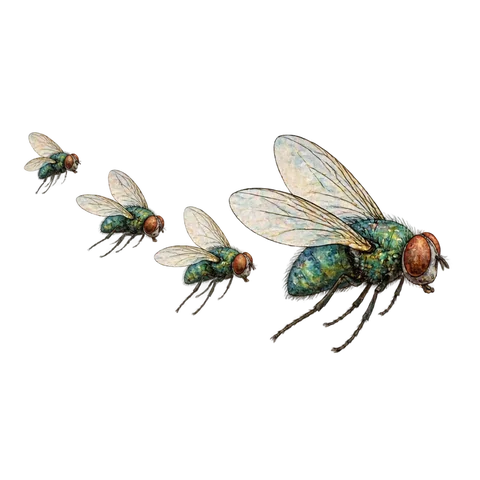
- Wenn hinter Fliegen Fliegen fliegen, fliegen Fliegen Fliegen hinterher.When flies fly behind flies, flies follow flies.
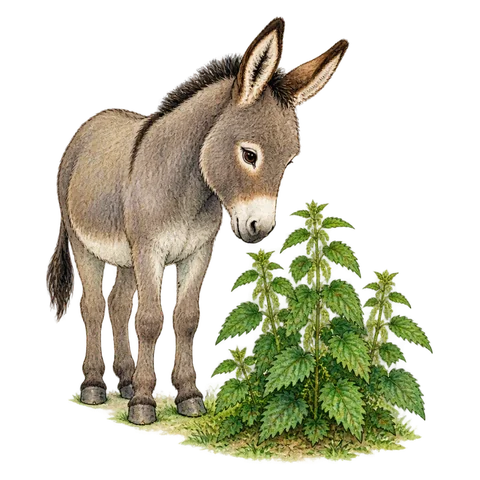
- Esel essen Nesseln nicht, Nesseln essen Esel nicht.Donkeys do not eat nettles; nettles do not eat donkeys.
- Schnecken erschrecken, wenn Schnecken an Schnecken schlecken.Snails get a fright when snails lick snails.
- Schnellsprechsprüche spreche ich schwer schnell.I find it hard to say quick-speaking sayings quickly.
Easy German tongue twisters for beginners
Use the shorter lines as warm-ups. Keep the stressed vowel clear and finish the final consonants.
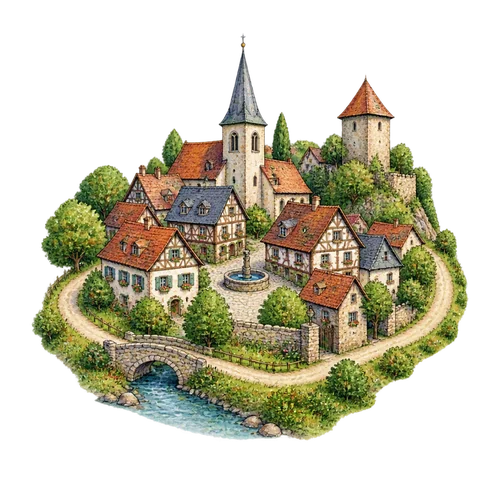
In Ulm und um Ulm und um Ulm herum.
In Ulm and around Ulm and all around Ulm.
Playful pronunciation exercise · Standard language; oral variants circulate
Easy · /ʊ/, /m/ and /l/
Pronunciation: Do not add a vowel between l and m in Ulm.
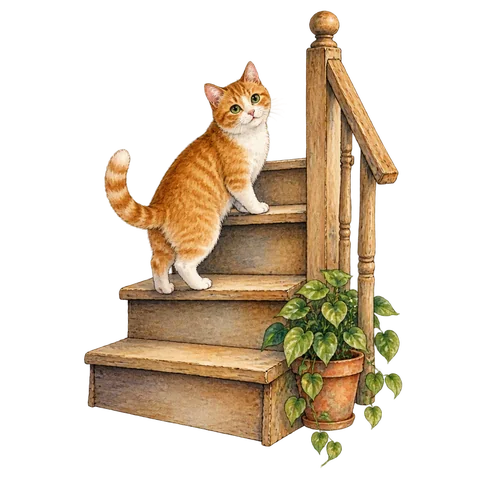
Source noteDie tritt die krumm.
The cat treads the staircase crooked.
Playful pronunciation exercise · Standard language; oral variants circulate
Easy · /tr/, /kr/ and double stops
Pronunciation: Make the vowels in tritt and Treppe short and keep both initial consonants.
 Source note
Kluge Katzen kratzen keine Krokodile.
Clever little cats do not scratch crocodiles.
Playful pronunciation exercise · Standard language; oral variants circulate
Easy · /kl/, /kr/ and /k/
Pronunciation: Do not confuse kl with kr; keep the k release clear.
 Source note
Nickende Nichten und wippende .
Nodding nieces and swaying spruce trees.
Playful pronunciation exercise · Standard language; oral variants circulate
Easy · /n/, /ç/ and /f/
Pronunciation: Use the soft ich sound in Nichten and Fichten, not English sh.
 Source note
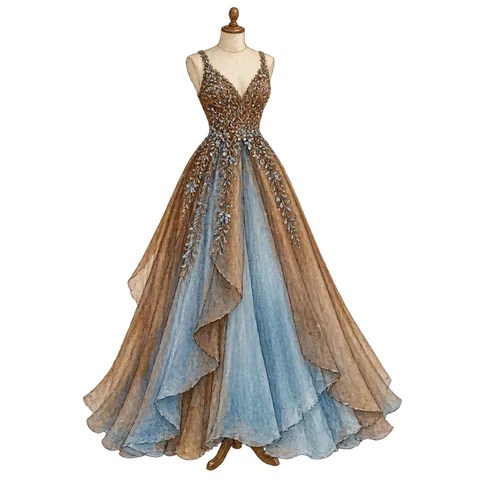
Braunblaues Brautkleid.
A brown-and-blue wedding dress.
Playful pronunciation exercise · Standard language; oral variants circulate
Easy · /br/ and /bl/
Pronunciation: Switch from r to l deliberately and preserve the au diphthong.
 Source note
Explore these words: Animals (flashcards) · House & rooms (flashcards) · Shapes, sizes & materials (flashcards)
Put these words into context with a story at your level.
Read German storiesGerman f, sch and s sounds
F uses the lower lip and upper teeth. Sch uses the tongue farther back than s.
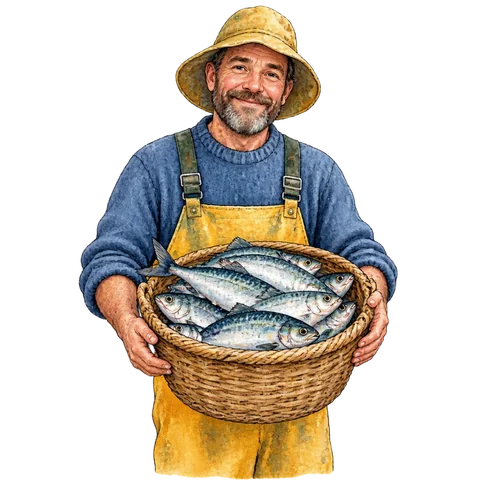
Fischers Fritz frische .
Fischer’s Fritz catches fresh fish.
Playful pronunciation exercise · Standard language; oral variants circulate
Intermediate · /f/, /ʃ/ and /fr/
Pronunciation: Move smoothly from f to r in frische; keep sch as a single sh-like sound.
Source noteWenn hinter , hinterher.
When flies fly behind flies, flies follow flies.
Playful pronunciation exercise · Standard language; oral variants circulate
Intermediate · /fl/ and /ɡ/
Pronunciation: Keep fl together; the repeated word changes grammatical role, not pronunciation.
 Source note
Esel Nesseln nicht, Nesseln Esel nicht.
Donkeys do not eat nettles; nettles do not eat donkeys.
Playful pronunciation exercise · Standard language; oral variants circulate
Intermediate · Voiced and voiceless s; /n/
Pronunciation: The first s in Esel is voiced; ss in essen and Nesseln is voiceless.
 Source note
Schnecken erschrecken, wenn Schnecken an Schnecken schlecken.
Snails get a fright when snails lick snails.
Playful pronunciation exercise · Standard language; oral variants circulate
Intermediate · /ʃn/, /ʃr/ and /ʃl/
Pronunciation: Keep the consonant after sch audible in each cluster; this is the opening of a longer twister.
 Source note
Schnellsprechsprüche spreche ich schwer schnell.
I find it hard to say quick-speaking sayings quickly.
Playful pronunciation exercise · Standard language; oral variants circulate
Intermediate · /ʃ/, /ç/ and /ʃpr/
Pronunciation: Keep the soft ch in spreche and ich separate from sch.
 Source note
Explore these words: Directions & position (flashcards) · Meals & restaurants (flashcards) · Food & cooking (flashcards)
Put these words into context with a story at your level.
Read German storiesGerman ch and consonant clusters
German ch changes with its surroundings. The soft sound in ich differs from the back-of-mouth sound in Dach.

Der Dachdecker deckt dein , drum dank dem Dachdecker, der dein deckt.
The roofer covers your roof, so thank the roofer who covers your roof.
Playful pronunciation exercise · Standard language; oral variants circulate
Intermediate · /d/, /k/ and /x/
Pronunciation: Use the back ch after a in Dach; do not replace it with a plain k.
Source noteKlitzekleine keinen Kirschkern knacken!
Tiny children cannot crack a cherry stone!
Playful pronunciation exercise · Standard language; oral variants circulate
Intermediate · /kl/, /k/, /ʃk/ and /kn/
Pronunciation: Keep the k in Kirschkern and the k-n sequence in knacken distinct.
 Source note
Eine Diplombibliothekarin ist Bibliothekarin mit Diplom, eine Bibliothekarin mit Diplom ist eine Diplombibliothekarin.
A qualified librarian is a librarian with a diploma; a librarian with a diploma is a qualified librarian.
Playful pronunciation exercise · Standard language; oral variants circulate
Intermediate · /bl/, /pl/ and long compounds
Pronunciation: Split Diplom-bibliothekarin at the word parts, then join them without an extra pause.
 Source note
Der Kaplan Klapp ein klappbares Pappplakat.
Chaplain Klapp plans a folding cardboard poster.
Playful pronunciation exercise · Standard language; oral variants circulate
Intermediate · /kl/, /pl/ and /p/
Pronunciation: Keep the repeated p consonants separate across Papp-plakat.
 Source note
Wachsmaske, Messwechsel, Messwechsel, Wachsmaske.
Wax mask, measurement change, measurement change, wax mask.
Playful pronunciation exercise · Standard language; oral variants circulate
Intermediate · /ks/, /s/ and /v/
Pronunciation: Keep Wachs as vaks; German w is voiced like English v.
 Source note
Explore these words: House & rooms (flashcards) · Age & life stages (flashcards)
Put these words into context with a story at your level.
Read German storiesGerman rounded vowels and r clusters
Keep the tongue position while rounding the lips for ö and ü. Avoid replacing them with ordinary English vowels.

Fröhliche, friedliche Südfrüchte.
Cheerful, peaceful tropical fruits.
Playful pronunciation exercise · Standard language; oral variants circulate
Intermediate · /øː/, /yː/, /fr/ and /ç/
Pronunciation: Keep rounded ö in fröhliche and ü in Südfrüchte; use the soft ch.
Source noteKlaus Knopf Knödel, Klöße, Klöpse.
Klaus Knopf loves dumplings, potato dumplings and meatballs.
Playful pronunciation exercise · Standard language; oral variants circulate
Intermediate · /kn/, /kl/ and /ø/
Pronunciation: Keep lip rounding for ö without adding a y sound before it.
 Source note
Bierbrauer Bauer braut , braut Bierbrauer Bauer.
Brewer Bauer brews brown beer; brewer Bauer brews brown beer.
Playful pronunciation exercise · Standard language; oral variants circulate
Intermediate · /br/, /aʊ/ and vowel length
Pronunciation: Distinguish long ie in Bier from au in braut and Bauer.
 Source note
Brautkleid Brautkleid und Blaukraut Blaukraut.
A wedding dress stays a wedding dress, and red cabbage stays red cabbage.
Playful pronunciation exercise · Standard language; oral variants circulate
Intermediate · /br/, /bl/, /aʊ/ and /aɪ/
Pronunciation: Keep bleibt’s ei different from the au in Braut and blau.
 Source note
Grießbrei bleibt Grießbrei, und Kriegsbeil bleibt Kriegsbeil.
Semolina pudding stays semolina pudding, and a battle-axe stays a battle-axe.
Playful pronunciation exercise · Standard language; oral variants circulate
Intermediate · /ɡr/, /kr/, /br/ and /bl/
Pronunciation: Keep Grieß-brei separate from Kriegs-beil; long ie and ei are different vowels.
 Source note
Explore these words: Colors (flashcards) · Drinks (flashcards) · Emotions & feelings (flashcards)
Put these words into context with a story at your level.
Read German storiesHard German tongue twisters
Take these in short groups before joining the full sentence. Accuracy matters more than winning a speed contest.
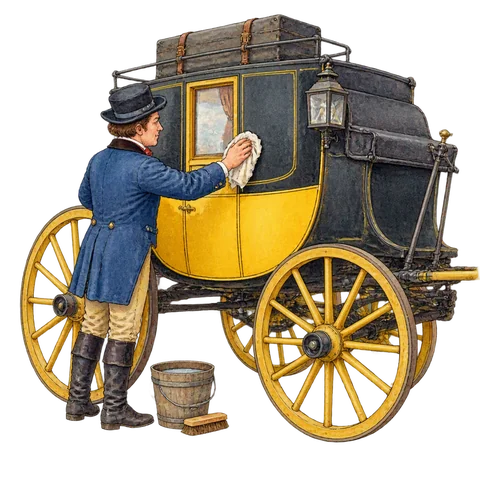
Der Cottbusser Postkutscher den Cottbusser Postkutschkasten.
The Cottbus mail-coach driver cleans the Cottbus mail-coach box.
Playful pronunciation exercise · Standard language; oral variants circulate
Hard · /p/, /ts/, /tʃ/ and /ʃk/
Pronunciation: Break Post-kutsch-kasten into word parts, then reconnect them.
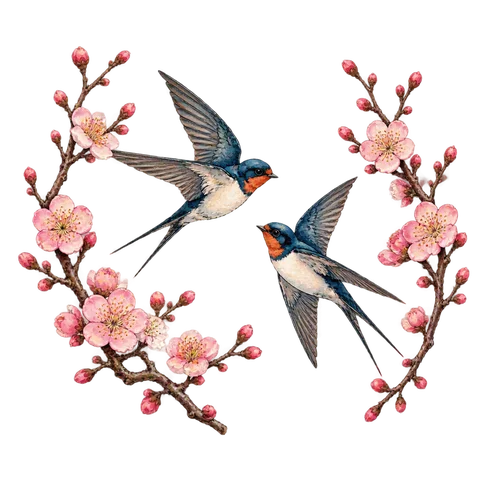
Source noteZwei Schwalben zwitschern zwischen zwei Zwetschgenzweigen.
Two swallows twitter between two plum branches.
Playful pronunciation exercise · Standard language; oral variants circulate
Hard · /tsv/, /ʃv/, /tʃ/ and /ɡ/
Pronunciation: German z begins with ts; do not lose the v sound in zw.
 Source note
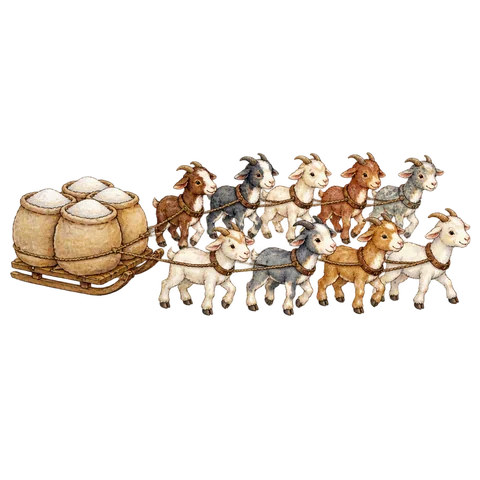
Am zehnten Zehnten um zogen zahme Ziegen Zentner zum Zoo.
On the tenth of October at ten past ten, ten tame goats pulled ten hundredweight of sugar to the zoo.
Playful pronunciation exercise · Standard language; oral variants circulate
Hard · /ts/ and vowel sequencing
Pronunciation: Give each z its ts sound; keep zehn and ziehen-related zogen distinct.
 Source note
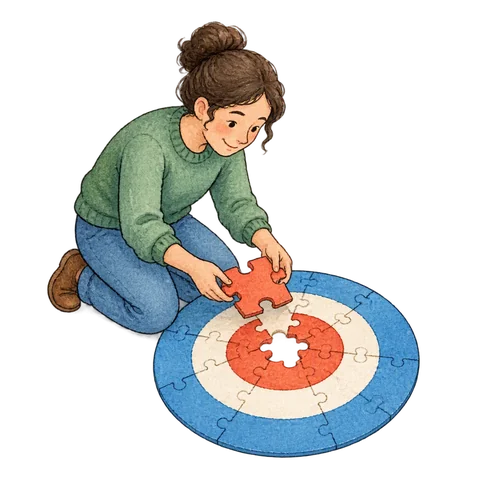
Der Zweck hat den Zweck, den Zweck zu bezwecken.
The purpose has the purpose of fulfilling the purpose.
Playful pronunciation exercise · Standard language; oral variants circulate
Hard · /tsv/, /k/ and repeated roots
Pronunciation: Finish the k before starting the next word; this is the opening of a longer attested twister.
 Source note
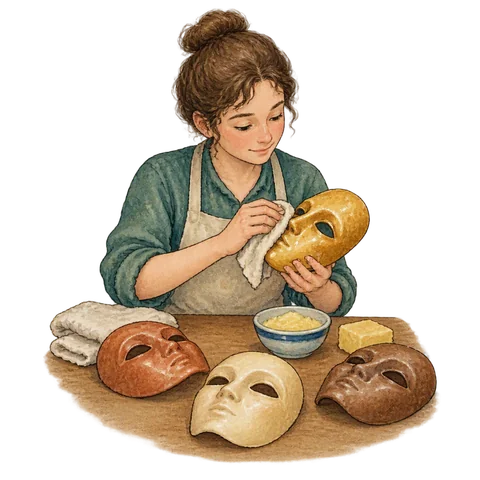
Max wachst Wachsmasken. Was wachst Max? Wachsmasken wachst Max.
Max waxes wax masks. What does Max wax? Max waxes wax masks.
Playful pronunciation exercise · Standard language; oral variants circulate
Hard · /ks/, /kst/ and /v/
Pronunciation: Keep wachst as the verb waxes: the t closes the cluster, unlike Wachs.
 Source note
Explore these words: Numbers (flashcards) · Chores & cleaning · Time & dates (flashcards)
Put these words into context with a story at your level.
Read German storiesA three-minute pronunciation drill
- Listen once without speaking and identify the repeated sound.
- Say the hardest two words separately three times, keeping the mouth movement relaxed.
- Say the whole line slowly and clearly three times. Restart after an error rather than accelerating through it.
- Try a natural pace. Use the fast version only after three accurate repetitions.
- Record one attempt and compare the target sound, not just your speed.
German tongue twisters: frequently asked questions
What are German tongue twisters called?
They are called Zungenbrecher, literally tongue breakers. The singular is der Zungenbrecher.
Which tongue twisters are best for beginners?
Choose a short line in the easy section and work on one sound contrast. A short phrase repeated accurately is more useful than a long one rushed.
Can children use these tongue twisters?
The easy section uses short, playful lines. An adult can model the phrase and turn repetition into a game. Longer traditional examples can include absurd scenes, so check the meaning first.
Should I practice fast or slowly?
Start slowly. Speed is a challenge after the sounds are accurate; rushing can reinforce the very substitution you want to change.
Why do different sites use different wording?
Many tongue twisters circulate orally. Small substitutions, reordered clauses and shortened versions are common. The source note records the version used here.
Will tongue twisters make me fluent?
They train sound coordination, not the whole language. Follow the drill with a normal phrase or a short story containing the same sound.
How long should I practice each day?
A focused two or three minutes is enough for one line. Stop if the mouth feels tense, and return to a comfortable pace.
Are the translations natural sentences?
They explain the scene, including its nonsense. A tongue twister is chosen for sound patterns, so its literal meaning may be strange.
What is the hardest German tongue twister?
There is no universal hardest tongue twister. Long consonant clusters can be difficult, but a short line can be just as demanding at speed. Choose a sound target from the advanced section and keep the word endings clear before trying the fast recording.
Make these words part of your day
Explore German stories, listen along, and save vocabulary as you go.
Find a story at your levelSources and verification
English translations and examples were written for this guide. Source notes distinguish documented expressions, original practice sentences, and literary quotations. Literary excerpts retain the language of their original period.
- International Collection: German tongue twisters — Long-running collection of attested tongue twisters; entry numbers below identify the selected wording. A collection attests circulation, not a provable date or author.
- Omniglot: German tongue twisters — Independent learner collection used to check several familiar versions; where versions differ, the source note specifies the form used.
Source notes for all 25 entries
- In Ulm und um Ulm und um Ulm herum.: Attested in Omniglot, selected wording. [omniglot]
- Die Katze tritt die Treppe krumm.: Attested in Omniglot, selected wording. [omniglot]
- Kluge kleine Katzen kratzen keine Krokodile.: Attested in Omniglot, selected wording. [omniglot]
- Nickende Nichten und wippende Fichten.: International Collection, item 3; punctuation and obvious spelling accents normalized. [collection]
- Braunblaues Brautkleid.: International Collection, item 15; punctuation and obvious spelling accents normalized. [collection]
- Fischers Fritz fischt frische Fische.: Attested in Omniglot, selected wording. [omniglot]
- Wenn hinter Fliegen Fliegen fliegen, fliegen Fliegen Fliegen hinterher.: Attested in Omniglot, selected wording. [omniglot]
- Esel essen Nesseln nicht, Nesseln essen Esel nicht.: Attested in Omniglot, selected wording. [omniglot]
- Schnecken erschrecken, wenn Schnecken an Schnecken schlecken.: International Collection, item 32; punctuation and obvious spelling accents normalized. [collection]
- Schnellsprechsprüche spreche ich schwer schnell.: International Collection, item 49; punctuation and obvious spelling accents normalized. [collection]
- Der Dachdecker deckt dein Dach, drum dank dem Dachdecker, der dein Dach deckt.: International Collection, item 20; punctuation and obvious spelling accents normalized. [collection]
- Klitzekleine Kinder können keinen Kirschkern knacken!: International Collection, item 43; punctuation and obvious spelling accents normalized. [collection]
- Eine Diplombibliothekarin ist Bibliothekarin mit Diplom, eine Bibliothekarin mit Diplom ist eine Diplombibliothekarin.: International Collection, item 18; punctuation and obvious spelling accents normalized. [collection]
- Der Kaplan Klapp plant ein klappbares Pappplakat.: International Collection, item 50; punctuation and obvious spelling accents normalized. [collection]
- Wachsmaske, Messwechsel, Messwechsel, Wachsmaske.: Attested in Omniglot, selected wording. [omniglot]
- Fröhliche, friedliche Südfrüchte.: International Collection, item 30; punctuation and obvious spelling accents normalized. [collection]
- Klaus Knopf liebt Knödel, Klöße, Klöpse.: International Collection, item 64; punctuation and obvious spelling accents normalized. [collection]
- Bierbrauer Bauer braut braunes Bier, braunes Bier braut Bierbrauer Bauer.: International Collection, item 19; punctuation and obvious spelling accents normalized. [collection]
- Brautkleid bleibt Brautkleid und Blaukraut bleibt Blaukraut.: International Collection, item 57; punctuation and obvious spelling accents normalized. [collection]
- Grießbrei bleibt Grießbrei, und Kriegsbeil bleibt Kriegsbeil.: International Collection, item 5; punctuation and obvious spelling accents normalized. [collection]
- Der Cottbusser Postkutscher putzt den Cottbusser Postkutschkasten.: Attested in Omniglot, selected wording. [omniglot]
- Zwei Schwalben zwitschern zwischen zwei Zwetschgenzweigen.: Attested in Omniglot, selected wording. [omniglot]
- Am zehnten Zehnten um zehn Uhr zehn zogen zehn zahme Ziegen zehn Zentner Zucker zum Zoo.: International Collection, item 13; punctuation and obvious spelling accents normalized. [collection]
- Der Zweck hat den Zweck, den Zweck zu bezwecken.: International Collection, item 39; punctuation and obvious spelling accents normalized. [collection]
- Max wachst Wachsmasken. Was wachst Max? Wachsmasken wachst Max.: International Collection, item 61; punctuation and obvious spelling accents normalized. [collection]