
THE INKLINGO LANGUAGE GUIDES
90 French Idioms & Proverbs (Meanings + Audio)
Explore 80 French idioms and 10 traditional proverbs with literal translations, natural English meanings and original example sentences. Begin with the essential 20, then choose a theme that matches the conversation you want to have.

Essential 20
- Tomber dans les pommesTo pass out
- Donner sa langue au chatTo give up guessing
- Coûter les yeux de la têteTo cost an arm and a leg
- Poser un lapin à quelqu’unTo stand someone up
- Avoir d’autres chats à fouetterTo have other fish to fry
- Mettre son grain de selTo put your two cents in
- Manger sur le pouceTo grab a quick bite
- Faire la grasse matinéeTo have a lie-in
- Avoir un coup de foudreTo fall in love at first sight
- Faire la têteTo sulk
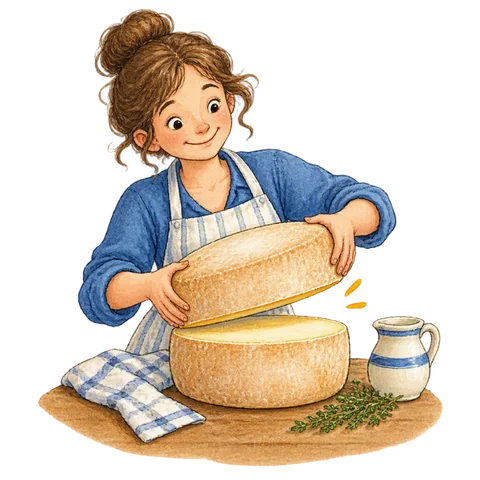
- En faire tout un fromageTo make a big deal of it
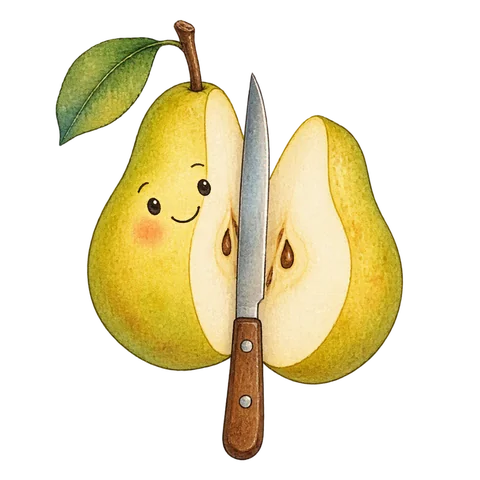
- Couper la poire en deuxTo meet halfway
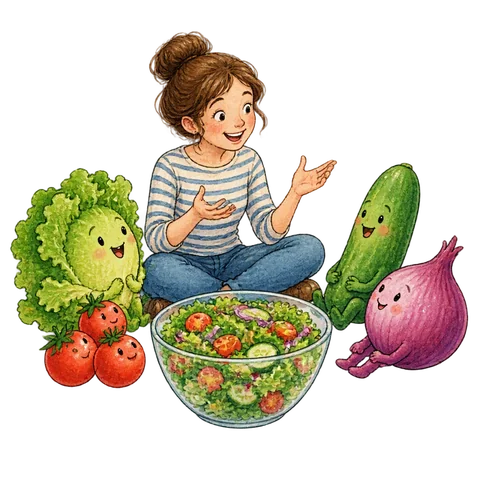
- Raconter des saladesTo spin a yarn
- Prendre ses jambes à son couTo take to your heels
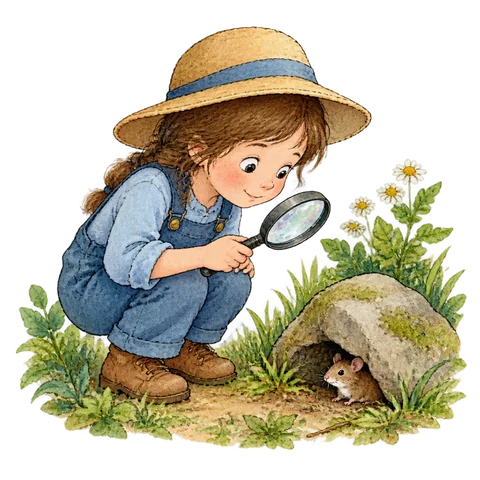
- Chercher la petite bêteTo nitpick
- Avoir les yeux plus gros que le ventreTo have eyes bigger than your stomach
- Être aux angesTo be over the moon
- Pleuvoir des cordesTo rain cats and dogs
- Être dans le pétrinTo be in a pickle
- Prendre au pied de la lettreTo take literally
20 essential French idioms
Start with these versatile expressions. Read the literal image, then use the example to hear the intended meaning.

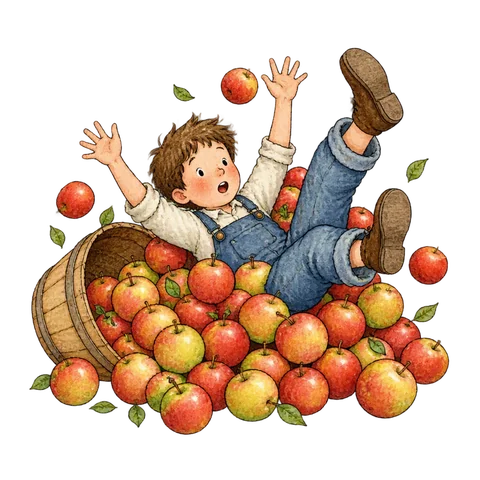
Tomber dans les
To pass out
Literally: To fall into the apples
Meaning: To faint or lose consciousness.
Closest English expression: To pass out
Informal; use literal medical wording when precision matters. · Standard French; usage varies by speaker and setting.
In a sentence
 Source note
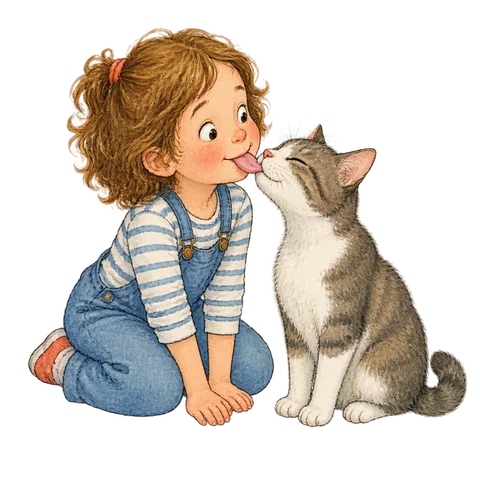
Donner sa langue au
To give up guessing
Literally: To give your tongue to the cat
Meaning: To stop trying to guess an answer and ask to be told.
Closest English expression: To give up guessing
Conversational; particularly riddles and guessing games. · Standard French; usage varies by speaker and setting.
In a sentence
 Source note
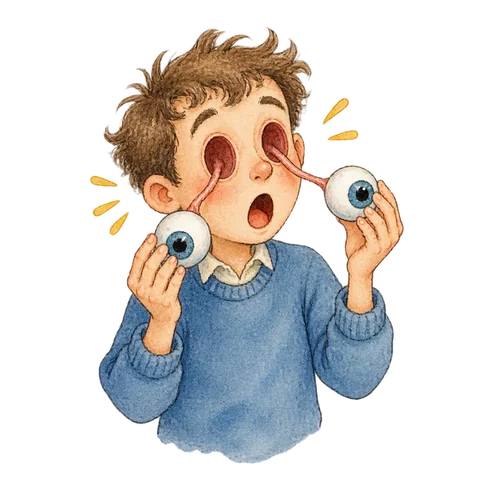
Coûter les de la
To cost an arm and a leg
Literally: To cost the eyes from your head
Meaning: To be very expensive relative to what you can pay.
Closest English expression: To cost an arm and a leg
Conversational exaggeration. · Standard French; usage varies by speaker and setting.
In a sentence
 Source note
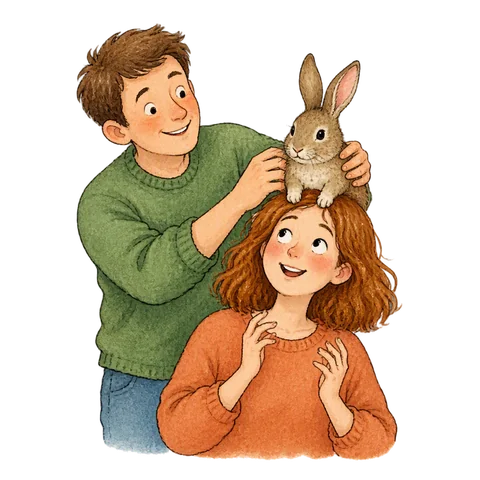
un lapin à quelqu’un
To stand someone up
Literally: To put a rabbit to someone
Meaning: To fail to attend an arranged meeting without warning the person waiting.
Closest English expression: To stand someone up
Informal; meetings as well as dates. · Standard French; usage varies by speaker and setting.
In a sentence
 Source note
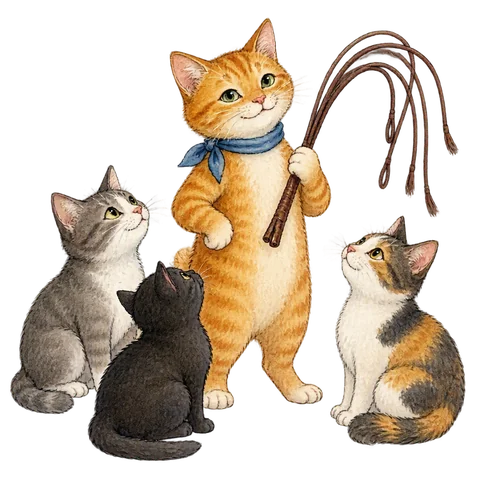
Avoir d’autres chats à fouetter
To have other fish to fry
Literally: To have other cats to whip
Meaning: To have other matters that deserve your attention more.
Closest English expression: To have other fish to fry
Conversational; can sound dismissive. · Standard French; usage varies by speaker and setting.
In a sentence
 Source note
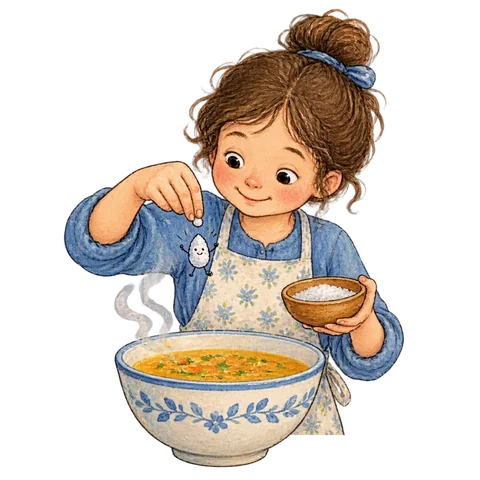
Mettre son grain de
To put your two cents in
Literally: To add your grain of salt
Meaning: To add an opinion, especially without being asked.
Closest English expression: To put your two cents in
Conversational; often mildly critical. · Standard French; usage varies by speaker and setting.
In a sentence
 Source note
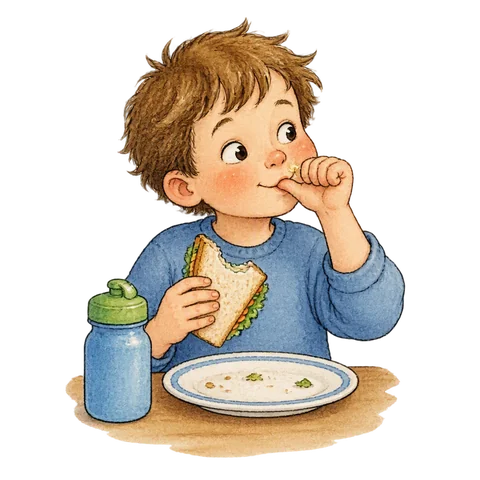
Manger sur le
To grab a quick bite
Literally: To eat on the thumb
Meaning: To have a quick meal with little time or ceremony.
Closest English expression: To grab a quick bite
Conversational; not a type of food. · Standard French; usage varies by speaker and setting.
In a sentence
 Source note
Faire la grasse
To have a lie-in
Literally: To do the fat morning
Meaning: To stay in bed later than usual in the morning.
Closest English expression: To have a lie-in
Neutral conversational. · Standard French; usage varies by speaker and setting.
In a sentence
 Source note
Avoir un coup de foudre
To fall in love at first sight
Literally: To have a lightning strike
Meaning: To feel an immediate, powerful attraction to a person or thing.
Closest English expression: To fall in love at first sight
Conversational; pour introduces the object of attraction. · Standard French; usage varies by speaker and setting.
In a sentence
 Source note
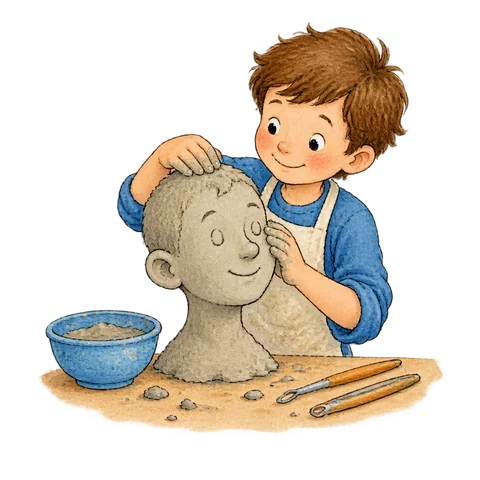
la tête
To sulk
Literally: To make the head
Meaning: To show displeasure by sulking or looking unhappy.
Closest English expression: To sulk
Conversational; direct questions can sound reproachful. · Standard French; usage varies by speaker and setting.
In a sentence
 Source note
En faire tout un
To make a big deal of it
Literally: To make a whole cheese of it
Meaning: To make more fuss about a matter than it deserves.
Closest English expression: To make a big deal of it
Informal; en refers back to the issue. · Standard French; usage varies by speaker and setting.
In a sentence
 Source note
la poire en
To meet halfway
Literally: To cut the pear in two
Meaning: To reach a compromise between two positions.
Closest English expression: To meet halfway
Conversational; often negotiation. · Standard French; usage varies by speaker and setting.
In a sentence
 Source note
Raconter des salades
To spin a yarn
Literally: To tell salads
Meaning: To tell lies or an invented account.
Closest English expression: To spin a yarn
Informal and accusatory. · Standard French; usage varies by speaker and setting.
In a sentence
 Source note
Prendre ses à son
To take to your heels
Literally: To take your legs to your neck
Meaning: To run away very quickly.
Closest English expression: To take to your heels
Conversational; often vivid storytelling. · Standard French; usage varies by speaker and setting.
In a sentence
 Source note
la petite bête
To nitpick
Literally: To look for the little creature
Meaning: To hunt for insignificant faults or unnecessary complications.
Closest English expression: To nitpick
Conversational; critical of excessive scrutiny. · Standard French; usage varies by speaker and setting.
In a sentence
 Source note
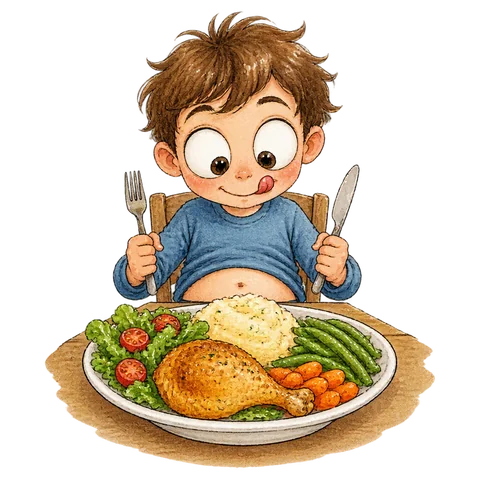
Avoir les plus gros que le ventre
To have eyes bigger than your stomach
Literally: To have eyes bigger than the stomach
Meaning: To take more food than you can actually eat.
Closest English expression: To have eyes bigger than your stomach
Conversational; can extend to overambitious appetites. · Standard French; usage varies by speaker and setting.
In a sentence
 Source note
Être aux anges
To be over the moon
Literally: To be among the angels
Meaning: To be delighted or extremely happy.
Closest English expression: To be over the moon
Conversational; positive emotion. · Standard French; usage varies by speaker and setting.
In a sentence
 Source note
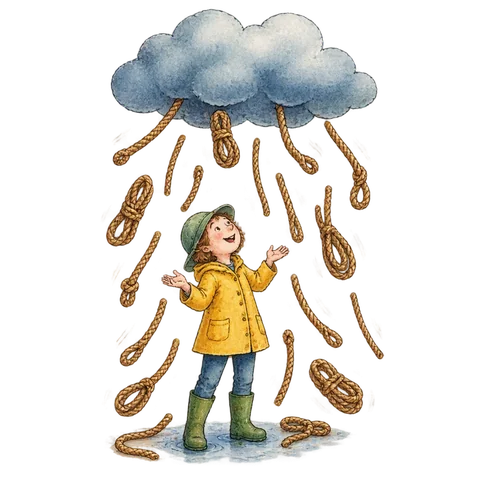
Pleuvoir des
To rain cats and dogs
Literally: To rain ropes
Meaning: To rain heavily and continuously.
Closest English expression: To rain cats and dogs
Conversational; use impersonal il pleut. · Standard French; usage varies by speaker and setting.
In a sentence
 Source note
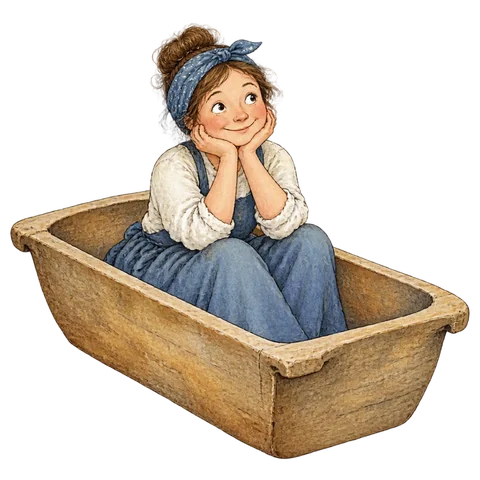
Être dans le pétrin
To be in a pickle
Literally: To be in the kneading trough
Meaning: To be stuck in a difficult situation.
Closest English expression: To be in a pickle
Conversational; no actual dough is involved. · Standard French; usage varies by speaker and setting.
In a sentence
 Source note
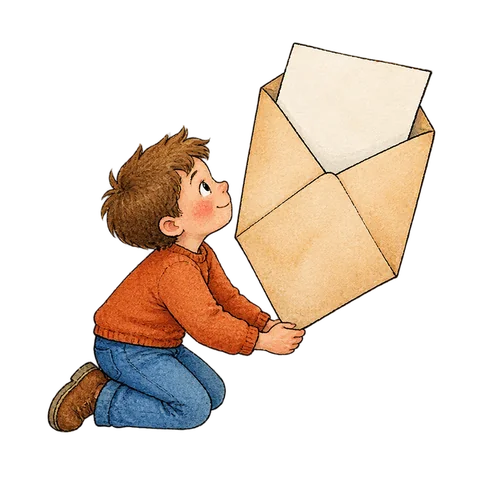
Prendre au pied de la lettre
To take literally
Literally: To take at the foot of the letter
Meaning: To interpret wording exactly, without allowing for exaggeration or metaphor.
Closest English expression: To take literally
Neutral; the object can precede the verb as a pronoun. · Standard French; usage varies by speaker and setting.
In a sentence
 Source note
Explore these words: Body parts (flashcards) · Time & dates (flashcards) · Emotions & feelings (flashcards)
Put these words into context with a story at your level.
Read French storiesFrench idioms for feelings and reactions
These expressions describe mood, surprise and emotional pressure. Tone matters, especially when describing another person.

Avoir la pêche
To be full of beans
Literally: To have the peach
Meaning: To feel lively and energetic.
Closest English expression: To be full of beans
Informal; an upbeat self-description. · Standard French; usage varies by speaker and setting.
In a sentence
Avoir le cafard
To have the blues
Literally: To have the cockroach
Meaning: To feel low or gloomy.
Closest English expression: To have the blues
Conversational; not a clinical diagnosis. · Standard French; usage varies by speaker and setting.
In a sentence
une peur
To be terrified
Literally: To have a blue fear
Meaning: To be intensely afraid of something.
Closest English expression: To be terrified
Conversational; de introduces the feared thing. · Standard French; usage varies by speaker and setting.
In a sentence
Ne pas être dans son
To be out of sorts
Literally: Not to be in your plate
Meaning: To feel unlike your usual self, physically or emotionally.
Closest English expression: To be out of sorts
Conversational; tactful, nonspecific concern. · Standard French; usage varies by speaker and setting.
In a sentence
Avoir la moutarde qui monte au
To feel your temper rising
Literally: To have mustard rising into your nose
Meaning: To feel anger building up.
Closest English expression: To feel your temper rising
Conversational; commonly varied as la moutarde me monte au nez. · Standard French; usage varies by speaker and setting.
In a sentence
un dans la
To have a frog in your throat
Literally: To have a cat in the throat
Meaning: To have a rough or blocked-sounding voice and need to clear your throat.
Closest English expression: To have a frog in your throat
Conversational; about the voice. · Standard French; usage varies by speaker and setting.
In a sentence
Être bien dans sa peau
To be comfortable in your own skin
Literally: To be comfortable in your skin
Meaning: To feel at ease with yourself and who you are.
Closest English expression: To be comfortable in your own skin
Neutral conversational. · Standard French; usage varies by speaker and setting.
In a sentence
Avoir la gueule de bois
To have a hangover
Literally: To have a wooden mouth
Meaning: To feel the aftereffects of drinking too much alcohol.
Closest English expression: To have a hangover
Informal; gueule is coarse in other contexts. · Standard French; usage varies by speaker and setting.
In a sentence
Être crevé
To be exhausted
Literally: To be burst or punctured
Meaning: To feel extremely tired.
Closest English expression: To be exhausted
Informal; adjective agrees with the subject. · Standard French; usage varies by speaker and setting.
In a sentence
En ras le
To be fed up
Literally: To have it up to the rim of the bowl
Meaning: To have reached the limit of your patience.
Closest English expression: To be fed up
Informal; stronger irritation than a neutral complaint. · Standard French; usage varies by speaker and setting.
In a sentence
Explore these words: Time & dates (flashcards) · Emotions & feelings (flashcards) · Body parts (flashcards)
Put these words into context with a story at your level.
Read French storiesFrench idioms about people and relationships
Use these phrases to recognize personality and social dynamics. Critical descriptions can sound unkind when directed at someone.

Avoir un poil dans la main
To be bone-idle
Literally: To have a hair in the palm
Meaning: To habitually avoid effort or work.
Closest English expression: To be bone-idle
Informal; unkind if directed at someone. · Standard French; usage varies by speaker and setting.
In a sentence
les dents longues
To be hungry for success
Literally: To have long teeth
Meaning: To be strongly ambitious, often with a competitive edge.
Closest English expression: To be hungry for success
Conversational; can suggest ruthless ambition. · Standard French; usage varies by speaker and setting.
In a sentence
Avoir le cœur sur la main
To be generous-hearted
Literally: To have your heart on your hand
Meaning: To be generous and ready to help.
Closest English expression: To be generous-hearted
Conversational praise. · Standard French; usage varies by speaker and setting.
In a sentence
Avoir le melon
To have a big head
Literally: To have the melon
Meaning: To have an inflated opinion of yourself.
Closest English expression: To have a big head
Informal; critical or teasing. · Standard French; usage varies by speaker and setting.
In a sentence
Avoir du
To be full of fighting spirit
Literally: To have eaten lion
Meaning: To display unusual energy, determination or force.
Closest English expression: To be full of fighting spirit
Conversational; often admiring surprise. · Standard French; usage varies by speaker and setting.
In a sentence
Avoir une d’éléphant
To have a memory like an elephant
Literally: To have an elephant’s memory
Meaning: To remember names, details or events exceptionally well.
Closest English expression: To have a memory like an elephant
Conversational praise. · Standard French; usage varies by speaker and setting.
In a sentence
Être comme ses pieds
To be as thick as two short planks
Literally: To be as stupid as your feet
Meaning: To behave or seem very foolish.
Closest English expression: To be as thick as two short planks
Insulting; learn to recognize it, avoid casual personal use. · Standard French; usage varies by speaker and setting.
In a sentence
Avoir dos
To be a convenient scapegoat
Literally: To have a good back
Meaning: To be a convenient person or thing to blame.
Closest English expression: To be a convenient scapegoat
Conversational; often challenges an excuse. · Standard French; usage varies by speaker and setting.
In a sentence
Se regarder le nombril
To navel-gaze
Literally: To look at your own navel
Meaning: To focus excessively on yourself and your concerns.
Closest English expression: To navel-gaze
Conversational; critical. · Standard French; usage varies by speaker and setting.
In a sentence
Être au
To be quick-tempered
Literally: To be milk soup
Meaning: To be quick to flare up in anger.
Closest English expression: To be quick-tempered
Conversational; describes temperament. · Standard French; usage varies by speaker and setting.
In a sentence
Explore these words: Food & cooking (flashcards) · Meals & restaurants (flashcards) · Animals (flashcards)
Put these words into context with a story at your level.
Read French storiesFrench idioms for work and decisions
These expressions make effort, progress and choices concrete. Practice them with a real task in mind.

Avoir du sur la
To have your work cut out
Literally: To have bread on the board
Meaning: To have plenty of work still to do.
Closest English expression: To have your work cut out
Conversational; tasks ahead, not necessarily impossible tasks. · Standard French; usage varies by speaker and setting.
In a sentence
Faire d’une pierre coups
To kill two birds with one stone
Literally: To make two hits with one stone
Meaning: To get two useful results from a single action.
Closest English expression: To kill two birds with one stone
Neutral conversational. · Standard French; usage varies by speaker and setting.
In a sentence
Avoir les pieds et les poings liés
To have your hands tied
Literally: To have your feet and fists tied
Meaning: To lack freedom to act because of constraints.
Closest English expression: To have your hands tied
Neutral; poings means fists, not points. · Standard French; usage varies by speaker and setting.
In a sentence
Les dans le
With your eyes closed
Literally: With your fingers in your nose
Meaning: To do something with very little effort.
Closest English expression: With your eyes closed
Informal; can sound boastful. · Standard French; usage varies by speaker and setting.
In a sentence
la froide
To keep a cool head
Literally: To keep your head cool
Meaning: To remain calm and rational under pressure.
Closest English expression: To keep a cool head
Neutral conversational. · Standard French; usage varies by speaker and setting.
In a sentence
Se la
To rack your brains
Literally: To dig into your head
Meaning: To think hard in search of an answer or idea.
Closest English expression: To rack your brains
Conversational; a reflexive verb. · Standard French; usage varies by speaker and setting.
In a sentence
Se la
To go to a lot of trouble
Literally: To break your head
Meaning: To go to considerable trouble thinking through or arranging something.
Closest English expression: To go to a lot of trouble
Conversational; often in reassurance. · Standard French; usage varies by speaker and setting.
In a sentence
Pédaler dans la semoule
To get nowhere fast
Literally: To pedal in semolina
Meaning: To expend effort without making useful progress.
Closest English expression: To get nowhere fast
Informal, humorous. · Standard French; usage varies by speaker and setting.
In a sentence
Avoir la dans le guidon
To be buried in work
Literally: To have your head in the handlebars
Meaning: To be absorbed in urgent work and lose broader perspective.
Closest English expression: To be buried in work
Conversational; stresses intense focus or pressure. · Standard French; usage varies by speaker and setting.
In a sentence
Prendre son à mains
To pluck up courage
Literally: To take your courage in both hands
Meaning: To gather the resolve to do something intimidating.
Closest English expression: To pluck up courage
Neutral conversational. · Standard French; usage varies by speaker and setting.
In a sentence
Explore these words: Body parts (flashcards) · Numbers (flashcards) · Food & cooking (flashcards)
Put these words into context with a story at your level.
Read French storiesFrench idioms about food, money and daily life
Everyday objects become memorable images for spending, habits and social life. The English equivalents give the sense rather than a word-for-word match.
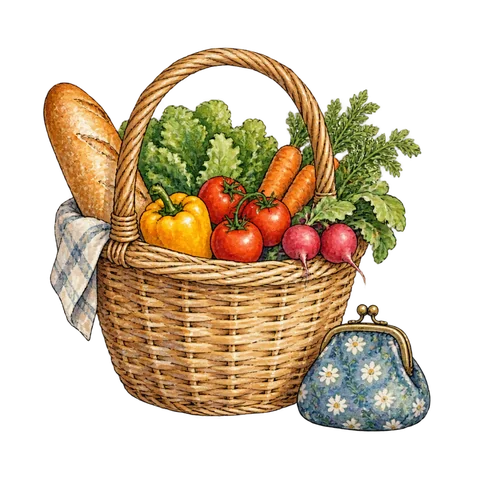
Jeter l’ par les
To throw money away
Literally: To throw money through the windows
Meaning: To spend money wastefully.
Closest English expression: To throw money away
Conversational; critical of waste. · Standard French; usage varies by speaker and setting.
In a sentence
Pour une bouchée de
For next to nothing
Literally: For a mouthful of bread
Meaning: For a very small amount of money.
Closest English expression: For next to nothing
Conversational; requires a price context. · Standard French; usage varies by speaker and setting.
In a sentence
Rouler sur l’
To be rolling in money
Literally: To roll on gold
Meaning: To have abundant money.
Closest English expression: To be rolling in money
Conversational; often negated. · Standard French; usage varies by speaker and setting.
In a sentence
Se la ceinture
To tighten your belt
Literally: To tighten your belt
Meaning: To reduce spending or consumption to manage limited resources.
Closest English expression: To tighten your belt
Neutral conversational. · Standard French; usage varies by speaker and setting.
In a sentence
Mettre du dans les épinards
To bring in a little extra money
Literally: To put butter in the spinach
Meaning: To improve your finances with extra income.
Closest English expression: To bring in a little extra money
Conversational; a modest improvement rather than sudden wealth. · Standard French; usage varies by speaker and setting.
In a sentence
Être sur la
To be penniless
Literally: To be on the straw
Meaning: To be left without money or resources.
Closest English expression: To be penniless
Conversational, often exaggerated. · Standard French; usage varies by speaker and setting.
In a sentence
sur le champignon
To step on the gas
Literally: To press on the mushroom
Meaning: To accelerate a vehicle.
Closest English expression: To step on the gas
Informal; can extend to speeding up work. · Standard French; usage varies by speaker and setting.
In a sentence
à tombeau ouvert
To drive at breakneck speed
Literally: To drive with the tomb open
Meaning: To drive at a dangerously high speed.
Closest English expression: To drive at breakneck speed
Conversational; disapproving of danger. · Standard French; usage varies by speaker and setting.
In a sentence
Faire le
To take a bridging day off
Literally: To make the bridge
Meaning: To take a workday off between a public holiday and the weekend.
Closest English expression: To take a bridging day off
Neutral; familiar in France’s holiday calendar. · Standard French; usage varies by speaker and setting.
In a sentence
Être sur son et un
To be dressed to the nines
Literally: To be on your thirty-one
Meaning: To be dressed especially elegantly for an occasion.
Closest English expression: To be dressed to the nines
Conversational; also written sur son 31. · Standard French; usage varies by speaker and setting.
In a sentence
Explore these words: Time & dates (flashcards) · Money & banking (flashcards) · Food & cooking (flashcards)
Put these words into context with a story at your level.
Read French storiesFrench idioms for speaking and understanding
These phrases concern tact, attention, suspicion and the way a conversation develops. The examples supply the grammatical frame.

Faire la sourde
To turn a deaf ear
Literally: To make the deaf ear
Meaning: To deliberately ignore what someone asks or says.
Closest English expression: To turn a deaf ear
Neutral conversational; deliberate ignoring. · Standard French; usage varies by speaker and setting.
In a sentence
Appeler un un
To call a spade a spade
Literally: To call a cat a cat
Meaning: To name something directly instead of using a euphemism.
Closest English expression: To call a spade a spade
Conversational; direct, sometimes blunt. · Standard French; usage varies by speaker and setting.
In a sentence
N’y voir du
To be none the wiser
Literally: To see only fire in it
Meaning: To fail to notice a trick, substitution or deception.
Closest English expression: To be none the wiser
Conversational; often after a deception or unnoticed change. · Standard French; usage varies by speaker and setting.
In a sentence
Aller au
To get straight to the point
Literally: To go straight to the goal
Meaning: To address the central issue without digressions.
Closest English expression: To get straight to the point
Neutral; useful in meetings. · Standard French; usage varies by speaker and setting.
In a sentence
la main dans le
To catch red-handed
Literally: To catch with the hand in the bag
Meaning: To catch someone in the act of doing something wrong.
Closest English expression: To catch red-handed
Conversational; object pronoun names the person caught. · Standard French; usage varies by speaker and setting.
In a sentence
Avoir un mot sur le bout de la langue
To have a word on the tip of your tongue
Literally: To have a word on the tip of your tongue
Meaning: To almost remember a word but not quite retrieve it.
Closest English expression: To have a word on the tip of your tongue
Neutral conversational. · Standard French; usage varies by speaker and setting.
In a sentence
En un d’œil
In the blink of an eye
Literally: In a wink of the eye
Meaning: In a very short time.
Closest English expression: In the blink of an eye
Neutral; an adverbial expression. · Standard French; usage varies by speaker and setting.
In a sentence
un coup d’
To take a quick look
Literally: To throw a stroke of the eye
Meaning: To look briefly at something.
Closest English expression: To take a quick look
Neutral conversational; à introduces the object. · Standard French; usage varies by speaker and setting.
In a sentence
Faire
To hit the mark
Literally: To hit the fly
Meaning: To achieve exactly the intended effect, as with a remark or argument.
Closest English expression: To hit the mark
Neutral figurative use; also a shooting expression. · Standard French; usage varies by speaker and setting.
In a sentence
Changer de crèmerie
To take your business elsewhere
Literally: To change dairy shop
Meaning: To switch the place, provider or group you usually use.
Closest English expression: To take your business elsewhere
Informal; can extend beyond an actual shop. · Standard French; usage varies by speaker and setting.
In a sentence
Explore these words: Body parts (flashcards) · Animals (flashcards) · Directions & position (flashcards)
Put these words into context with a story at your level.
Read French storiesFrench idioms for problems and setbacks
Use these when something goes wrong or a situation becomes hard to manage. Avoid treating humorous exaggeration as a literal description.
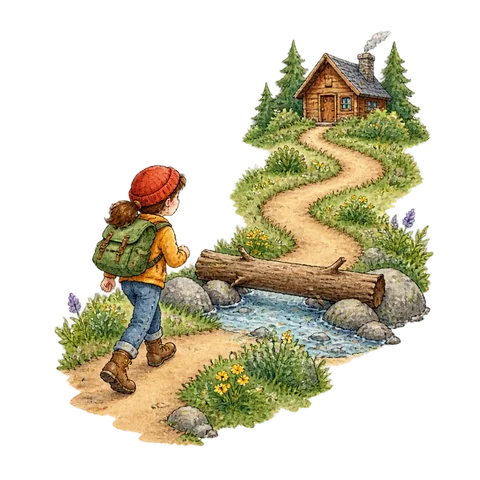
Tourner au vinaigre
To turn sour
Literally: To turn into vinegar
Meaning: For an encounter or situation to become unpleasant or hostile.
Closest English expression: To turn sour
Conversational; especially arguments. · Standard French; usage varies by speaker and setting.
In a sentence
Tomber dans le panneau
To fall for it
Literally: To fall into the trap-panel
Meaning: To be deceived by a trick or false appearance.
Closest English expression: To fall for it
Conversational; panneau is a fixed part of the image. · Standard French; usage varies by speaker and setting.
In a sentence
Ne pas être sorti de l’auberge
To not be out of the woods
Literally: Not to have left the inn
Meaning: To still face substantial difficulties before a problem is resolved.
Closest English expression: To not be out of the woods
Informal; often humorous frustration. · Standard French; usage varies by speaker and setting.
In a sentence
Être tiré par les
To be far-fetched
Literally: To be pulled by the hair
Meaning: To be forced, unlikely or difficult to believe.
Closest English expression: To be far-fetched
Conversational; typically describes explanations or connections. · Standard French; usage varies by speaker and setting.
In a sentence
les pieds à quelqu’un
To get on someone’s nerves
Literally: To break someone’s feet
Meaning: To annoy someone persistently.
Closest English expression: To get on someone’s nerves
Informal; direct personal use sounds rude. · Standard French; usage varies by speaker and setting.
In a sentence
du sur le dos de quelqu’un
To talk behind someone’s back
Literally: To break sugar on someone’s back
Meaning: To criticize someone when they are absent.
Closest English expression: To talk behind someone’s back
Informal; disapproving of gossip. · Standard French; usage varies by speaker and setting.
In a sentence
une épine du pied à quelqu’un
To get someone out of a fix
Literally: To remove a thorn from someone’s foot
Meaning: To solve a difficulty that has been troubling someone.
Closest English expression: To get someone out of a fix
Neutral conversational; often expresses gratitude. · Standard French; usage varies by speaker and setting.
In a sentence
C’est une paire de manches.
That’s a different kettle of fish.
Literally: It’s another pair of sleeves.
Meaning: The new task is a different matter, usually harder than the previous one.
Closest English expression: That’s a different kettle of fish.
Conversational; a comparison is implied. · Standard French; usage varies by speaker and setting.
In a sentence
La d’ qui fait déborder le vase
The last straw
Literally: The drop of water that makes the vase overflow
Meaning: The final small annoyance that makes accumulated problems unbearable.
Closest English expression: The last straw
Neutral conversational; not simply any isolated problem. · Standard French; usage varies by speaker and setting.
In a sentence
l’éponge
To throw in the towel
Literally: To throw the sponge
Meaning: To abandon a struggle or stop trying.
Closest English expression: To throw in the towel
Neutral conversational. · Standard French; usage varies by speaker and setting.
In a sentence
Explore these words: Directions & position (flashcards) · Technology & phones (flashcards) · Opinions & agreeing (flashcards)
Put these words into context with a story at your level.
Read French stories10 traditional French proverbs and sayings
A proverb normally makes a complete observation, whereas an idiom often fits inside a sentence. These sayings express perspectives, not rules that are always true.

Petit à petit, l’ fait son nid.
Little by little, you get there.
Literally: Little by little, the bird builds its nest.
Meaning: Repeated small efforts can build something substantial.
Closest English expression: Little by little, you get there.
Traditional encouragement; not a promise of effortless success. · Standard French; usage varies by speaker and setting.
In a sentence
L’habit pas le moine.
Don’t judge a book by its cover.
Literally: The habit does not make the monk.
Meaning: Appearance alone does not reveal someone’s character or ability.
Closest English expression: Don’t judge a book by its cover.
Traditional proverb about appearances. · Standard French; usage varies by speaker and setting.
In a sentence
Mieux vaut que .
Better late than never.
Literally: Better late than never.
Meaning: A delayed worthwhile action can still be worth doing.
Closest English expression: Better late than never.
Traditional; may also be said with mild irony. · Standard French; usage varies by speaker and setting.
In a sentence
Après la , le beau .
Better days will come.
Literally: After rain, fine weather.
Meaning: A hard period may be followed by a better one.
Closest English expression: Better days will come.
Traditional reassurance; figurative rather than a forecast. · Standard French; usage varies by speaker and setting.
In a sentence
Tout vient à point à qui attendre.
Good things come to those who wait.
Literally: Everything comes in due time to one who knows how to wait.
Meaning: Patience can allow the right opportunity to arrive.
Closest English expression: Good things come to those who wait.
Traditional praise of patience; not advice to avoid all action. · Standard French; usage varies by speaker and setting.
In a sentence
Les petits ruisseaux les grandes .
Small amounts add up.
Literally: Small streams make great rivers.
Meaning: Many modest contributions can add up to a large result.
Closest English expression: Small amounts add up.
Traditional; often money or collective contributions. · Standard French; usage varies by speaker and setting.
In a sentence
échaudé craint l’ froide.
Once bitten, twice shy.
Literally: A scalded cat fears cold water.
Meaning: A bad experience can make someone wary even of safer situations.
Closest English expression: Once bitten, twice shy.
Traditional observation about learned caution. · Standard French; usage varies by speaker and setting.
In a sentence
Il faut pas vendre la peau de l’ours avant de l’avoir .
Don’t count your chickens before they hatch.
Literally: Do not sell the bear’s skin before killing it.
Meaning: Do not treat an uncertain success as already achieved.
Closest English expression: Don’t count your chickens before they hatch.
Traditional figurative caution; not literal hunting advice. · Standard French; usage varies by speaker and setting.
In a sentence
À , on regarde pas les dents.
Don’t look a gift horse in the mouth.
Literally: One does not inspect the teeth of a gift horse.
Meaning: Avoid being overly critical of a gift freely given.
Closest English expression: Don’t look a gift horse in the mouth.
Traditional variant; more natural here than the older la bride form in the record heading. · Standard French; usage varies by speaker and setting.
In a sentence
Qui vivra verra.
Time will tell.
Literally: Whoever lives will see.
Meaning: Time will reveal an answer that cannot yet be known.
Closest English expression: Time will tell.
Traditional; often expresses patient uncertainty. · Standard French; usage varies by speaker and setting.
In a sentence
Explore these words: Time & dates (flashcards) · Animals (flashcards) · Numbers (flashcards)
Put these words into context with a story at your level.
Read French storiesFrench idioms: frequently asked questions
What are French idioms?
Idioms are established expressions whose intended meaning is not simply the sum of their words. Learn the whole phrase with its grammatical frame and a situation where it fits.
Which French idioms should beginners learn first?
Start with the essential 20. Choose three that describe your own routine, read the examples aloud, then reuse the same sentence pattern with details from your life.
What is the difference between an idiom and a proverb?
An idiom usually fills a role within a sentence. A proverb is usually a complete saying that offers a general observation or advice. The last section separates proverbs from the 80 idioms.
Can I translate an English idiom word for word?
Usually that loses the meaning. Compare the literal image with the natural English equivalent, then learn the target-language expression on its own terms.
Are these expressions formal or informal?
Many belong to conversation, while some also fit neutral writing. Each entry gives a register note; teasing or critical expressions need more care than neutral descriptions.
Do all speakers use every expression?
No. Recognition, frequency and personal preference differ across regions, generations and situations. This is a learning selection, not a measured frequency ranking.
Should I change the words in an idiom?
Conjugate verbs and adjust pronouns as the sentence requires, but keep the fixed image intact. The example shows one natural use; changing a key noun can destroy the idiom.
How can I remember idioms?
Picture the literal scene, connect it to the figurative meaning, and recall one example. Review a few at a time and notice them in stories or conversation rather than forcing many into one exchange.
What are the top 10 French idioms?
There is no single universal top ten: useful choices depend on whom you speak with and what you talk about. Start with ten items from the essential list, learn their example sentences, and notice which ones recur in your reading and conversations.
Make these words part of your day
Explore French stories, listen along, and save vocabulary as you go.
Find a story at your levelSources and verification
English translations and examples were written for this guide. Source notes distinguish documented expressions, original practice sentences, and literary quotations. Literary excerpts retain the language of their original period.
- Omniglot — French idioms — Attestation of established expressions. English explanations and example sentences on this page are our own.
- Copycat Cafe — 100 French idioms — Expression attestation only; its speculative origin stories and broad cultural claims are not repeated.
- Wiktionary — Appendix: French idioms — Dictionary list used for established wording; original English explanations and examples.
- Instituto Cervantes Refranero — Petit à petit, l’oiseau fait son nid — Scholarly proverb record; selected wording appears as a head expression or documented variant.
- Instituto Cervantes Refranero — L’habit ne fait pas le moine — Scholarly proverb record; selected wording appears as a head expression or documented variant.
- Instituto Cervantes Refranero — Mieux vaut tard que jamais — Scholarly proverb record; selected wording appears as a head expression or documented variant.
- Instituto Cervantes Refranero — Après la pluie, le beau temps — Scholarly proverb record; selected wording appears as a head expression or documented variant.
- Instituto Cervantes Refranero — Tout vient à point à qui sait attendre — Scholarly proverb record; selected wording appears as a head expression or documented variant.
- Instituto Cervantes Refranero — Les petits ruisseaux font les grandes rivières — Scholarly proverb record; selected wording appears as a head expression or documented variant.
- Instituto Cervantes Refranero — Chat échaudé craint l’eau froide — Scholarly proverb record; selected wording appears as a head expression or documented variant.
- Instituto Cervantes Refranero — Il ne faut pas vendre la peau de l’ours avant de l’avoir tué — Scholarly proverb record; selected wording appears as a head expression or documented variant.
- Instituto Cervantes Refranero — À cheval donné, on ne regarde pas les dents — Scholarly proverb record; selected wording appears as a head expression or documented variant.
- Instituto Cervantes Refranero — Qui vivra verra — Scholarly proverb record; selected wording appears as a head expression or documented variant.
Source notes for all 90 entries
- Tomber dans les pommes: Expression and sense attested in the linked reference. Literal translation, explanation and example sentence written by Inklingo; no claim of a single inventor or precise origin. [omni] [copy]
- Donner sa langue au chat: Expression and sense attested in the linked reference. Literal translation, explanation and example sentence written by Inklingo; no claim of a single inventor or precise origin. [omni] [wik]
- Coûter les yeux de la tête: Expression and sense attested in the linked reference. Literal translation, explanation and example sentence written by Inklingo; no claim of a single inventor or precise origin. [omni] [copy]
- Poser un lapin à quelqu’un: Expression and sense attested in the linked reference. Literal translation, explanation and example sentence written by Inklingo; no claim of a single inventor or precise origin. [copy]
- Avoir d’autres chats à fouetter: Expression and sense attested in the linked reference. Literal translation, explanation and example sentence written by Inklingo; no claim of a single inventor or precise origin. [omni] [copy]
- Mettre son grain de sel: Expression and sense attested in the linked reference. Literal translation, explanation and example sentence written by Inklingo; no claim of a single inventor or precise origin. [omni] [copy]
- Manger sur le pouce: Expression and sense attested in the linked reference. Literal translation, explanation and example sentence written by Inklingo; no claim of a single inventor or precise origin. [omni] [copy]
- Faire la grasse matinée: Expression and sense attested in the linked reference. Literal translation, explanation and example sentence written by Inklingo; no claim of a single inventor or precise origin. [copy] [wik]
- Avoir un coup de foudre: Expression and sense attested in the linked reference. Literal translation, explanation and example sentence written by Inklingo; no claim of a single inventor or precise origin. [copy]
- Faire la tête: Expression and sense attested in the linked reference. Literal translation, explanation and example sentence written by Inklingo; no claim of a single inventor or precise origin. [omni] [copy]
- En faire tout un fromage: Expression and sense attested in the linked reference. Literal translation, explanation and example sentence written by Inklingo; no claim of a single inventor or precise origin. [copy]
- Couper la poire en deux: Expression and sense attested in the linked reference. Literal translation, explanation and example sentence written by Inklingo; no claim of a single inventor or precise origin. [omni]
- Raconter des salades: Expression and sense attested in the linked reference. Literal translation, explanation and example sentence written by Inklingo; no claim of a single inventor or precise origin. [copy]
- Prendre ses jambes à son cou: Expression and sense attested in the linked reference. Literal translation, explanation and example sentence written by Inklingo; no claim of a single inventor or precise origin. [omni] [copy]
- Chercher la petite bête: Expression and sense attested in the linked reference. Literal translation, explanation and example sentence written by Inklingo; no claim of a single inventor or precise origin. [copy] [wik]
- Avoir les yeux plus gros que le ventre: Expression and sense attested in the linked reference. Literal translation, explanation and example sentence written by Inklingo; no claim of a single inventor or precise origin. [copy]
- Être aux anges: Expression and sense attested in the linked reference. Literal translation, explanation and example sentence written by Inklingo; no claim of a single inventor or precise origin. [wik]
- Pleuvoir des cordes: Expression and sense attested in the linked reference. Literal translation, explanation and example sentence written by Inklingo; no claim of a single inventor or precise origin. [copy]
- Être dans le pétrin: Expression and sense attested in the linked reference. Literal translation, explanation and example sentence written by Inklingo; no claim of a single inventor or precise origin. [omni]
- Prendre au pied de la lettre: Expression and sense attested in the linked reference. Literal translation, explanation and example sentence written by Inklingo; no claim of a single inventor or precise origin. [copy]
- Avoir la pêche: Expression and sense attested in the linked reference. Literal translation, explanation and example sentence written by Inklingo; no claim of a single inventor or precise origin. [copy]
- Avoir le cafard: Expression and sense attested in the linked reference. Literal translation, explanation and example sentence written by Inklingo; no claim of a single inventor or precise origin. [copy] [wik]
- Avoir une peur bleue: Expression and sense attested in the linked reference. Literal translation, explanation and example sentence written by Inklingo; no claim of a single inventor or precise origin. [copy]
- Ne pas être dans son assiette: Expression and sense attested in the linked reference. Literal translation, explanation and example sentence written by Inklingo; no claim of a single inventor or precise origin. [copy]
- Avoir la moutarde qui monte au nez: Expression and sense attested in the linked reference. Literal translation, explanation and example sentence written by Inklingo; no claim of a single inventor or precise origin. [copy]
- Avoir un chat dans la gorge: Expression and sense attested in the linked reference. Literal translation, explanation and example sentence written by Inklingo; no claim of a single inventor or precise origin. [copy] [wik]
- Être bien dans sa peau: Expression and sense attested in the linked reference. Literal translation, explanation and example sentence written by Inklingo; no claim of a single inventor or precise origin. [copy]
- Avoir la gueule de bois: Expression and sense attested in the linked reference. Literal translation, explanation and example sentence written by Inklingo; no claim of a single inventor or precise origin. [copy] [wik]
- Être crevé: Expression and sense attested in the linked reference. Literal translation, explanation and example sentence written by Inklingo; no claim of a single inventor or precise origin. [copy]
- En avoir ras le bol: Expression and sense attested in the linked reference. Literal translation, explanation and example sentence written by Inklingo; no claim of a single inventor or precise origin. [copy]
- Avoir un poil dans la main: Expression and sense attested in the linked reference. Literal translation, explanation and example sentence written by Inklingo; no claim of a single inventor or precise origin. [omni] [copy]
- Avoir les dents longues: Expression and sense attested in the linked reference. Literal translation, explanation and example sentence written by Inklingo; no claim of a single inventor or precise origin. [omni]
- Avoir le cœur sur la main: Expression and sense attested in the linked reference. Literal translation, explanation and example sentence written by Inklingo; no claim of a single inventor or precise origin. [wik]
- Avoir le melon: Expression and sense attested in the linked reference. Literal translation, explanation and example sentence written by Inklingo; no claim of a single inventor or precise origin. [wik]
- Avoir mangé du lion: Expression and sense attested in the linked reference. Literal translation, explanation and example sentence written by Inklingo; no claim of a single inventor or precise origin. [wik]
- Avoir une mémoire d’éléphant: Expression and sense attested in the linked reference. Literal translation, explanation and example sentence written by Inklingo; no claim of a single inventor or precise origin. [wik]
- Être bête comme ses pieds: Expression and sense attested in the linked reference. Literal translation, explanation and example sentence written by Inklingo; no claim of a single inventor or precise origin. [wik]
- Avoir bon dos: Expression and sense attested in the linked reference. Literal translation, explanation and example sentence written by Inklingo; no claim of a single inventor or precise origin. [wik]
- Se regarder le nombril: Expression and sense attested in the linked reference. Literal translation, explanation and example sentence written by Inklingo; no claim of a single inventor or precise origin. [omni]
- Être soupe au lait: Expression and sense attested in the linked reference. Literal translation, explanation and example sentence written by Inklingo; no claim of a single inventor or precise origin. [omni]
- Avoir du pain sur la planche: Expression and sense attested in the linked reference. Literal translation, explanation and example sentence written by Inklingo; no claim of a single inventor or precise origin. [copy]
- Faire d’une pierre deux coups: Expression and sense attested in the linked reference. Literal translation, explanation and example sentence written by Inklingo; no claim of a single inventor or precise origin. [wik]
- Avoir les pieds et les poings liés: Expression and sense attested in the linked reference. Literal translation, explanation and example sentence written by Inklingo; no claim of a single inventor or precise origin. [omni]
- Les doigts dans le nez: Expression and sense attested in the linked reference. Literal translation, explanation and example sentence written by Inklingo; no claim of a single inventor or precise origin. [omni] [wik]
- Garder la tête froide: Expression and sense attested in the linked reference. Literal translation, explanation and example sentence written by Inklingo; no claim of a single inventor or precise origin. [omni]
- Se creuser la tête: Expression and sense attested in the linked reference. Literal translation, explanation and example sentence written by Inklingo; no claim of a single inventor or precise origin. [omni]
- Se casser la tête: Expression and sense attested in the linked reference. Literal translation, explanation and example sentence written by Inklingo; no claim of a single inventor or precise origin. [omni]
- Pédaler dans la semoule: Expression and sense attested in the linked reference. Literal translation, explanation and example sentence written by Inklingo; no claim of a single inventor or precise origin. [omni]
- Avoir la tête dans le guidon: Expression and sense attested in the linked reference. Literal translation, explanation and example sentence written by Inklingo; no claim of a single inventor or precise origin. [omni]
- Prendre son courage à deux mains: Expression and sense attested in the linked reference. Literal translation, explanation and example sentence written by Inklingo; no claim of a single inventor or precise origin. [copy]
- Jeter l’argent par les fenêtres: Expression and sense attested in the linked reference. Literal translation, explanation and example sentence written by Inklingo; no claim of a single inventor or precise origin. [copy]
- Pour une bouchée de pain: Expression and sense attested in the linked reference. Literal translation, explanation and example sentence written by Inklingo; no claim of a single inventor or precise origin. [copy]
- Rouler sur l’or: Expression and sense attested in the linked reference. Literal translation, explanation and example sentence written by Inklingo; no claim of a single inventor or precise origin. [copy]
- Se serrer la ceinture: Expression and sense attested in the linked reference. Literal translation, explanation and example sentence written by Inklingo; no claim of a single inventor or precise origin. [copy]
- Mettre du beurre dans les épinards: Expression and sense attested in the linked reference. Literal translation, explanation and example sentence written by Inklingo; no claim of a single inventor or precise origin. [omni]
- Être sur la paille: Expression and sense attested in the linked reference. Literal translation, explanation and example sentence written by Inklingo; no claim of a single inventor or precise origin. [omni]
- Appuyer sur le champignon: Expression and sense attested in the linked reference. Literal translation, explanation and example sentence written by Inklingo; no claim of a single inventor or precise origin. [omni]
- Rouler à tombeau ouvert: Expression and sense attested in the linked reference. Literal translation, explanation and example sentence written by Inklingo; no claim of a single inventor or precise origin. [omni]
- Faire le pont: Expression and sense attested in the linked reference. Literal translation, explanation and example sentence written by Inklingo; no claim of a single inventor or precise origin. [copy]
- Être sur son trente et un: Expression and sense attested in the linked reference. Literal translation, explanation and example sentence written by Inklingo; no claim of a single inventor or precise origin. [copy]
- Faire la sourde oreille: Expression and sense attested in the linked reference. Literal translation, explanation and example sentence written by Inklingo; no claim of a single inventor or precise origin. [copy] [wik]
- Appeler un chat un chat: Expression and sense attested in the linked reference. Literal translation, explanation and example sentence written by Inklingo; no claim of a single inventor or precise origin. [wik]
- N’y voir que du feu: Expression and sense attested in the linked reference. Literal translation, explanation and example sentence written by Inklingo; no claim of a single inventor or precise origin. [copy]
- Aller droit au but: Expression and sense attested in the linked reference. Literal translation, explanation and example sentence written by Inklingo; no claim of a single inventor or precise origin. [copy]
- Prendre la main dans le sac: Expression and sense attested in the linked reference. Literal translation, explanation and example sentence written by Inklingo; no claim of a single inventor or precise origin. [copy]
- Avoir un mot sur le bout de la langue: Expression and sense attested in the linked reference. Literal translation, explanation and example sentence written by Inklingo; no claim of a single inventor or precise origin. [omni]
- En un clin d’œil: Expression and sense attested in the linked reference. Literal translation, explanation and example sentence written by Inklingo; no claim of a single inventor or precise origin. [wik]
- Jeter un coup d’œil: Expression and sense attested in the linked reference. Literal translation, explanation and example sentence written by Inklingo; no claim of a single inventor or precise origin. [copy]
- Faire mouche: Expression and sense attested in the linked reference. Literal translation, explanation and example sentence written by Inklingo; no claim of a single inventor or precise origin. [omni]
- Changer de crèmerie: Expression and sense attested in the linked reference. Literal translation, explanation and example sentence written by Inklingo; no claim of a single inventor or precise origin. [copy]
- Tourner au vinaigre: Expression and sense attested in the linked reference. Literal translation, explanation and example sentence written by Inklingo; no claim of a single inventor or precise origin. [copy]
- Tomber dans le panneau: Expression and sense attested in the linked reference. Literal translation, explanation and example sentence written by Inklingo; no claim of a single inventor or precise origin. [copy]
- Ne pas être sorti de l’auberge: Expression and sense attested in the linked reference. Literal translation, explanation and example sentence written by Inklingo; no claim of a single inventor or precise origin. [copy]
- Être tiré par les cheveux: Expression and sense attested in the linked reference. Literal translation, explanation and example sentence written by Inklingo; no claim of a single inventor or precise origin. [wik]
- Casser les pieds à quelqu’un: Expression and sense attested in the linked reference. Literal translation, explanation and example sentence written by Inklingo; no claim of a single inventor or precise origin. [omni] [copy]
- Casser du sucre sur le dos de quelqu’un: Expression and sense attested in the linked reference. Literal translation, explanation and example sentence written by Inklingo; no claim of a single inventor or precise origin. [omni] [copy]
- Enlever une épine du pied à quelqu’un: Expression and sense attested in the linked reference. Literal translation, explanation and example sentence written by Inklingo; no claim of a single inventor or precise origin. [omni]
- C’est une autre paire de manches.: Expression and sense attested in the linked reference. Literal translation, explanation and example sentence written by Inklingo; no claim of a single inventor or precise origin. [omni]
- La goutte d’eau qui fait déborder le vase: Expression and sense attested in the linked reference. Literal translation, explanation and example sentence written by Inklingo; no claim of a single inventor or precise origin. [omni]
- Jeter l’éponge: Expression and sense attested in the linked reference. Literal translation, explanation and example sentence written by Inklingo; no claim of a single inventor or precise origin. [wik]
- Petit à petit, l’oiseau fait son nid.: Expression and sense attested in the linked reference. Literal translation, explanation and example sentence written by Inklingo; no claim of a single inventor or precise origin. [p59299]
- L’habit ne fait pas le moine.: Expression and sense attested in the linked reference. Literal translation, explanation and example sentence written by Inklingo; no claim of a single inventor or precise origin. [p58607]
- Mieux vaut tard que jamais.: Expression and sense attested in the linked reference. Literal translation, explanation and example sentence written by Inklingo; no claim of a single inventor or precise origin. [p59246]
- Après la pluie, le beau temps.: Expression and sense attested in the linked reference. Literal translation, explanation and example sentence written by Inklingo; no claim of a single inventor or precise origin. [p59577]
- Tout vient à point à qui sait attendre.: Expression and sense attested in the linked reference. Literal translation, explanation and example sentence written by Inklingo; no claim of a single inventor or precise origin. [p59394]
- Les petits ruisseaux font les grandes rivières.: Expression and sense attested in the linked reference. Literal translation, explanation and example sentence written by Inklingo; no claim of a single inventor or precise origin. [p59586]
- Chat échaudé craint l’eau froide.: Expression and sense attested in the linked reference. Literal translation, explanation and example sentence written by Inklingo; no claim of a single inventor or precise origin. [p58779]
- Il ne faut pas vendre la peau de l’ours avant de l’avoir tué.: Expression and sense attested in the linked reference. Literal translation, explanation and example sentence written by Inklingo; no claim of a single inventor or precise origin. [p59127]
- À cheval donné, on ne regarde pas les dents.: Expression and sense attested in the linked reference. Literal translation, explanation and example sentence written by Inklingo; no claim of a single inventor or precise origin. [p58047]
- Qui vivra verra.: Expression and sense attested in the linked reference. Literal translation, explanation and example sentence written by Inklingo; no claim of a single inventor or precise origin. [p58696]