How to Say "boys" in Spanish
The most common Spanish word for “boys” is “chicos” — use 'chicos' when referring to a general group of boys or mixed-gender children, often implying a slightly more informal or youthful context.
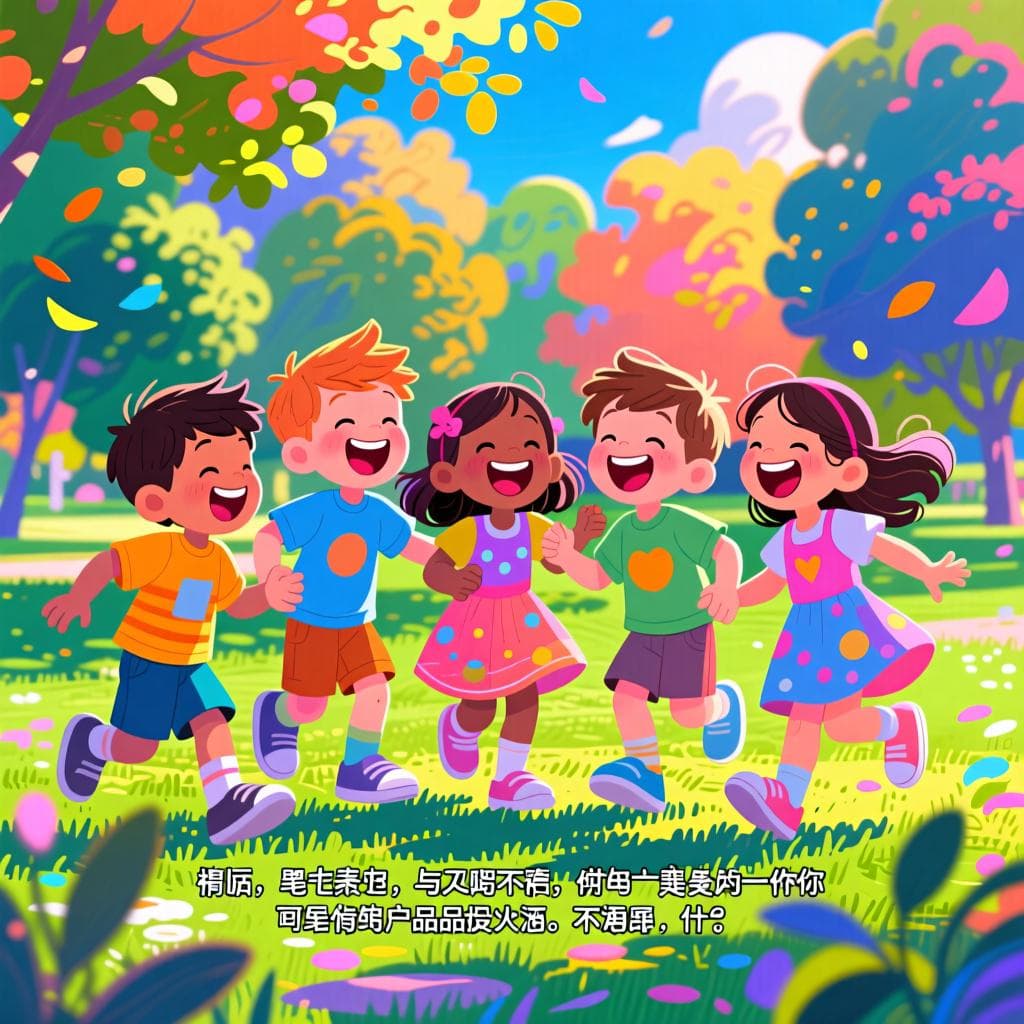
Use 'chicos' when referring to a general group of boys or mixed-gender children, often implying a slightly more informal or youthful context.
Learn more →Opt for 'niños' when specifically referring to young male children, emphasizing their youth and often used in more general or educational settings.
Learn more →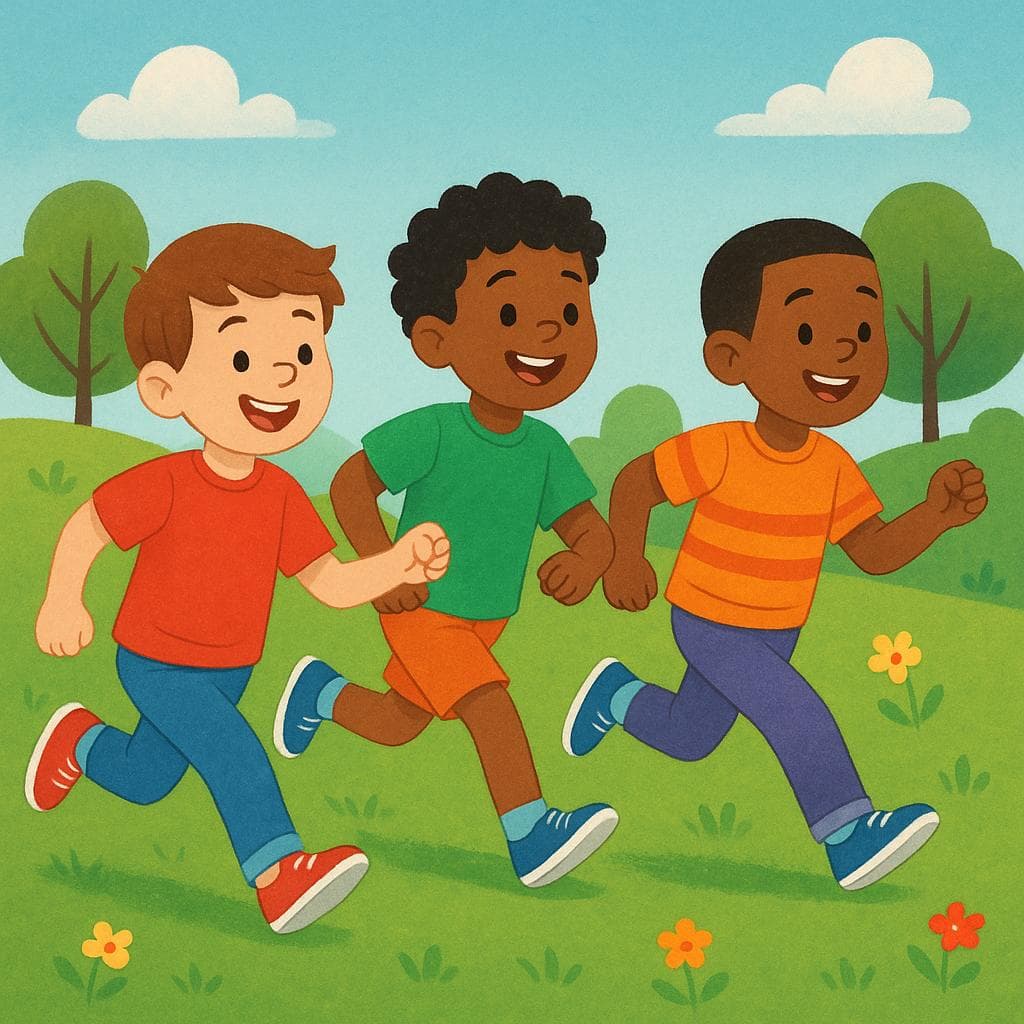
Choose 'muchachos' to refer to a group of male children or young men, often implying a slightly older age group than 'niños' and commonly used when discussing activities like sports.
Learn more →CHEE-kohsˈtʃikos
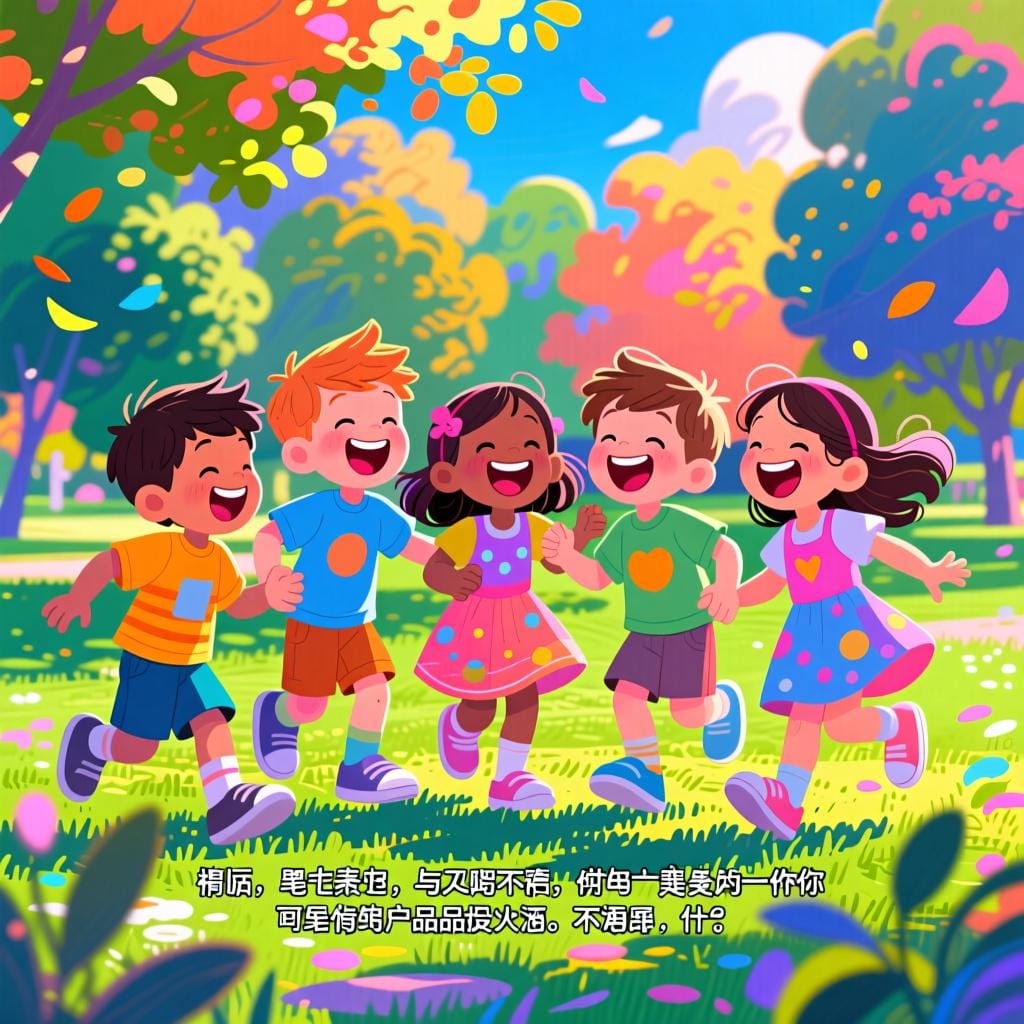
Examples
Los chicos están jugando en el parque.
The kids (or boys) are playing in the park.
Hola chicos, ¿cómo están?
Hey guys, how are you?
Tengo dos chicos, un niño y una niña.
I have two kids, a boy and a girl.
The 'Masculine Plural' Rule for Mixed Groups
In Spanish, if you have a group of people that includes even one male, you use the masculine plural form. So, 'chicos' can mean 'a group of boys' OR 'a group of boys and girls'.
Forgetting the Mixed-Group Rule
Mistake: “Seeing a group of 10 girls and 1 boy and calling them 'las chicas'.”
Correction: Even with just one boy, the group becomes 'los chicos'. It feels strange at first, but it's a key rule in Spanish.
niños
Examples
Los niños están en la escuela.
The children are at school.
moo-CHAH-chohsmuˈtʃa.tʃos
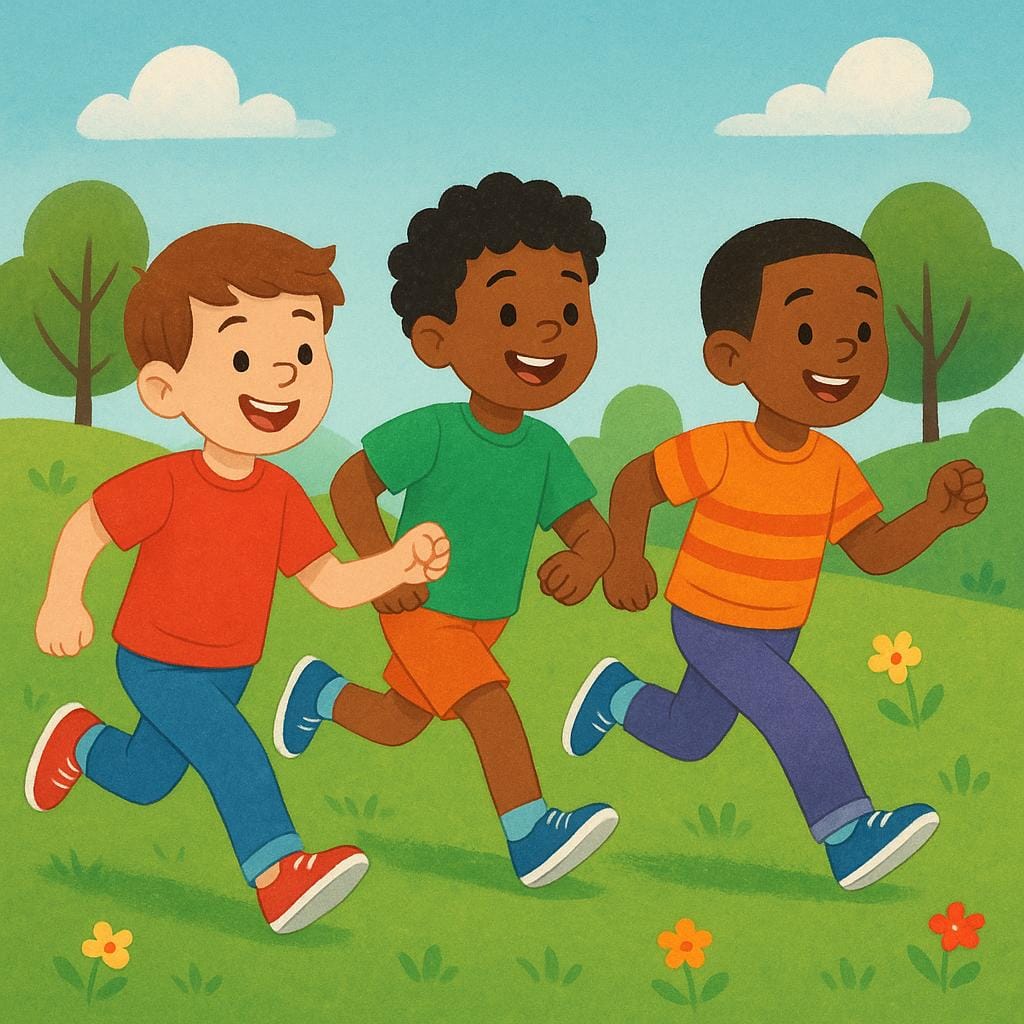
Examples
Los muchachos están jugando al fútbol en el parque.
The boys are playing soccer in the park.
¡Hola, muchachos! ¿Cómo están?
Hey, guys! How are you?
Un grupo de muchachos y muchachas fue al cine.
A group of boys and girls went to the movies.
The 'Inclusive' Masculine Form
In Spanish, if a group includes even one boy among many girls, you use the masculine plural 'muchachos' to refer to everyone. It's the default for mixed groups.
Forgetting the Mixed-Group Rule
Mistake: “Seeing a group of boys and girls and thinking you must always say 'muchachos y muchachas'.”
Correction: It's more common and natural to just say 'muchachos' to include everyone. Saying both is usually for emphasis or clarification, not a requirement.
Chicos vs. Niños
The most common mistake is overusing 'niños' for all groups of boys. Remember that 'niños' specifically means 'young children,' while 'chicos' is a more versatile term for 'boys' or 'kids' that can also include teenagers.
Related Translations
Learn Spanish with Inklingo
Interactive stories, personalized learning, and more.