How to Say "kids" in Spanish
The most common Spanish word for “kids” is “niños” — use 'niños' for a general term for 'children' or specifically 'boys' when referring to a group of kids, often younger ones.
Use 'niños' for a general term for 'children' or specifically 'boys' when referring to a group of kids, often younger ones.
Learn more →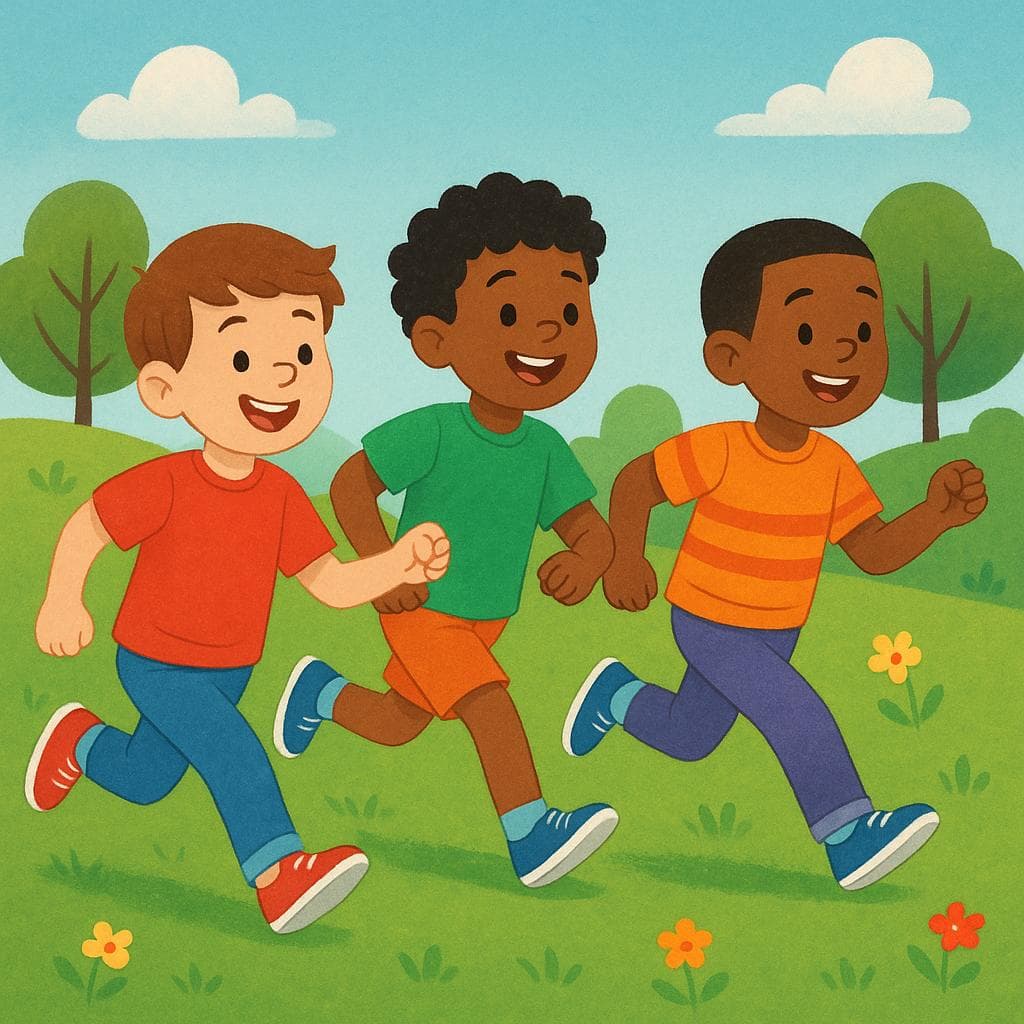
Use 'muchachos' to refer to a group of children, often implying boys, similar to 'kids' or 'lads'.
Learn more →Use 'jóvenes' when referring to teenagers or young adults, essentially older kids.
Learn more →Use 'pequeños' as an affectionate or informal way to refer to very young children, meaning 'little ones'.
Learn more →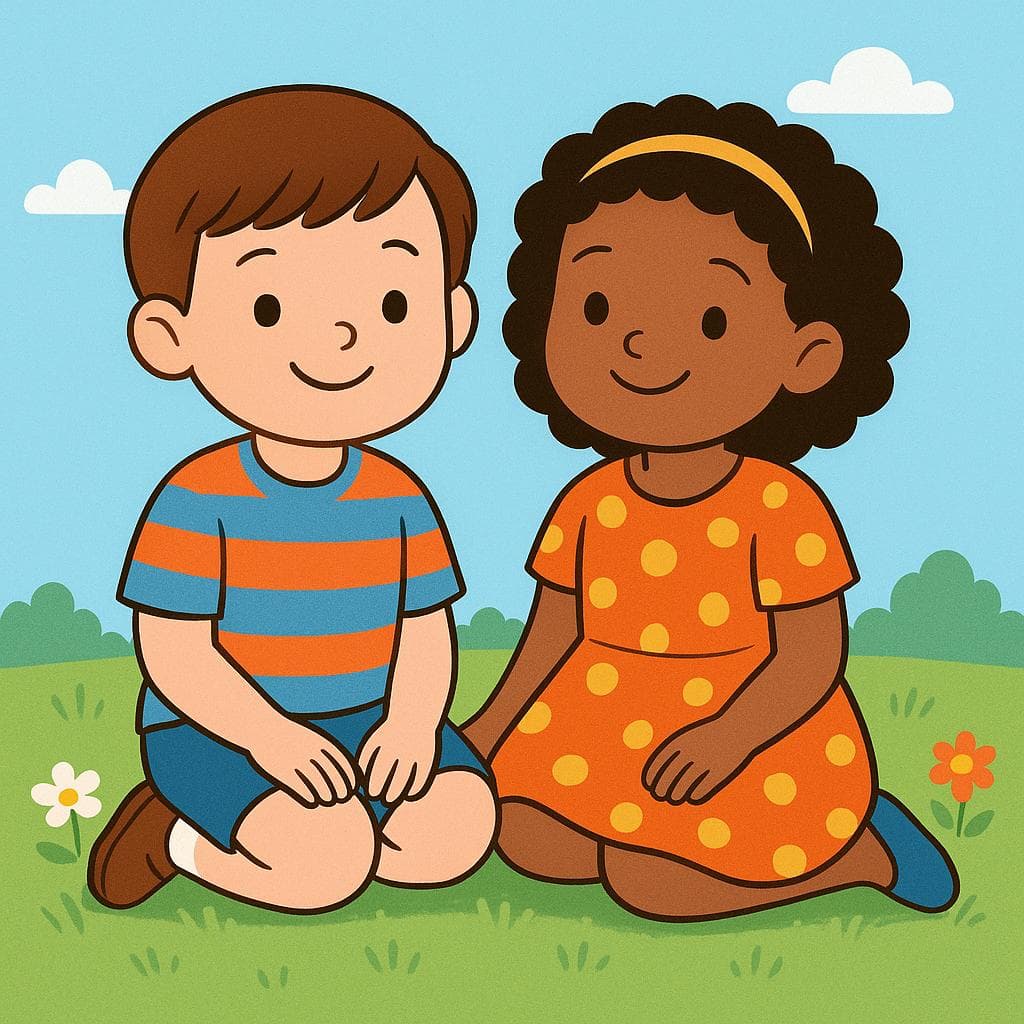
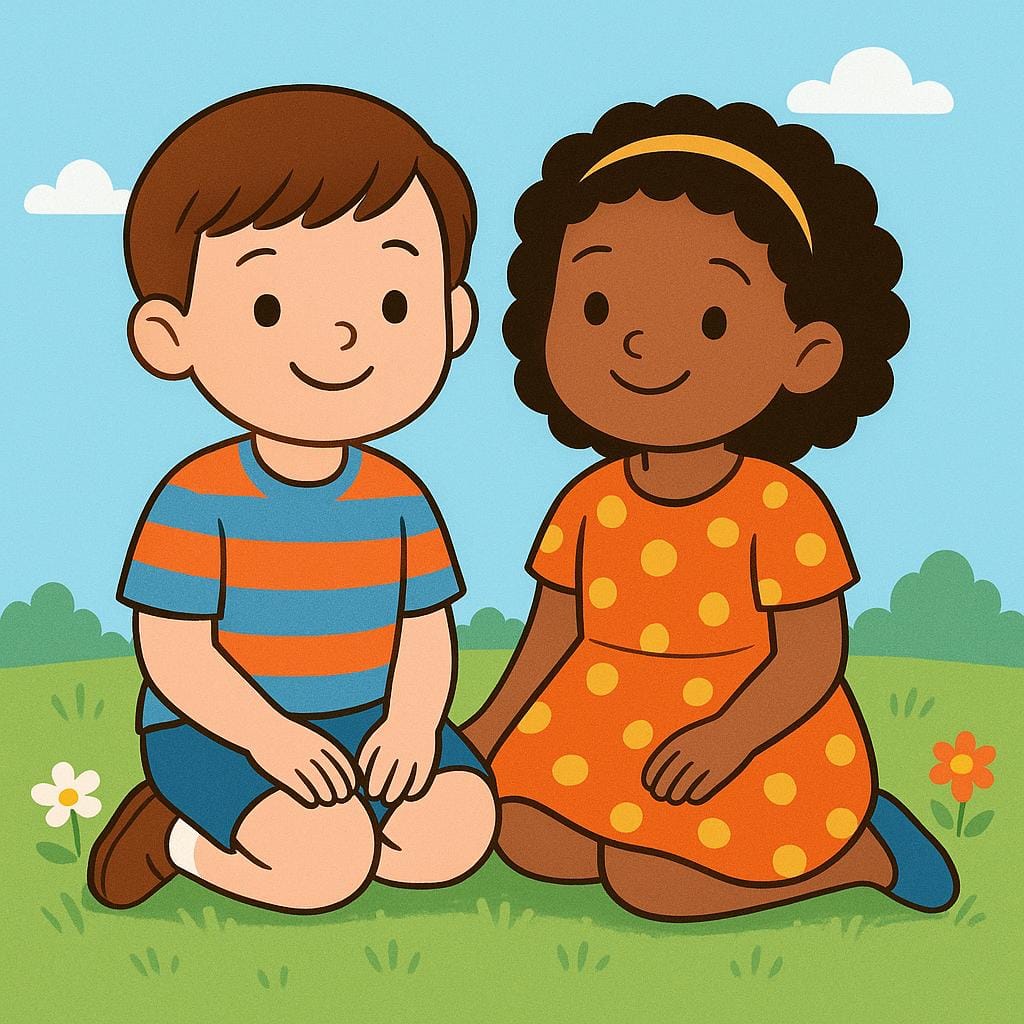
Use 'criaturas' informally to refer to children, emphasizing their young and sometimes mischievous nature, similar to 'little creatures'.
Learn more →niños
Examples
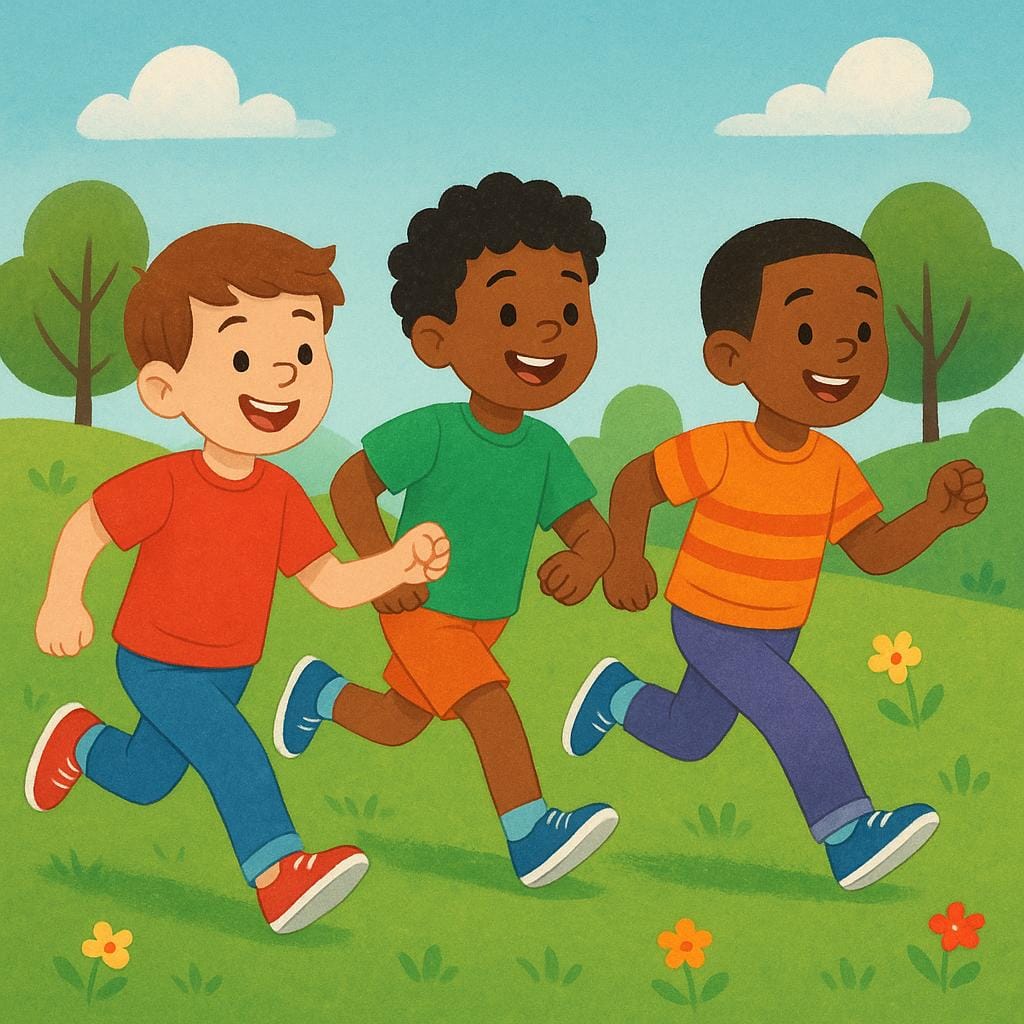
Los niños están jugando en el parque.
The children are playing in the park.
moo-CHAH-chohsmuˈtʃa.tʃos
Examples
Los muchachos están jugando al fútbol en el parque.
The boys are playing soccer in the park.
¡Hola, muchachos! ¿Cómo están?
Hey, guys! How are you?
Un grupo de muchachos y muchachas fue al cine.
A group of boys and girls went to the movies.
The 'Inclusive' Masculine Form
In Spanish, if a group includes even one boy among many girls, you use the masculine plural 'muchachos' to refer to everyone. It's the default for mixed groups.
Forgetting the Mixed-Group Rule
Mistake: “Seeing a group of boys and girls and thinking you must always say 'muchachos y muchachas'.”
Correction: It's more common and natural to just say 'muchachos' to include everyone. Saying both is usually for emphasis or clarification, not a requirement.
jóvenes
Examples
Los jóvenes de mi barrio estudian mucho.
The young people in my neighborhood study a lot.
pequeños
Examples
Los pequeños tienen permiso para quedarse despiertos hasta las nueve.
The little ones have permission to stay awake until nine.
kree-ah-TOO-raskriaˈtuɾas
Examples
Las criaturas deben estar en cama antes de las nueve.
The children must be in bed before nine.
¡Qué ruido hacen estas criaturas cuando juegan!
What a noise these little ones make when they play!
Always Plural Feminine
Even if the group of children includes boys, 'criaturas' is always a feminine noun, so you use 'las criaturas'.
Confusing Gender
Mistake: “Los criaturas están aquí.”
Correction: Las criaturas están aquí. (Because 'criatura' is always feminine, even when referring to boys.)
General vs. Age-Specific Terms
The most common mistake is using age-specific terms like 'jóvenes' (teenagers) or 'pequeños' (little ones) when a general term like 'niños' would be more appropriate. Stick to 'niños' or 'muchachos' for general groups of children unless you intend to specify their age.
Related Translations
Learn Spanish with Inklingo
Interactive stories, personalized learning, and more.