How to Say "young people" in Spanish
The most common Spanish word for “young people” is “jóvenes” — use 'jóvenes' when referring to young people as a general demographic group, often in a more formal or academic context, or when emphasizing their collective identity.
Use 'jóvenes' when referring to young people as a general demographic group, often in a more formal or academic context, or when emphasizing their collective identity.
Learn more →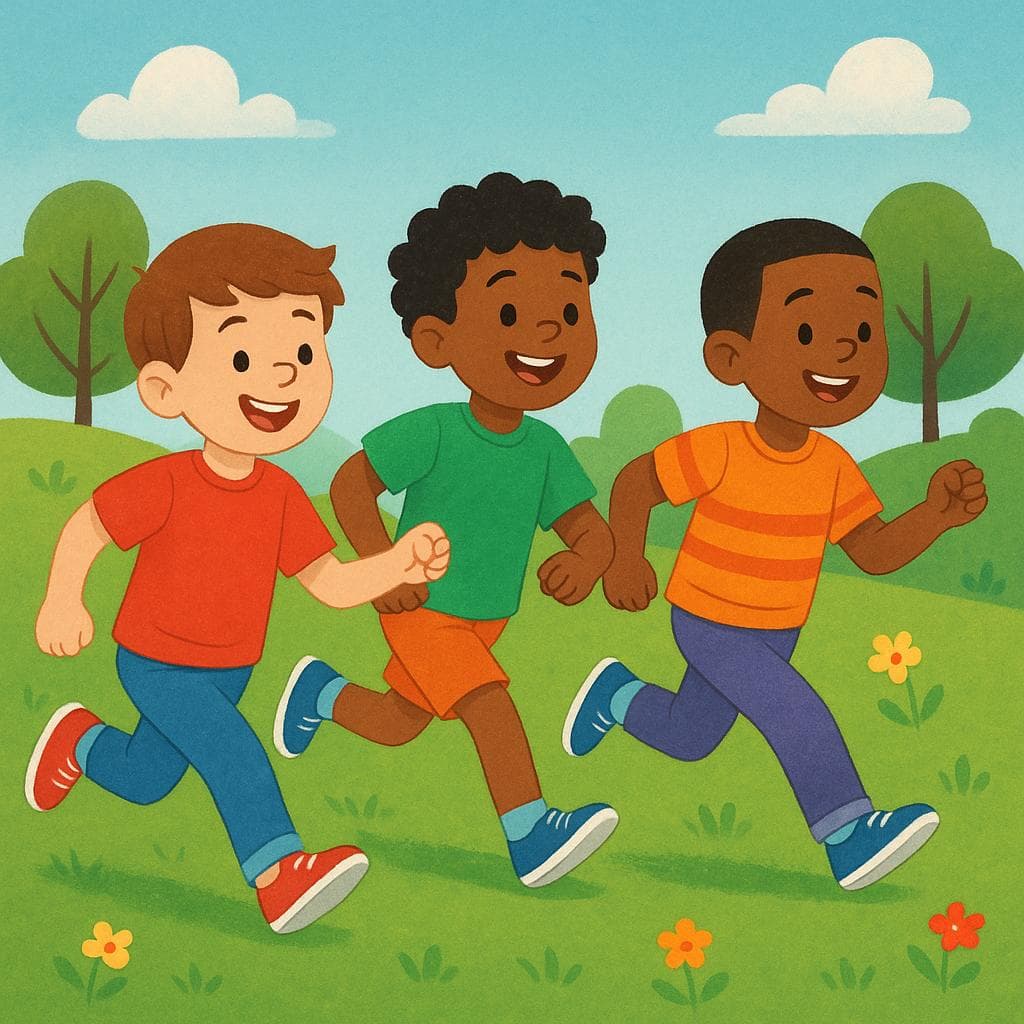
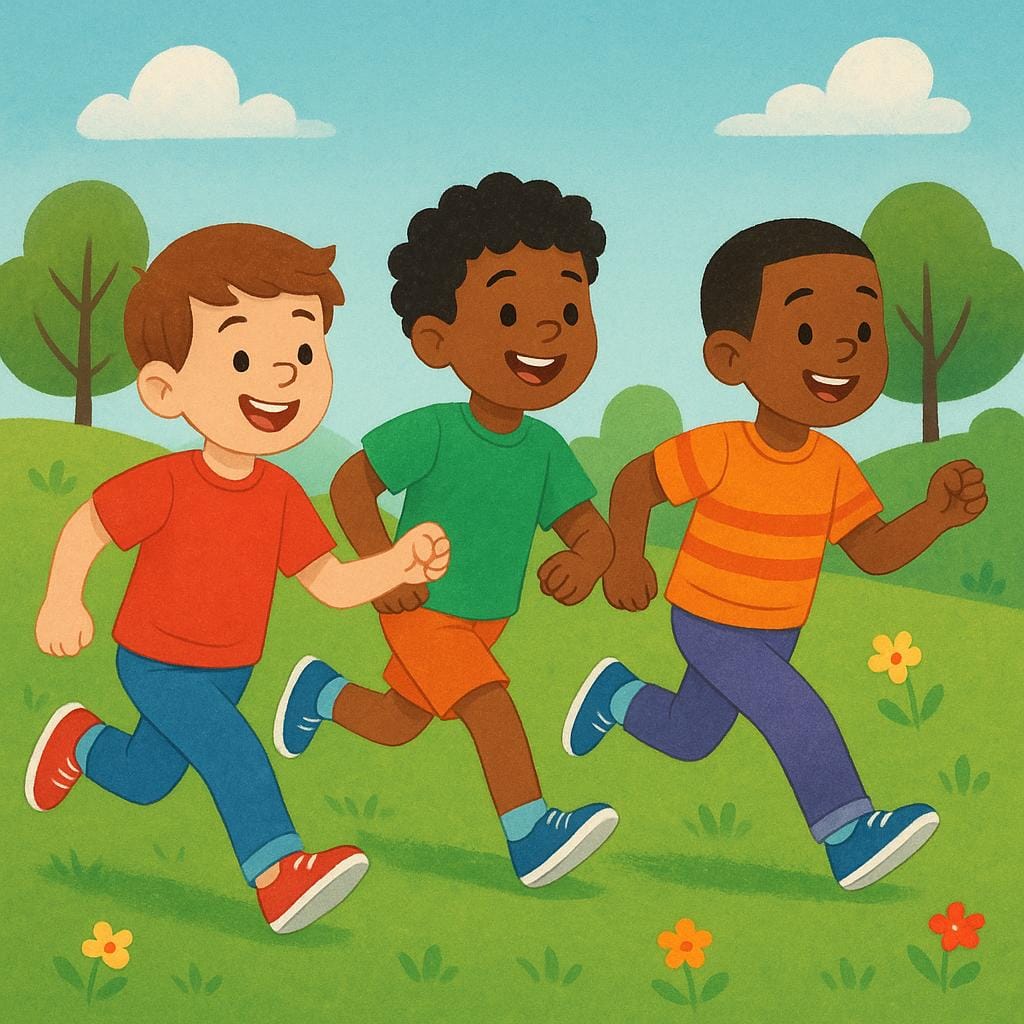
Use 'muchachos' to refer to a group of young people, particularly boys or a mixed group, in a more informal and everyday setting, often implying a sense of camaraderie.
Learn more →jóvenes
Examples
Los jóvenes de hoy en día están muy conectados.
The young people of today are very connected.
moo-CHAH-chohsmuˈtʃa.tʃos
Examples
Los muchachos se reunieron para jugar fútbol.
The young people (boys) got together to play soccer.
Los muchachos están jugando al fútbol en el parque.
The boys are playing soccer in the park.
¡Hola, muchachos! ¿Cómo están?
Hey, guys! How are you?
Un grupo de muchachos y muchachas fue al cine.
A group of boys and girls went to the movies.
The 'Inclusive' Masculine Form
In Spanish, if a group includes even one boy among many girls, you use the masculine plural 'muchachos' to refer to everyone. It's the default for mixed groups.
Forgetting the Mixed-Group Rule
Mistake: “Seeing a group of boys and girls and thinking you must always say 'muchachos y muchachas'.”
Correction: It's more common and natural to just say 'muchachos' to include everyone. Saying both is usually for emphasis or clarification, not a requirement.
Jóvenes vs. Muchachos
Learners often confuse 'jóvenes' and 'muchachos' because both refer to young people. Remember that 'jóvenes' is more neutral and can refer to any young person or group, while 'muchachos' often implies boys or a more casual, familiar group.
Related Translations
Learn Spanish with Inklingo
Interactive stories, personalized learning, and more.