How to Say "folks" in Spanish
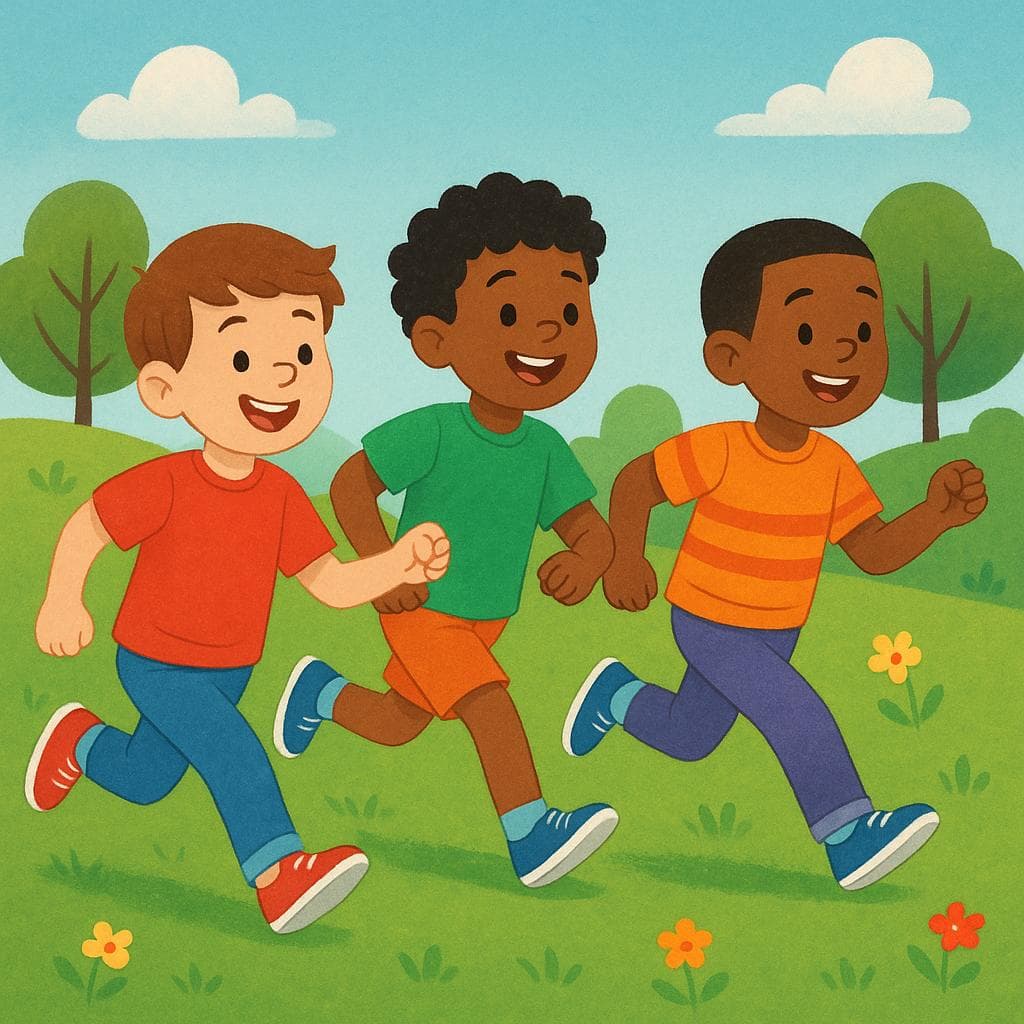
The most common Spanish word for “folks” is “gente” — use 'gente' when referring to your family or people in a general sense, similar to 'my folks'.

gente
HEN-tehˈxente
Examples
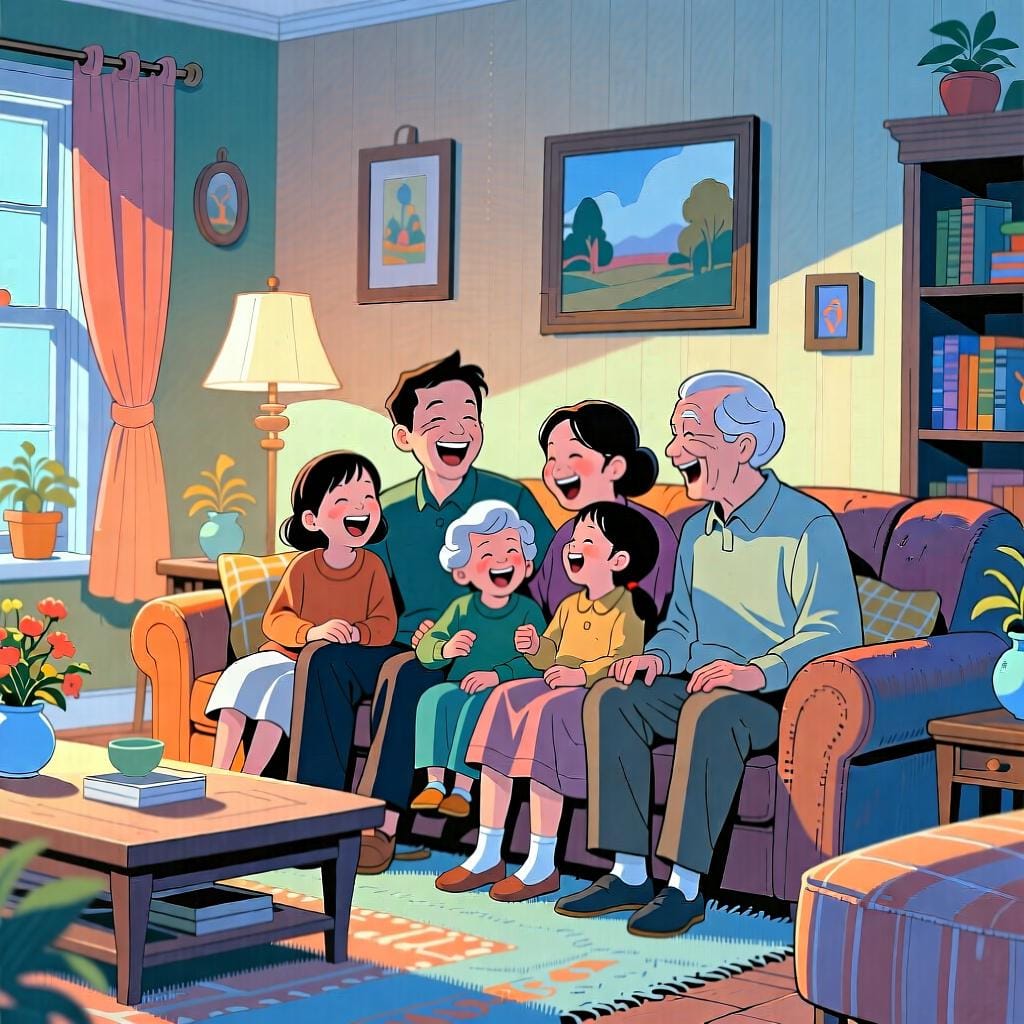
En Navidad, siempre voy a ver a mi gente.
At Christmas, I always go to see my family/people.
Es una persona que cuida mucho a su gente.
He/She is a person who takes great care of his/her people.
señores
Examples
¡Buenos días, señores! Gracias por venir a la reunión.
Good morning, ladies and gentlemen! Thank you for coming to the meeting.
tíos
Examples
¡Qué pasada, tíos! ¿Vamos al cine?
That's awesome, guys! Shall we go to the cinema?
muchachos
moo-CHAH-chohsmuˈtʃa.tʃos
Examples
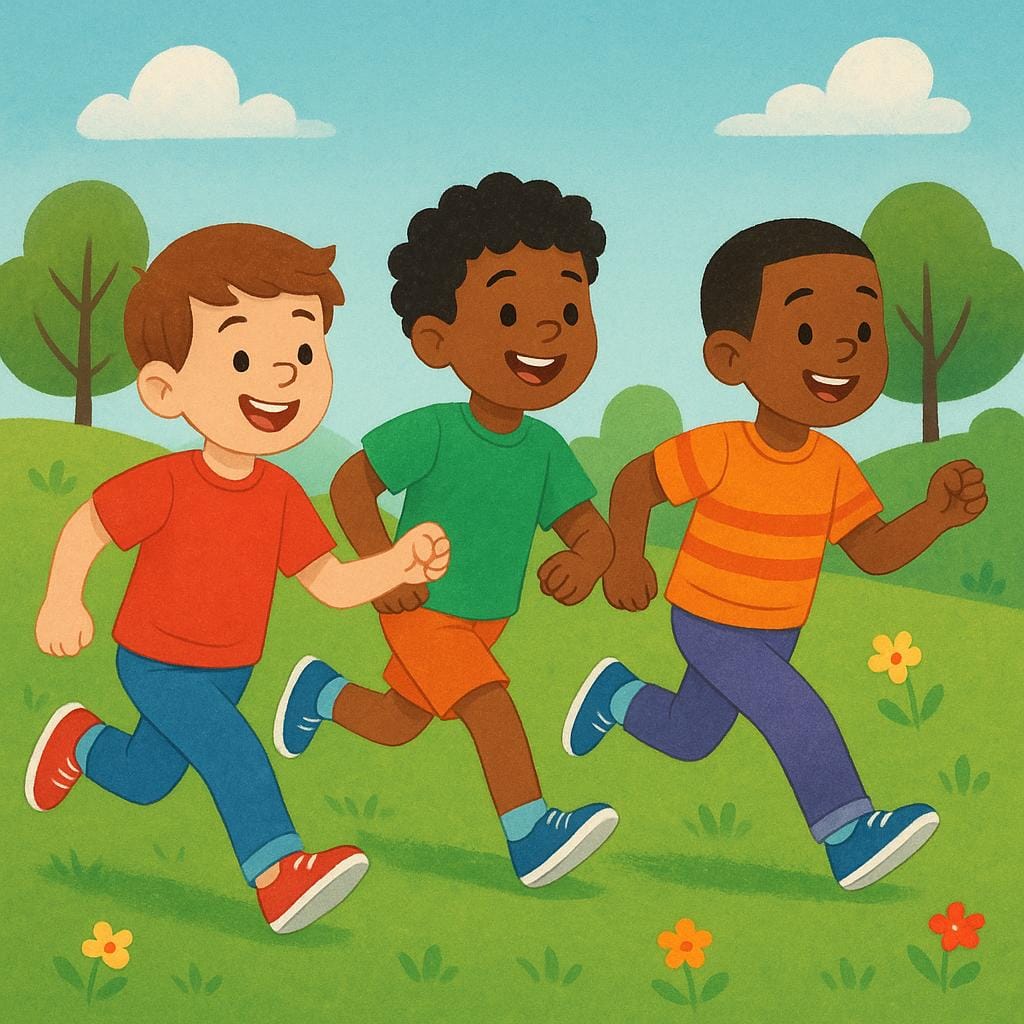
Los muchachos están jugando al fútbol en el parque.
The boys are playing soccer in the park.
¡Hola, muchachos! ¿Cómo están?
Hey, guys! How are you?
Un grupo de muchachos y muchachas fue al cine.
A group of boys and girls went to the movies.
The 'Inclusive' Masculine Form
In Spanish, if a group includes even one boy among many girls, you use the masculine plural 'muchachos' to refer to everyone. It's the default for mixed groups.
Forgetting the Mixed-Group Rule
Mistake: “Seeing a group of boys and girls and thinking you must always say 'muchachos y muchachas'.”
Correction: It's more common and natural to just say 'muchachos' to include everyone. Saying both is usually for emphasis or clarification, not a requirement.
Addressing Groups vs. Referring to Family
Learn Spanish with Inklingo
Interactive stories, personalized learning, and more.