How to Say "family" in Spanish
The most common Spanish word for “family” is “familia” — use 'familia' when referring to your parents, children, siblings, or the nuclear and extended household unit, as well as for scientific classifications.

Use 'familia' when referring to your parents, children, siblings, or the nuclear and extended household unit, as well as for scientific classifications.
Learn more →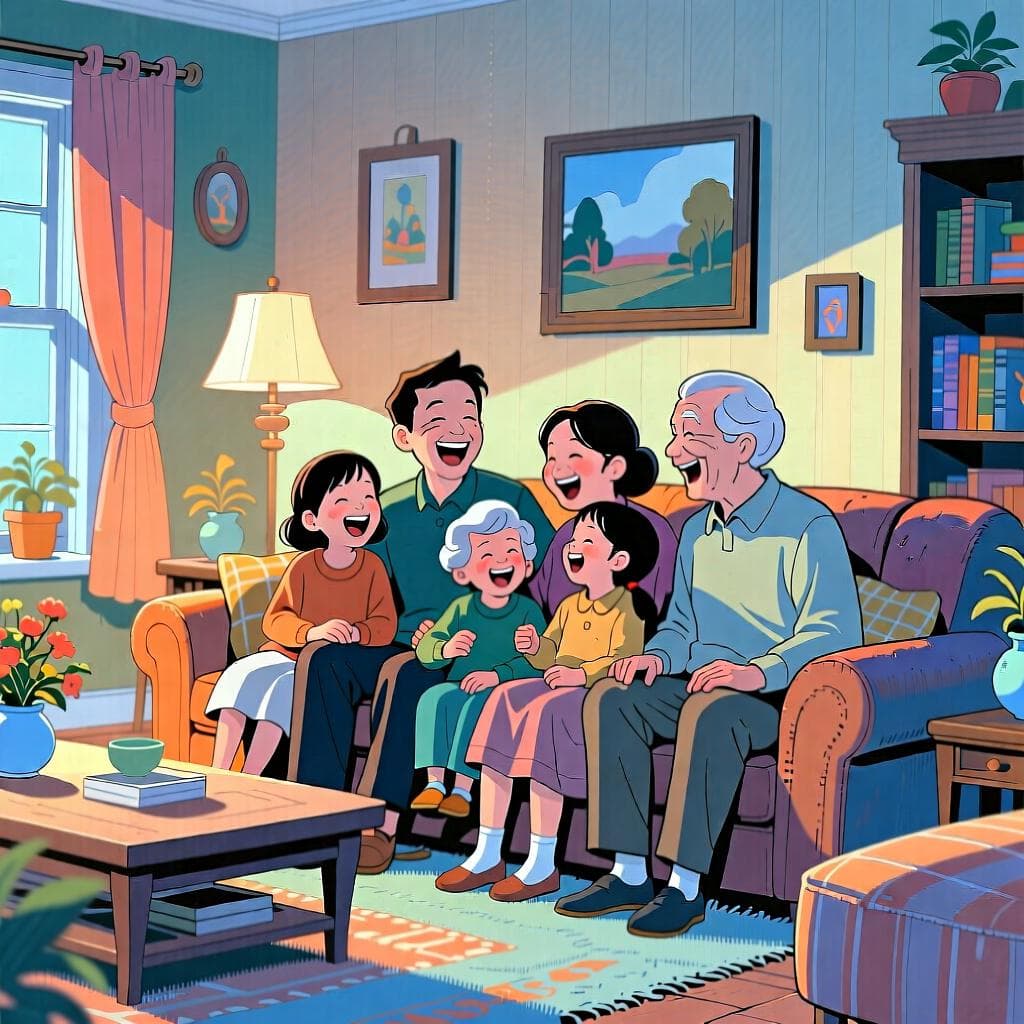
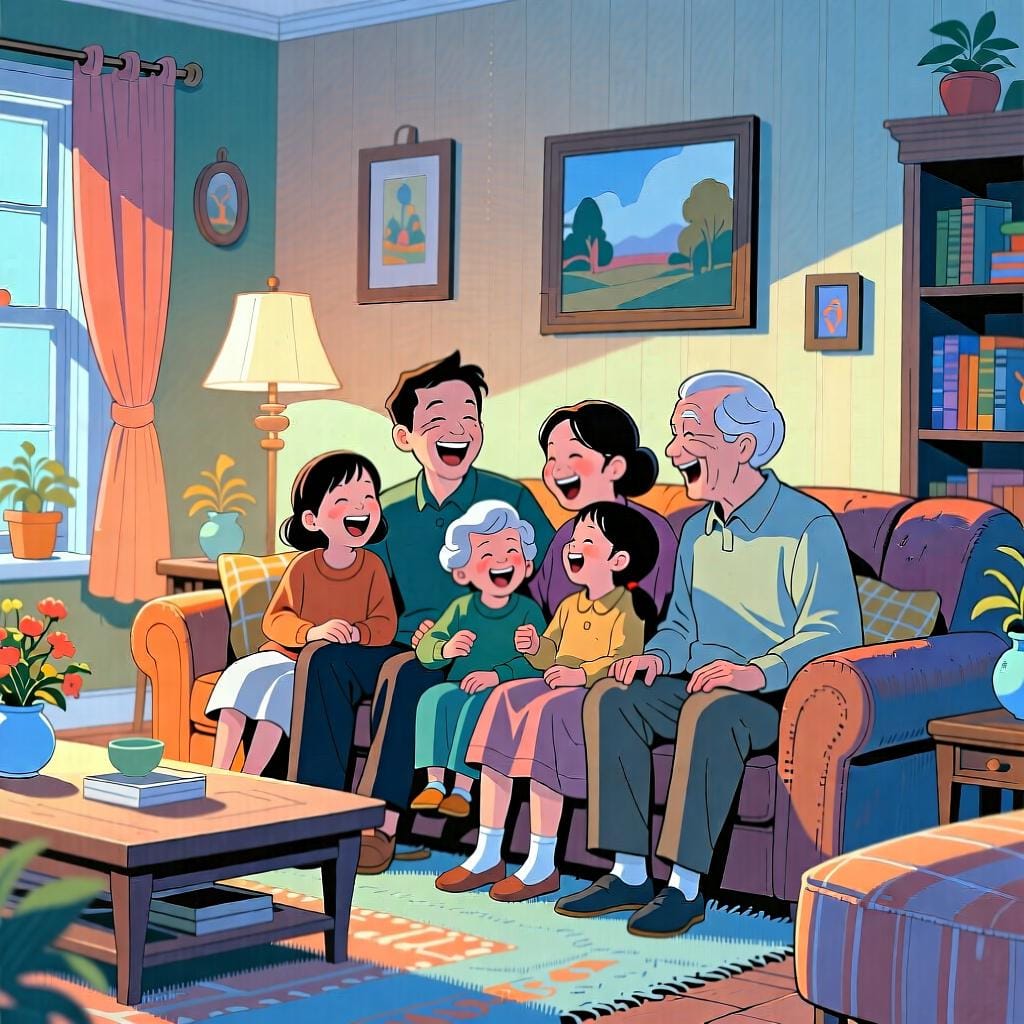
Use 'gente' informally to refer to your relatives or 'your people,' especially in contexts like holiday gatherings.
Learn more →fa-MEE-lee-ahfaˈmi.lja

Examples
Mi familia vive en Argentina.
My family lives in Argentina.
Tengo una familia muy grande.
I have a very big family.
La familia es lo más importante para mí.
Family is the most important thing to me.
El español pertenece a la familia de las lenguas romances.
Spanish belongs to the family of Romance languages.
Always Feminine
Even though a family includes men and women, the word 'familia' is always feminine. This means you always say 'la familia' (the family) or 'una familia' (a family).
Confusing 'Familia' and 'Parientes'
Mistake: “Todos mis parientes viven en mi casa.”
Correction: Mi familia vive en mi casa. 'Familia' is better for your immediate household. 'Parientes' means all your relatives, including distant cousins you might not live with.
fa-MEE-lee-ahfaˈmi.lja
Examples
El español pertenece a la familia de las lenguas romances.
Spanish belongs to the family of Romance languages.
Mi familia vive en Argentina.
My family lives in Argentina.
Tengo una familia muy grande.
I have a very big family.
La familia es lo más importante para mí.
Family is the most important thing to me.
Always Feminine
Even though a family includes men and women, the word 'familia' is always feminine. This means you always say 'la familia' (the family) or 'una familia' (a family).
Confusing 'Familia' and 'Parientes'
Mistake: “Todos mis parientes viven en mi casa.”
Correction: Mi familia vive en mi casa. 'Familia' is better for your immediate household. 'Parientes' means all your relatives, including distant cousins you might not live with.
HEN-tehˈxente
Examples
En Navidad, siempre voy a ver a mi gente.
At Christmas, I always go to see my family/people.
Es una persona que cuida mucho a su gente.
He/She is a person who takes great care of his/her people.
Familia vs. Gente
The most common mistake is using 'gente' when a more formal or direct term for the household unit is needed. While 'gente' can mean 'family,' it often carries a broader sense of 'people' or 'relatives' and is less precise than 'familia' for denoting the immediate family structure.
Related Translations
Learn Spanish with Inklingo
Interactive stories, personalized learning, and more.