How to Say "household" in Spanish
The most common Spanish word for “household” is “casa” — use 'casa' when referring to the physical building where people live, or metaphorically, the people who reside there as a collective unit, often with a sense of ownership or belonging.
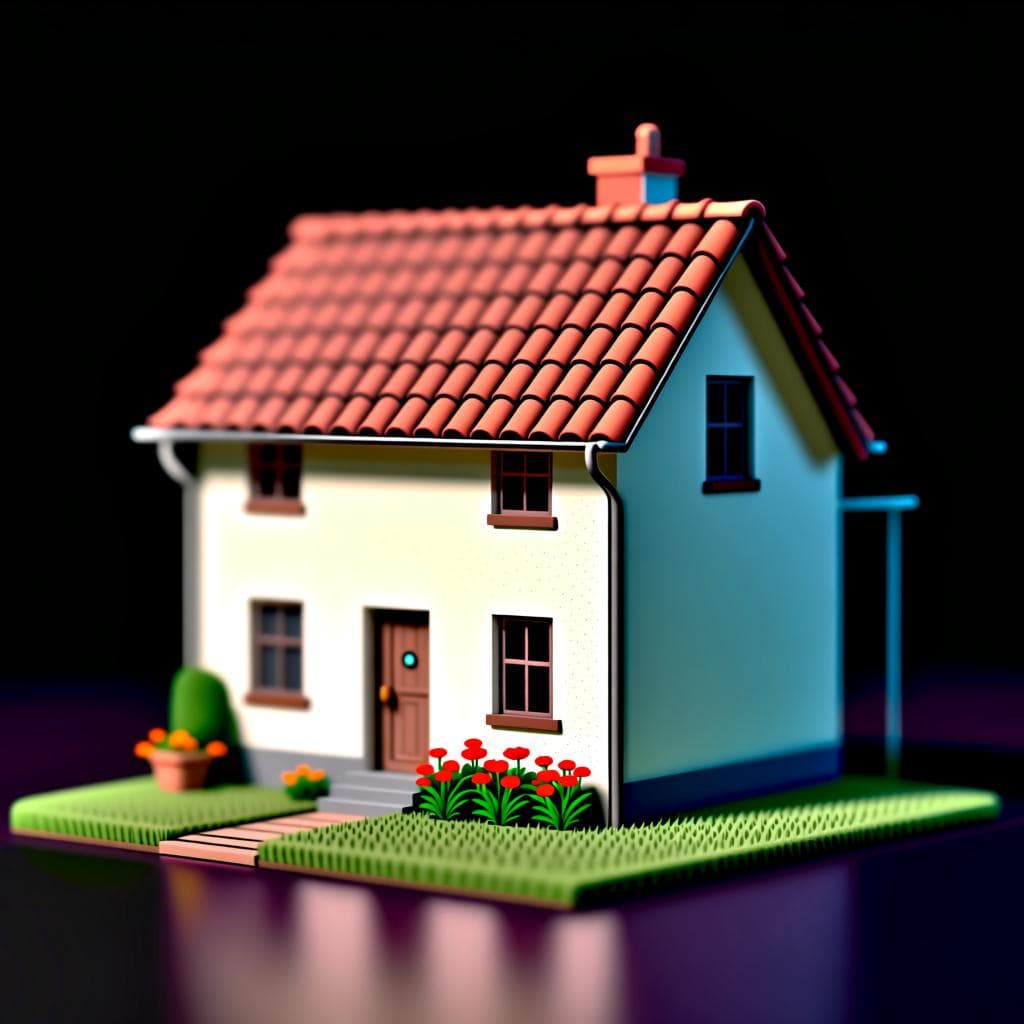
Use 'casa' when referring to the physical building where people live, or metaphorically, the people who reside there as a collective unit, often with a sense of ownership or belonging.
Learn more →
Choose 'hogar' when you want to emphasize the emotional and familial aspect of a home, focusing on the sense of belonging, warmth, and the people who form the family unit living together.
Learn more →
Use 'familia' specifically when referring to the group of people related by blood or marriage who live together and form a domestic unit.
Learn more →Employ 'doméstico' as an adjective when describing something that pertains to or is related to the home or the people living in it, often in the context of duties or activities.
Learn more →KAH-sahˈkasa
Examples
Mi casa es tu casa.
My house is your house.
Vamos a casa de María.
Let's go to Maria's house.
Trabajo desde casa.
I work from home.
Using 'a casa' vs. 'en casa'
Use 'a casa' for movement towards home (like 'go home'), and 'en casa' for location at home (like 'be at home'). For example: 'Voy a casa' (I'm going home) vs. 'Estoy en casa' (I'm at home).
Forgetting the Gender
Mistake: “El casa es grande.”
Correction: La casa es grande. Remember that 'casa' is a feminine word, so it uses 'la' and adjectives that describe it usually end in '-a'.
oh-GARoˈɣaɾ

Examples
No hay lugar como el hogar.
There's no place like home.
Creamos un hogar feliz para nuestros hijos.
We created a happy home for our children.
Es un centro de acogida para personas sin hogar.
It's a shelter for homeless people.
Hogar vs. Casa
'Hogar' is about the feeling of home—the family, warmth, and comfort. 'Casa' is the physical building or house. You live in a 'casa', but you create a 'hogar'.
Mixing up 'hogar' and 'casa'
Mistake: “Compré un nuevo hogar con tres dormitorios.”
Correction: Compré una nueva casa con tres dormitorios. You buy the physical building ('casa'), and then you make it a 'hogar' by living in it.
fa-MEE-lee-ahfaˈmi.lja

Examples
Mi familia vive en Argentina.
My family lives in Argentina.
Tengo una familia muy grande.
I have a very big family.
La familia es lo más importante para mí.
Family is the most important thing to me.
Always Feminine
Even though a family includes men and women, the word 'familia' is always feminine. This means you always say 'la familia' (the family) or 'una familia' (a family).
Confusing 'Familia' and 'Parientes'
Mistake: “Todos mis parientes viven en mi casa.”
Correction: Mi familia vive en mi casa. 'Familia' is better for your immediate household. 'Parientes' means all your relatives, including distant cousins you might not live with.
doméstico
Examples
Dividimos las tareas domésticas entre todos.
We divide the household chores among everyone.
Casa vs. Hogar
Learners often confuse 'casa' and 'hogar'. Remember that 'casa' leans towards the physical building or the residents, while 'hogar' strongly emphasizes the emotional sense of home and family life. Use 'casa' for the structure and 'hogar' for the feeling.
Related Translations
Learn Spanish with Inklingo
Interactive stories, personalized learning, and more.