How to Say "furnace" in Spanish
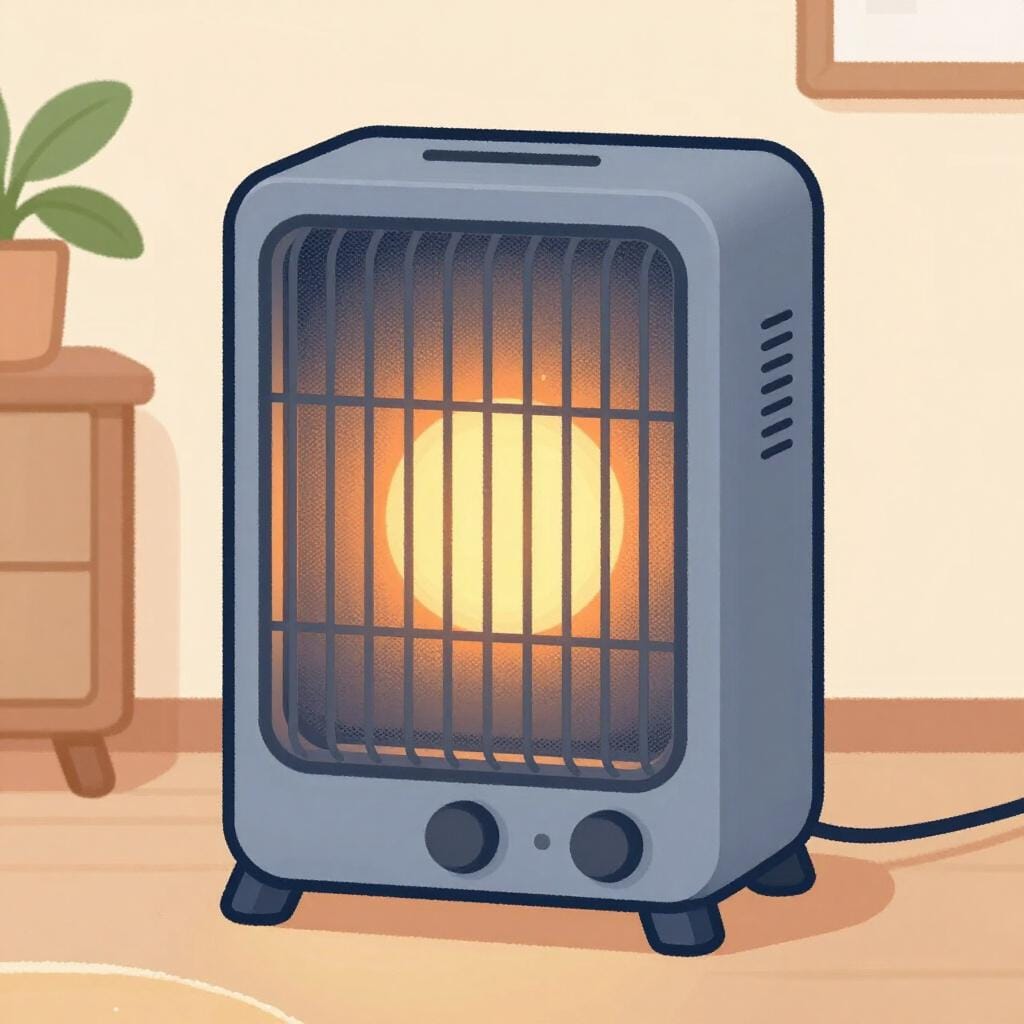
The most common Spanish word for “furnace” is “estufa” — use 'estufa' for a domestic heating system that warms a house, often a central heating unit.

Use 'estufa' for a domestic heating system that warms a house, often a central heating unit.
Learn more →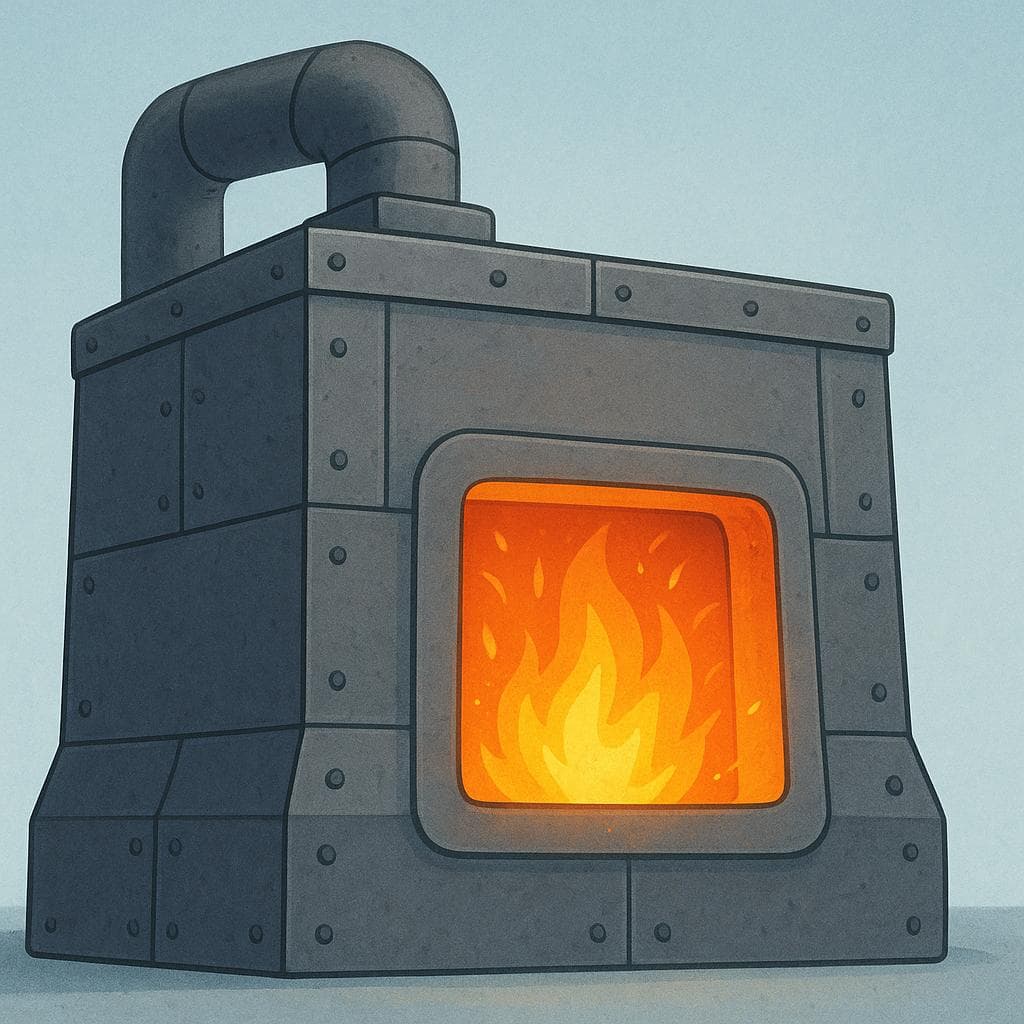
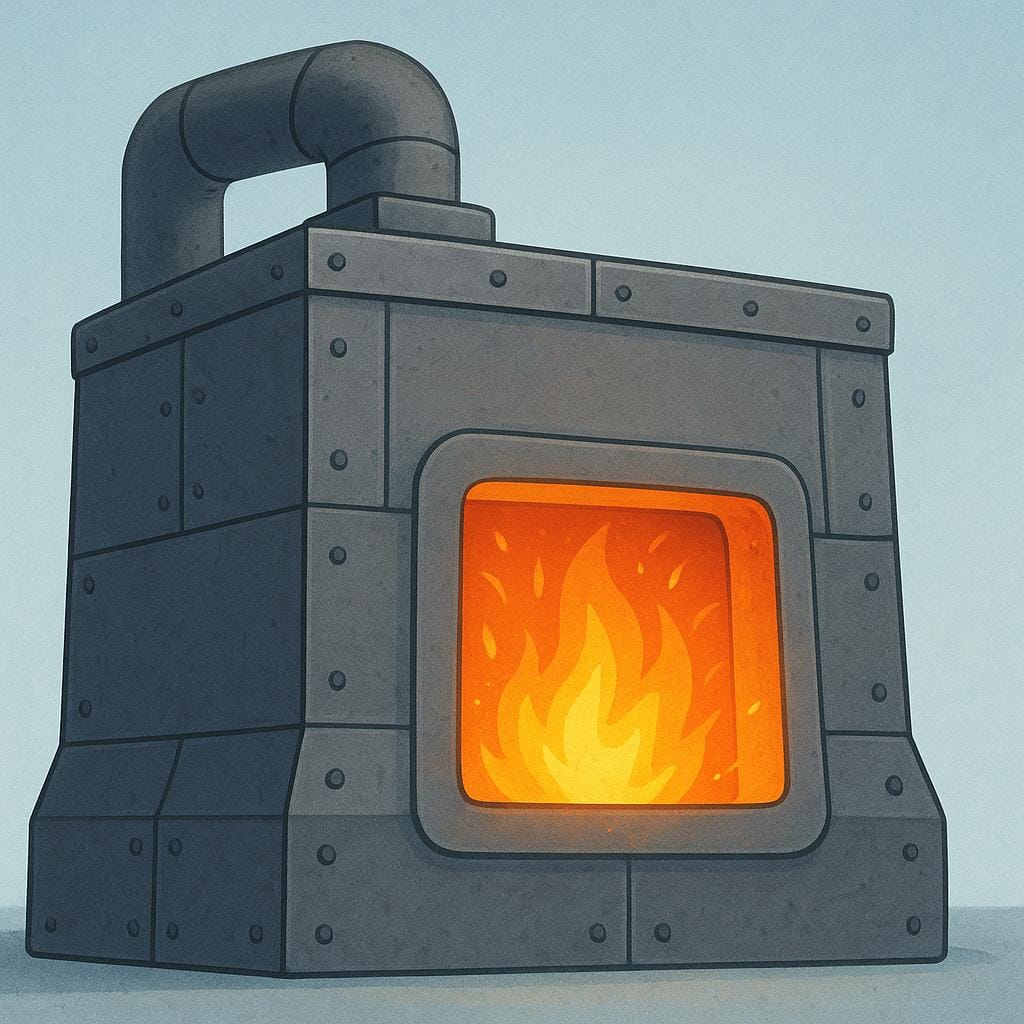
Use 'horno' for an industrial device used for heating or firing, such as in brick-making or cooking large items.
Learn more →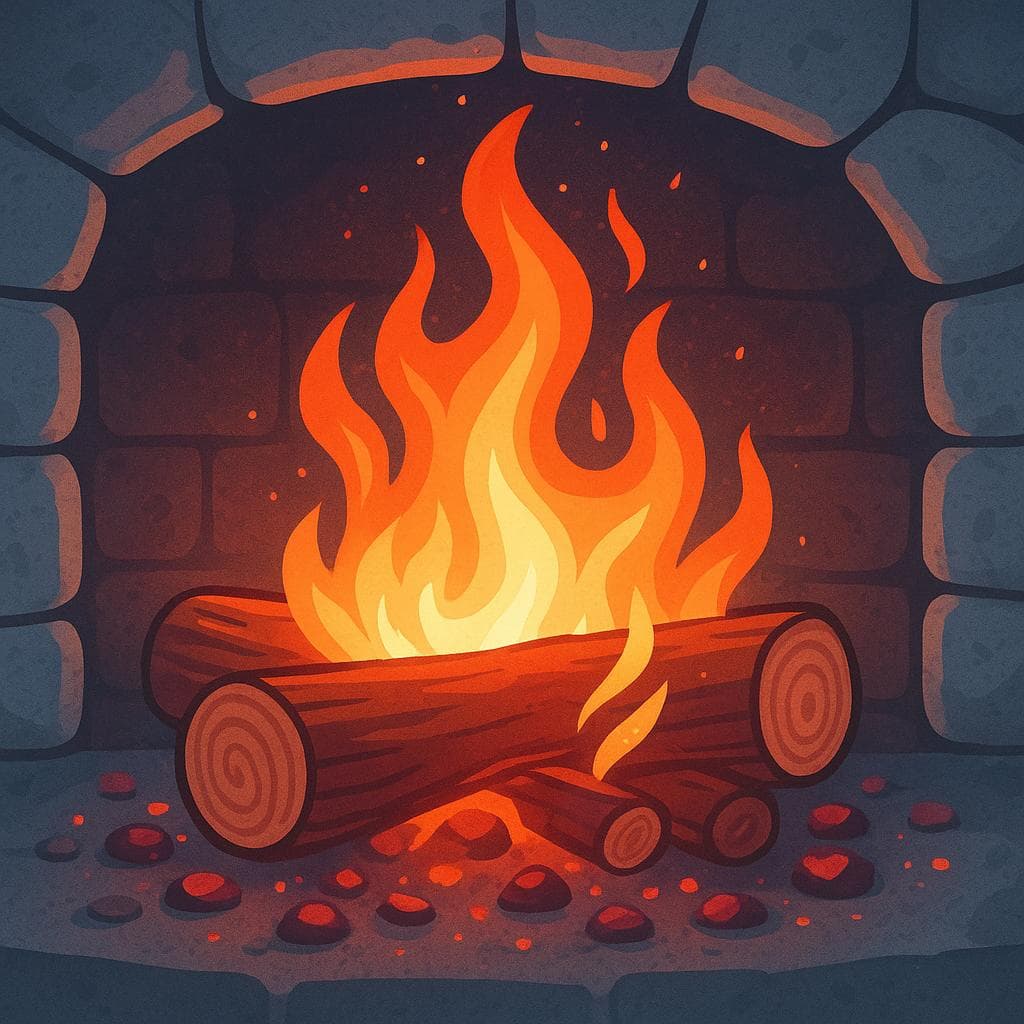
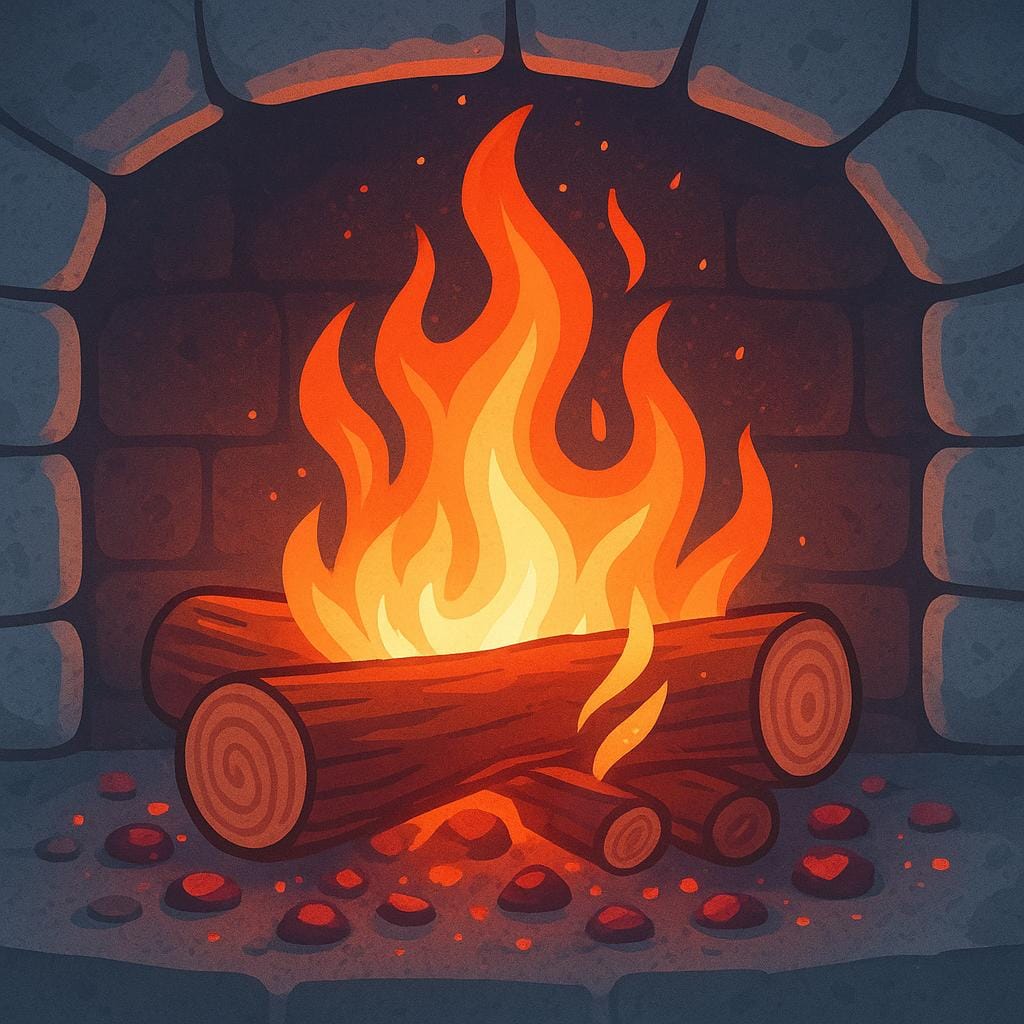
Use 'hogar' specifically for a hearth or fireplace, often evoking a sense of home or a central gathering place, especially in older or more literary contexts.
Learn more →es-TOO-fahesˈtufa
Examples
Hace mucho frío, ¿puedes prender la estufa?
It's very cold, can you turn on the heater?
Nos sentamos frente a la estufa de leña.
We sat in front of the wood-burning stove.
Esa estufa eléctrica consume mucha energía.
That electric heater uses a lot of energy.
Functional Naming
Spanish often uses the same word for different objects that provide heat. The context (kitchen vs. living room) tells you which one is meant.
Air vs. Water Heaters
Mistake: “No hay agua caliente porque la estufa no funciona.”
Correction: No hay agua caliente porque el calentador no funciona.
OR-noˈoɾno
Examples
Los ladrillos se cocieron en un gran horno de barro.
The bricks were fired in a large clay kiln.
El alto horno es la parte crucial de la siderurgia.
The blast furnace is the crucial part of steel production.
oh-GARoˈɣaɾ
Examples
En invierno, la familia se reunía alrededor del hogar.
In winter, the family would gather around the hearth.
El fuego en el hogar crepitaba alegremente.
The fire in the hearth crackled cheerfully.
Estufa vs. Horno
Learners often confuse 'estufa' and 'horno'. Remember that 'estufa' is primarily for home heating, while 'horno' refers to industrial heating devices or ovens. Don't use 'horno' for your home's central heating system.
Related Translations
Learn Spanish with Inklingo
Interactive stories, personalized learning, and more.