How to Say "kin" in Spanish
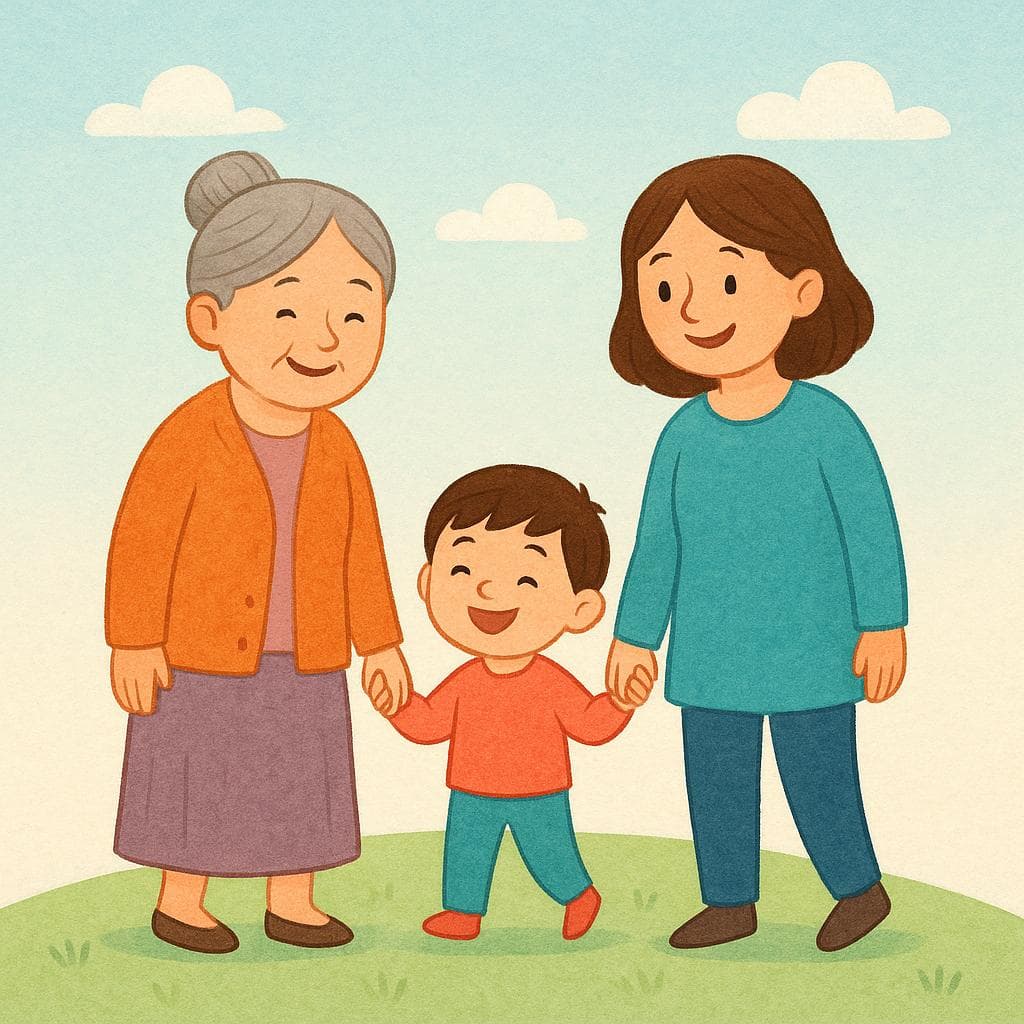
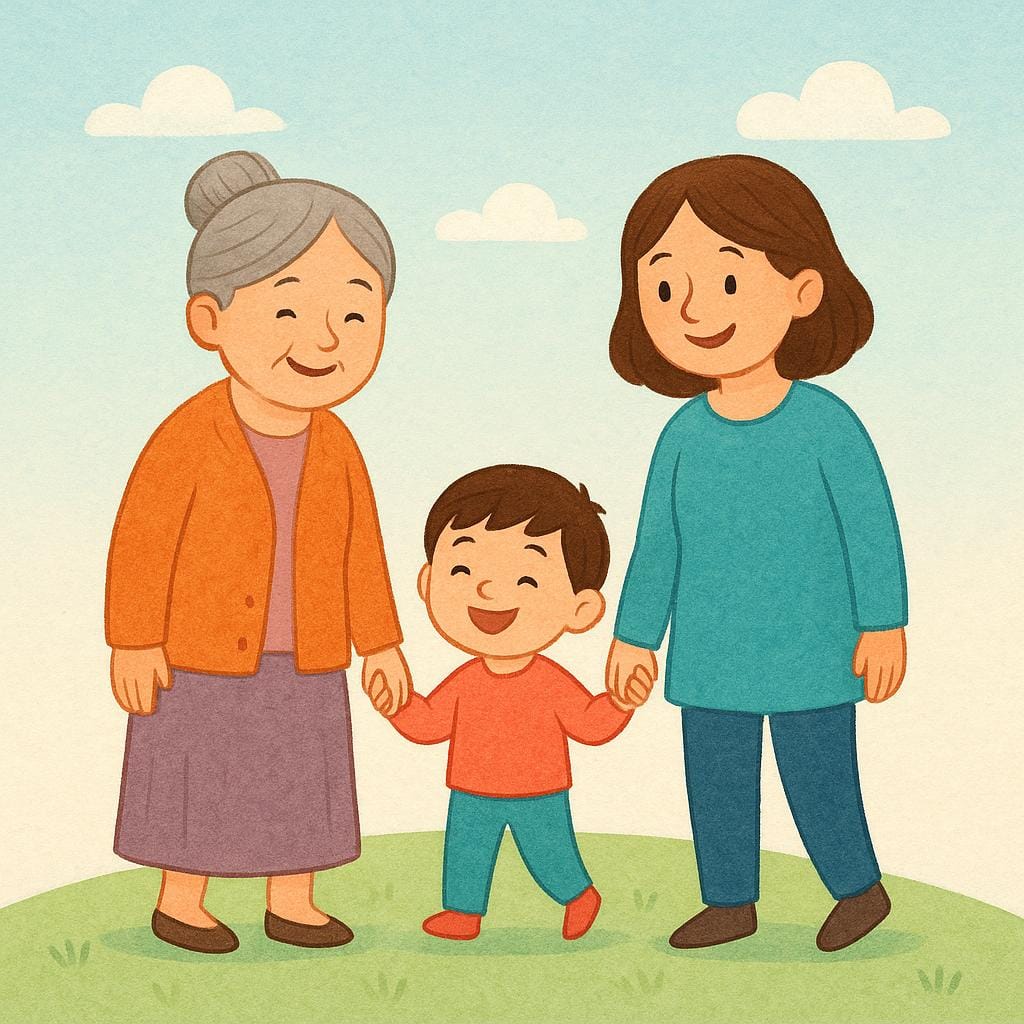
The most common Spanish word for “kin” is “familiares” — use 'familiares' to refer to your relatives in general, especially in everyday conversation.

familiares
fah-mee-lee-AH-rehsfa.miˈlja.ɾes
Examples
Toda mi familia vive en la misma ciudad.
All my relatives live in the same city.
Todos mis familiares viven en la misma ciudad.
All my relatives live in the same city.
¿Cuántos familiares asistieron a la boda?
How many family members attended the wedding?
Los familiares del paciente esperan noticias afuera.
The patient's family members are waiting outside for news.
Plural Noun Rule
Even though 'familiares' can refer to a mix of men and women, the default plural form is masculine ('los familiares'), which is standard for groups of people.
Using 'Familia' instead of 'Familiares'
Mistake: “Mis familia vienen a verme.”
Correction: Mi familia (singular group) viene a verme. OR Mis familiares (plural individuals) vienen a verme. Use 'familiares' when referring to multiple individual people.
Examples
Voy a visitar a mi familia que vive en el extranjero.
I am going to visit my relatives who live abroad.
gente
HEN-tehˈxente

Examples
En Navidad, siempre voy a ver a mi gente.
At Christmas, I always go to see my family/people.
Es una persona que cuida mucho a su gente.
He/She is a person who takes great care of his/her people.
familia
fah-MEE-lyahsfaˈmiljas
Examples
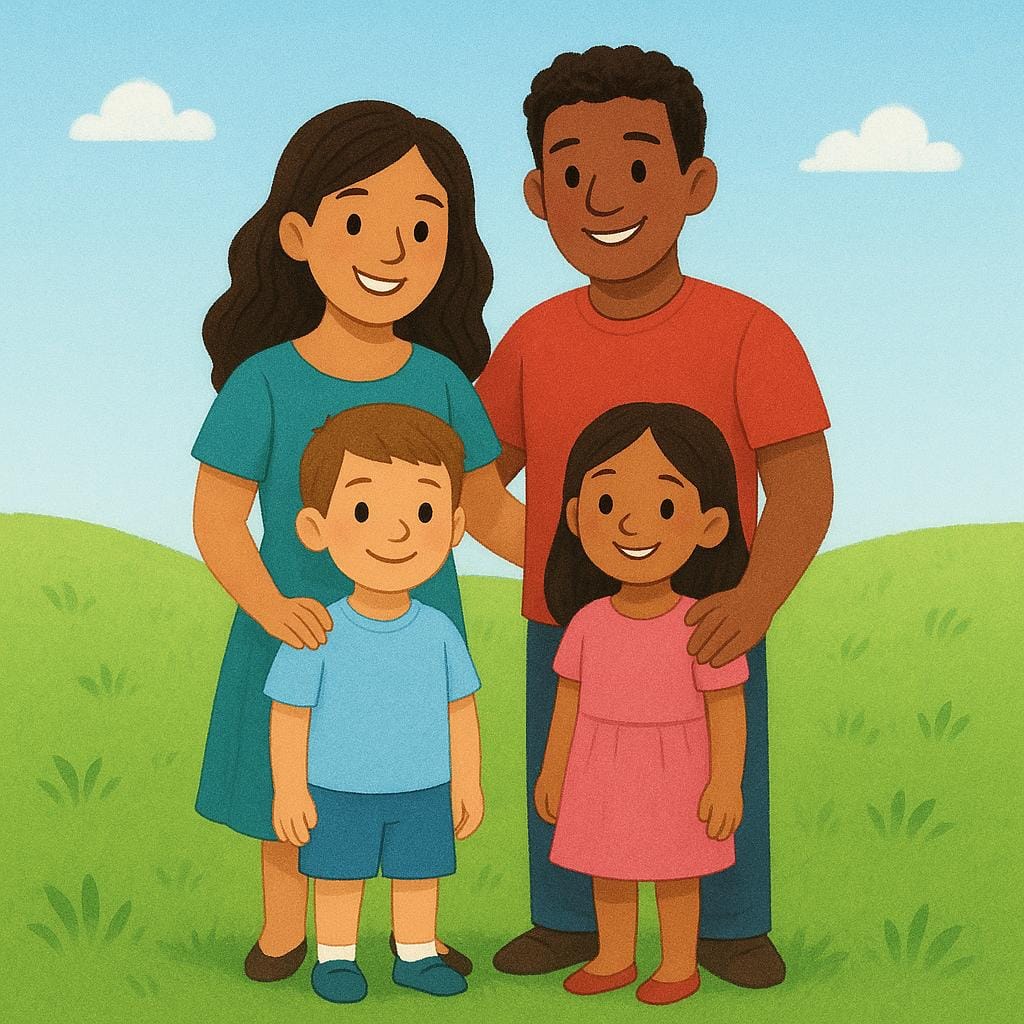
Hay muchas familias grandes en mi barrio.
There are many large families in my neighborhood.
Las familias se reúnen para celebrar la Navidad.
The families gather to celebrate Christmas.
Queremos ayudar a las familias afectadas por la tormenta.
We want to help the families affected by the storm.
Feminine Plural
Since 'familia' is feminine, its plural form 'familias' must use feminine articles and adjectives, like 'las familias' (the families) or 'muchas familias' (many families).
Using 'el' instead of 'la'
Mistake: “Los familias son importantes.”
Correction: Las familias son importantes. The word 'familia' is always treated as feminine, even though it refers to both men and women.
Familiares vs. Familia
Learn Spanish with Inklingo
Interactive stories, personalized learning, and more.