How to Say "nations" in Spanish
The most common Spanish word for “nations” is “países” — use 'países' when referring to distinct political and geographical territories, like countries on a map.

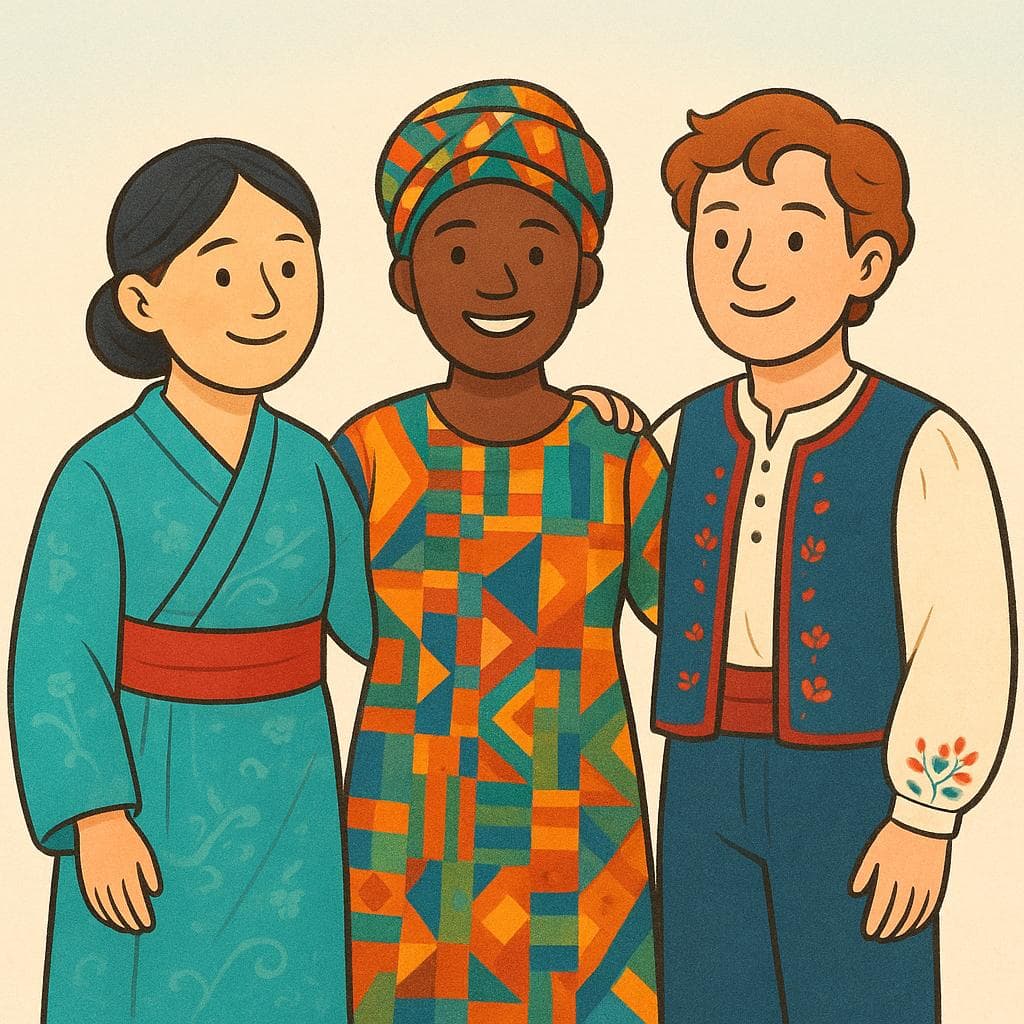
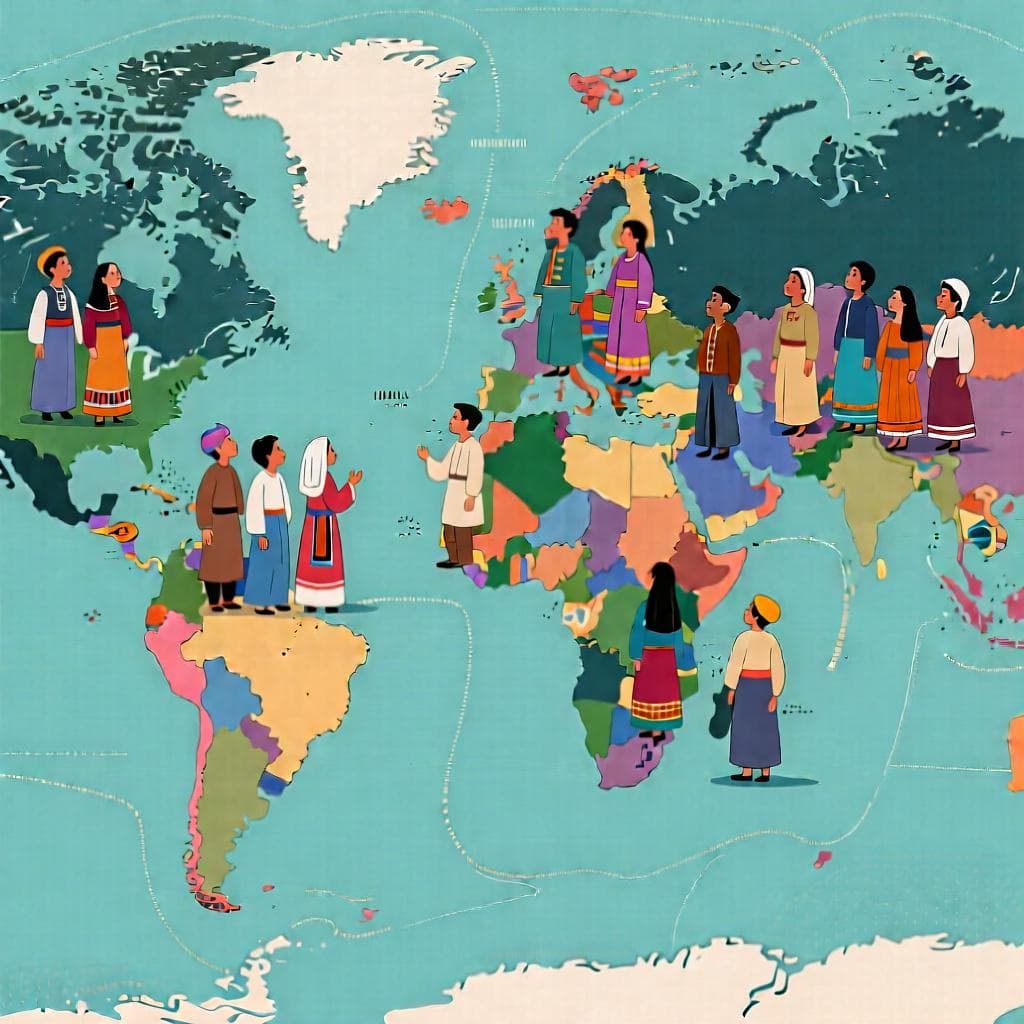
países
Examples
Hay muchos países diferentes en el mundo.
There are many different countries in the world.
naciones
nah-see-OH-nessnaˈsiones

Examples
Las naciones del mundo deben cooperar en este tema.
The nations of the world must cooperate on this issue.
Viajar entre naciones requiere un pasaporte.
Traveling between nations requires a passport.
Históricamente, muchas naciones han tenido conflictos territoriales.
Historically, many nations have had territorial conflicts.
Feminine Plural
'Naciones' is the plural form of the feminine word 'nación'. Therefore, you must use feminine articles and adjectives with it, such as 'las naciones' (the nations) or 'naciones grandes' (big nations).
Mixing Singular and Plural
Mistake: “La naciones”
Correction: Since 'naciones' is plural, you must use the plural article 'las': 'Las naciones'.
Forgetting the Accent (Singular)
Mistake: “Esa nacion es rica.”
Correction: The singular form is 'nación' with an accent on the 'o' to maintain the stress: 'Esa nación es rica.' The plural 'naciones' does not need the accent.
pueblos
PWEH-blohsˈpwe.βlos
Examples
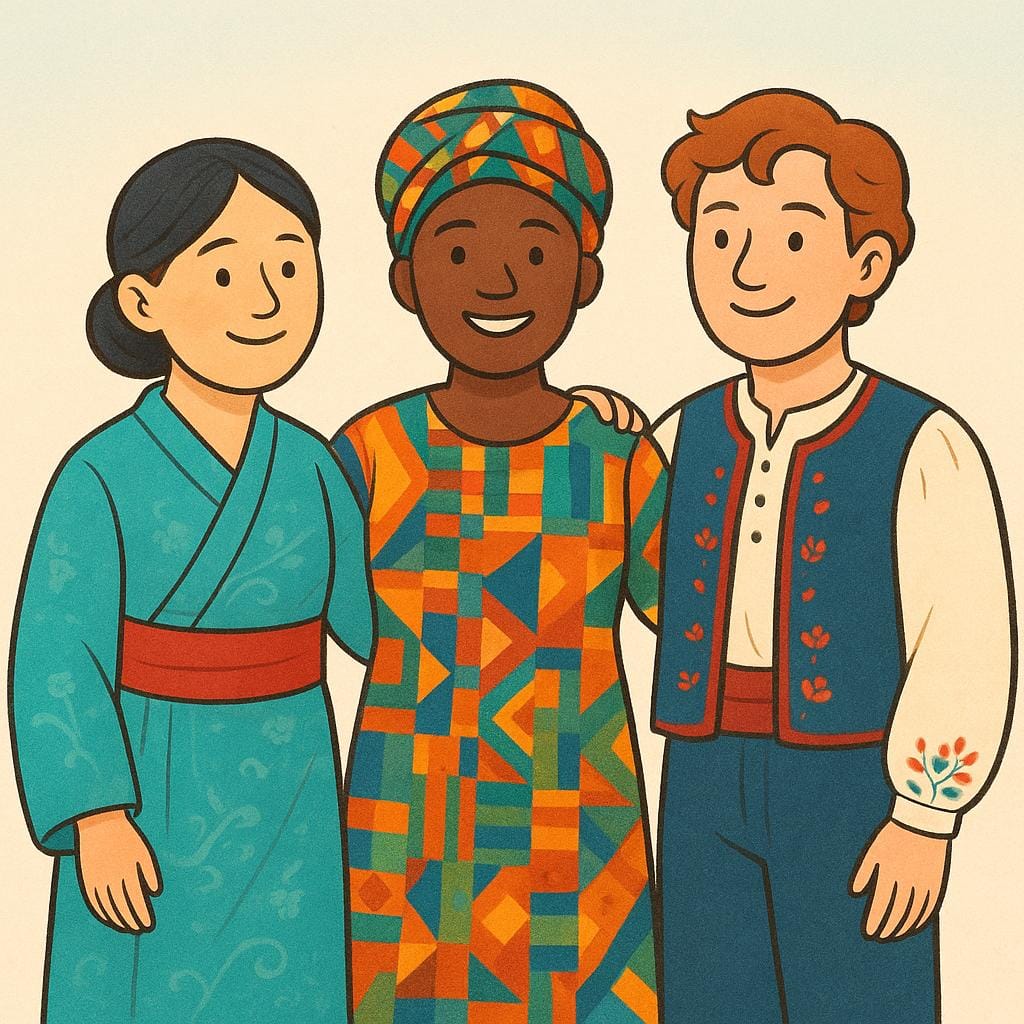
Los pueblos de Europa tienen una historia entrelazada.
The peoples of Europe have an intertwined history.
Se exige respeto por la autodeterminación de los pueblos.
Respect for the self-determination of populations is demanded.
Plurality of 'Peoples'
Unlike English, which often uses 'the people' (singular) to refer to a collective population, Spanish uses 'los pueblos' (plural) when referring to multiple distinct populations or nations.
gente
HEN-tehˈxente
Examples
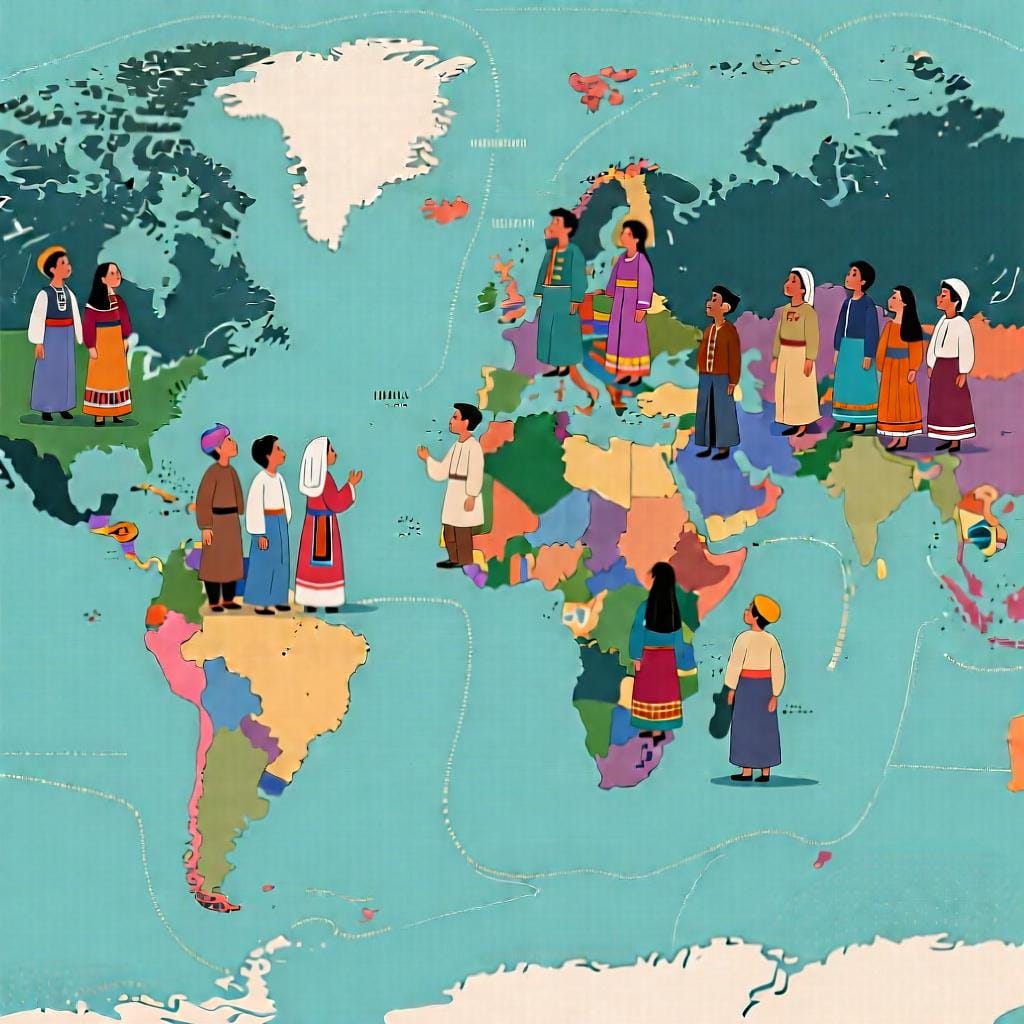
El libro describe las costumbres de las gentes de la antigüedad.
The book describes the customs of the peoples of antiquity.
Es un lugar donde conviven gentes de todo el mundo.
It is a place where peoples from all over the world coexist.
Naciones vs. Países vs. Pueblos
Related Translations
Learn Spanish with Inklingo
Interactive stories, personalized learning, and more.