How to Say "folk" in Spanish
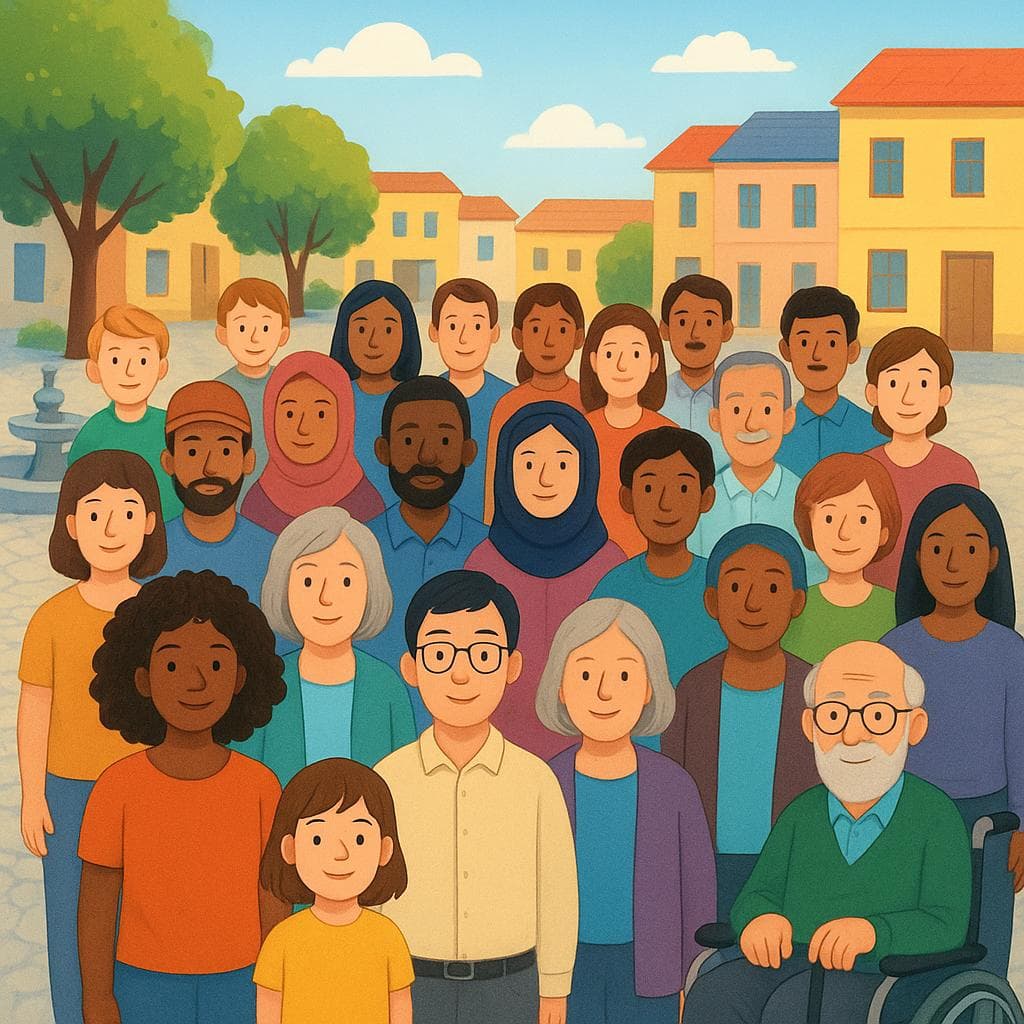
The most common Spanish word for “folk” is “gente” — use 'gente' when referring to a general group of people, the populace, or inhabitants of a place, similar to 'people' or 'folks' in English.

gente
HEN-tehˈxente

Examples
Los viejos del pueblo cuentan historias de la gente de antes.
The old folks of the village tell stories about the people from before.
Hay mucha gente en la playa hoy.
There are a lot of people at the beach today.
La gente de aquí es muy amable.
The people from here are very kind.
No me importa lo que piense la gente.
I don't care what people think.
A Group, Not Individuals
Think of 'gente' like 'the crowd' or 'the public' in English. Even though it means many people, the word itself is treated as one single, feminine thing. So, you always say 'la gente'.
Using Plural Verbs
Mistake: “La gente son interesantes.”
Correction: La gente es interesante. Because 'gente' is a singular word, the verb connected to it must also be singular ('es', not 'son').
popular
poh-poo-LAHRpo.puˈlaɾ
Examples
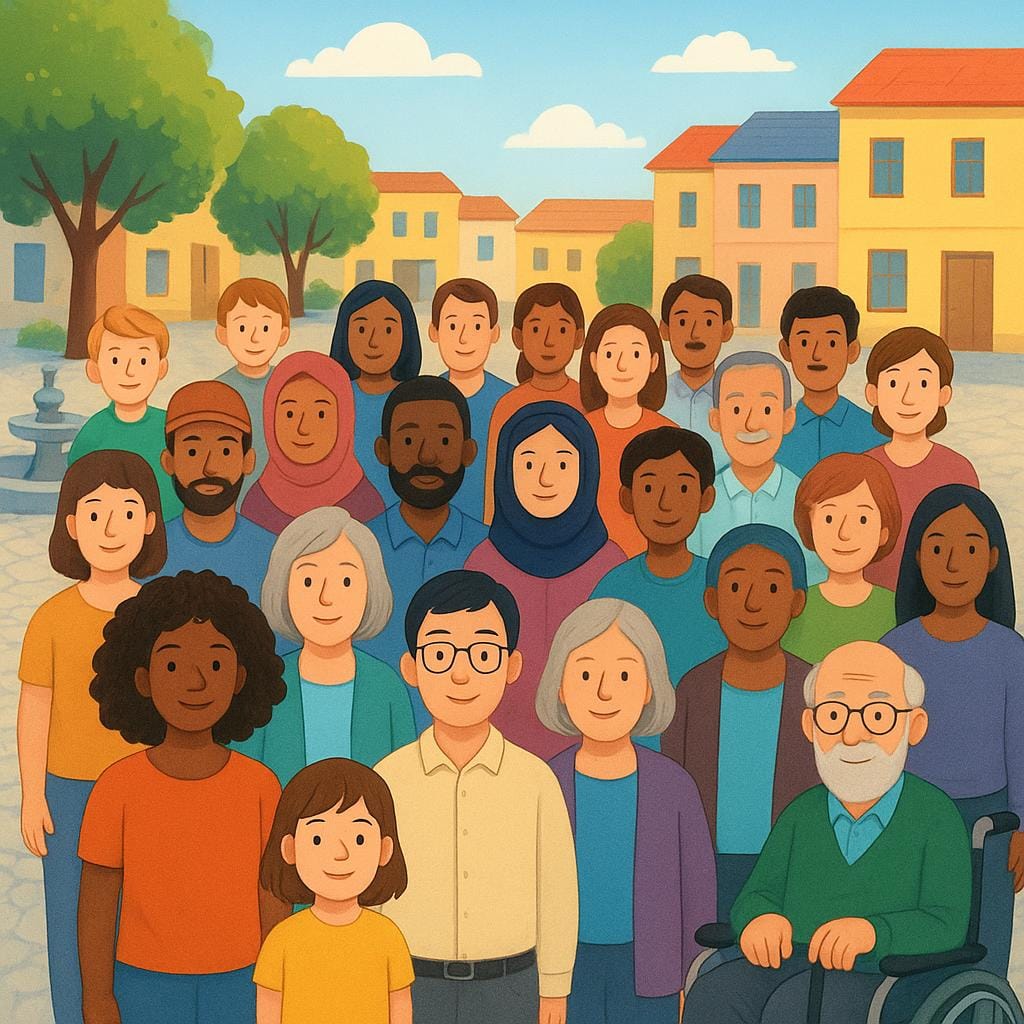
La música popular colombiana es muy rica.
Colombian folk music is very rich.
El gobierno debe escuchar la voluntad popular.
The government must listen to the popular will (the will of the people).
El arte popular de México es muy colorido.
The folk art of Mexico is very colorful.
Se organizaron protestas populares contra la nueva ley.
Popular protests (protests by the people) were organized against the new law.
Formal Contexts
When you see 'popular' used in conjunction with words like 'voto,' 'soberanía,' or 'voluntad,' it usually means that the item is directly connected to or derived from the citizens of a country.
Gente vs. Popular
Learn Spanish with Inklingo
Interactive stories, personalized learning, and more.