popular
“popular” means “popular” in Spanish. It has 2 different meanings depending on context:

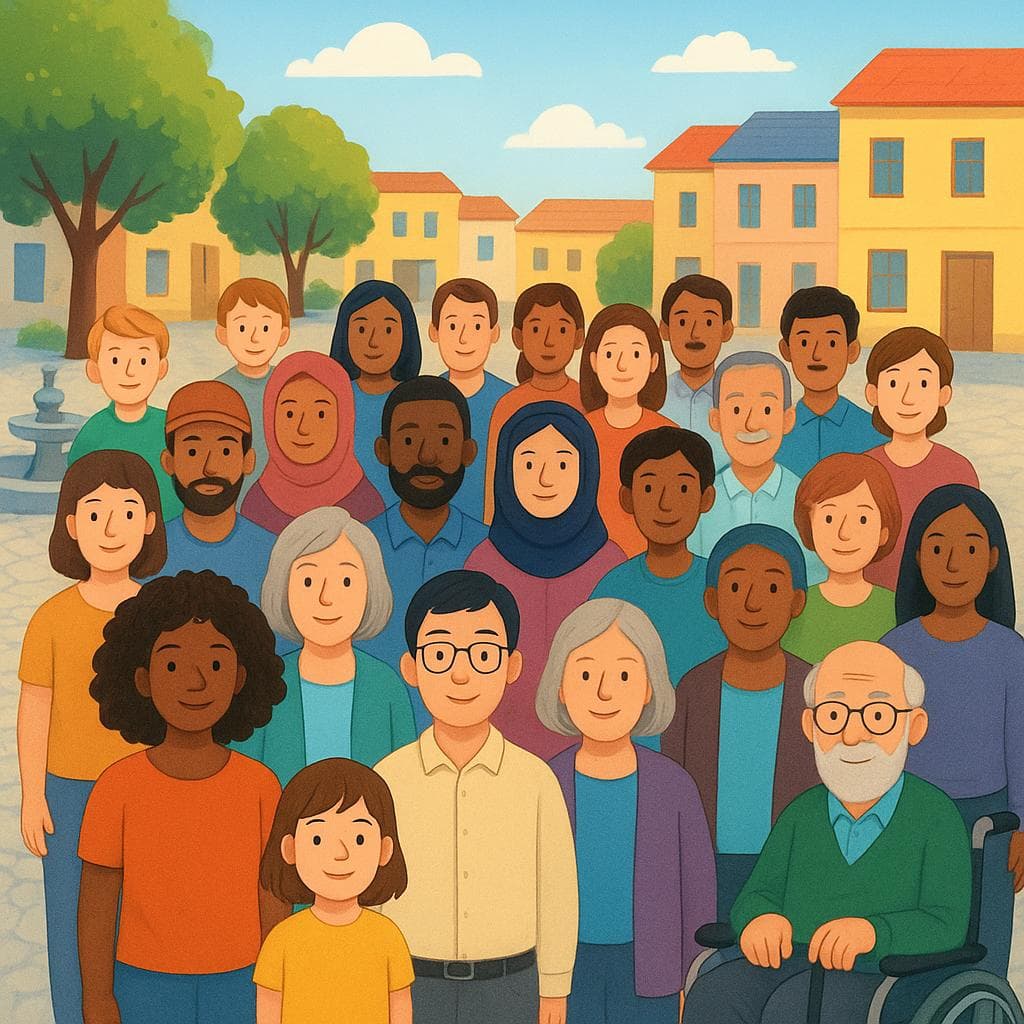
popular, fashionableAlso: well-known

📝 In Action
Esa banda de música se hizo muy popular en España.
A2That music band became very popular in Spain.
Es un destino turístico muy popular durante el verano.
A2It is a very popular tourist destination during the summer.
La comida rápida es popular por ser barata y rápida.
B1Fast food is popular because it is cheap and quick.
Word Connections
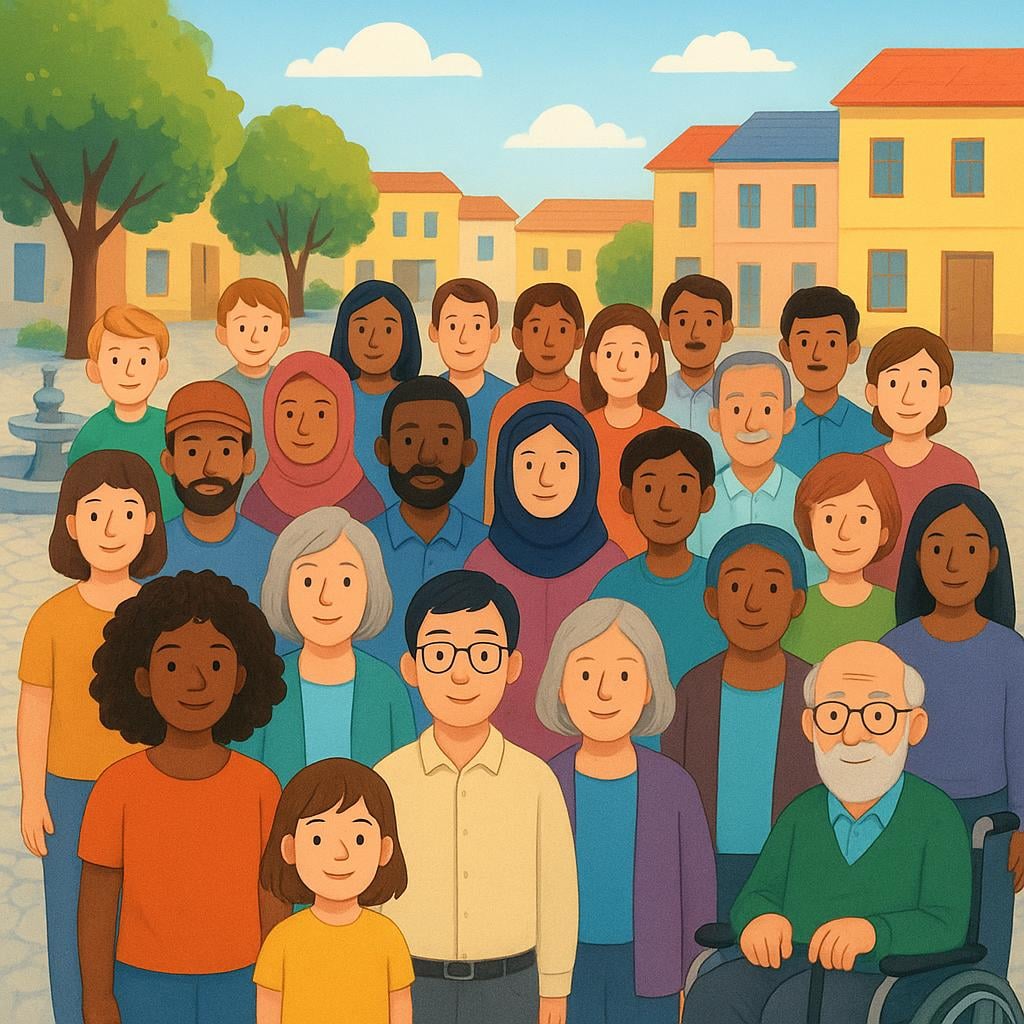
popularAlso: folk
📝 In Action
El gobierno debe escuchar la voluntad popular.
B2The government must listen to the popular will (the will of the people).
El arte popular de México es muy colorido.
B1The folk art of Mexico is very colorful.
Se organizaron protestas populares contra la nueva ley.
C1Popular protests (protests by the people) were organized against the new law.
Word Connections
Translate to Spanish
Words that translate to "popular" in Spanish:
✏️ Quick Practice
Quick Quiz: popular
Question 1 of 2
Which sentence uses 'popular' to mean 'relating to the common people' (Definition 2)?
📚 More Resources
👥 Word Family
🎵 Rhymes
📚 Etymology
Comes directly from the Latin word *popularis*, which means 'belonging to the people.' This word is based on the Latin noun *populus*, meaning 'people' or 'nation.'
First recorded: 13th century
Cognates (Related words)
💡 Master Spanish
Take your Spanish to the next level. Read 200+ illustrated and narrated Spanish stories tailored to your level with the Inklingo app!
Frequently Asked Questions
Does 'popular' change its ending for masculine and feminine nouns?
No, 'popular' is one of those helpful adjectives that stays the same whether the noun is masculine or feminine (e.g., *el deporte popular* / *la opinión popular*). You only need to change it to 'populares' for plural nouns.
Is 'popular' related to the word 'pueblo'?
Yes, absolutely! They share the same root in Latin, *populus* (people). Think of 'popular' as 'of the pueblo' or 'of the people.'