pueblos
“pueblos” means “villages” in Spanish. It has 3 different meanings depending on context:
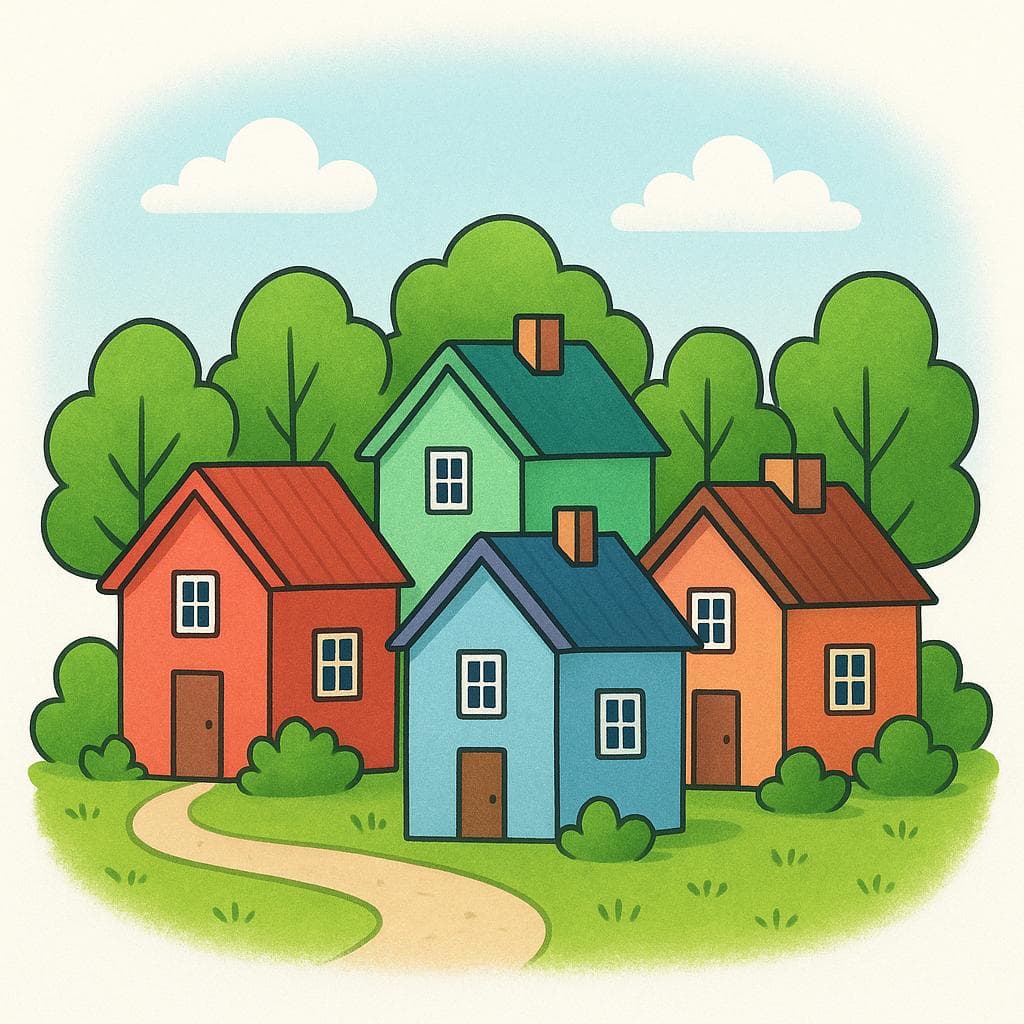
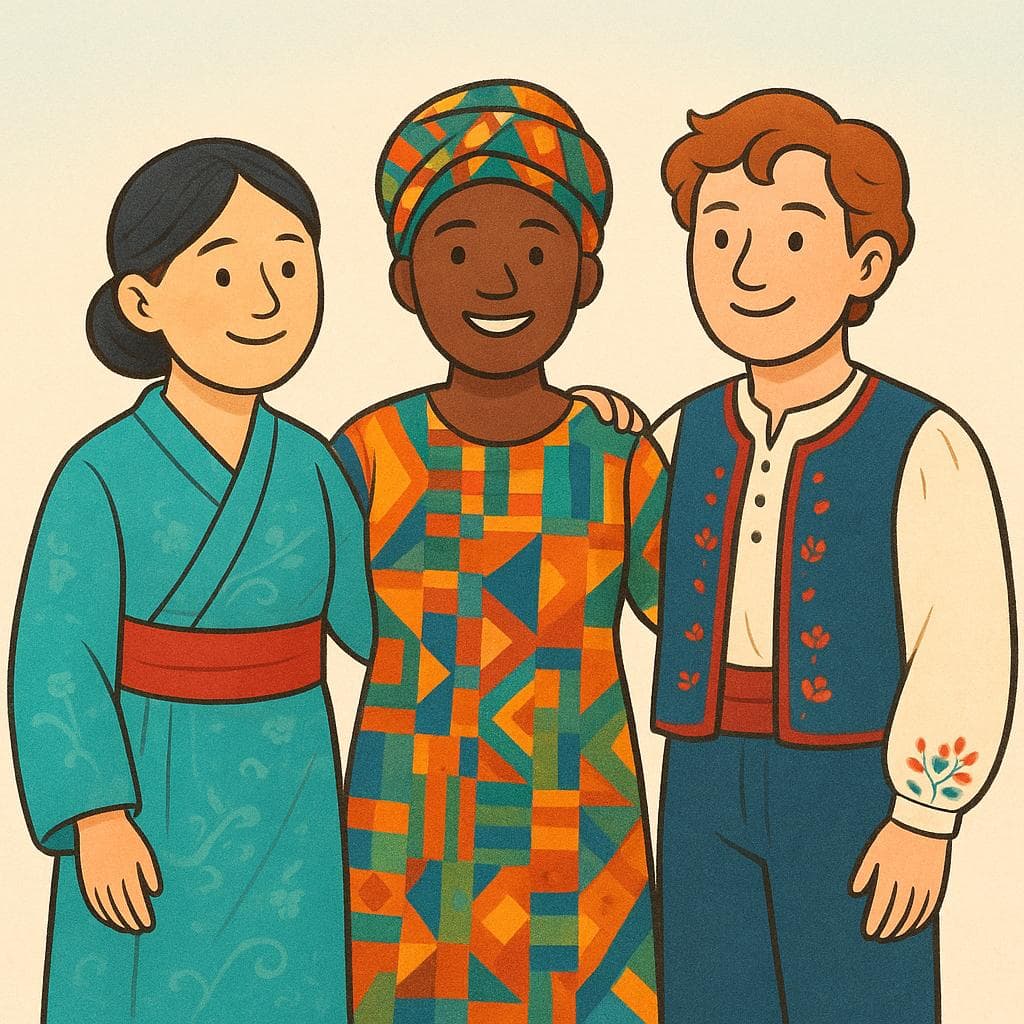
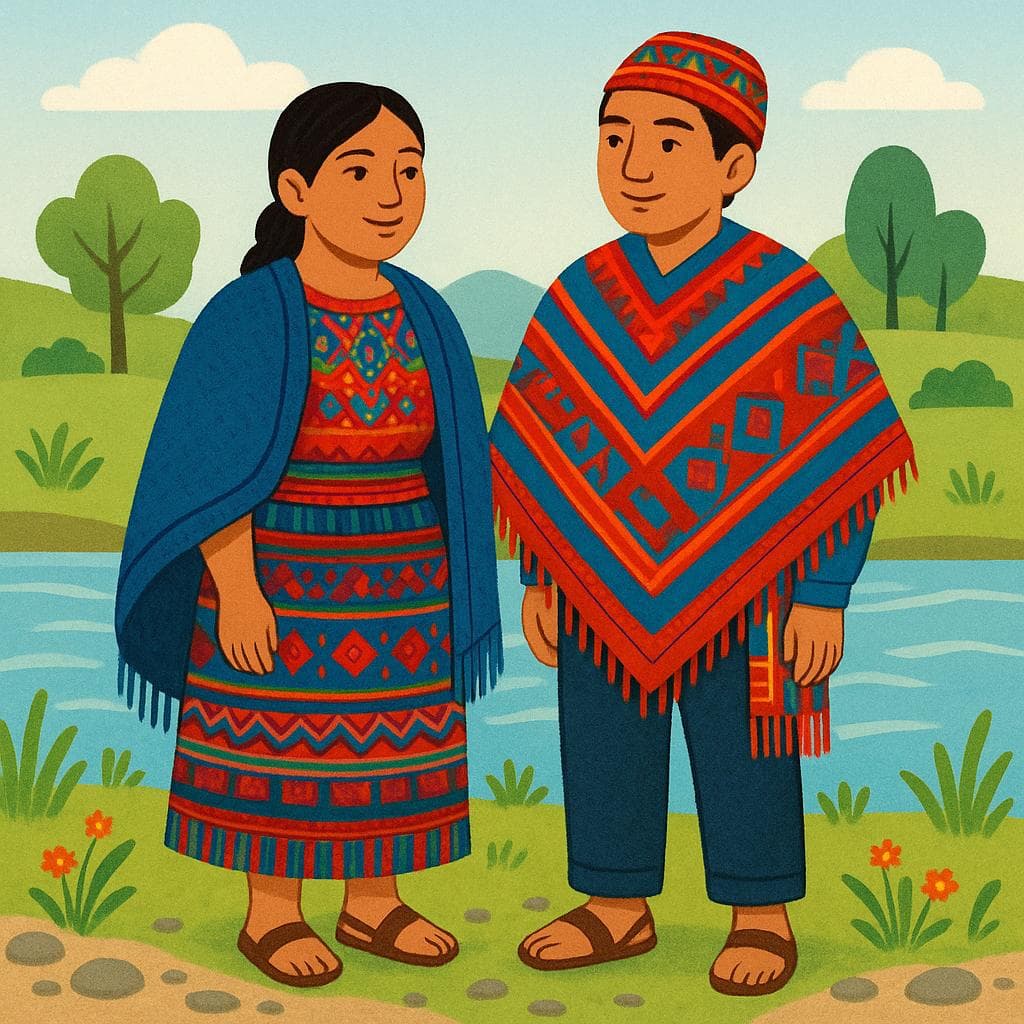
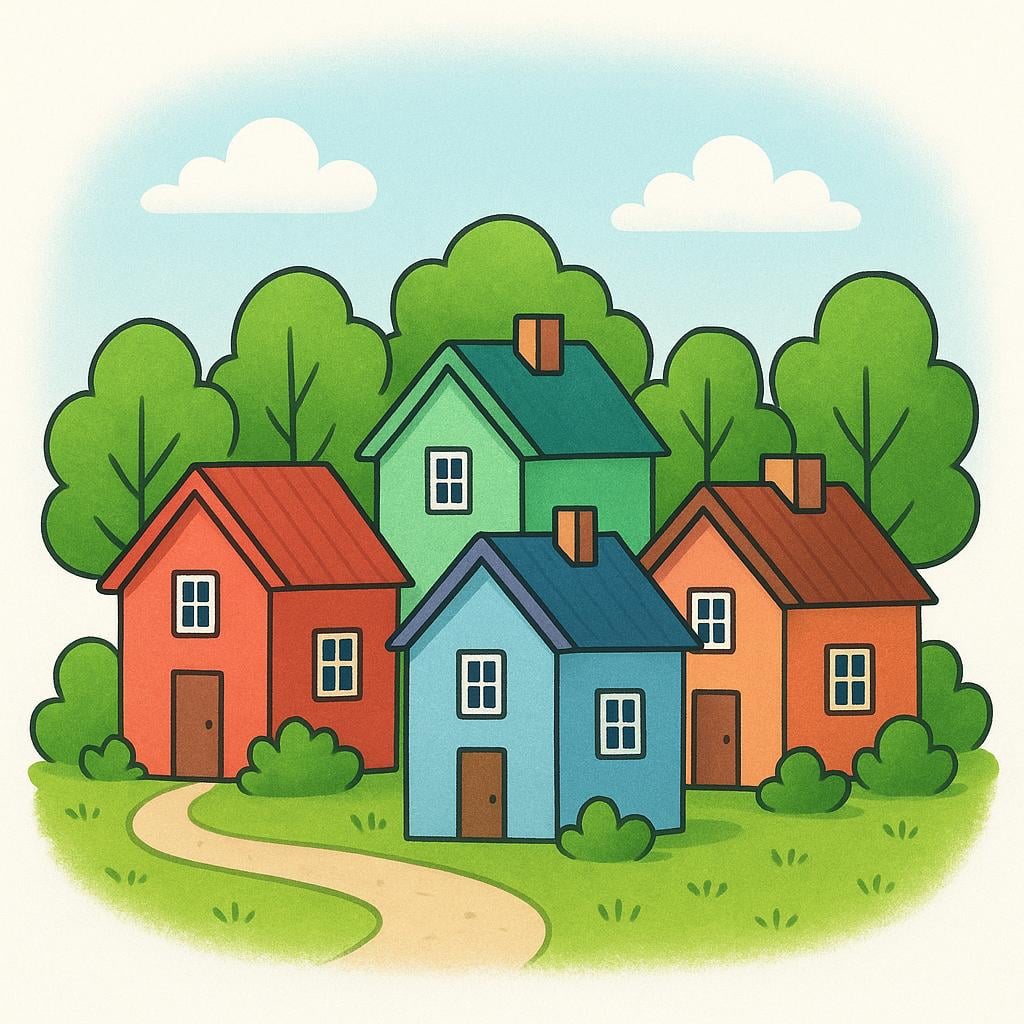
villages, small townsAlso: communities
📝 In Action
En verano, me gusta visitar los pueblos costeros de Andalucía.
A2In summer, I like to visit the coastal villages of Andalusia.
Hay muchos pueblos blancos preciosos en las montañas.
A1There are many beautiful white towns in the mountains.
Word Connections
peoplesAlso: populations, nations
📝 In Action
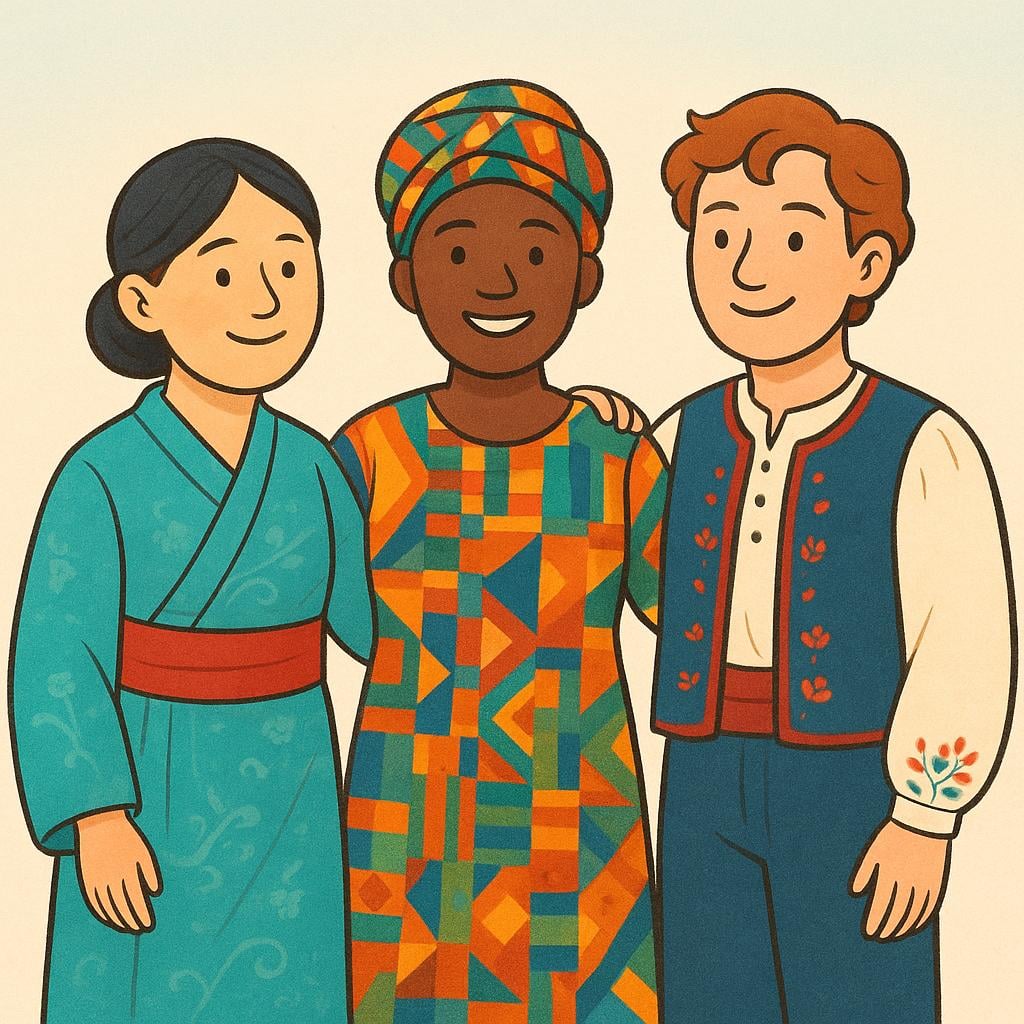
Los pueblos de Europa tienen una historia entrelazada.
B1The peoples of Europe have an intertwined history.
Se exige respeto por la autodeterminación de los pueblos.
B2Respect for the self-determination of populations is demanded.
Word Connections
indigenous peoplesAlso: tribes
📝 In Action
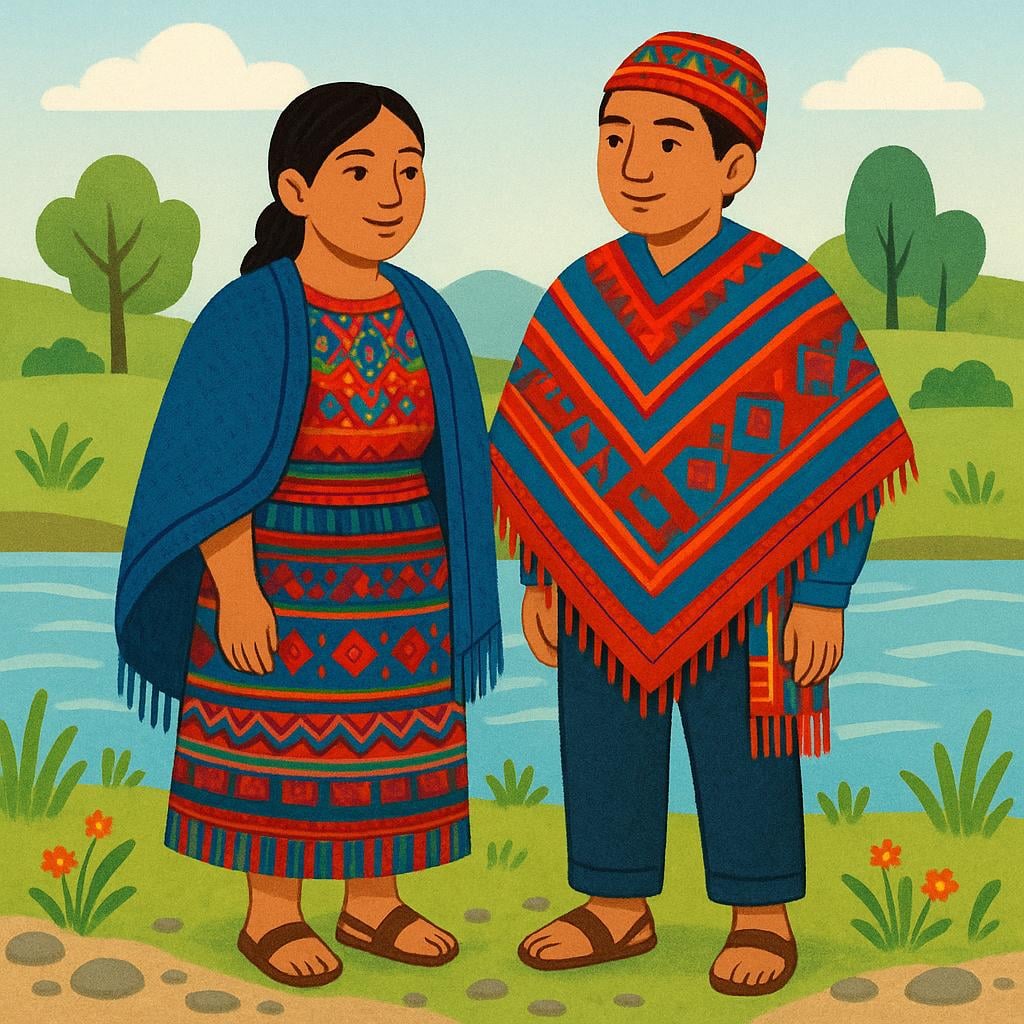
Se firmó un acuerdo con los pueblos originarios de la región.
B2An agreement was signed with the native indigenous peoples of the region.
Los pueblos precolombinos desarrollaron grandes civilizaciones.
C1The pre-Columbian peoples developed great civilizations.
Word Connections
Vocabulary Collections
Translate to Spanish
Words that translate to "pueblos" in Spanish:
✏️ Quick Practice
Quick Quiz: pueblos
Question 1 of 1
Which sentence uses 'pueblos' to mean 'small settlements'?
📚 More Resources
👥 Word Family
🎵 Rhymes
📚 Etymology
The word comes directly from the Latin word *populus*, which meant 'the people' or 'the nation.' Over time, it developed the secondary meaning of 'the place where the people live'—a town or village.
First recorded: Old Spanish (around the 13th century)
Cognates (Related words)
💡 Master Spanish
Take your Spanish to the next level. Read 200+ illustrated and narrated Spanish stories tailored to your level with the Inklingo app!
Frequently Asked Questions
If 'pueblos' means 'towns,' how do I say 'the people' (singular collective)?
If you are referring to 'the people' in a general, singular sense (like 'the populace' or 'the crowd'), you should use the singular, feminine noun 'la gente.' Example: 'La gente es amable' (The people are kind).
What is the difference between 'pueblo' and 'ciudad'?
'Ciudad' means 'city' and refers to a large, urban center. 'Pueblo' means 'town' or 'village' and refers to a smaller, often more rural settlement. The line isn't always sharp, but 'ciudad' is always bigger.