ciudades
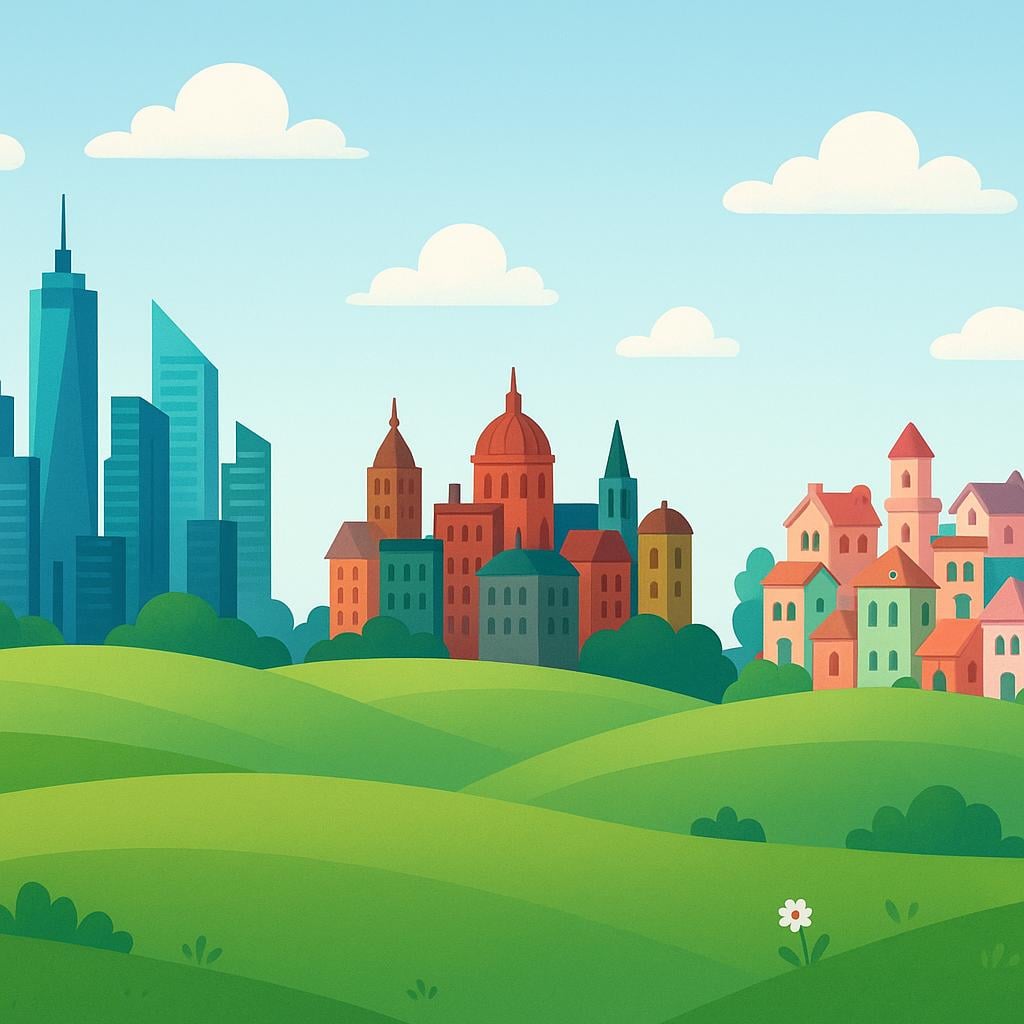
“ciudades” means “cities” in Spanish (large populated areas).
citiesAlso: towns
📝 In Action
Las ciudades grandes tienen mucho tráfico.
A1Big cities have a lot of traffic.
Visitamos varias ciudades históricas durante el viaje.
A2We visited several historic cities during the trip.
La planificación de las nuevas ciudades debe ser sostenible.
B1The planning of new cities must be sustainable.
Word Connections
✏️ Quick Practice
Quick Quiz: ciudades
Question 1 of 2
Which article must you use before 'ciudades'?
📚 More Resources
👥 Word Family
🎵 Rhymes
📚 Etymology
The word comes from the Latin term *civitas*, which originally meant the condition of being a citizen, but later referred to the community or the physical settlement itself. It's the root for many related words like 'citizen' and 'civic'.
First recorded: Around the 13th century in Spanish, evolving from earlier forms.
Cognates (Related words)
💡 Master Spanish
Take your Spanish to the next level. Read 200+ illustrated and narrated Spanish stories tailored to your level with the Inklingo app!
Frequently Asked Questions
How do I pronounce the 'c' in 'ciudades'?
If you are learning Latin American Spanish, the 'c' sounds like an 's' (see-oo-DAH-des). If you are learning Spanish from Spain, the 'c' sounds like the 'th' in 'think' (thee-oo-DAH-des).
Is 'ciudades' interchangeable with 'pueblos'?
Not usually. 'Ciudades' refers to large, major metropolitan areas. 'Pueblos' refers to small towns, villages, or rural settlements.