Geography in Spanish
This section dives into Spanish vocabulary related to geography, covering everything from small villages to vast continents and the features that define our planet. Understanding these terms will not only help you describe places but also navigate travel and understand news from around the world. Interestingly, Spanish often uses feminine nouns for geographical features that might be masculine or neutral in English.
Quick Reference
| Spanish | English | Example | Level |
|---|---|---|---|
áfrica | Africa | Mi familia quiere viajar a África el próximo año. | A1 |
alemania | Germany | Alemania es famosa por su ingeniería y sus cervezas. | A1 |
berlín | Berlin | Berlín es una ciudad con mucha historia. | A1 |
capital | capital (city) | París es la capital de Francia. | A1 |
condado | county | El condado de Los Ángeles es muy grande y poblado. | A2 |
continente | continent | Europa es un continente con mucha historia. | A2 |
costa | coast | Pasaremos nuestras vacaciones en la costa del Mediterráneo. | A1 |
estado | state | El coche está en muy buen estado. | A2 |
europa | Europe | Mi sueño es viajar por toda Europa algún día. | A1 |
frontera | border | Tuvimos que mostrar nuestros pasaportes al cruzar la frontera. | B1 |
isla | island | La isla tiene playas de arena blanca y palmeras. | A1 |
localidad | town | Vivo en una localidad pequeña cerca de Madrid. | A2 |
A1 — Beginner (17 words)

Africa
“Mi familia quiere viajar a África el próximo año.”

Germany
“Alemania es famosa por su ingeniería y sus cervezas.”

Berlin
“Berlín es una ciudad con mucha historia.”

capital (city)
“París es la capital de Francia.”

coast
“Pasaremos nuestras vacaciones en la costa del Mediterráneo.”
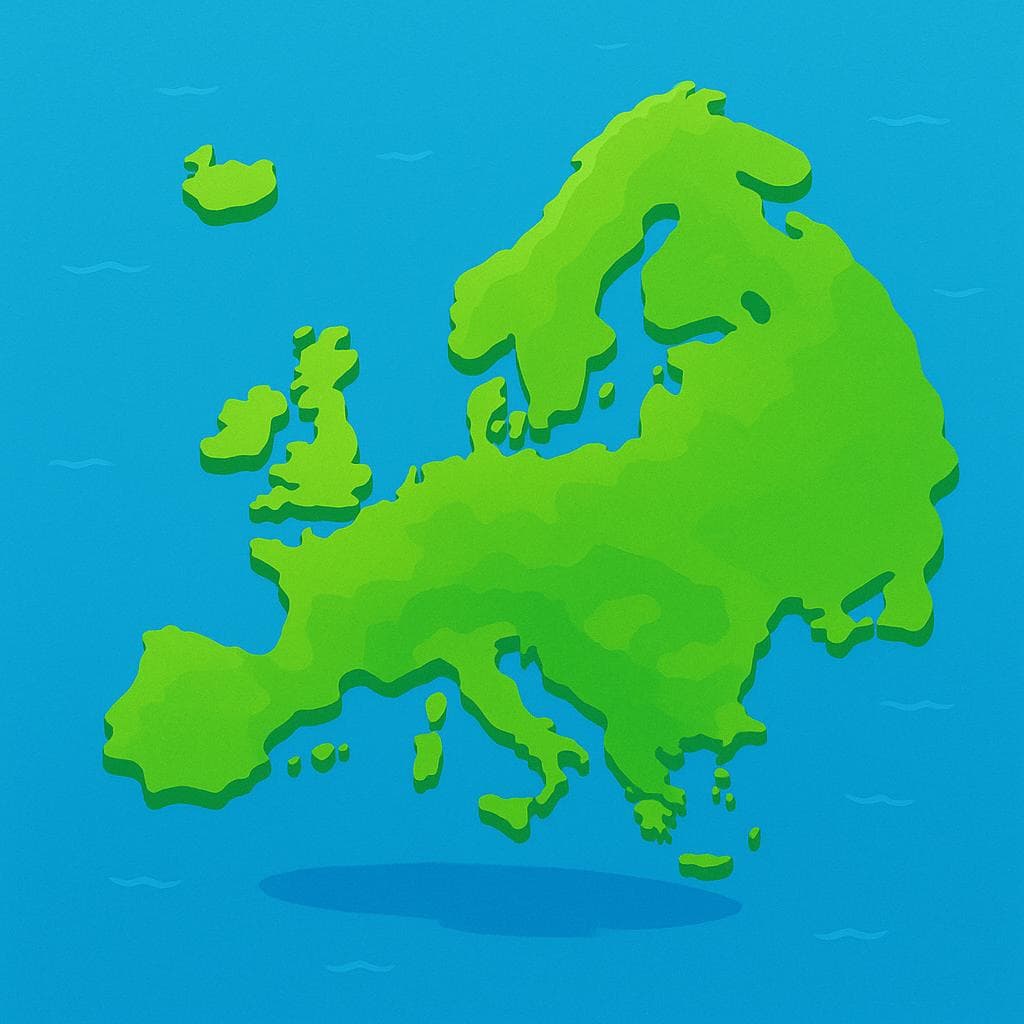
Europe
“Mi sueño es viajar por toda Europa algún día.”

island
“La isla tiene playas de arena blanca y palmeras.”

Mexico
“¿Conoces a alguien que viva en México?”
world
“El mundo es un lugar hermoso.”
ocean
“El Océano Pacífico es el más grande del mundo.”
country
“¿De qué país eres?”

countries
“Hay muchos países diferentes en el mundo.”
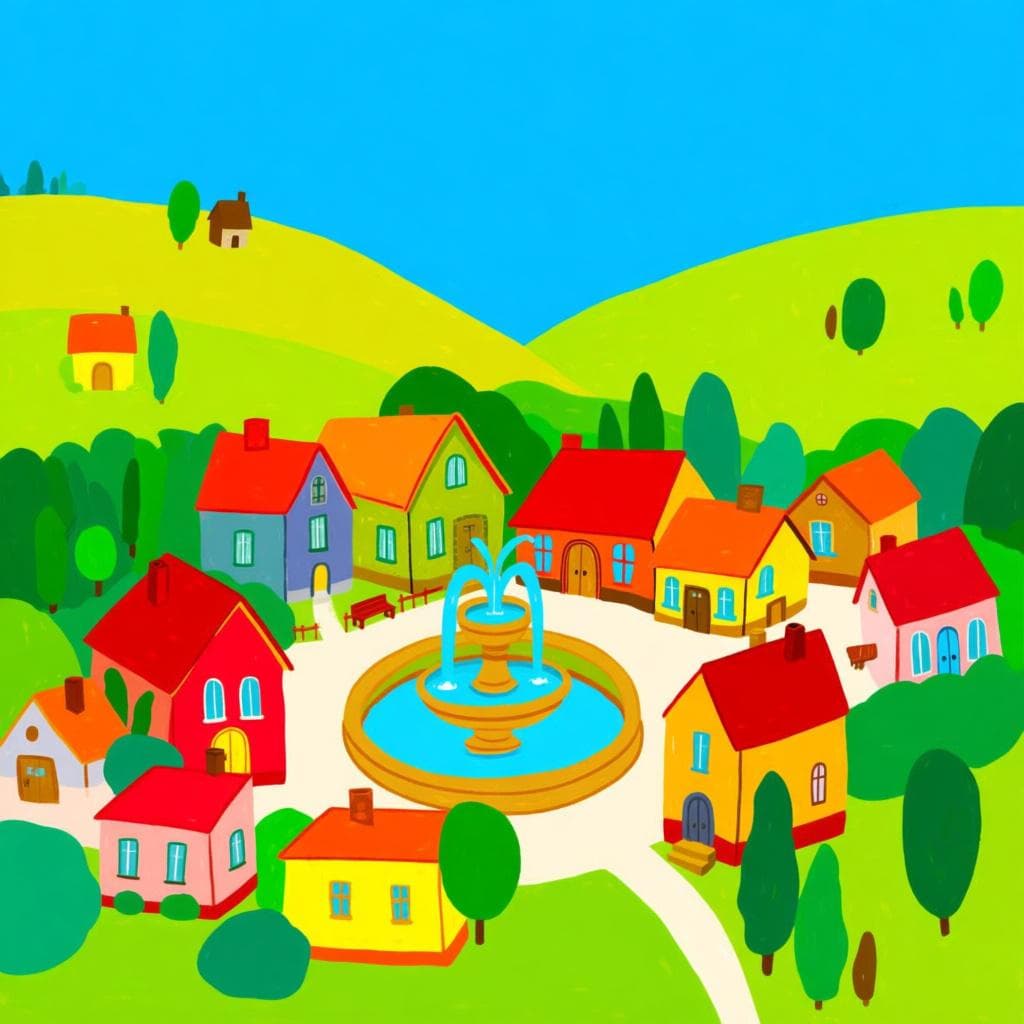
town
“Mi abuela vive en un pueblo pequeño en las montañas.”
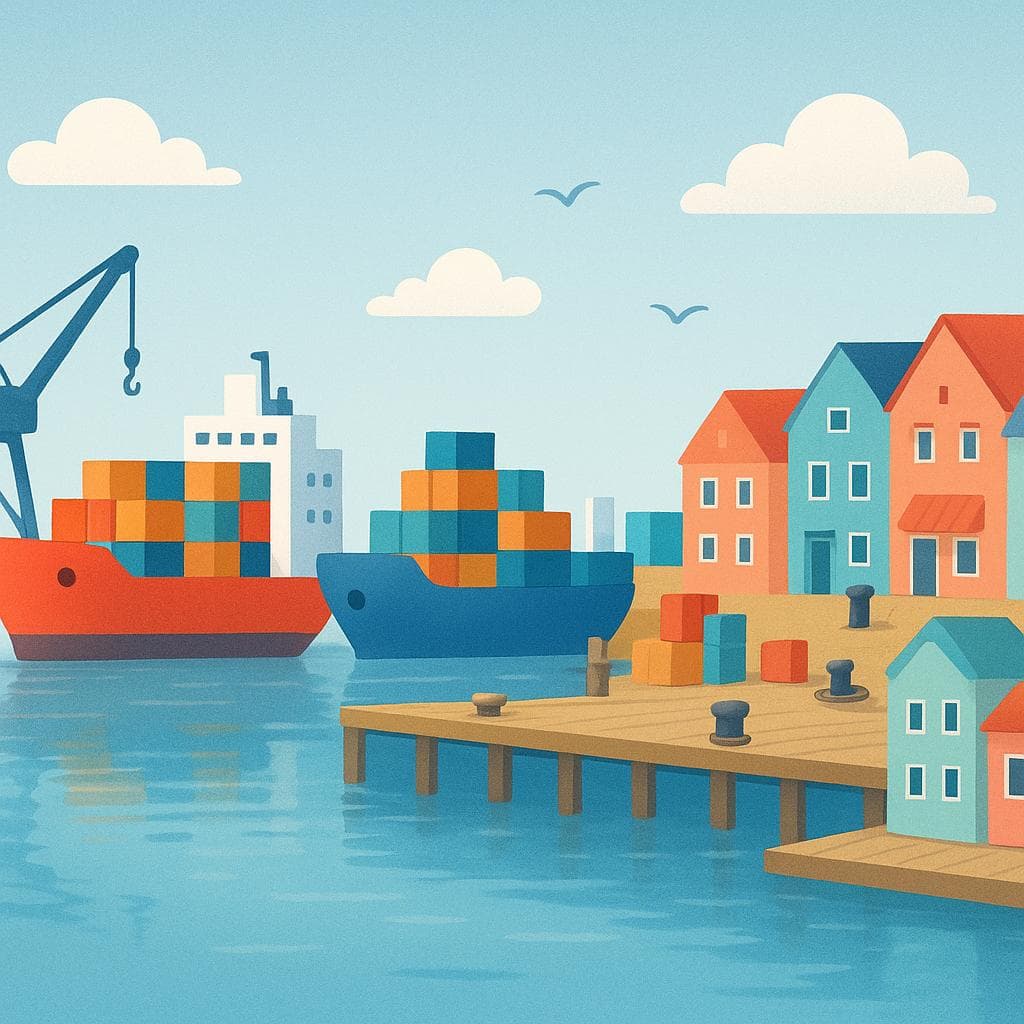
port
“El crucero atracó en el puerto de Barcelona esta mañana.”
south
“Para llegar a la playa, tienes que conducir hacia el sur.”

Moscow
“Moscú es una de las ciudades más grandes de Europa.”
region
A2 — Elementary (17 words)
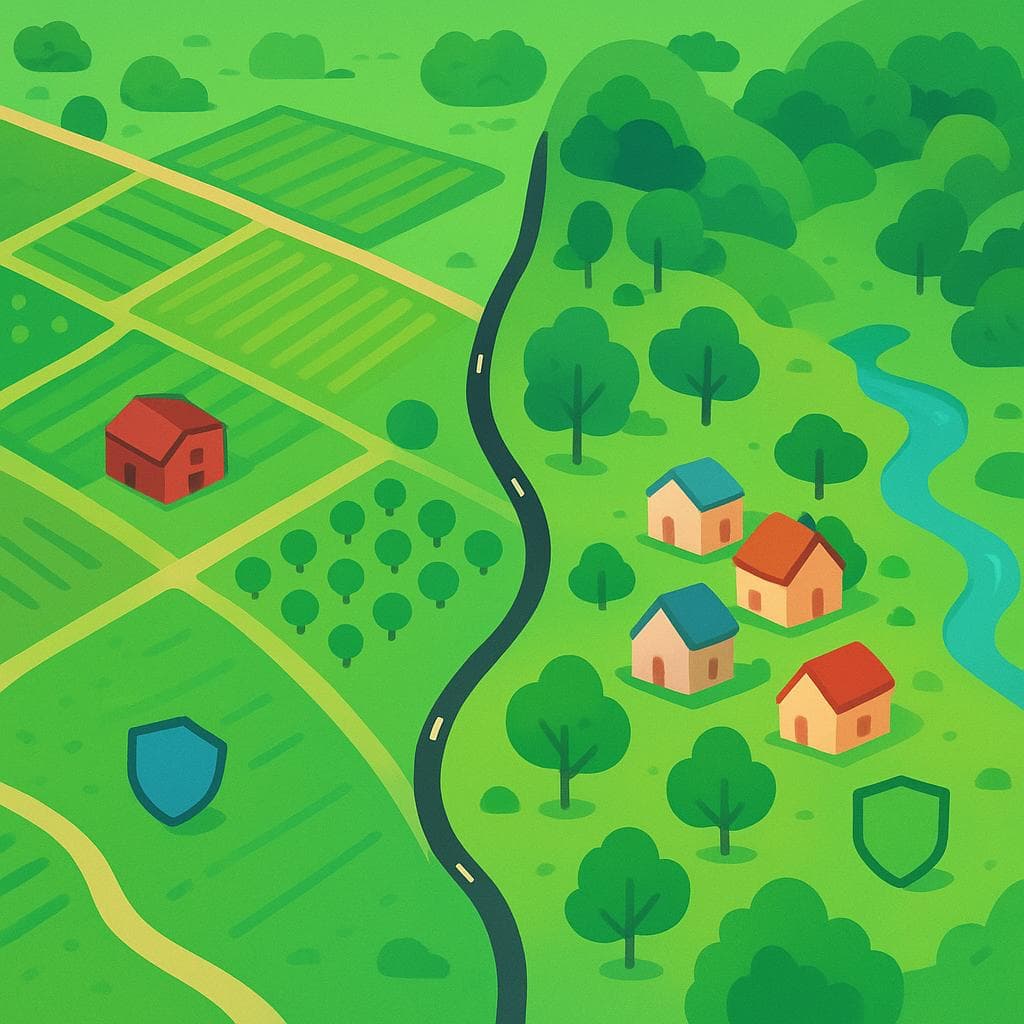
county
“El condado de Los Ángeles es muy grande y poblado.”
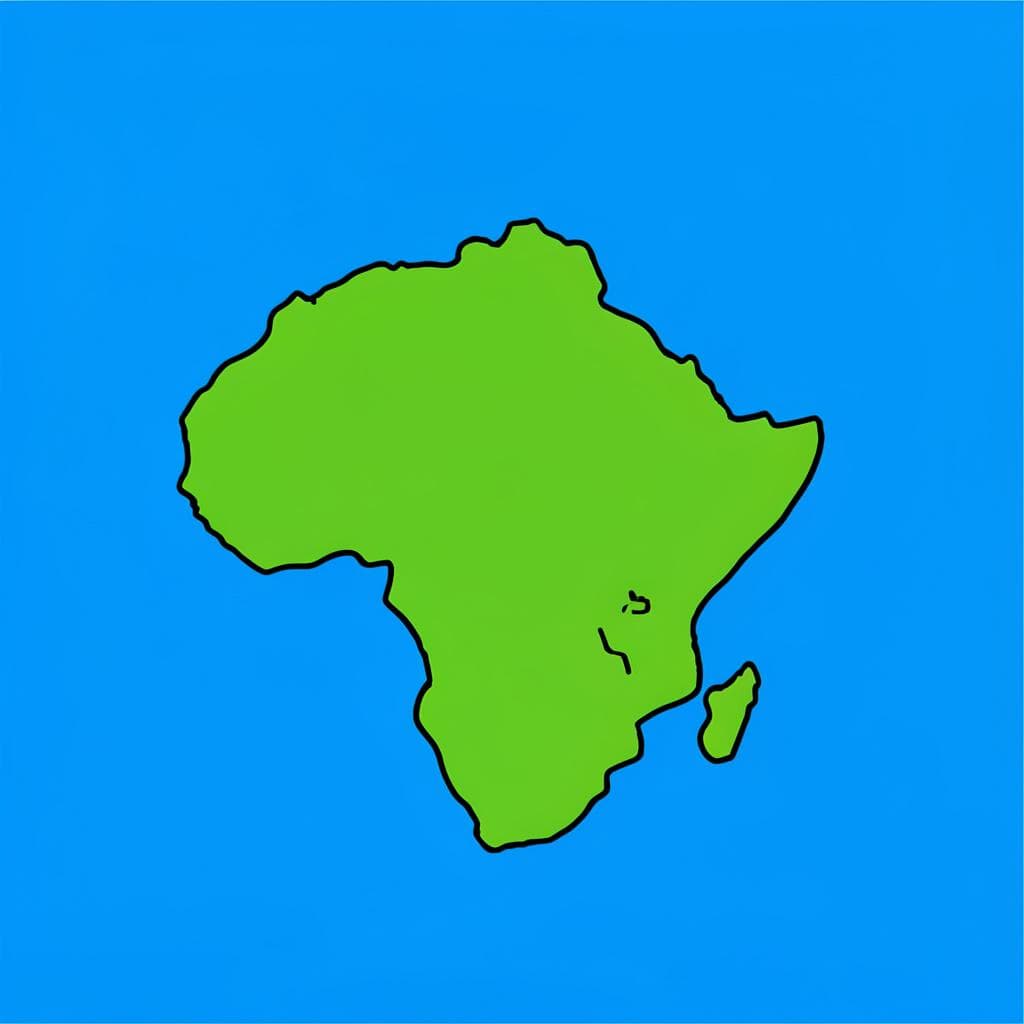
continent
“Europa es un continente con mucha historia.”
state
“El coche está en muy buen estado.”

town
“Vivo en una localidad pequeña cerca de Madrid.”

location
“Envíame tu localización por WhatsApp.”

province
“Mendoza es una provincia muy famosa por sus vinos.”
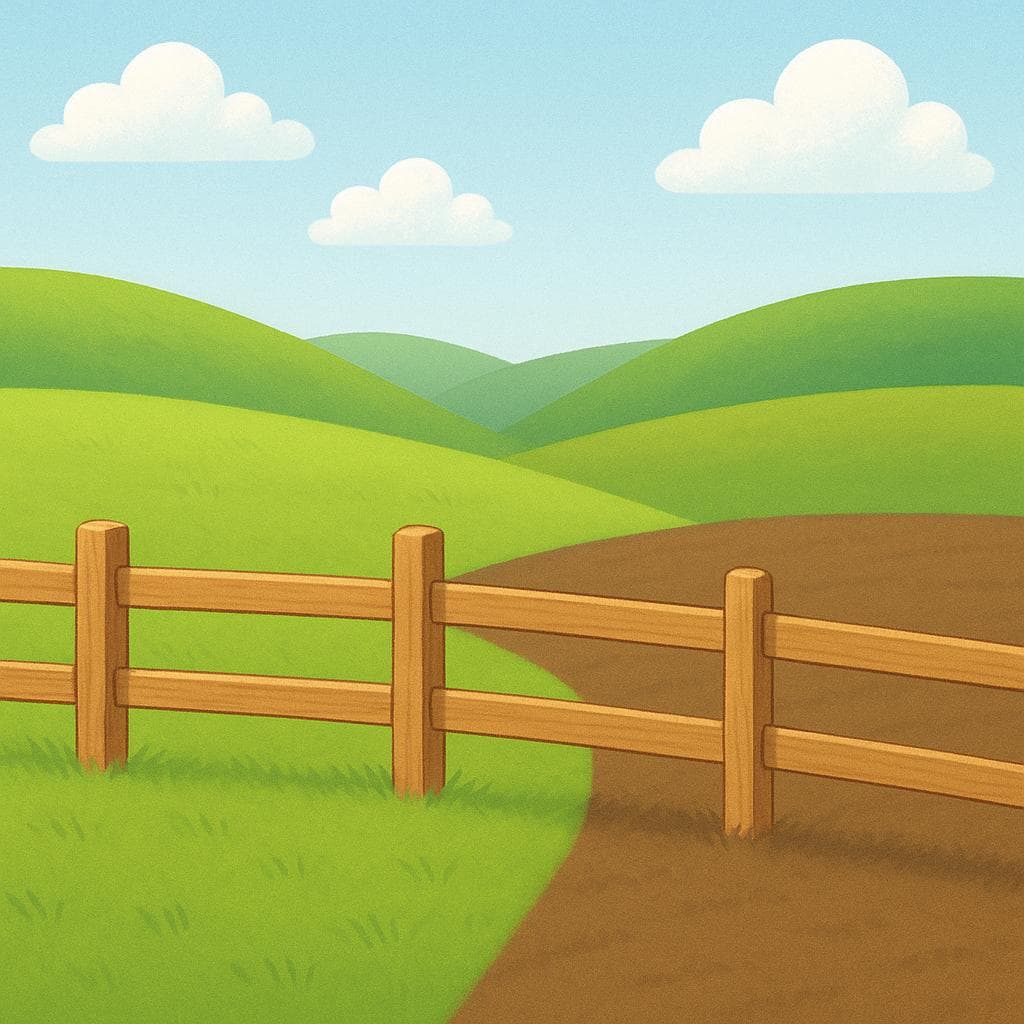
territory
“Este río marca la frontera natural del territorio nacional.”
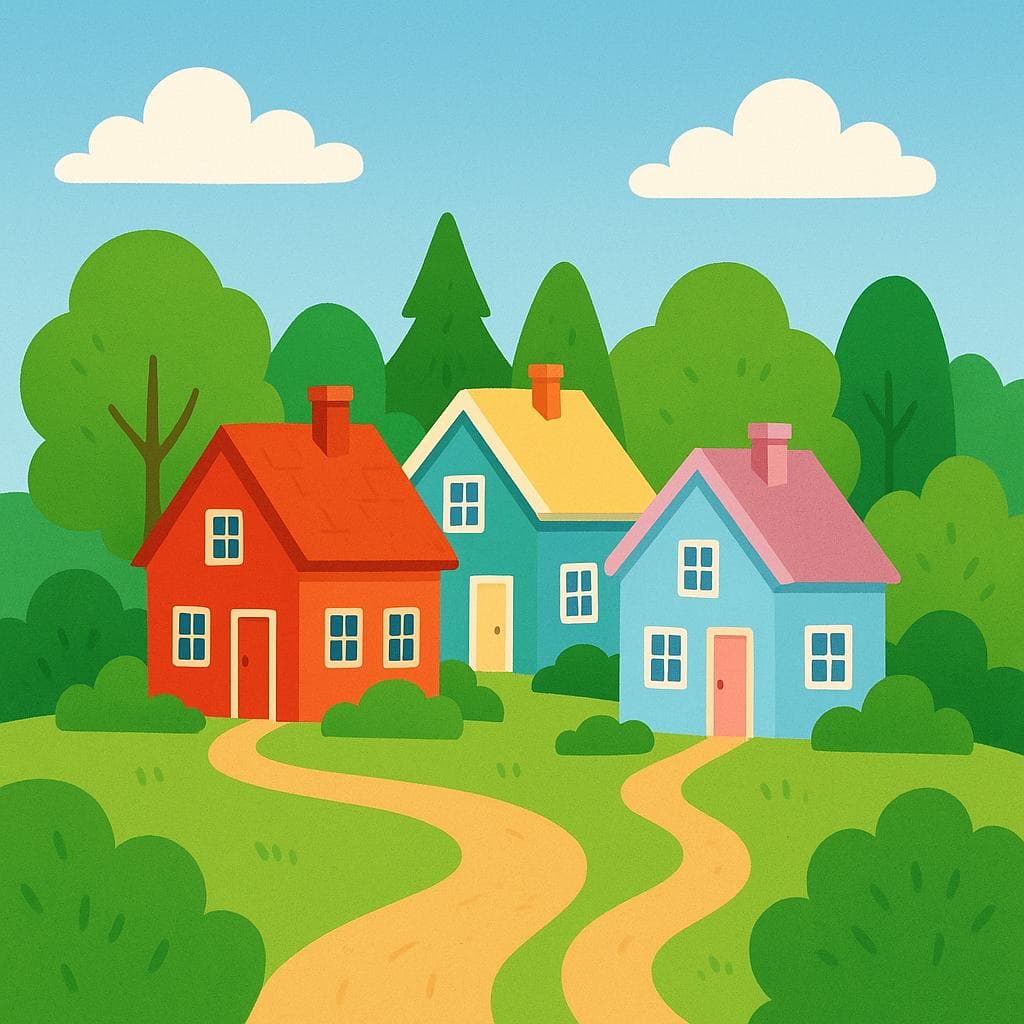
village
“Mi abuela vive en una aldea pequeña en las montañas.”

Central American
“Me encanta la comida centroamericana.”

continental
“El hotel sirve un desayuno continental todas las mañanas.”

coastal
“Queremos pasar las vacaciones en un pueblo costero.”
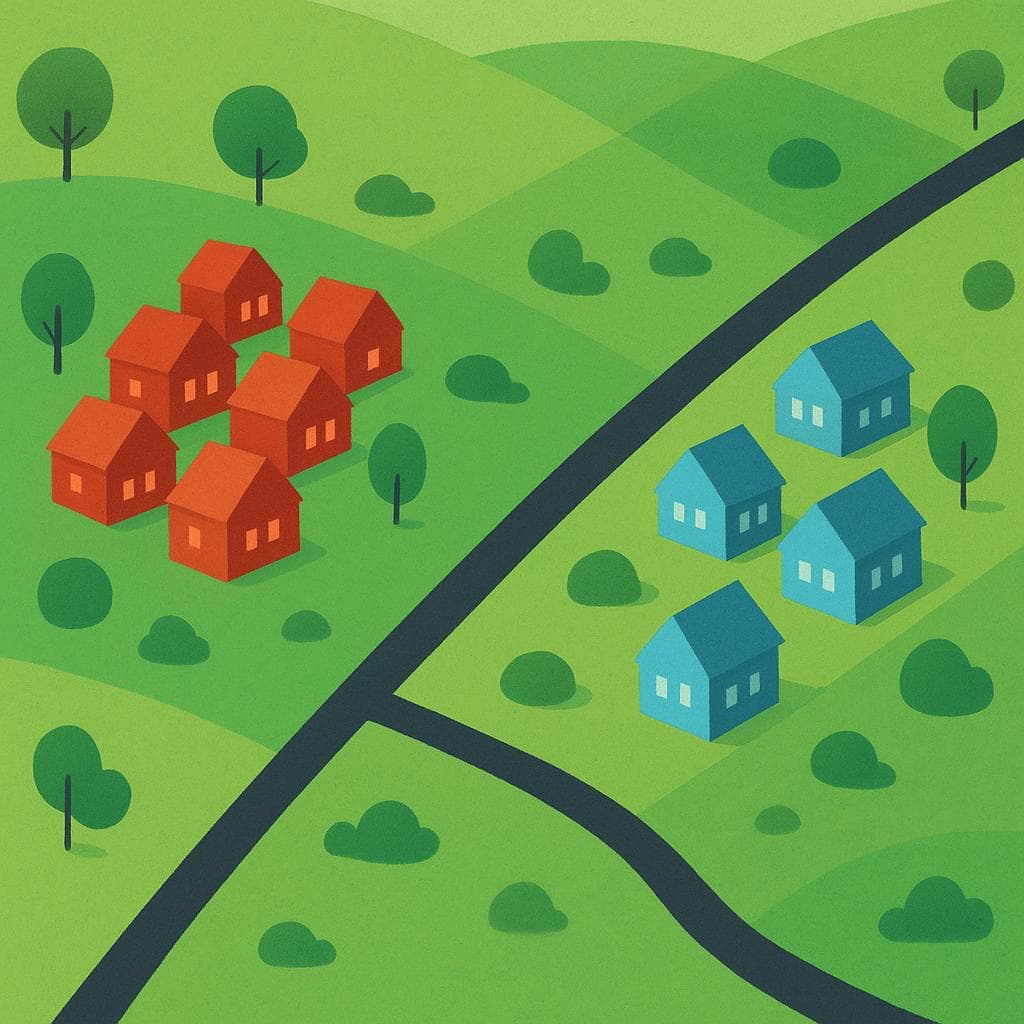
district
“El ayuntamiento dividió la ciudad en varios distritos.”
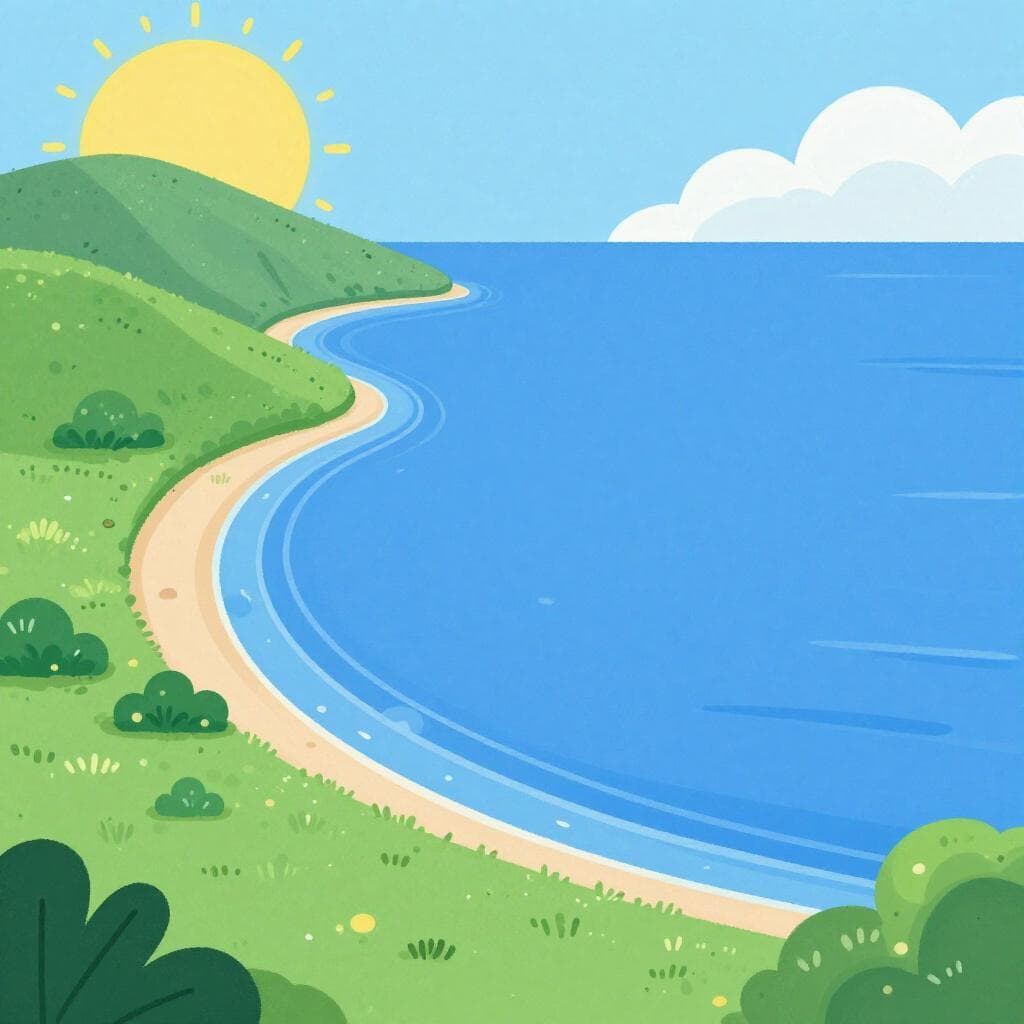
gulf
“El golfo de México es muy extenso.”

Mediterranean
“La dieta mediterránea es muy saludable.”

west
“El sol se pone por el occidente.”

southern
“Me encanta el clima sureño.”

volcano
“El volcán está activo y echa humo.”
B1 — Intermediate (14 words)
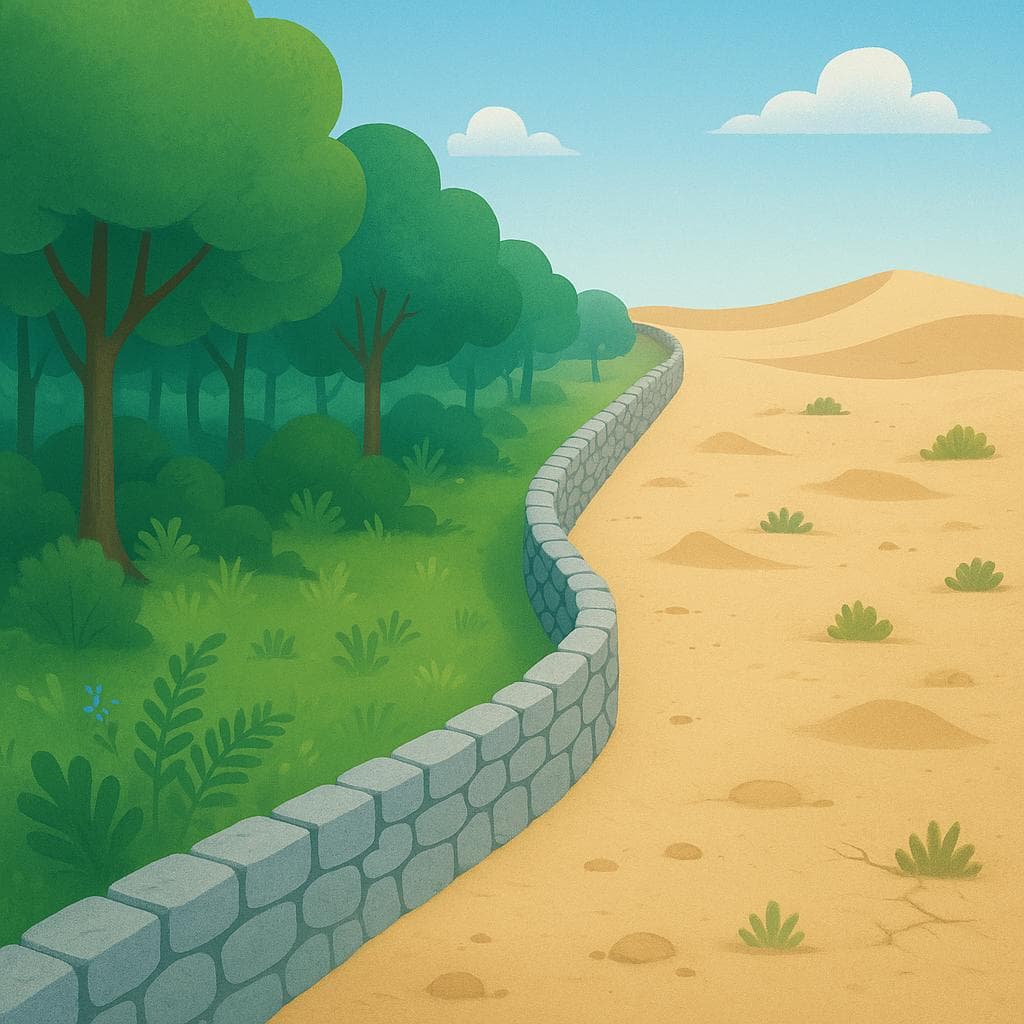
border
“Tuvimos que mostrar nuestros pasaportes al cruzar la frontera.”

population
“La población mundial sigue creciendo rápidamente.”
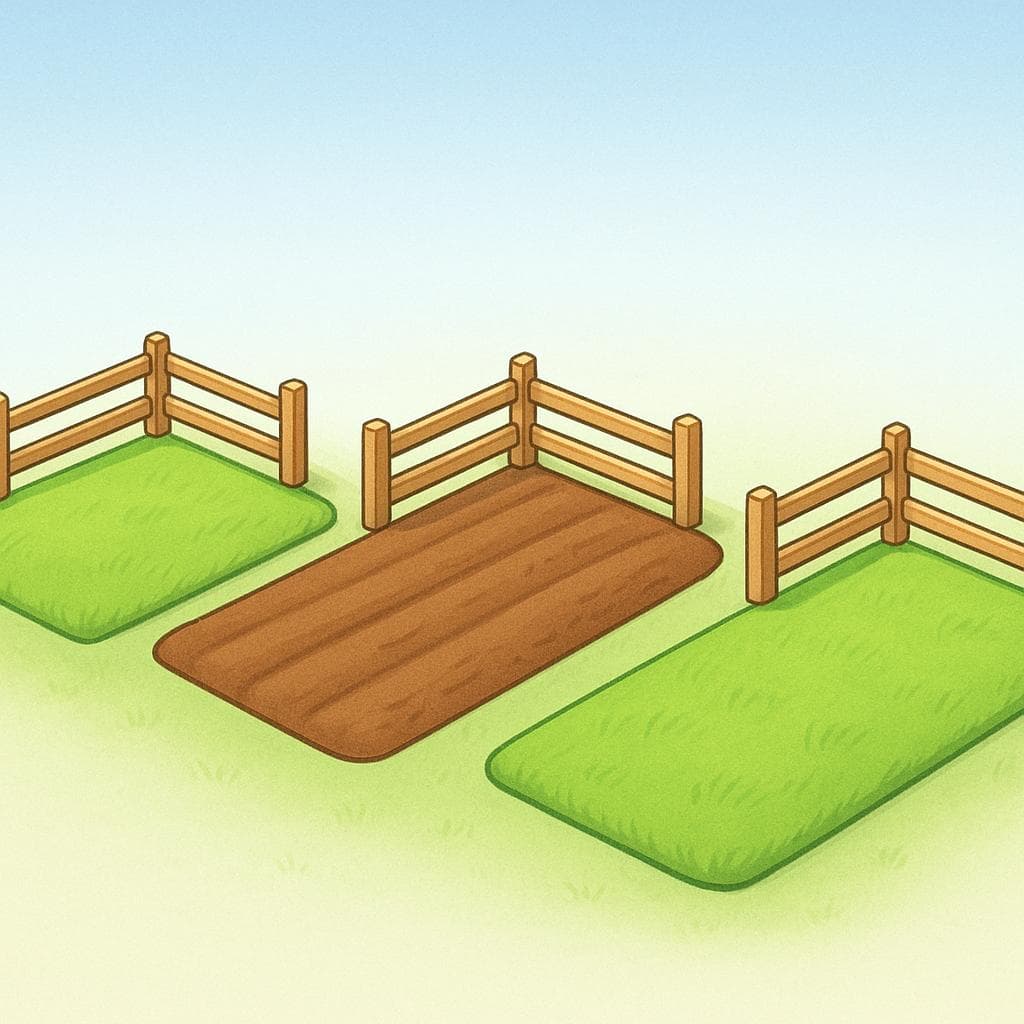
lands
“El duque poseía las tierras más fértiles de la región.”

bay
“La bahía estaba llena de pequeños barcos de pesca.”

coordinate
“Introduce las coordenadas en el GPS para encontrar la casa.”

border
“Vivimos en una ciudad fronteriza.”

latitude
“Madrid y Nueva York están casi en la misma latitud.”
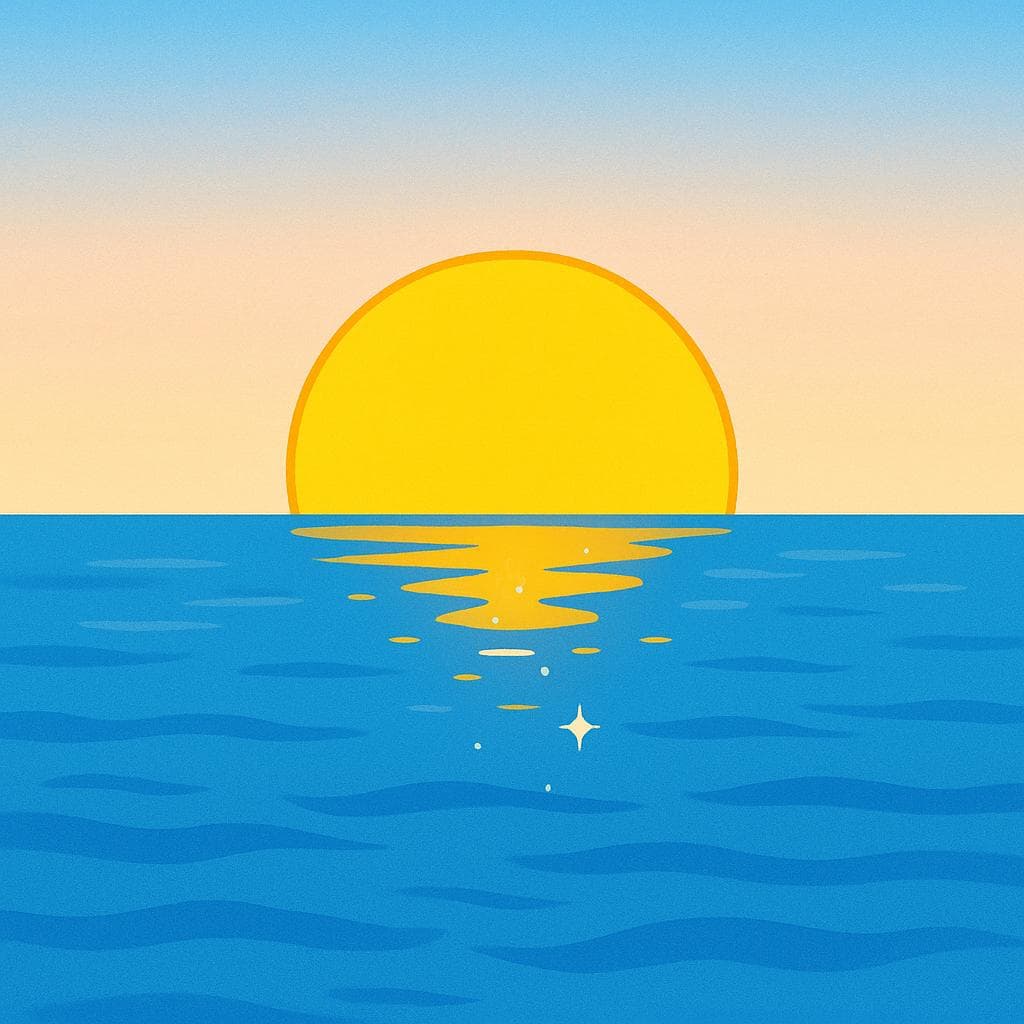
east
“El sol siempre sale por el oriente.”

region
“Esta comarca es famosa por sus quesos artesanales.”

crater
“El cráter del volcán está lleno de ceniza.”
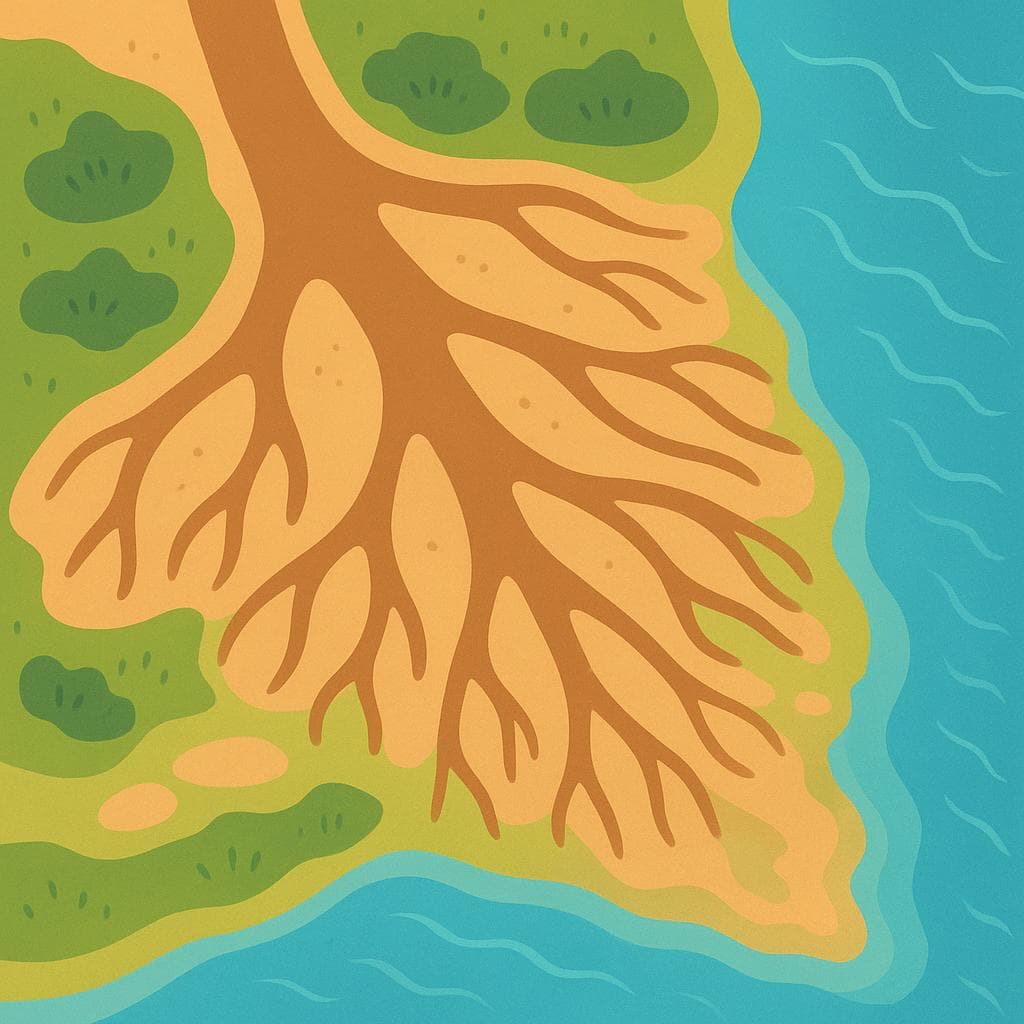
delta
“El delta del río Amazonas es inmenso.”
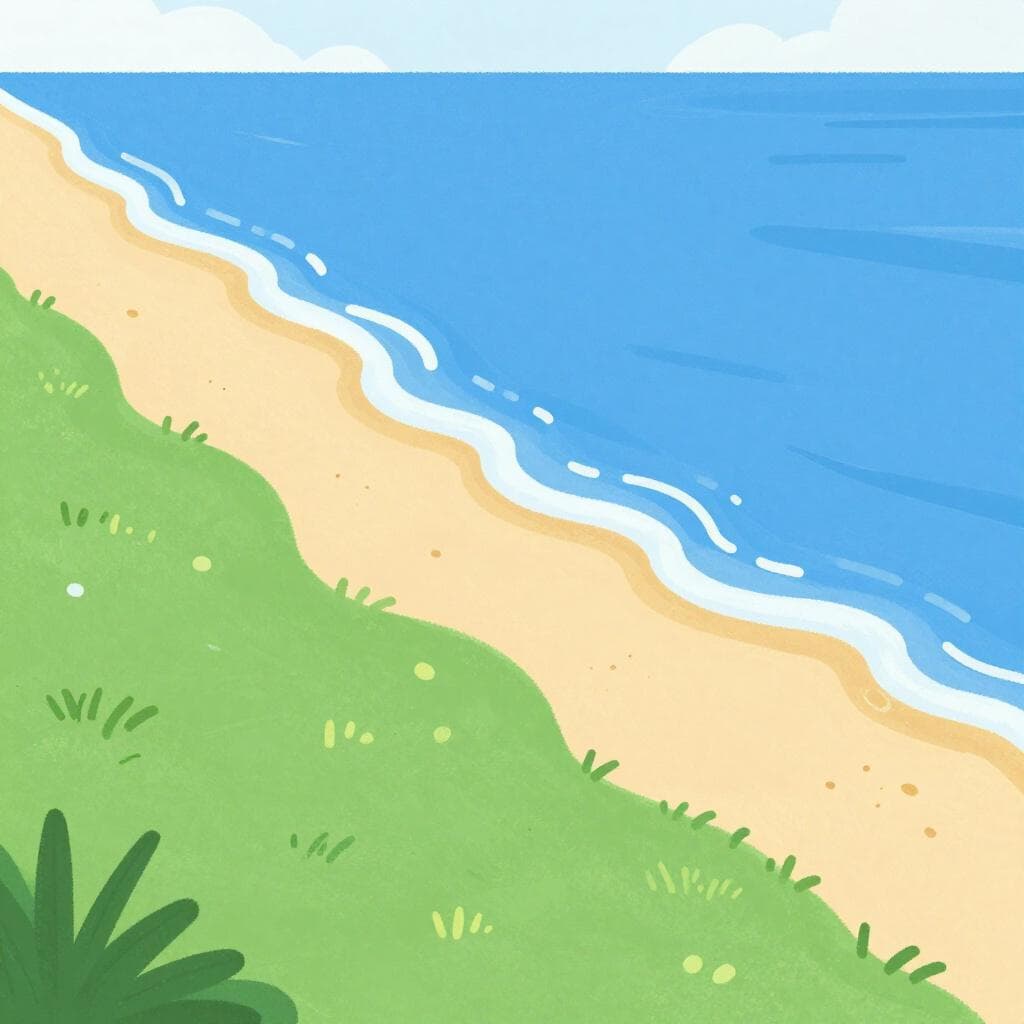
coastline
“El litoral de España tiene playas maravillosas.”

plain
“Las vacas pastan en la llanura.”

settlement
“Los arqueólogos encontraron un poblado antiguo cerca del río.”
B2 — Upper Intermediate (2 words)
western
“Las montañas se encuentran en la parte occidental del país.”

deposit
“Han descubierto un nuevo yacimiento de petróleo en el océano.”
Grammar Tips
Gender Agreement with Places
Many geographical nouns in Spanish are feminine, like 'la montaña' (mountain) or 'la isla' (island). Adjectives describing them must agree in gender and number. For example, 'la montaña alta' (the tall mountain) and 'las montañas altas' (the tall mountains).
Nationalities and Adjectives
Adjectives related to countries or regions, like 'mexicano' (Mexican) or 'europeo' (European), must also agree with the noun they modify. 'El país es asiático' (The country is Asian), but 'La cultura es asiática' (The culture is Asian).
Plural Forms of Geographical Features
When referring to multiple features, remember standard Spanish pluralization rules. 'El río' (the river) becomes 'los ríos' (the rivers), and 'la ciudad' (the city) becomes 'las ciudades' (the cities).
Common Mistakes
Incorrect Adjective Placement
Mistake: “La capital grande está en España.”
Correction: La capital grande está en España. — In Spanish, descriptive adjectives like 'grande' (big) usually come *after* the noun they modify.
Forgetting Gender Agreement
Mistake: “La costa es muy bonito.”
Correction: La costa es muy bonita. — 'Costa' is a feminine noun, so the adjective 'bonito' must also be feminine ('bonita').
Pluralizing Uncountable Nouns
Mistake: “Hay muchos aguas en el océano.”
Correction: Hay mucha agua en el océano. — 'Agua' is a singular, uncountable noun here. Even though it's a vast amount, we don't pluralize it in this context.
Cultural Notes
Latin America vs. Spain
While core geographical terms are universal, specific regional names and types of land formations might have variations. For instance, 'cordillera' is common for mountain ranges in Latin America, while 'sierra' is also widely used in Spain.
Describing Landscapes
Spanish speakers often use rich descriptive language for landscapes. Terms like 'pintoresco' (picturesque) or 'escarpado' (steep, rugged) are frequently used to paint a vivid picture of a place.