distrito
“distrito” means “district” in Spanish (administrative or geographical area).
district
Also: borough, area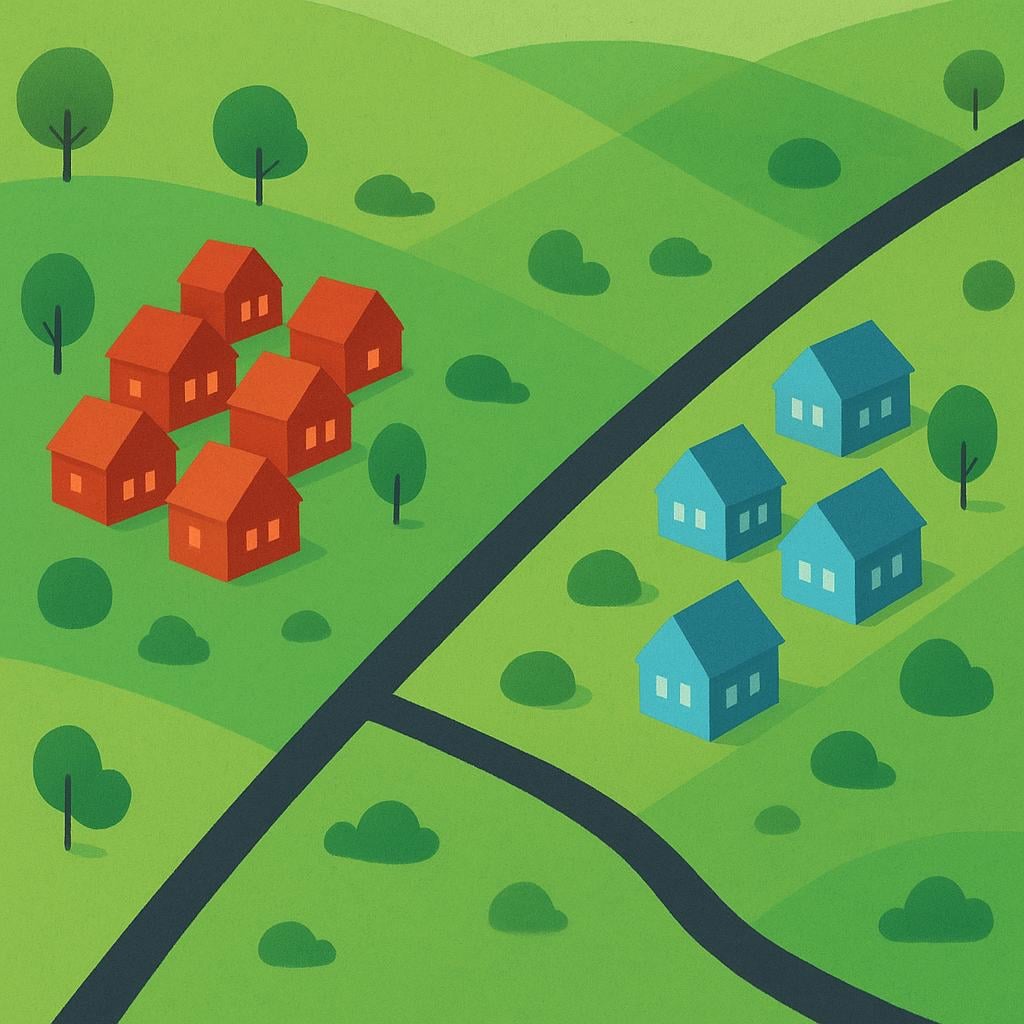
📝 In Action
El ayuntamiento dividió la ciudad en varios distritos.
A2The city council divided the city into several districts.
Vamos a visitar el distrito histórico mañana.
A1We are going to visit the historical district tomorrow.
Ella fue elegida para representar al distrito electoral número cinco.
B2She was elected to represent the fifth electoral district.
Vocabulary Collections
Translate to Spanish
✏️ Quick Practice
Quick Quiz: distrito
Question 1 of 1
Which of these is the most formal or official administrative division?
📚 More Resources
👥 Word Family▼
📚 Etymology▼
Comes from the Latin word *districtus*, which originally meant 'a region' or 'territory.' It relates to the idea of a geographical area that has been 'drawn apart' or separated for administrative purposes.
First recorded: 13th century
Cognates (Related words)
💡 Master Spanish
Take your Spanish to the next level. Read 200+ illustrated and narrated Spanish stories tailored to your level with the Inklingo app!
Frequently Asked Questions
Is 'distrito' the same as 'ciudad' (city)?
No. A 'distrito' is usually a smaller part or section *within* a larger 'ciudad' (city) or region. Think of a city being divided into several districts.