provincia
“provincia” means “province” in Spanish. It has 2 different meanings depending on context:

province
Also: county, state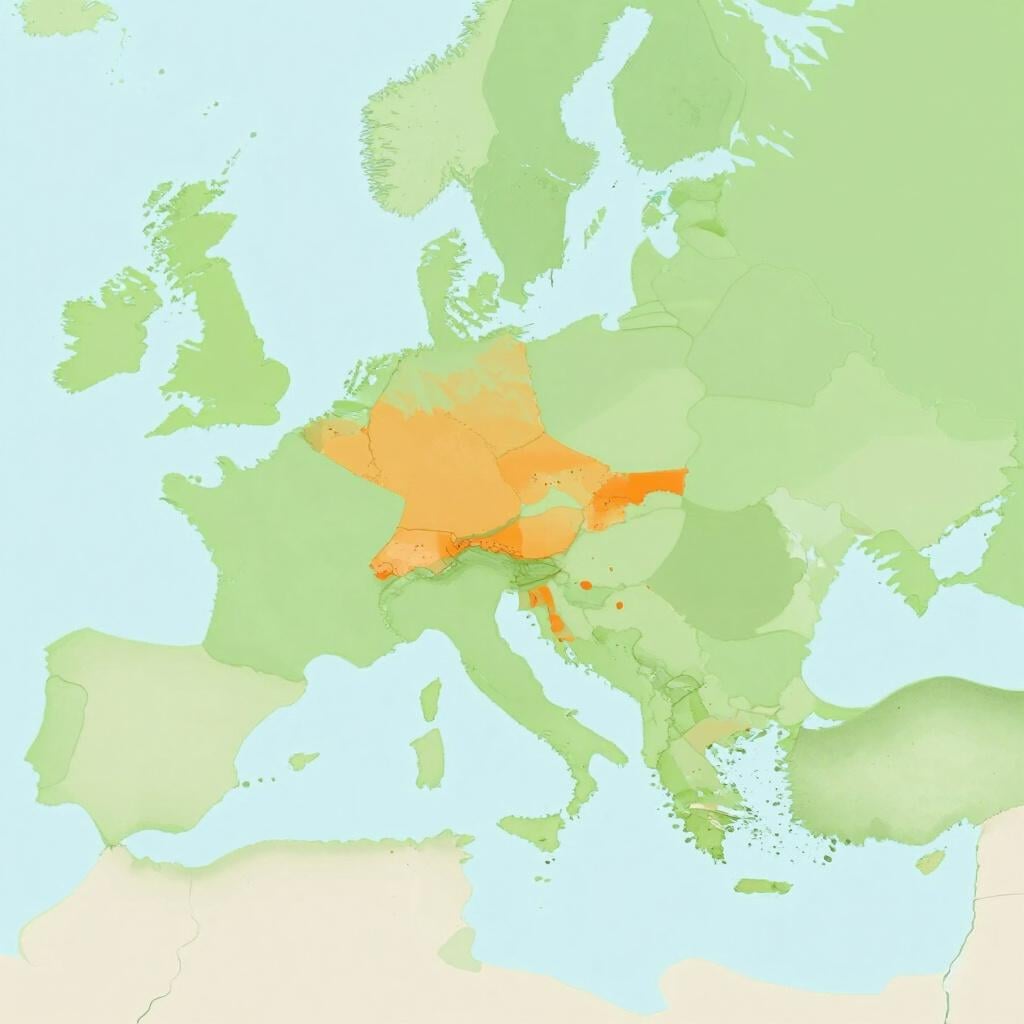
📝 In Action
Mendoza es una provincia muy famosa por sus vinos.
A1Mendoza is a province very famous for its wines.
Mi familia vive en la provincia de Buenos Aires.
A2My family lives in the province of Buenos Aires.
España está dividida en cincuenta provincias.
B1Spain is divided into fifty provinces.
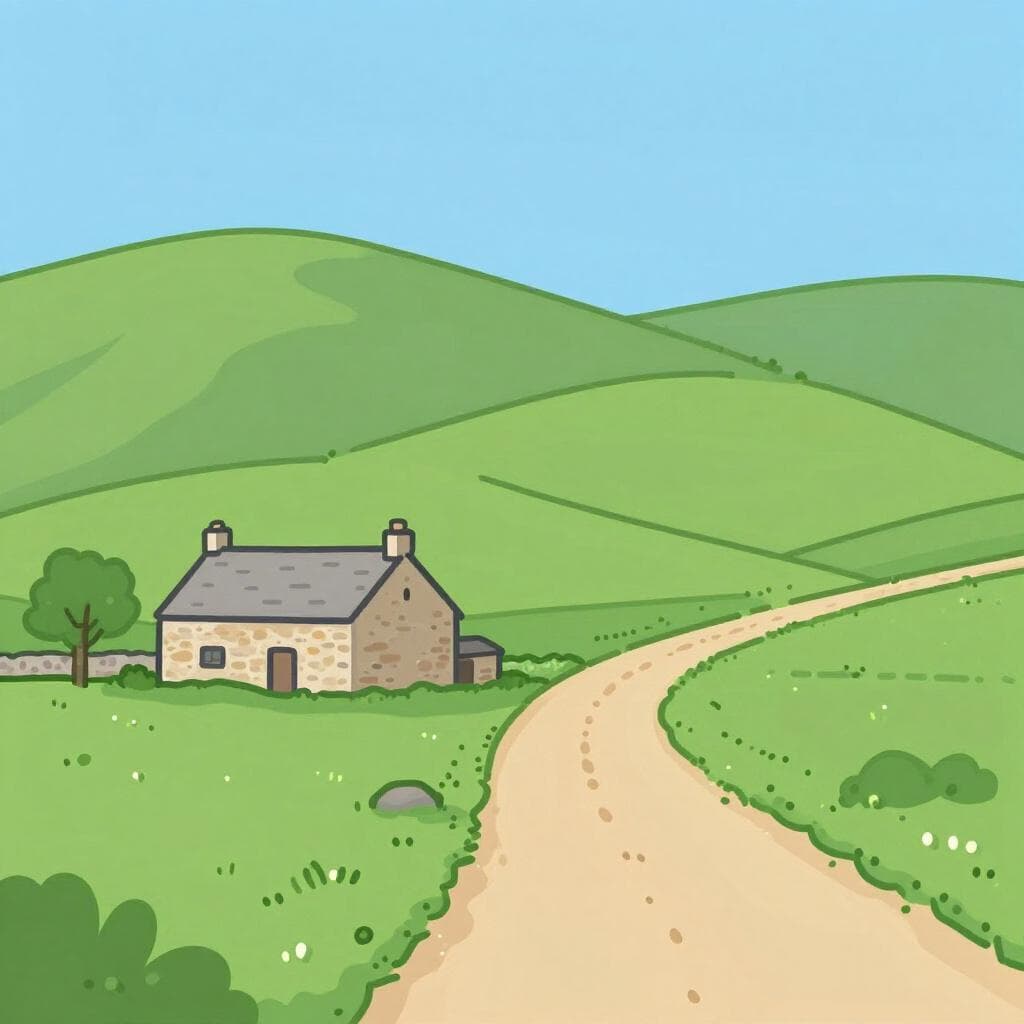
the provinces
Also: the countryside, the interior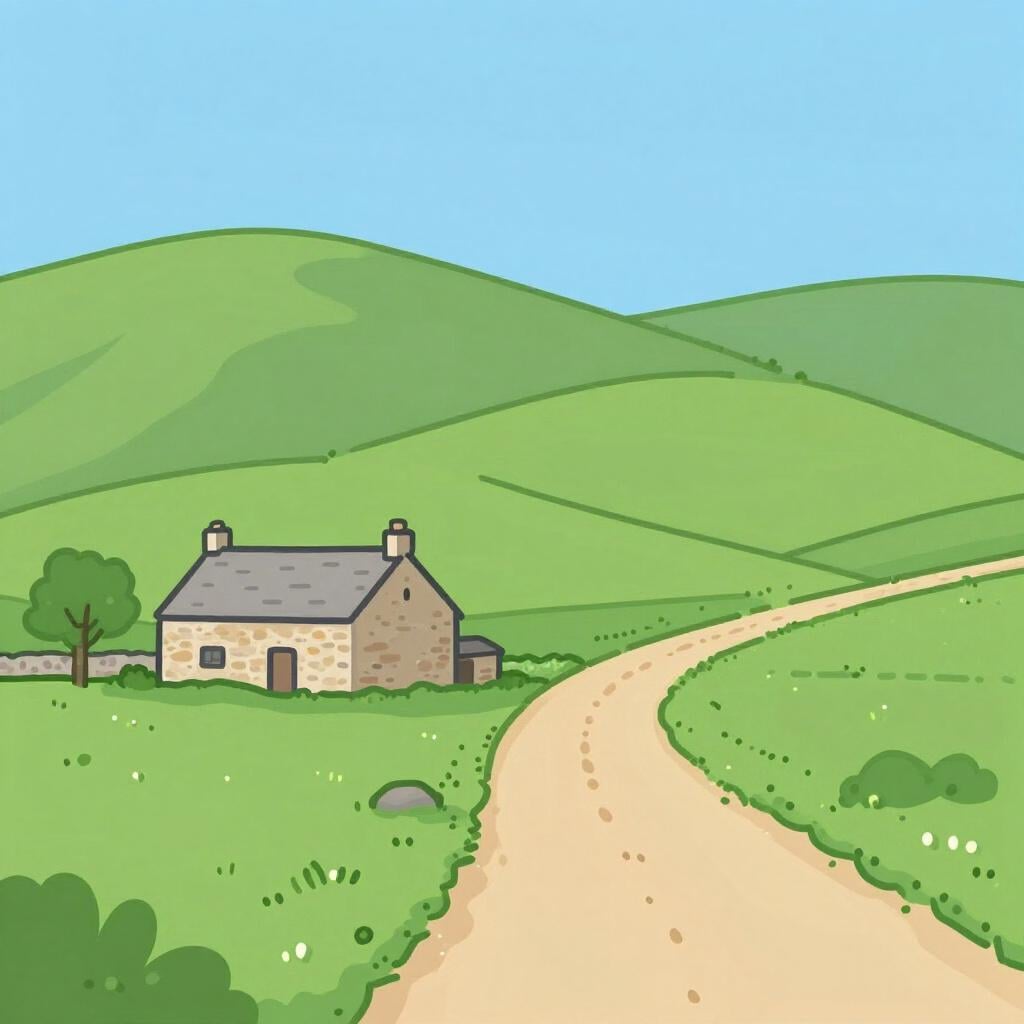
📝 In Action
Mucha gente de provincia viene a la capital a buscar trabajo.
B1Many people from the provinces come to the capital to look for work.
La vida en provincias es mucho más tranquila que en la ciudad.
B2Life in the provinces is much quieter than in the city.
Él es de provincia, no le gusta el tráfico de Madrid.
B1He's from the provinces; he doesn't like Madrid's traffic.
Vocabulary Collections
Translate to Spanish
Words that translate to "provincia" in Spanish:
county→province→state→the countryside→the interior→the provinces→✏️ Quick Practice
Quick Quiz: provincia
Question 1 of 3
If you live in a small town far from the capital, you live in...
📚 More Resources
👥 Word Family▼
📚 Etymology▼
From the Latin 'provincia', which originally meant a 'task' or 'duty', and later referred to a territory under the control of a Roman magistrate outside of Italy.
First recorded: 13th century
Cognates (Related words)
💡 Master Spanish
Take your Spanish to the next level. Read 200+ illustrated and narrated Spanish stories tailored to your level with the Inklingo app!
Frequently Asked Questions
Is 'provincia' the same as a 'state' in the US?
Mostly, yes. It is the primary way countries like Spain and Argentina divide their territory, though the level of political power a province has varies by country.
Can 'provincia' refer to a small town?
Not exactly. A 'provincia' is the whole region. A small town is a 'pueblo'. However, if you say you are 'de provincia', it implies you are from a smaller town or rural area rather than the big city.
Why do some people say 'departamento' instead?
Language varies by country! In Colombia, Peru, and Uruguay, they use the word 'departamento' for the same administrative level that Spain or Argentina calls a 'provincia'.