capital
“capital” means “capital (city)” in Spanish. It has 3 different meanings depending on context:

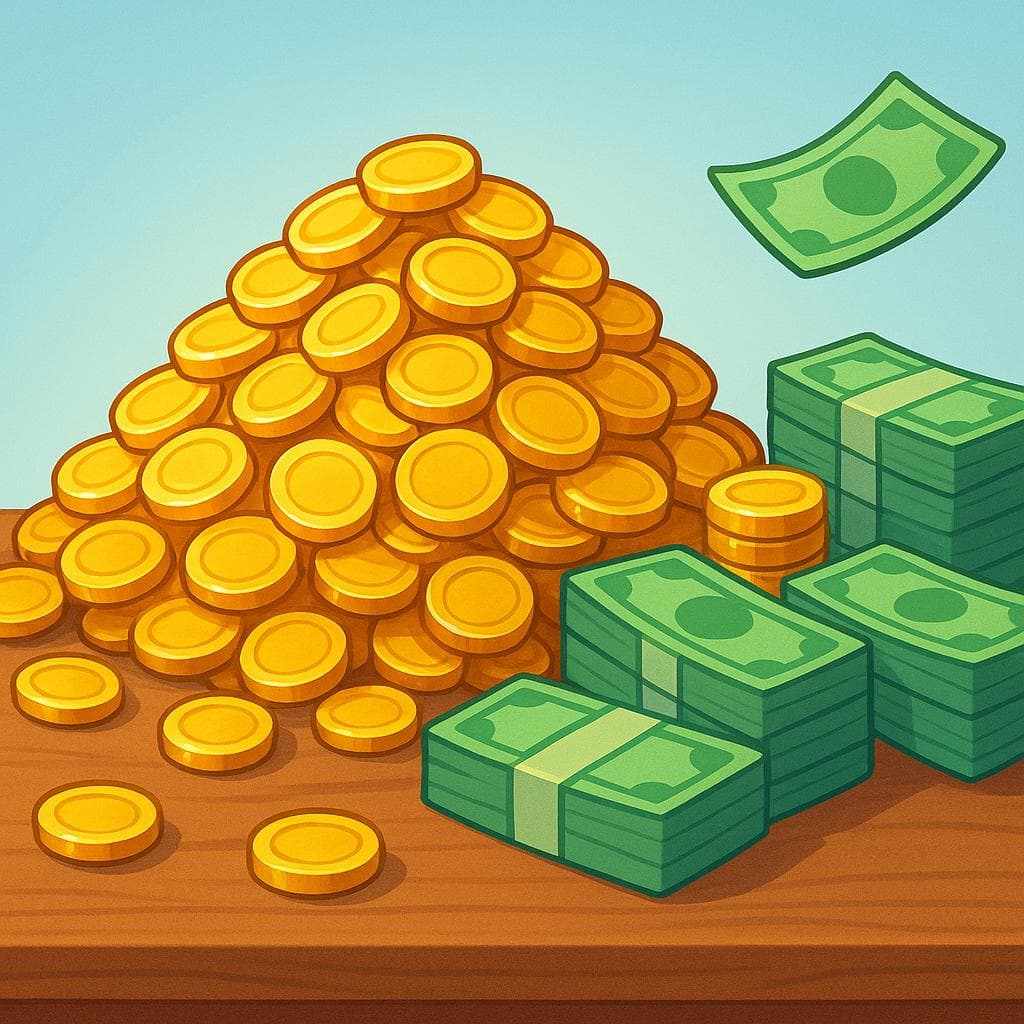

capital (city)Also: main city

📝 In Action
París es la capital de Francia.
A1Paris is the capital of France.
La capital de mi provincia tiene mucha historia.
A2The capital of my province has a lot of history.
Word Connections
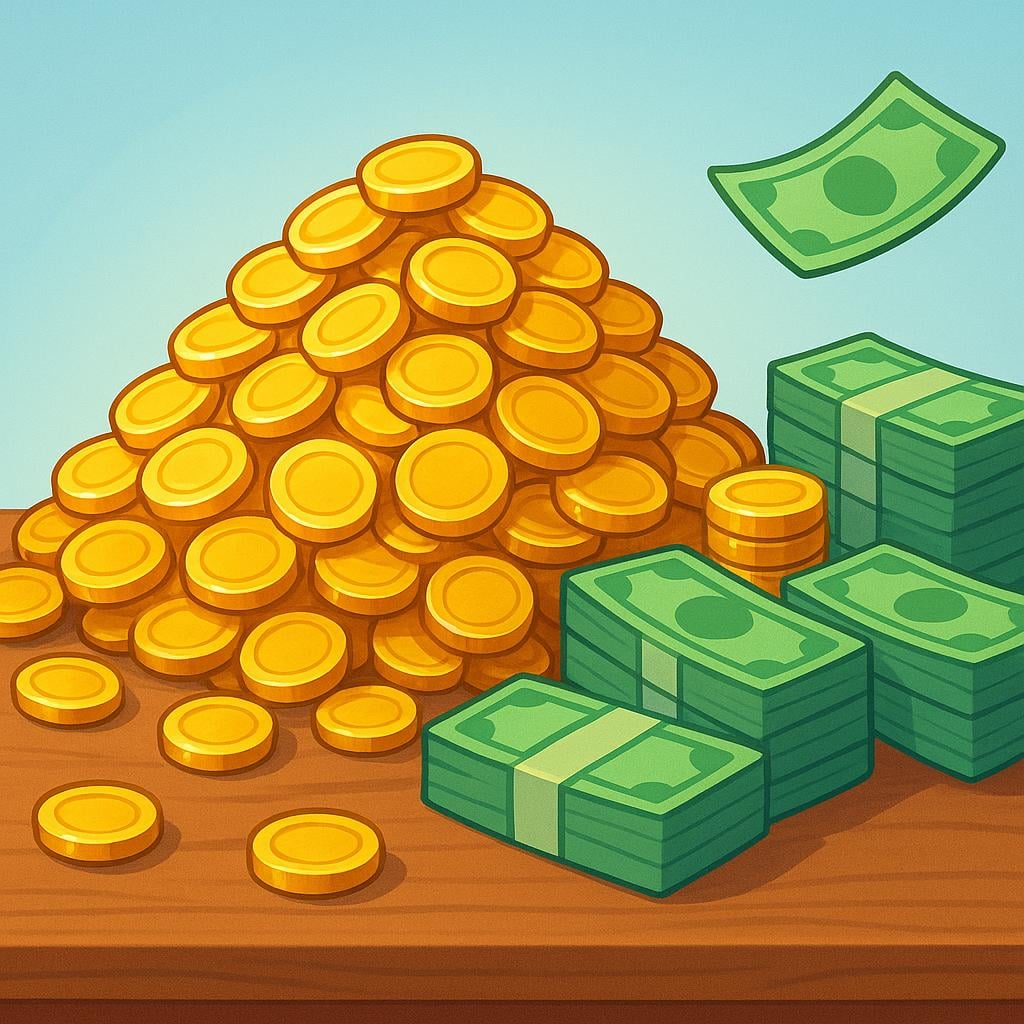
capital (money)Also: assets, principal
📝 In Action
Necesitamos más capital para iniciar el proyecto.
B1We need more capital to start the project.
El capital humano es el recurso más valioso de la empresa.
B2Human capital is the company's most valuable resource.
Word Connections
principalAlso: fundamental, chief

📝 In Action
La honestidad es una virtud capital en cualquier persona.
B2Honesty is a principal/essential virtue in any person.
Cometieron un error capital al ignorar los avisos.
C1They committed a fundamental error by ignoring the warnings.
Word Connections
Vocabulary Collections
Translate to Spanish
Words that translate to "capital" in Spanish:
✏️ Quick Practice
Quick Quiz: capital
Question 1 of 2
Which sentence correctly uses 'capital' to mean money?
📚 More Resources
👥 Word Family
📚 Etymology
The word comes directly from the Latin word *capitālis*, which means 'pertaining to the head' (*caput*). This explains the two main meanings: the 'head' city of a country, and the 'head' or principal sum of money.
First recorded: 13th century
Cognates (Related words)
💡 Master Spanish
Take your Spanish to the next level. Read 200+ illustrated and narrated Spanish stories tailored to your level with the Inklingo app!
Frequently Asked Questions
¿Cuál es la diferencia entre 'la capital' y 'el capital'?
The difference is the gender and the meaning. 'La capital' (feminine) refers to the main city of a country or region. 'El capital' (masculine) refers to money, wealth, or assets.
Does 'capital' ever mean 'letter'?
Yes, 'letra capital' means 'capital letter' (uppercase letter), though 'mayúscula' is much more common. In this context, 'capital' is functioning as an adjective meaning 'chief' or 'main'.