How to Say "chief" in Spanish
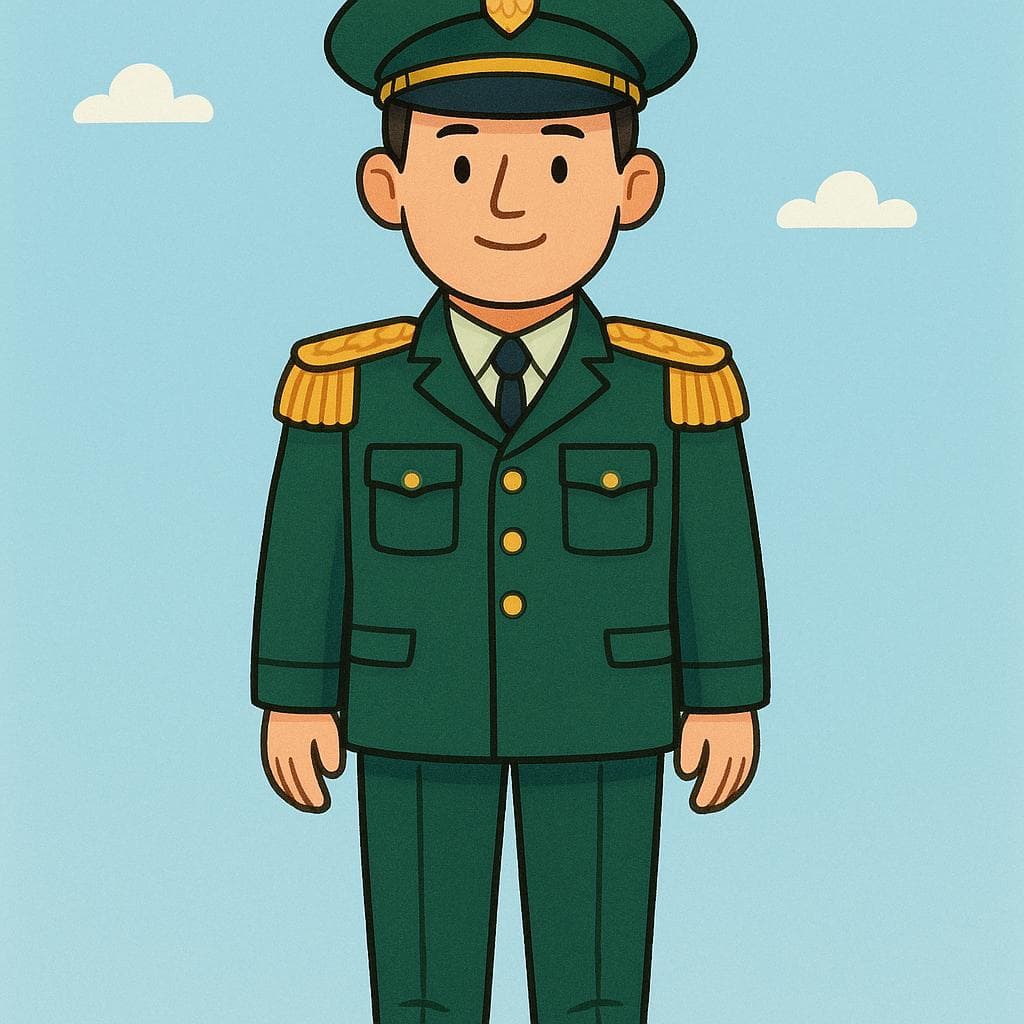
The most common Spanish word for “chief” is “jefe” — use 'jefe' when referring to the male head of a department, company, or group, or as a casual term of address for a man in charge, like a father.







jefe
HEH-fehˈxefe

Examples
Mi jefe me dio un aumento.
My boss gave me a raise.
Mi jefe es muy amable y comprensivo.
My boss is very kind and understanding.
Tengo una reunión con el jefe de departamento.
I have a meeting with the department head.
Ella es la jefa del equipo de marketing.
She is the head of the marketing team.
Male and Female Bosses: 'Jefe' vs. 'Jefa'
To talk about a female boss, you use 'la jefa'. The word changes its ending to match the person's gender: 'el jefe' for a man, 'la jefa' for a woman. The same goes for the plural: 'los jefes' and 'las jefas'.
Confusing 'Jefe' with 'Patrón'
Mistake: “Using 'patrón' to mean 'boss' in every situation.”
Correction: 'Jefe' is the standard, modern word for a boss or manager. 'Patrón' can also mean boss, but it often has an older feel, like 'master' or 'owner' of a small business or farm. Stick with 'jefe' for most office and work situations.
Using it in Formal Situations
Mistake: “Calling a stranger 'jefe' in a formal business meeting.”
Correction: This usage is strictly informal. Use it with friends when talking about your dad, or with service workers like taxi drivers or market vendors who are being friendly. Avoid it in professional or formal settings.
jefa
HEH-fah'xefa

Examples
La jefa de la oficina es muy organizada.
The head of the office is very organized.
Mi jefa me pidió que terminara el informe antes del almuerzo.
My boss asked me to finish the report before lunch.
La jefa de ventas está en una reunión importante.
The head of sales is in an important meeting.
¿Puedo hablar con la jefa, por favor?
May I speak with the manager, please?
Gender Match
Since 'jefa' is a feminine noun, you must use feminine articles and adjectives with it (e.g., 'la jefa,' 'mi buena jefa').
Confusing Gender
Mistake: “Using 'el jefa' instead of 'la jefa'.”
Correction: Remember the word ends in '-a' and refers to a woman, so it is always 'la jefa'.
principal
preen-see-PAHLpɾinsiˈpal

Examples
El problema principal es la falta de tiempo.
The main problem is the lack of time.
La calle principal siempre está llena de gente.
The main street is always full of people.
Mi objetivo principal es terminar mis estudios este año.
My primary goal is to finish my studies this year.
El problema principal con la economía es la falta de empleo.
The chief problem with the economy is the lack of jobs.
Adjective Agreement (Gender)
Even though it describes both masculine and feminine nouns (e.g., 'el edificio principal,' 'la calle principal'), the word 'principal' itself stays the same. It only changes when it becomes plural: 'principales'.
Confusing Adjective and Noun
Mistake: “Usar 'el principal' para decir 'the main' (e.g., 'The main topic is...').”
Correction: Always use it with a noun when it's an adjective: 'El tema principal es...' (The main topic is...).
chef
cheffˈtʃef

Examples
El chef nos recomendó el menú del día.
The chef recommended the daily menu to us.
El chef preparó un plato delicioso con mariscos frescos.
The chef prepared a delicious dish with fresh seafood.
Mi hermana es chef en un restaurante francés muy famoso.
My sister is a chef at a very famous French restaurant.
La chef ejecutiva supervisa toda la cocina.
The executive chef oversees the entire kitchen.
Masculine Noun Form
Even though 'chef' is often used for both men and women, the default article in Spanish is usually 'el' (el chef). However, it is very common and correct to say 'la chef' when referring to a woman.
Confusing Chef and Cocinero
Mistake: “Using 'cocinero' when referring to a highly acclaimed or professional 'chef'.”
Correction: While 'cocinero' means 'cook,' 'chef' specifically implies a professional who manages a kitchen or creates elaborate dishes. They are not always interchangeable in Spanish culture.
principales
preen-see-PAH-lehspɾinsiˈpales

Examples
Estas son las causas principales del conflicto.
These are the main causes of the conflict.
Estas son las razones principales de mi decisión.
These are the main reasons for my decision.
Necesitamos enfocarnos en los problemas principales ahora.
We need to focus on the principal problems now.
Hay tres ingredientes principales en esta receta.
There are three major ingredients in this recipe.
Agreement is Key
Since 'principales' is plural, it must be used with plural nouns, whether they are masculine (los problemas principales) or feminine (las ideas principales).
One Form for Both Genders
Unlike many Spanish adjectives, 'principal' (and 'principales') uses the exact same form whether the noun is masculine or feminine.
Forgetting the Plural
Mistake: “Los problemas principal.”
Correction: Los problemas principales. Remember to match the '-es' ending to the plural noun.
comandante
coh-mahn-DAHN-tehkomanˈdante
Examples
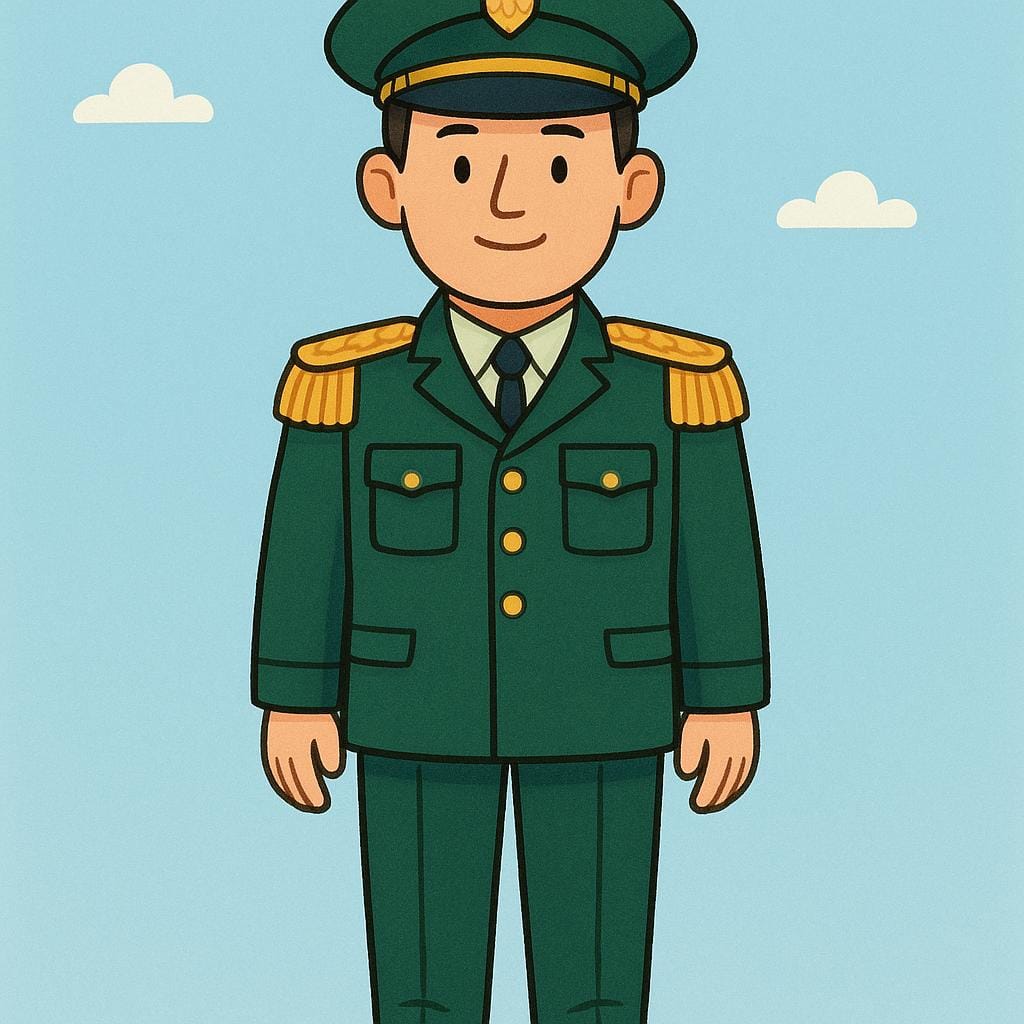
El comandante dirigió la operación con éxito.
The commander successfully led the operation.
El comandante ordenó a sus tropas que se prepararan.
The commander ordered his troops to prepare.
La comandante de la policía revisó el perímetro de seguridad.
The police commander (female) checked the security perimeter.
Para ascender a comandante, se necesita mucha experiencia.
To be promoted to major/commander, a lot of experience is needed.
Gender Flexibility
Even though 'comandante' ends in '-e', it can refer to both men and women. Use 'el comandante' for a man and 'la comandante' for a woman.
Changing the Ending
Mistake: “Using *comandanta* when referring to a female commander.”
Correction: While *comandanta* is sometimes heard regionally, the preferred and standard form is 'la comandante' (always ending in -e) in most formal contexts.
capital
kah-pee-TAHLka.piˈtal

Examples
La confianza es un elemento capital en una relación.
Trust is a capital element in a relationship.
La honestidad es una virtud capital en cualquier persona.
Honesty is a principal/essential virtue in any person.
Cometieron un error capital al ignorar los avisos.
They committed a fundamental error by ignoring the warnings.
Invariable Adjective
As an adjective meaning 'principal' or 'chief,' 'capital' does not change its ending to match the gender of the noun it describes (e.g., 'error capital' and 'virtud capital').
caudillo
kow-DEE-yohkawˈðiʝo

Examples
El caudillo reunió a sus seguidores para la batalla.
The leader rallied his followers for battle.
Simón Bolívar fue un famoso caudillo de la independencia sudamericana.
Simón Bolívar was a famous leader of South American independence.
El país cayó bajo el mando de un caudillo militar tras el golpe de Estado.
The country fell under the command of a military strongman after the coup.
Muchos historiadores analizan el impacto del caudillo en la cultura política.
Many historians analyze the impact of the strongman leader on political culture.
Masculine by Default
This word is almost always masculine because it historically referred to military men. While 'caudilla' exists for a female leader, it is very rare.
Stronger than 'Líder'
Unlike the neutral word 'líder' (leader), 'caudillo' implies someone with intense personal power who people follow out of loyalty or fear.
Not for Office Use
Mistake: “Calling your manager 'mi caudillo'.”
Correction: Use 'mi jefe' or 'mi gerente'. 'Caudillo' sounds way too dramatic and political for a modern office job.
Jefe vs. Principal
Related Translations
Learn Spanish with Inklingo
Interactive stories, personalized learning, and more.