jefa
“jefa” means “boss” in Spanish. It has 3 different meanings depending on context:

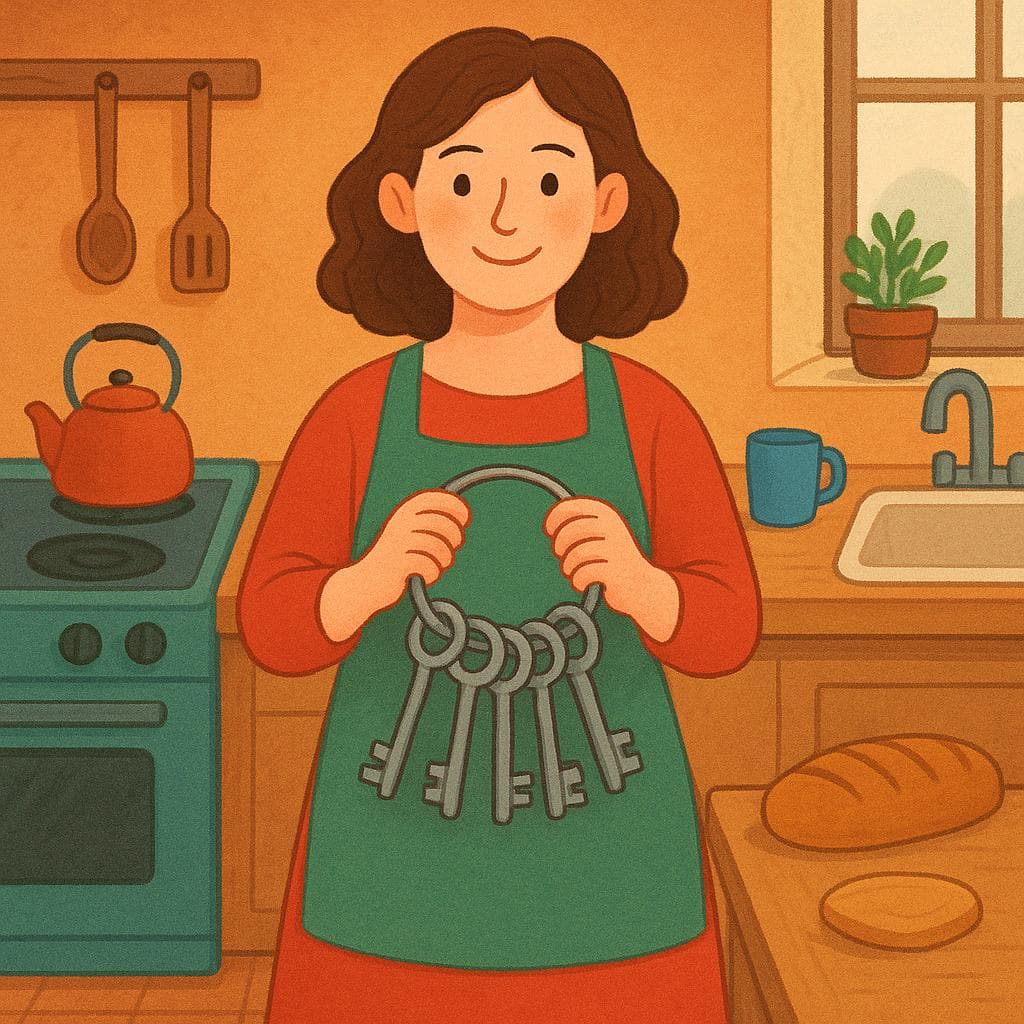

boss, chiefAlso: supervisor, director

📝 In Action
Mi jefa me pidió que terminara el informe antes del almuerzo.
A2My boss asked me to finish the report before lunch.
La jefa de ventas está en una reunión importante.
B1The head of sales is in an important meeting.
¿Puedo hablar con la jefa, por favor?
A2May I speak with the manager, please?
Word Connections
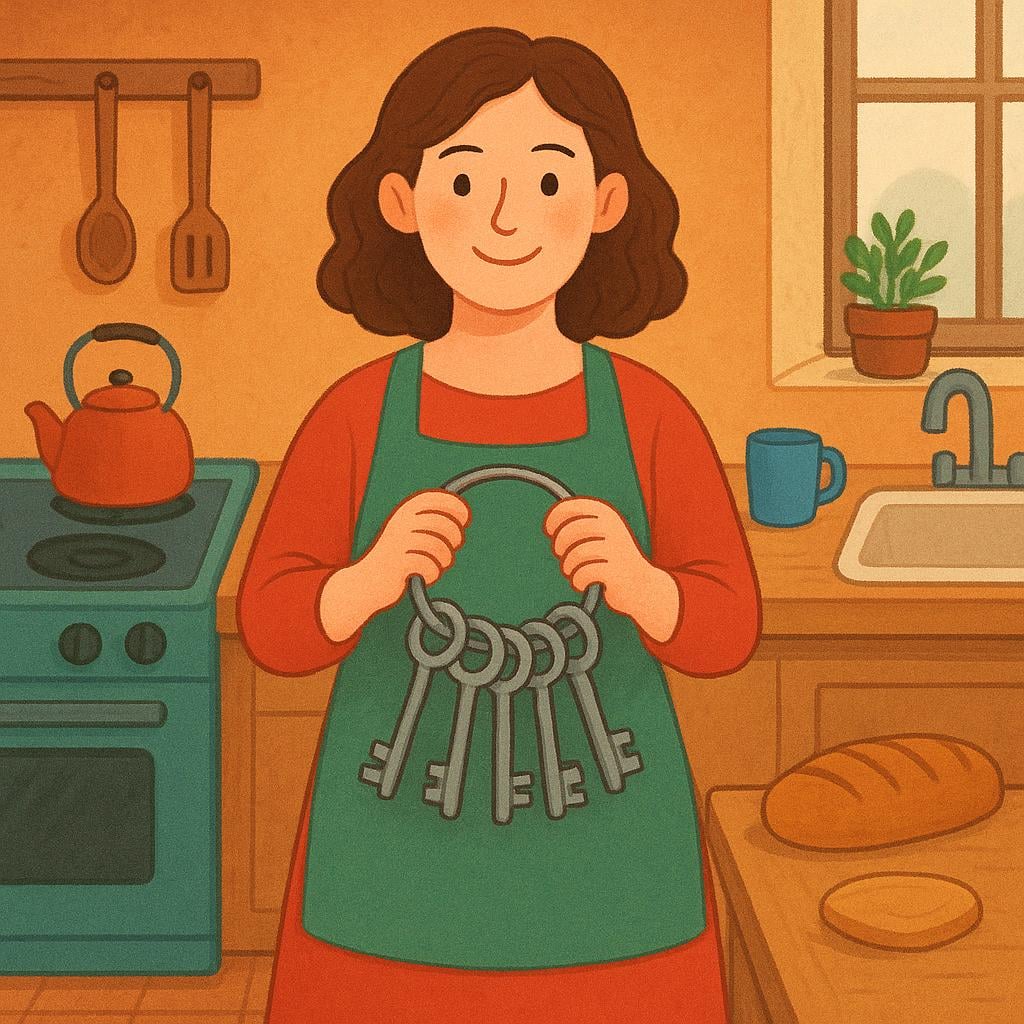
head of the household, matriarchAlso: the person in charge
📝 In Action
Mi abuela es la jefa de la familia; nadie le lleva la contraria.
B1My grandmother is the head of the family; nobody contradicts her.
Le pregunté a mi madre, porque ella es la jefa aquí.
B2I asked my mother, because she's the boss here (in the house).
Word Connections
girlfriend, wifeAlso: partner

📝 In Action
¿Vas a ir al cine con tu jefa esta noche?
C1Are you going to the movies with your girlfriend tonight? (Mexico/Slang)
Le tengo que avisar a la jefa que llegaré tarde.
C2I have to let the wife know I'll be late. (Slang)
Word Connections
Translate to Spanish
Words that translate to "jefa" in Spanish:
✏️ Quick Practice
Quick Quiz: jefa
Question 1 of 2
Which translation of 'jefa' is MOST likely to be used in a professional office setting?
📚 More Resources
👥 Word Family
🎵 Rhymes
📚 Etymology
The word 'jefe' (and thus 'jefa') likely came into Spanish from the Catalan word 'cap' or the Old French 'chef,' both meaning 'head.' This traces back to the Latin word *caput*, which also means 'head,' emphasizing the idea of being the person at the top.
First recorded: 15th century (as 'jefe')
Cognates (Related words)
💡 Master Spanish
Take your Spanish to the next level. Read 200+ illustrated and narrated Spanish stories tailored to your level with the Inklingo app!
Frequently Asked Questions
What is the difference between 'jefa' and 'jefe'?
'Jefa' is the feminine form, used when referring to a woman in charge. 'Jefe' is the masculine form, used for a man in charge. They mean the exact same thing (boss/chief), only the gender changes.
Is 'jefa' rude or disrespectful?
No, it is a completely neutral and standard word for 'boss' or 'manager.' However, the way you use it in informal settings (like calling your wife 'la jefa') can be playful, implying she is the one who makes the rules.