How to Say "the countryside" in Spanish
The most common Spanish word for “the countryside” is “naturaleza” — use 'naturaleza' when referring to the natural environment and landscapes outside of urban areas, focusing on the scenic or wild aspects.
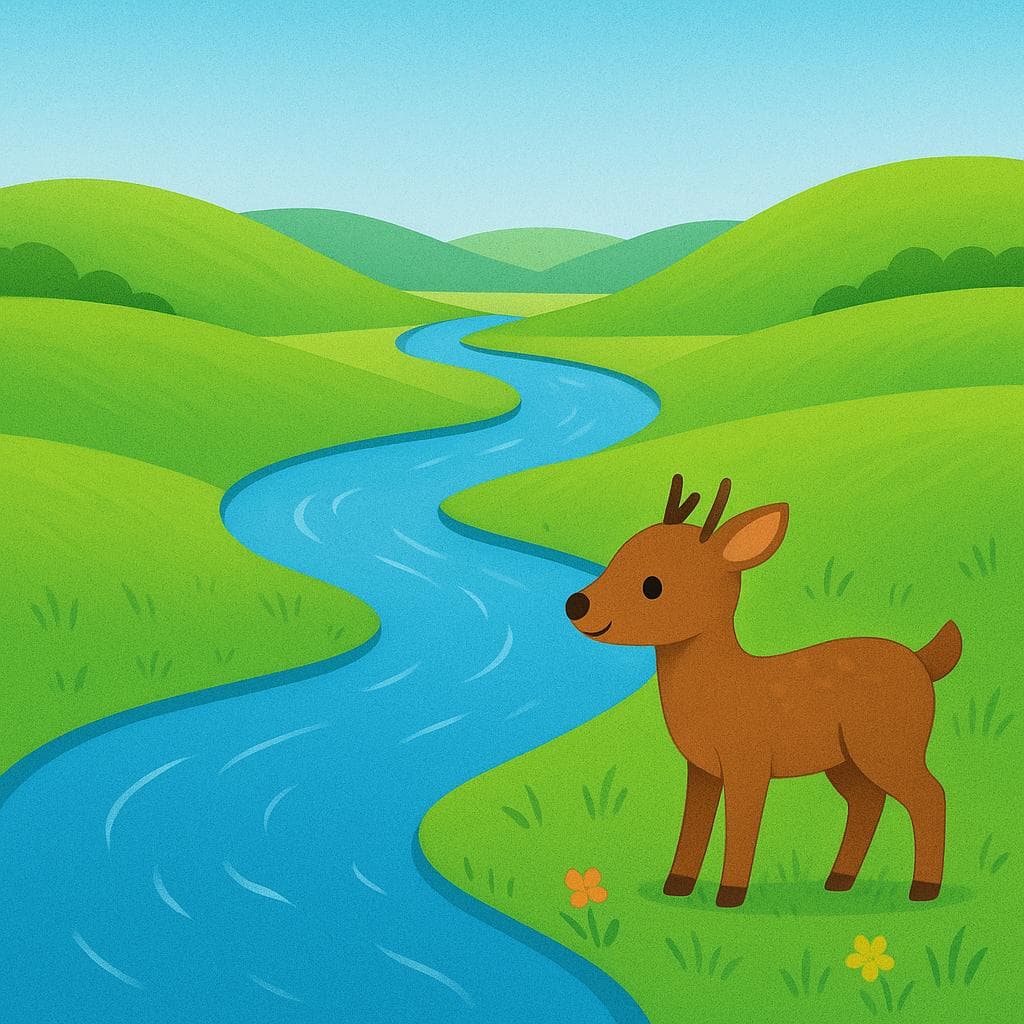
Use 'naturaleza' when referring to the natural environment and landscapes outside of urban areas, focusing on the scenic or wild aspects.
Learn more →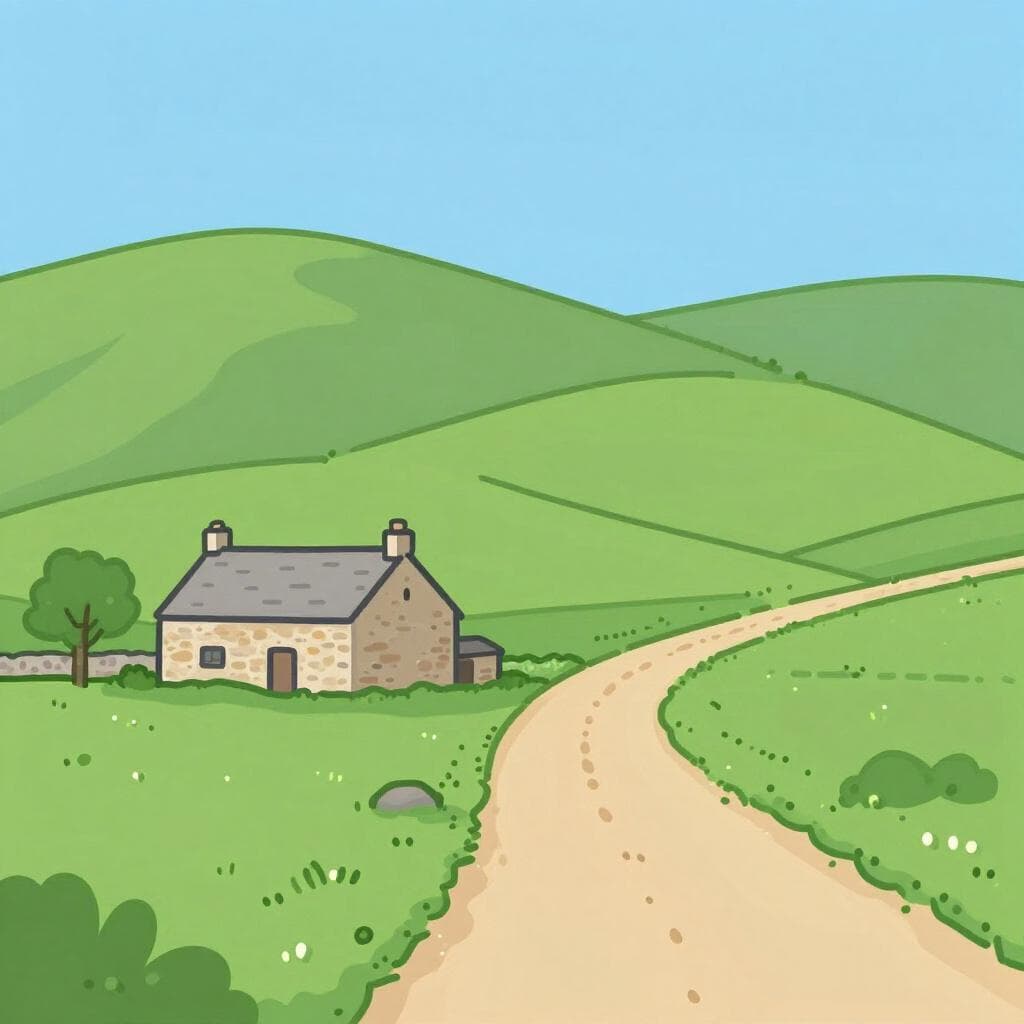
Use 'provincia' to refer to rural regions or areas outside of major cities, often implying a sense of community or a less populated place.
Learn more →nah-too-rah-LEH-sahna.tu.ɾaˈle.sa
Examples
Me encanta caminar por la naturaleza para relajarme.
I love walking through nature to relax.
Debemos proteger la naturaleza de la contaminación.
We must protect nature from pollution.
El documental era sobre la belleza de la naturaleza amazónica.
The documentary was about the beauty of Amazonian nature.
Always Use 'La'
Since 'naturaleza' is an abstract noun used in a general sense, you almost always need to use the feminine article 'la' before it, even when English doesn't use 'the'.
Missing the Article
Mistake: “Me gusta naturaleza.”
Correction: Me gusta la naturaleza. (When talking about nature in general, Spanish requires 'la'.)
pro-BEEN-syahpɾoˈβin.sja

Examples
Mucha gente de provincia viene a la capital a buscar trabajo.
Many people from the provinces come to the capital to look for work.
La vida en provincias es mucho más tranquila que en la ciudad.
Life in the provinces is much quieter than in the city.
Él es de provincia, no le gusta el tráfico de Madrid.
He's from the provinces; he doesn't like Madrid's traffic.
Singular vs. Plural
You can say 'ser de provincia' (singular) or 'vivir en provincias' (plural) to mean the same thing: living outside the big capital city.
Don't sound rude
Mistake: “Thinking 'provinciano' (the adjective) is always a compliment.”
Correction: While 'ser de provincia' is neutral, the word 'provinciano' can sometimes imply someone is 'unsophisticated' depending on the tone.
Naturaleza vs. Provincia
Learners often confuse 'naturaleza' and 'provincia'. Remember that 'naturaleza' refers to the natural environment itself, while 'provincia' refers to the geographical region or area outside of a city.
Related Translations
Learn Spanish with Inklingo
Interactive stories, personalized learning, and more.