costero
“costero” means “coastal” in Spanish. It has 2 different meanings depending on context:

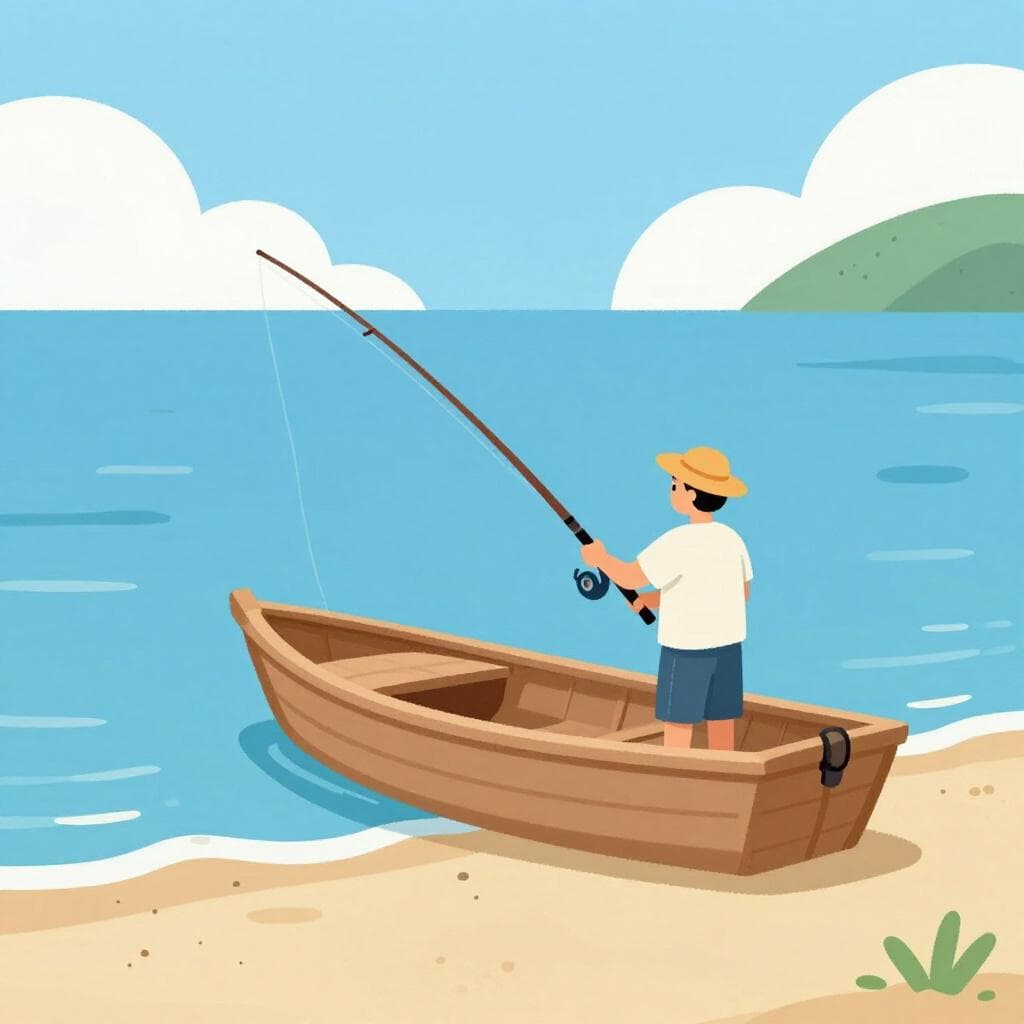
coastal, seasideAlso: shore-based

📝 In Action
Queremos pasar las vacaciones en un pueblo costero.
A2We want to spend the holidays in a coastal town.
La brisa costera es muy agradable por la noche.
B1The seaside breeze is very pleasant at night.
El gobierno anunció un plan para proteger el ecosistema costero.
B2The government announced a plan to protect the coastal ecosystem.
Word Connections
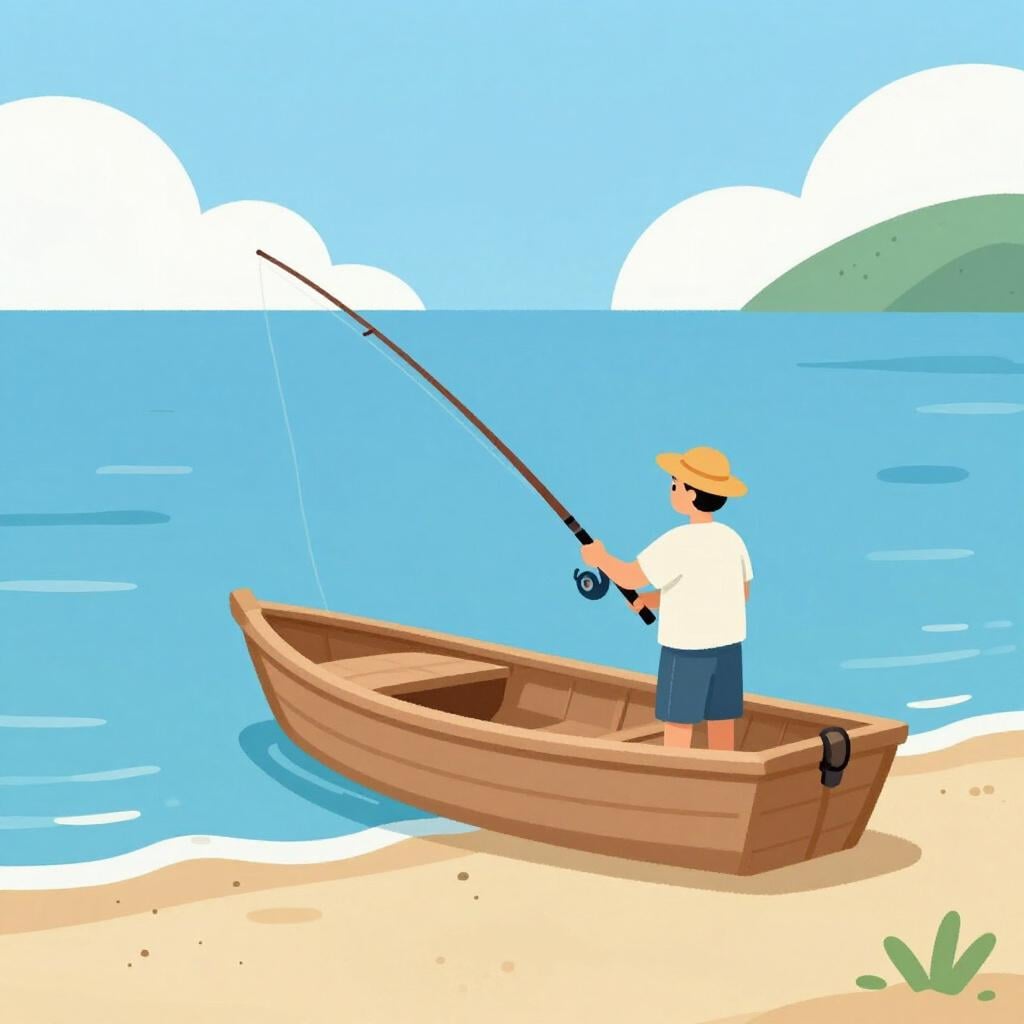
coastal fishermanAlso: coastal wind
📝 In Action
Los costeros regresaron al puerto con la pesca del día.
C1The coastal fishermen returned to the port with the day's catch.
Word Connections
Vocabulary Collections
Translate to Spanish
Words that translate to "costero" in Spanish:
✏️ Quick Practice
Quick Quiz: costero
Question 1 of 3
Which of these is the correct way to say 'coastal city'?
📚 More Resources
👥 Word Family
📚 Etymology
From the Latin word 'costa', which originally meant 'rib' or 'side'. Over time, it came to describe the 'side' of the land that meets the sea.
First recorded: 13th century
Cognates (Related words)
💡 Master Spanish
Take your Spanish to the next level. Read 200+ illustrated and narrated Spanish stories tailored to your level with the Inklingo app!
Frequently Asked Questions
Can I use 'costero' to describe a lake?
Technically, 'costero' is almost exclusively used for the sea or ocean. For a lake, people usually use 'ribereño' or simply say 'a la orilla del lago' (on the shore of the lake).
Is 'costeño' the same as 'costero'?
Not quite. 'Costero' is an adjective for things (a coastal town, a coastal wind). 'Costeño' refers to people, their accent, or their specific culture, especially in countries like Colombia or Mexico.
Does 'costero' always change to 'costera'?
Yes, it must match the gender of the noun it describes. 'El aire costero' (masculine) but 'la zona costera' (feminine).