poblado
“poblado” means “settlement” in Spanish. It has 2 different meanings depending on context:

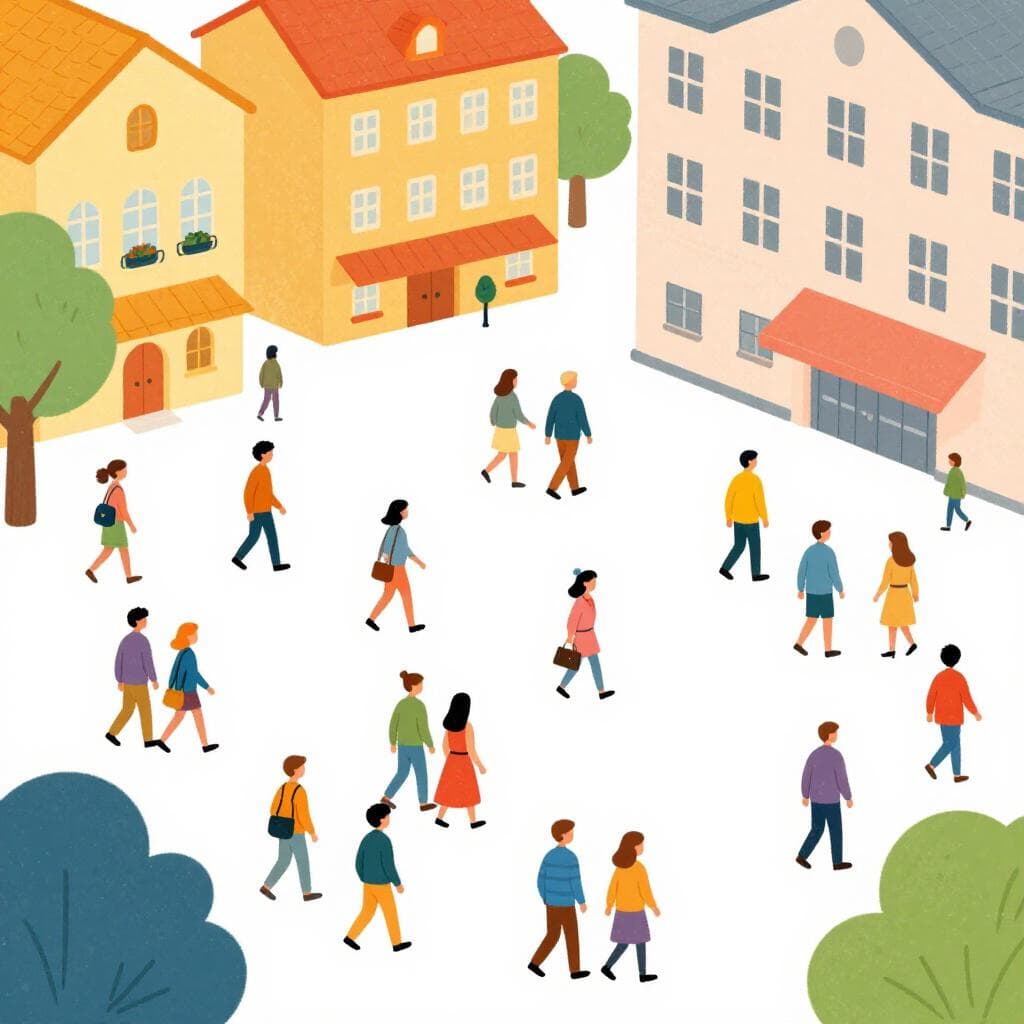
settlement
Also: village, shanty town
📝 In Action
Los arqueólogos encontraron un poblado antiguo cerca del río.
B1The archaeologists found an ancient settlement near the river.
Es un pequeño poblado de pescadores.
A2It is a small fishing village.
Vivían en un poblado remoto en las montañas.
B2They lived in a remote settlement in the mountains.
populated
Also: bushy, dense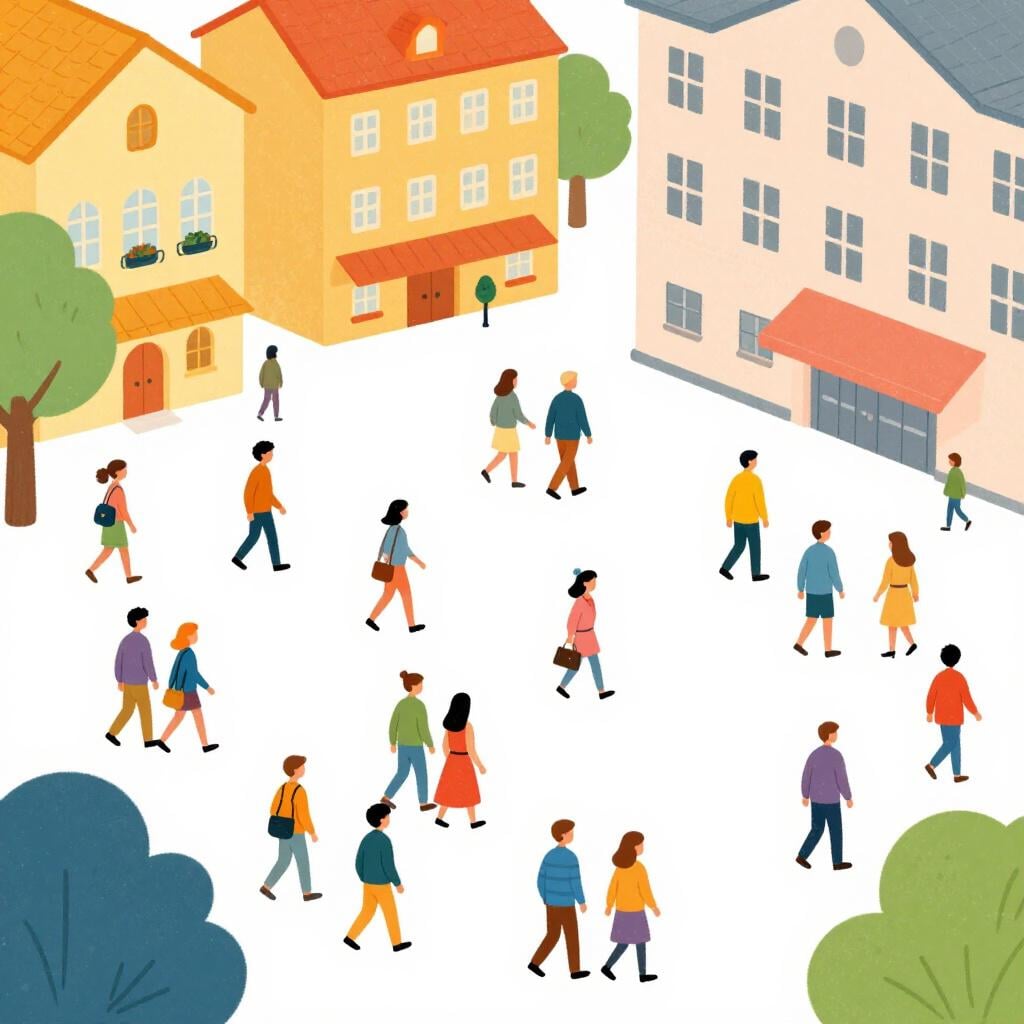
📝 In Action
Esta es la zona más poblada del país.
A2This is the most populated area of the country.
El abuelo tiene unas cejas muy pobladas.
B1Grandpa has very bushy eyebrows.
Caminamos por un bosque muy poblado de pinos.
B2We walked through a forest very thick with pine trees.
Vocabulary Collections
Translate to Spanish
✏️ Quick Practice
Quick Quiz: poblado
Question 1 of 3
How would you describe someone with very thick eyebrows?
📚 More Resources
👥 Word Family▼
📚 Etymology▼
From the Latin 'populatus', which comes from 'populus' (people). It literally means 'something that has been filled with people'.
First recorded: 13th century
Cognates (Related words)
💡 Master Spanish
Take your Spanish to the next level. Read 200+ illustrated and narrated Spanish stories tailored to your level with the Inklingo app!
Frequently Asked Questions
Is 'poblado' the same as 'pueblo'?
Not exactly. A 'pueblo' is a standard town. A 'poblado' usually refers to a very small, primitive, or specific type of settlement (like a mining settlement or an ancient one).
Can I use 'poblado' for a thick forest?
Yes! You can say 'un bosque poblado de árboles' to describe a forest that is very dense and full of trees.
Does 'poblado' change for gender?
Yes. As an adjective, use 'poblado' for masculine things (un barrio poblado) and 'poblada' for feminine things (una ciudad poblada).