espeso
“espeso” means “thick” in Spanish. It has 2 different meanings depending on context:
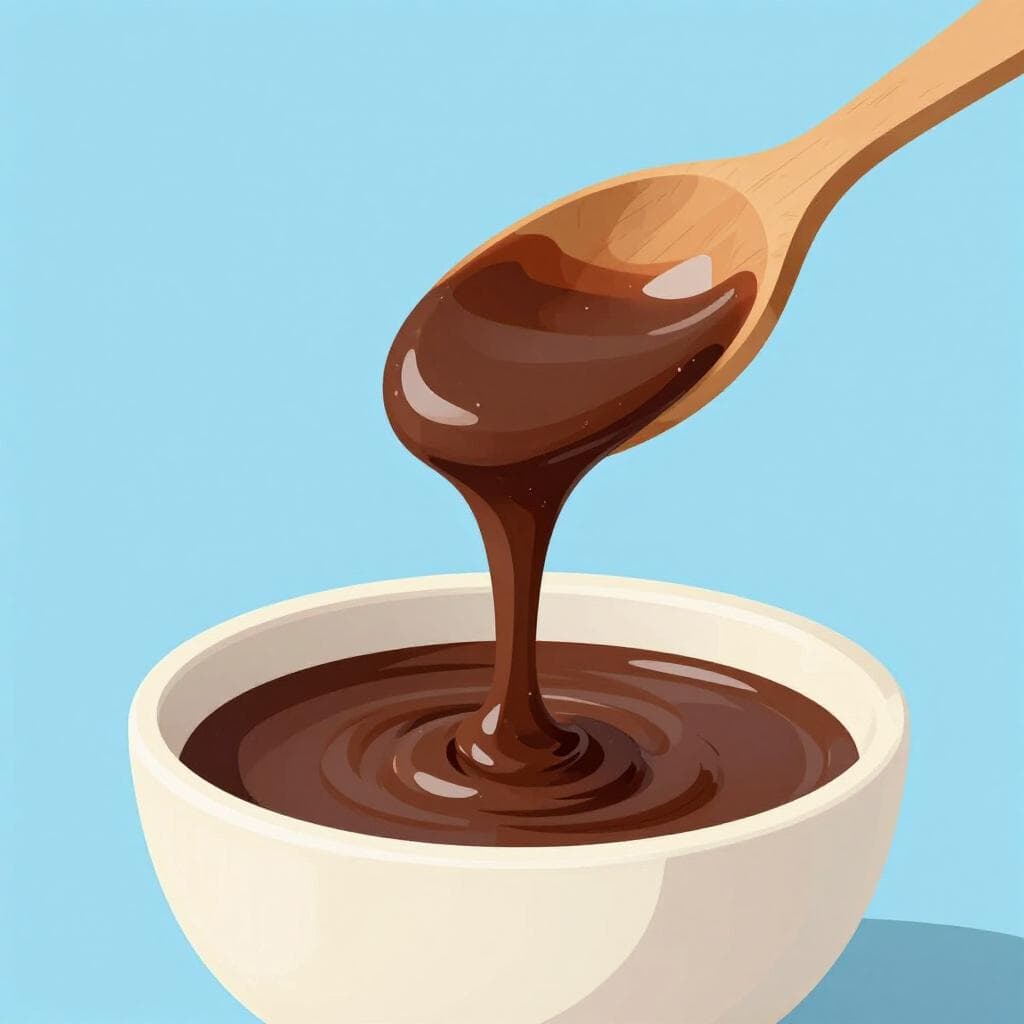

thick
Also: dense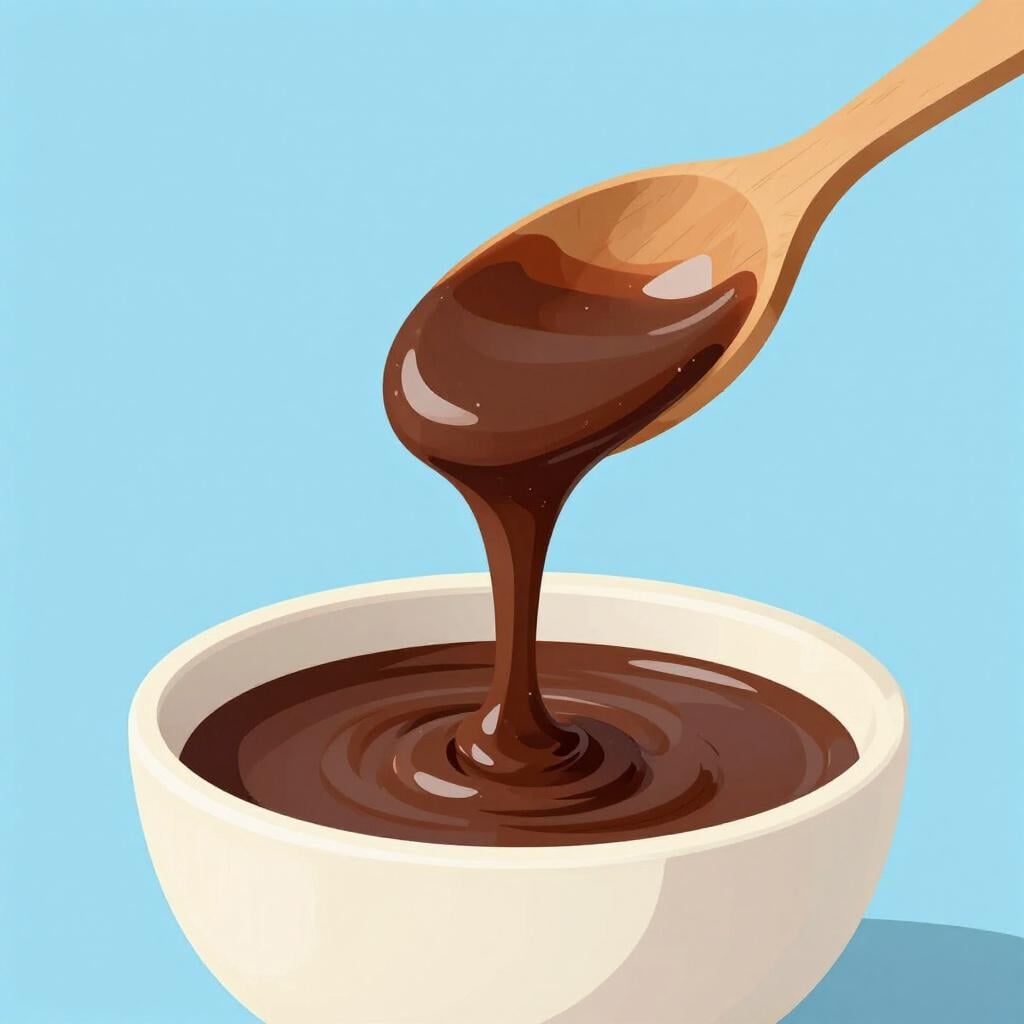
📝 In Action
La salsa de tomate está muy espesa.
A2The tomato sauce is very thick.
Había una niebla espesa en la carretera.
B1There was a thick fog on the road.
Añade un poco de harina para que el guiso quede más espeso.
B1Add a little flour so the stew becomes thicker.
slow-witted
Also: annoying
📝 In Action
Hoy no he dormido bien y estoy un poco espeso.
B2I didn't sleep well today and I'm a bit slow/foggy.
¡Qué tío más espeso! No para de hablar de lo mismo.
C1What an annoying guy! He won't stop talking about the same thing.
Perdona, estoy espeso y no entiendo la explicación.
B2Sorry, my brain is foggy and I don't understand the explanation.
Translate to Spanish
✏️ Quick Practice
Quick Quiz: espeso
Question 1 of 3
If your soup is too watery, how would you like it to be?
📚 More Resources
👥 Word Family▼
📚 Etymology▼
From the Latin word 'spissus', which means 'dense', 'compact', or 'slow'.
First recorded: 13th century
Cognates (Related words)
💡 Master Spanish
Take your Spanish to the next level. Read 200+ illustrated and narrated Spanish stories tailored to your level with the Inklingo app!
Frequently Asked Questions
What is the difference between 'espeso' and 'grueso'?
'Espeso' is for things that flow (liquids, smoke, fog) or are dense (forests). 'Grueso' is for solid objects like a thick book, a wall, or a finger.
Can I use 'espeso' to describe a person?
Yes. If you use 'estar', it means they are currently slow-witted or tired. If you use 'ser' (common in Spain), it means they are a boring or annoying person.
How do I say 'to thicken' a sauce?
You use the verb 'espesar'. For example: 'Tengo que espesar la salsa' (I have to thicken the sauce).