How to Say "dense" in Spanish
The most common Spanish word for “dense” is “denso” — use 'denso' to describe materials with particles packed closely together, like liquids, gases, or even populations in a specific area.


denso
DEHN-sohˈdenso
Examples
El aceite es más denso que el agua.
Oil is thicker than water.
Hay una niebla muy densa en la carretera.
There is a very thick fog on the road.
Caminamos por un bosque denso y oscuro.
We walked through a dense and dark forest.
Changing for Gender
Like most adjectives ending in 'o', you must change it to 'densa' if the thing you are describing is feminine, like 'la niebla' (the fog).
Using with 'Ser' vs 'Estar'
Use 'ser' for permanent qualities (The forest is dense) and 'estar' for temporary states (The smoke is dense right now).
Thick hair vs. Thick soup
Mistake: “Mi sopa está densa.”
Correction: Mi sopa está espesa. Use 'espeso' for the consistency of food or liquids you eat, and 'denso' for more scientific or atmospheric contexts.
compacto
kom-PAHK-tohkomˈpakto

Examples
Este nuevo teléfono tiene un diseño muy compacto.
This new phone has a very compact design.
La nieve estaba tan compacta que podíamos caminar sobre ella.
The snow was so dense that we could walk on it.
Necesitamos un resumen más compacto de los hechos.
We need a more concise (compact) summary of the facts.
Matching with Nouns
This word changes its ending to match the gender of the thing you are describing. Use 'compacto' for masculine items (un libro) and 'compacta' for feminine items (una cámara).
Placement after the Noun
In most cases, you should place 'compacto' after the noun you are describing, such as 'un coche compacto' rather than 'un compacto coche'.
State vs. Action
Mistake: “Using 'compacto' when you mean something was forced into a shape.”
Correction: Use 'compacto' to describe how something is, but use 'compactado' if you want to say something was 'compacted' or 'compressed' by a machine or force.
espeso
eh-SPEH-sohesˈpeso
Examples
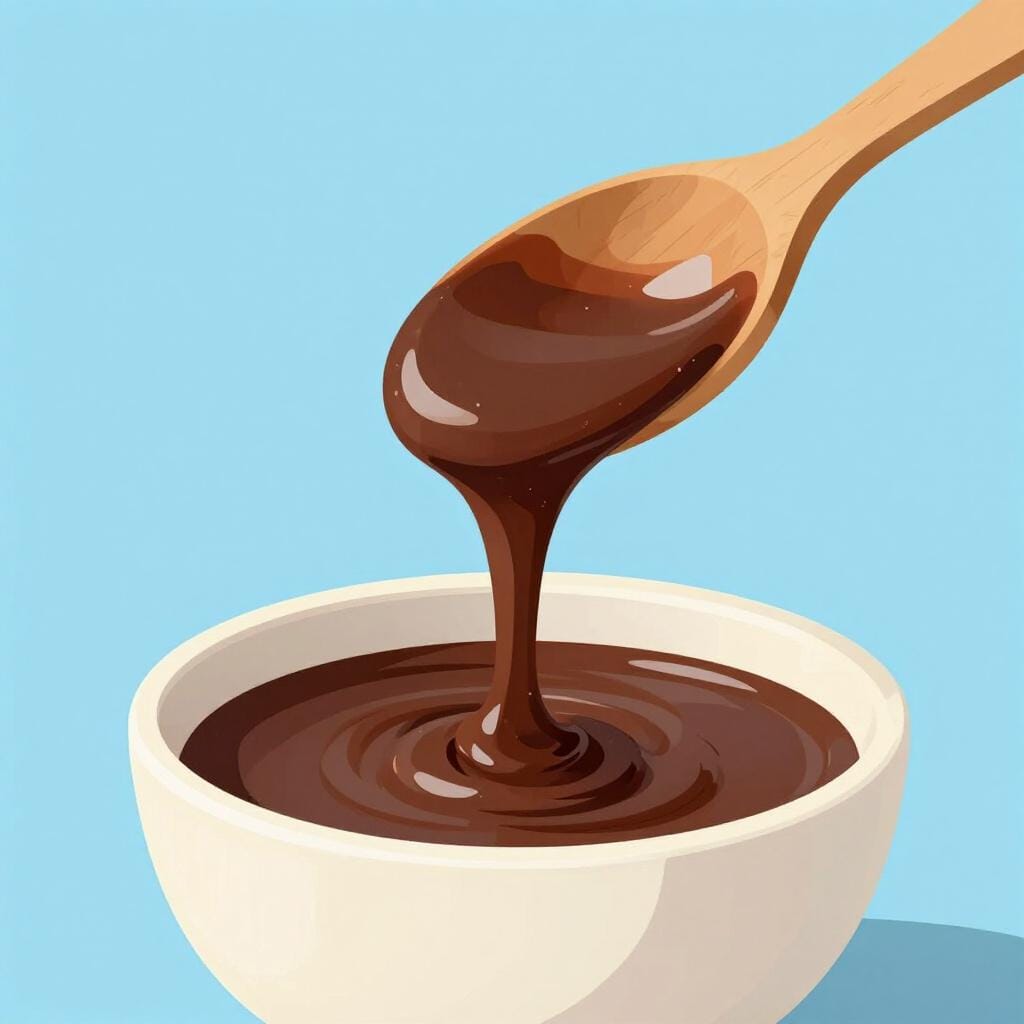
La salsa de tomate está muy espesa.
The tomato sauce is very thick.
Había una niebla espesa en la carretera.
There was a thick fog on the road.
Añade un poco de harina para que el guiso quede más espeso.
Add a little flour so the stew becomes thicker.
Matching the word to the object
This word must change to 'espesa' if you are talking about something female-gendered, like 'la sopa' (the soup).
Using with 'Ser' vs 'Estar'
Use 'ser' for things that are naturally thick (like honey) and 'estar' for things that have become thick through cooking or a specific state.
Don't confuse with 'grueso'
Mistake: “La sopa está muy gruesa.”
Correction: La sopa está muy espesa. Use 'espeso' for liquids and 'grueso' for objects like books or walls.
cerrado
se-RRAH-dohθeˈraðo/ or /seˈraðo

Examples
Es inútil discutir con él; es muy cerrado en sus creencias.
It's useless to argue with him; he is very narrow-minded in his beliefs.
Cuando le explico matemáticas, se pone muy cerrado y no lo capta.
When I explain math to him, he gets very dense/oblivious and doesn't get it.
poblado
po-BLAH-dohpoˈβlaðo

Examples
Esta es la zona más poblada del país.
This is the most populated area of the country.
El abuelo tiene unas cejas muy pobladas.
Grandpa has very bushy eyebrows.
Caminamos por un bosque muy poblado de pinos.
We walked through a forest very thick with pine trees.
Adjective Agreement
Don't forget to change the ending to match what you are describing: 'una zona poblada' (feminine) or 'unos bosques poblados' (plural).
Confusing with 'People'
Mistake: “Hay mucho poblado aquí.”
Correction: Hay mucha gente aquí. Use 'gente' for 'people' and 'poblada' as a description for the area.
Dense Material vs. Dense Fog
Learn Spanish with Inklingo
Interactive stories, personalized learning, and more.