How to Say "deep" in Spanish
The most common Spanish word for “deep” is “hondo” — use 'hondo' for physical depth, especially of water or a hole, and for intense emotions like sorrow or regret.







hondo
OHN-dohˈondo
Examples
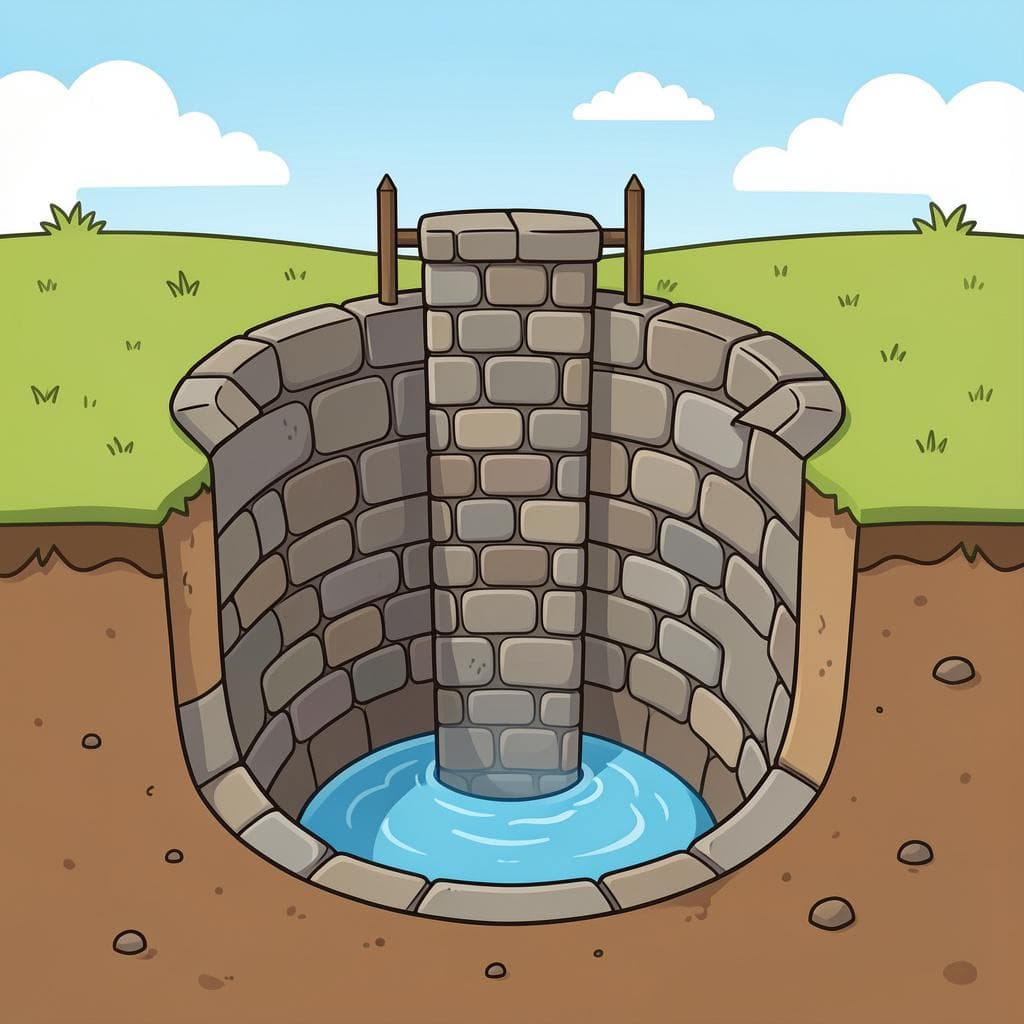
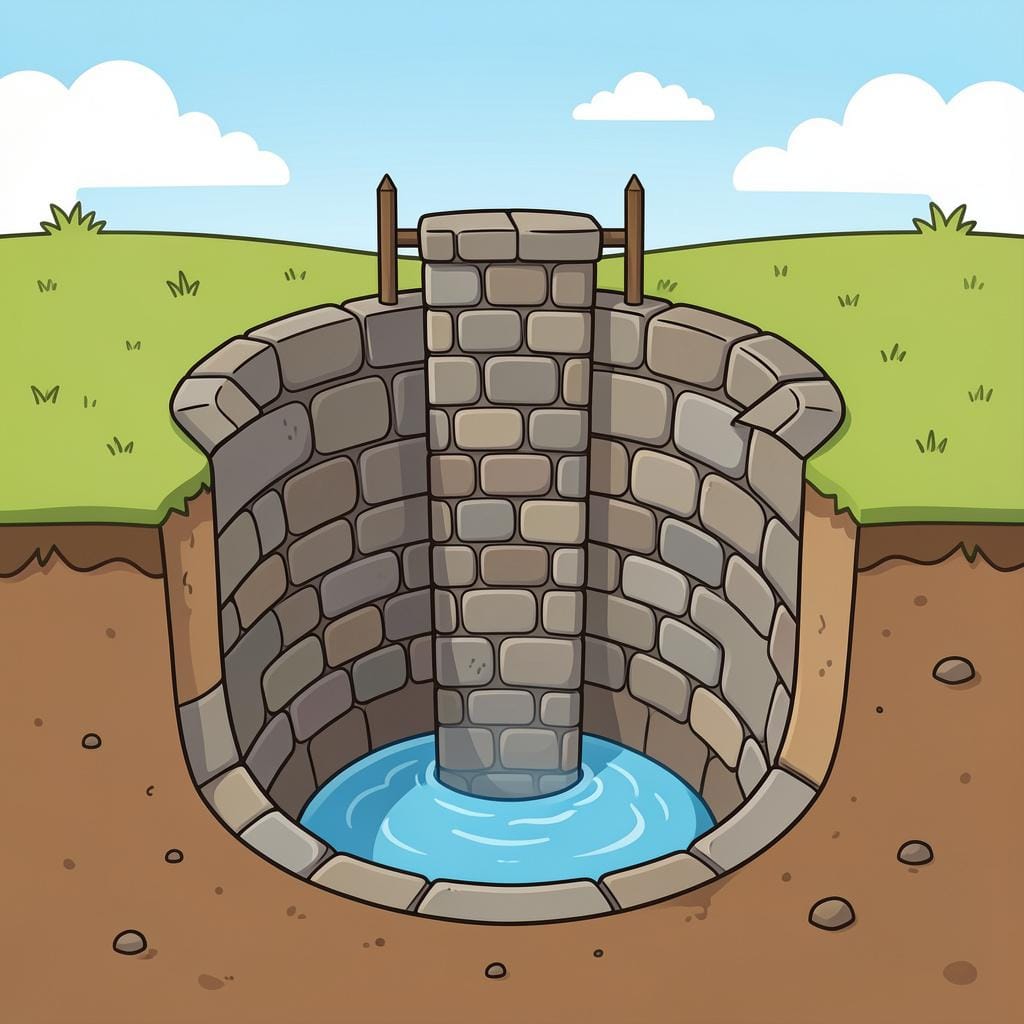
El pozo es muy hondo.
The well is very deep.
El río es muy hondo en esta parte.
The river is very deep in this part.
Necesito un plato hondo para la sopa.
I need a deep bowl for the soup.
Siento un hondo pesar por la noticia.
I feel a deep sorrow because of the news.
Describing Feminine Things
When describing a feminine word, change the 'o' to an 'a': 'la piscina honda'.
Hondo vs. Fondo
Mistake: “El fondo de la piscina es muy hondo.”
Correction: Use 'hondo' to describe how deep something is, and 'fondo' to talk about the physical bottom part itself.
profundo
proh-FOON-dohpɾoˈfundo

Examples
El nadador se lanzó a la parte profunda de la piscina.
The swimmer dove into the deep part of the pool.
La piscina olímpica es muy profunda en el centro.
The Olympic pool is very deep in the center.
Tuvimos que cavar un hoyo profundo para plantar el árbol.
We had to dig a deep hole to plant the tree.
Su discurso causó una profunda impresión en la audiencia.
His speech made a profound impression on the audience.
Adjective Agreement
Like most Spanish adjectives, 'profundo' must match the thing it describes in both gender (masculine/feminine) and number (singular/plural): 'el mar profundo' (masculine singular), 'las aguas profundas' (feminine plural).
Use with 'Ser'
Since 'profundo' describes an inherent quality (how serious or meaningful something is), it almost always uses the verb 'ser': 'La tristeza es profunda' (The sadness is profound).
Adjective Placement
'Profundo' usually comes after the noun, but sometimes can be placed before for emphasis, especially when describing feelings: 'una profunda tristeza' (a deep sadness).
Confusing 'profundo' and 'fondo'
Mistake: “Using 'fondo' as an adjective (e.g., 'El río es fondo').”
Correction: 'Fondo' is usually a noun meaning 'bottom.' Use 'profundo' as the adjective: 'El río es profundo.'
intenso
een-TEHN-sohinˈtenso

Examples
Tenía una conexión intensa con la música.
He had a deep connection with the music.
Ella tiene sentimientos muy intensos sobre la justicia social.
She has very intense feelings about social justice.
Es una persona muy intensa; siempre está pensando en el futuro.
He is a very intense person; he's always thinking about the future (meaning deeply focused/serious).
Tuvieron un debate intenso sobre política.
They had an intense debate about politics.
Using Ser vs. Estar
Since 'intenso' usually describes a core characteristic (like a personality trait or inherent strength), it almost always uses the verb 'ser' (e.g., 'Ella es intensa').
denso
DEHN-sohˈdenso

Examples
El tratado es un documento muy denso.
The treaty is a very dense document.
Este libro es un poco denso, pero muy bueno.
This book is a bit heavy, but very good.
Tuvimos una conversación muy densa sobre política.
We had a very deep/intense conversation about politics.
La película se puso densa al final.
The movie got a bit slow and heavy at the end.
Describing People
When you call a person 'denso', you are saying they are difficult to deal with, intense, or talk too much about serious things.
Hard vs. Dense
Mistake: “El examen fue denso.”
Correction: El examen fue difícil. Use 'denso' when the content is packed with information, not just because it was hard to pass.
oscura
os-Koo-raosˈkuɾa

Examples
Prefiere los vestidos de color azul oscuro.
She prefers dresses in a deep blue color.
Me gusta esa tonalidad de azul oscura para pintar la pared.
I like that dark shade of blue to paint the wall.
Llevaba una falda roja oscura, casi granate.
She was wearing a deep red skirt, almost maroon.
Colors and Agreement
When describing a color, 'oscura' must agree with the noun it modifies, not the color itself. Example: 'la pintura (f) oscura' (the dark paint).
grave
GRAH-vehˈɡɾa.βe

Examples
El contrabajo produce un sonido muy grave.
The double bass produces a very deep sound.
El cantante tiene una voz muy grave y potente.
The singer has a very deep and powerful voice.
Necesitas ajustar los tonos graves de los altavoces.
You need to adjust the low-pitched (bass) tones on the speakers.
entrado
en-TRAH-dohenˈtɾa.ðo

Examples
Es un hombre ya entrado en la edad.
He is a man already deep into his years.
Ella es una mujer entrada en los cuarenta.
She is a woman well into her forties.
Estábamos en la noche bien entrada cuando llegaron.
We were deep into the night when they arrived.
El hombre, entrado en años, se sentó a descansar.
The man, advanced in years (elderly), sat down to rest.
Adjective Agreement
As an adjective, 'entrado' must match the noun it describes in gender and number: 'entrada' (feminine singular), 'entrados' (masculine plural), 'entradas' (feminine plural).
rico
REE-kohˈriko

Examples
Los colores otoñales eran ricos y vibrantes.
The autumn colors were deep and vibrant.
La zona costera es rica en biodiversidad.
The coastal area is rich in biodiversity.
Me gusta mucho el color azul oscuro, se ve muy rico.
I really like the dark blue color, it looks very rich (deep).
The preposition 'En'
This meaning almost always uses the preposition 'en' (in/with) to indicate what the thing is rich in: 'rico en vitaminas,' 'rico en petróleo.'
Physical vs. Abstract Depth
Learn Spanish with Inklingo
Interactive stories, personalized learning, and more.