hondo
“hondo” means “deep” in Spanish. It has 3 different meanings depending on context:
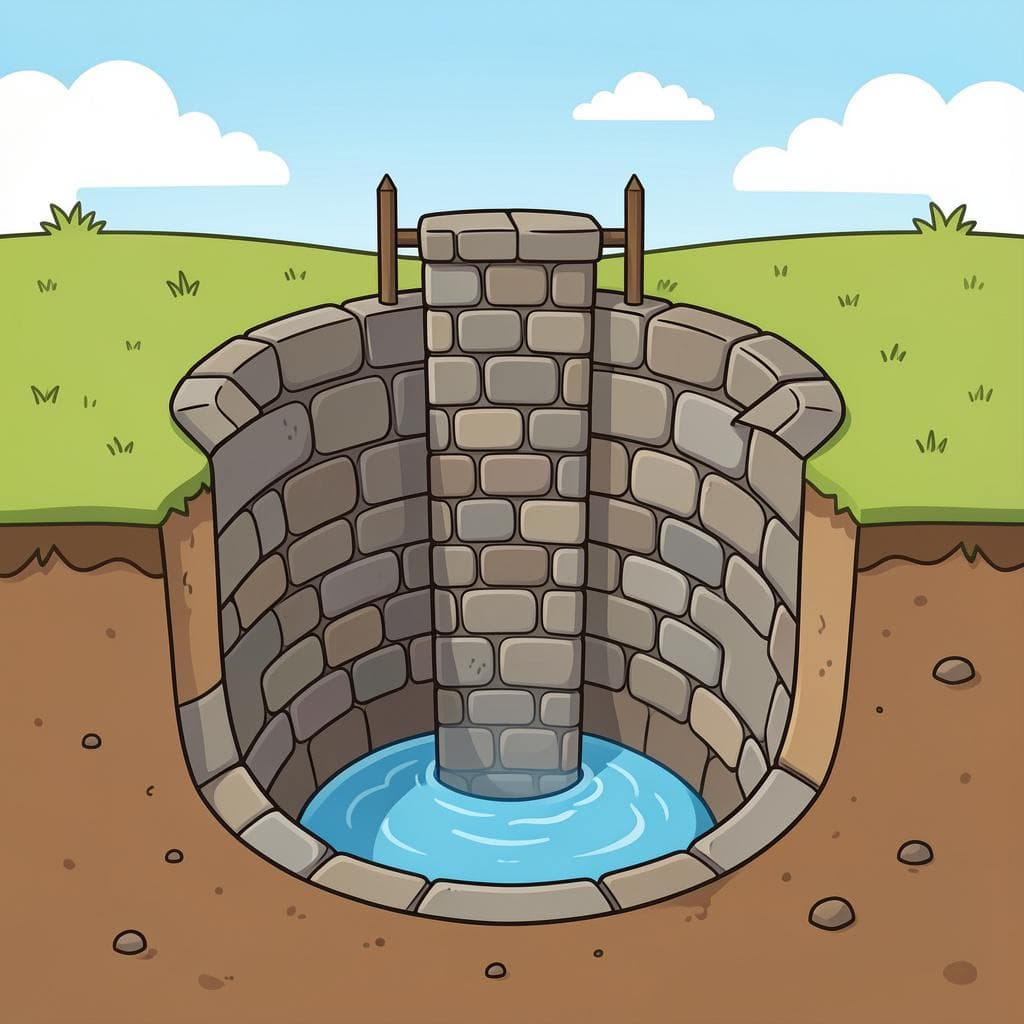


deep
Also: low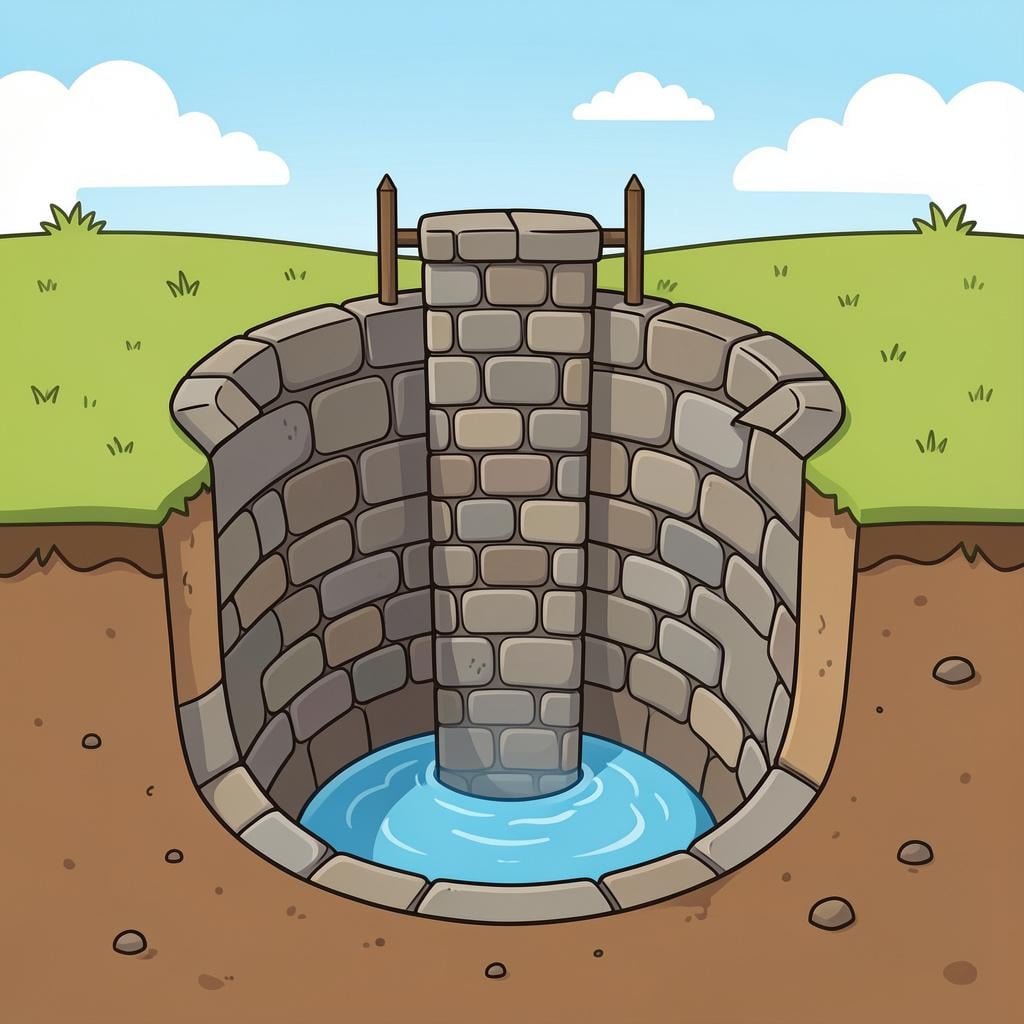
📝 In Action
El río es muy hondo en esta parte.
A1The river is very deep in this part.
Necesito un plato hondo para la sopa.
A2I need a deep bowl for the soup.
profound, deep

📝 In Action
Siento un hondo pesar por la noticia.
B2I feel a deep sorrow because of the news.
El abuelo está en un sueño hondo.
B1Grandpa is in a deep sleep.
deeply

📝 In Action
Respira hondo y relájate.
B1Breathe deeply and relax.
Sus palabras calaron hondo en el público.
B2His words left a deep impression on the audience.
🔀 Commonly Confused With
Translate to Spanish
✏️ Quick Practice
Quick Quiz: hondo
Question 1 of 2
Which of these is a physical object that is 'hondo'?
📚 More Resources
👥 Word Family▼
📚 Etymology▼
From the Latin word 'fundus', which means 'bottom' or 'base'. This is the same root that gave us the English word 'foundation'.
First recorded: 12th century
Cognates (Related words)
💡 Master Spanish
Take your Spanish to the next level. Read 200+ illustrated and narrated Spanish stories tailored to your level with the Inklingo app!
Frequently Asked Questions
What is the difference between 'hondo' and 'profundo'?
They are often interchangeable. However, 'hondo' is more common for physical containers like plates or pools, while 'profundo' sounds slightly more formal or scientific (like 'the deep ocean' or 'deep thoughts').
Can I use 'hondo' for a tall building?
No. For height going up, use 'alto'. Use 'hondo' for things that go down from the surface.