How to Say "low" in Spanish
The most common Spanish word for “low” is “bajo” — use 'bajo' to describe something that is physically lower in position or height compared to something else, or to refer to a lower level or rank.
bajo
BA-hoˈbaxo
Examples
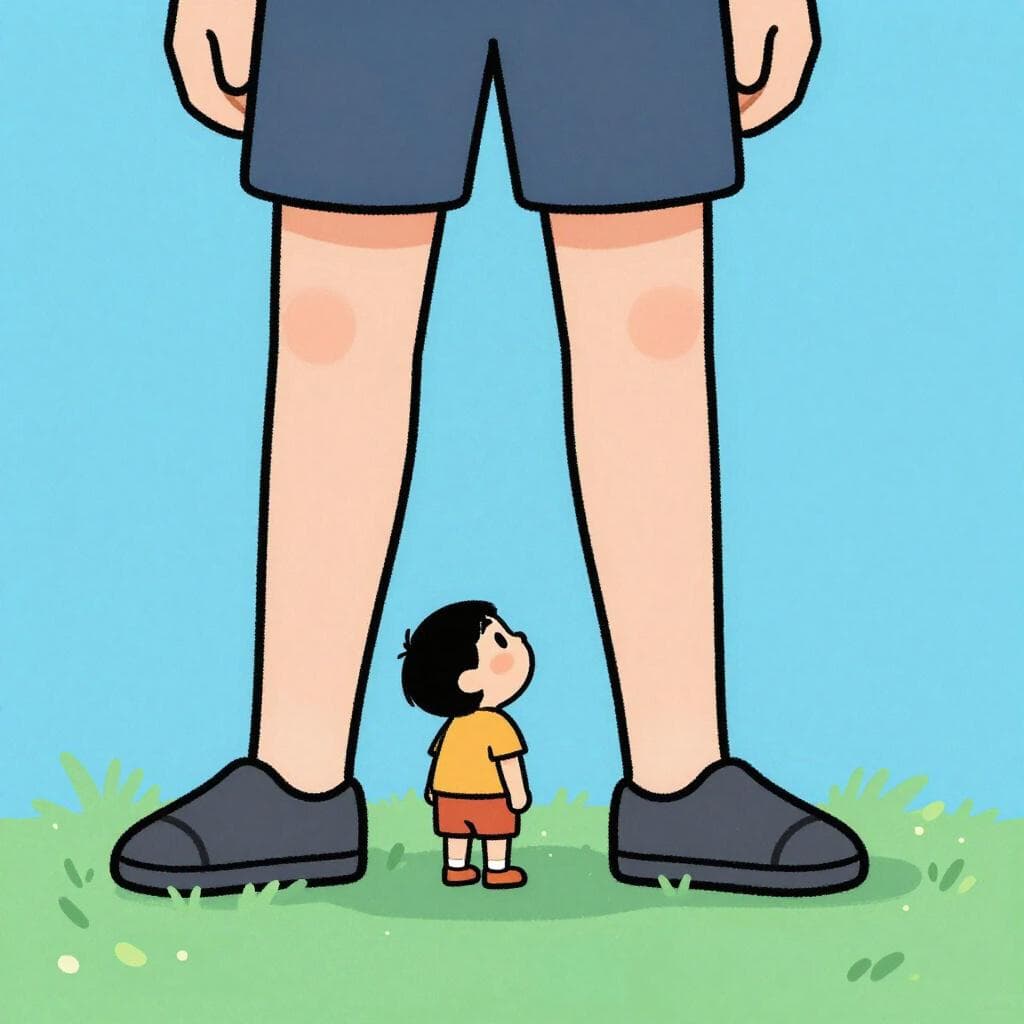
Mi hermano es más bajo que yo.
My brother is shorter than me.
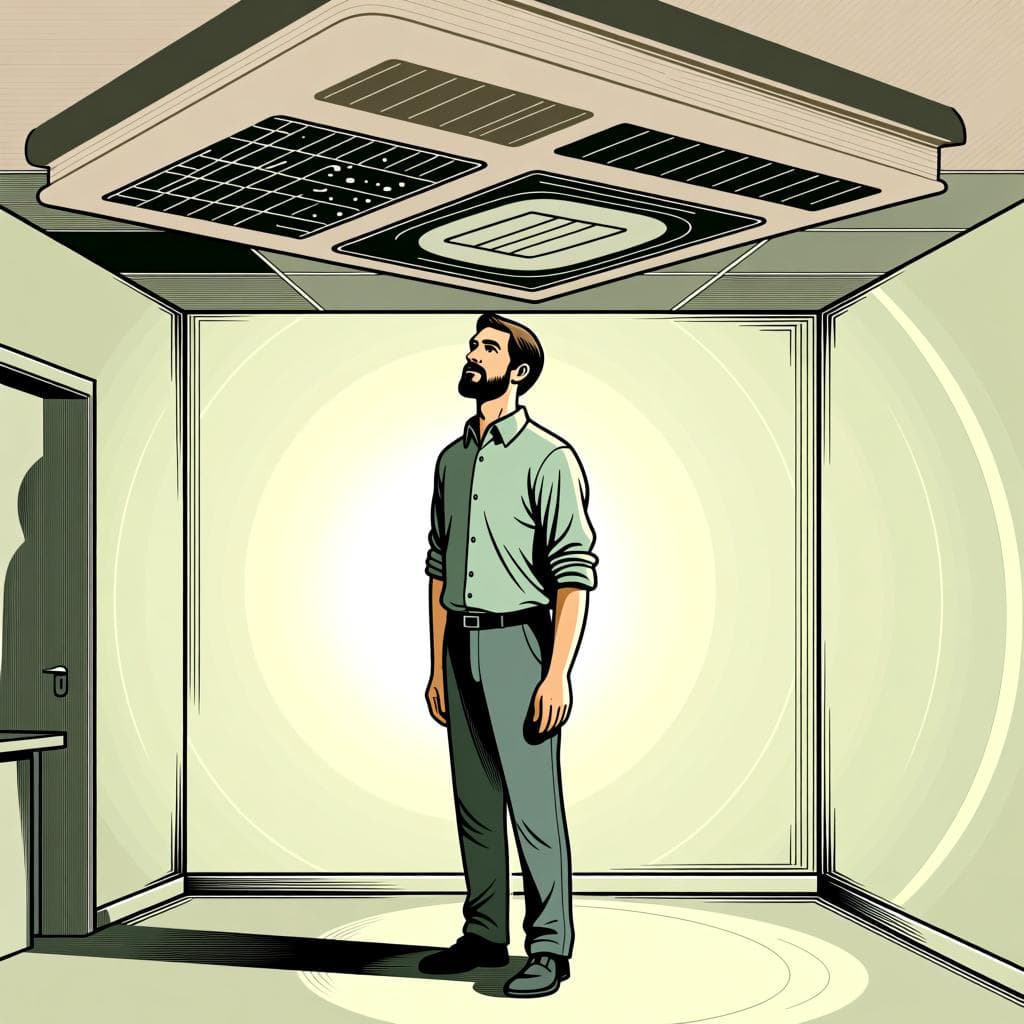
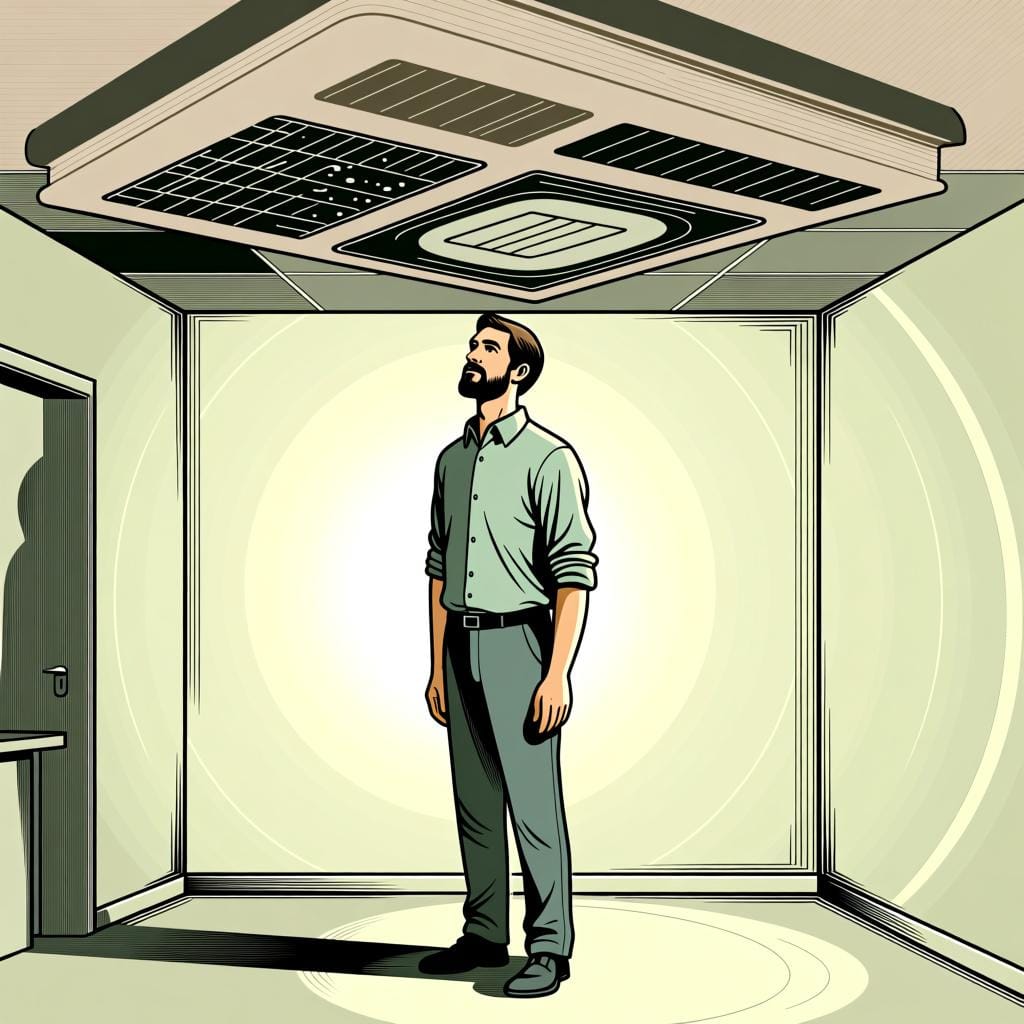
El techo de la casa es muy bajo.
The ceiling of the house is very low.
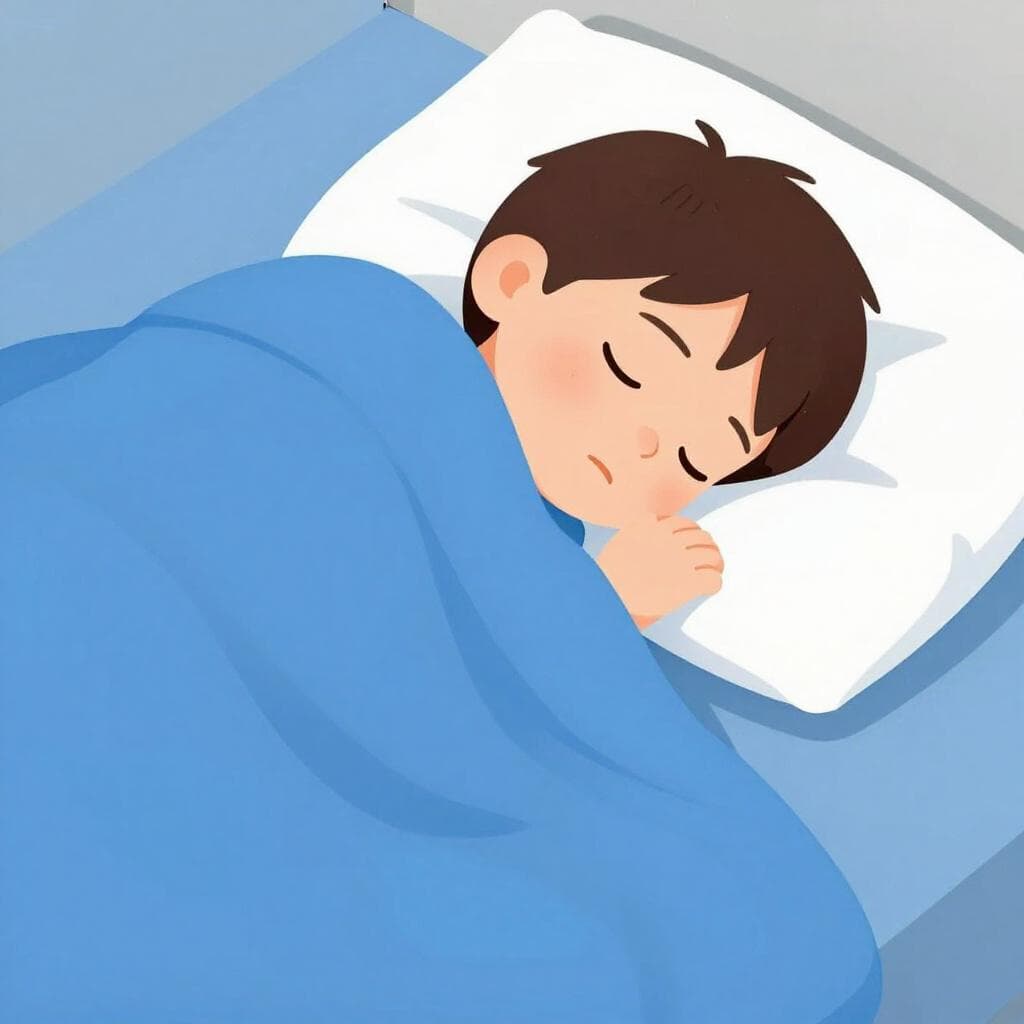
Por favor, habla en voz baja, el bebé duerme.
Please, speak in a quiet voice, the baby is sleeping.
Habla más bajo, por favor.
Speak more quietly, please.
Making it Match
As an adjective, 'bajo' changes to match the person or thing it describes. Use 'baja' for feminine things, 'bajos' for plural masculine, and 'bajas' for plural feminine. (e.g., la mesa baja, los techos bajos, las sillas bajas)
Describes the Action
When used this way, 'bajo' describes how an action happens. Because it's describing the verb, not a noun, it doesn't change its ending. It's always 'bajo'.
Height vs. Length
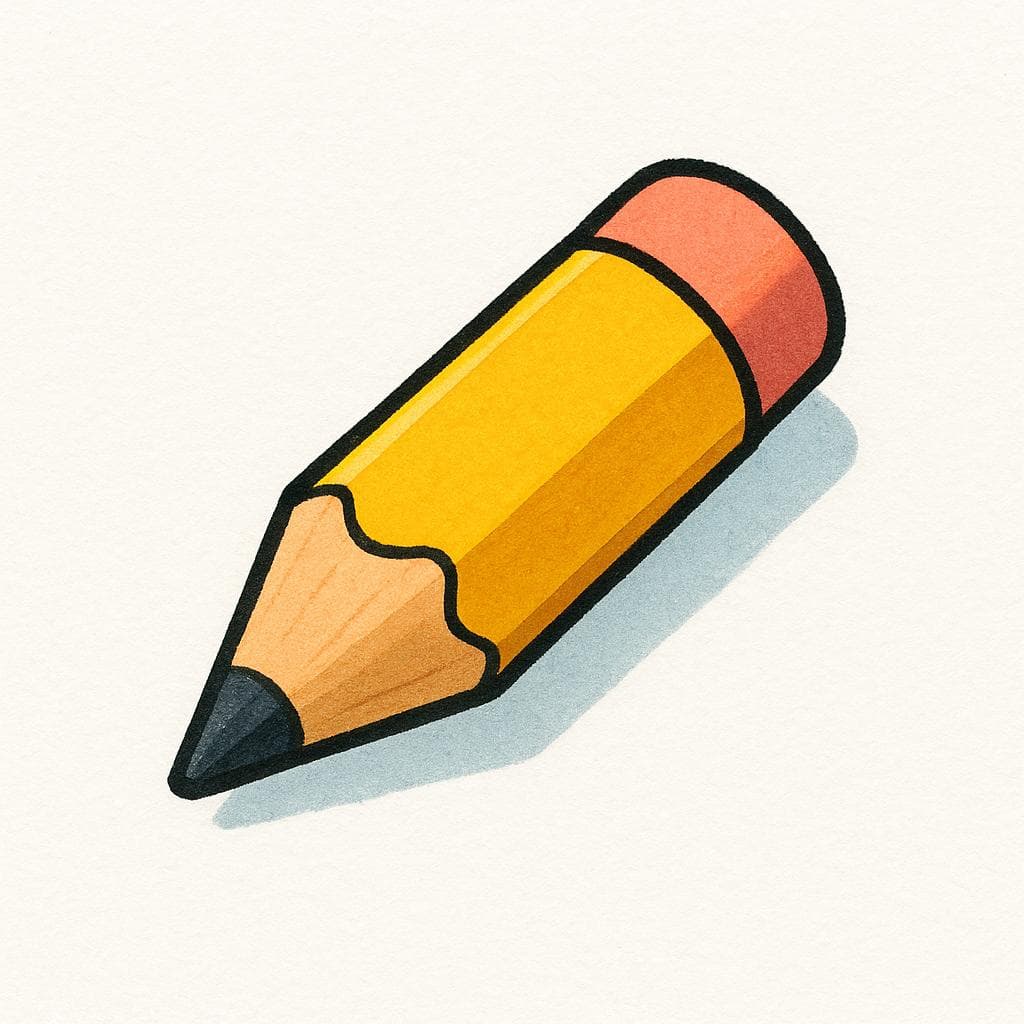
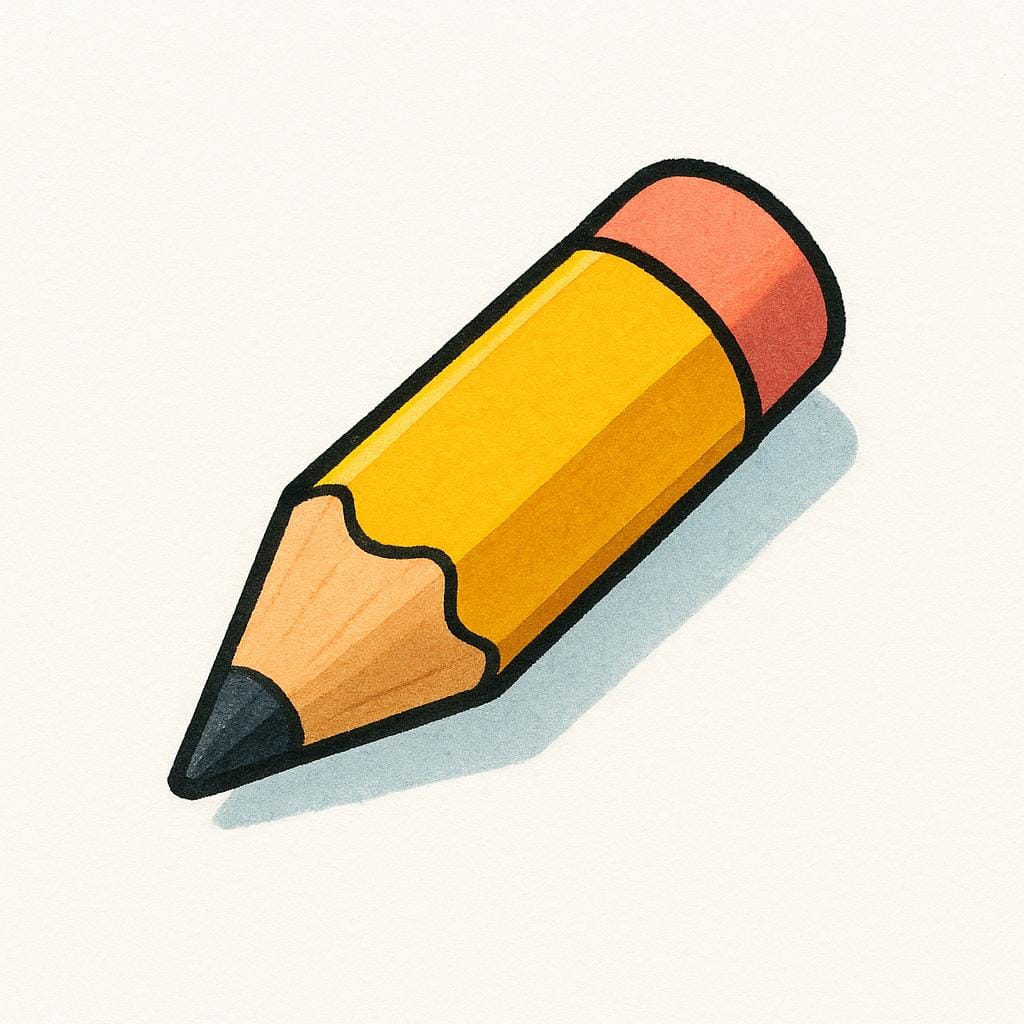
Mistake: “El lápiz es bajo.”
Correction: El lápiz es corto. Use 'bajo' for height (like a person or a building) and 'corto' for length (like a pencil or a story).
bajo
Examples
Habla más bajo, por favor.
Speak more quietly, please.
bajito
ba-HEE-tohbaˈxito
Examples
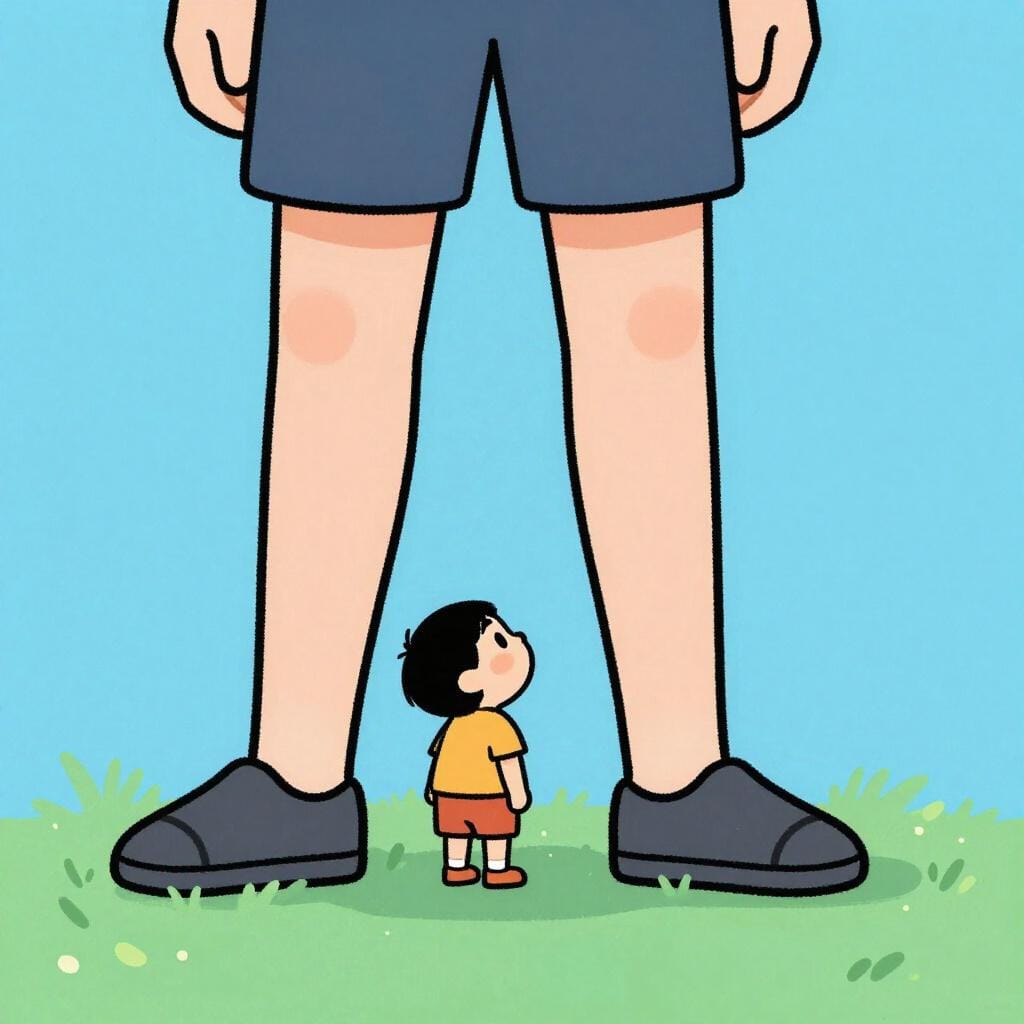
Mi hermano pequeño es muy bajito.
My little brother is very short.
Prefiero sentarme en ese sofá bajito.
I prefer to sit on that low sofa.
El estante está un poco bajito para mí.
The shelf is a bit low for me.
The -ito ending
Adding '-ito' to the word 'bajo' (short) makes it sound friendlier or smaller. It is often used to be more polite when describing someone's height.
Matching the person
When you are describing a girl or a feminine object, change the 'o' to 'a' (bajita). If there is more than one, add an 's' (bajitos).
Short vs. Brief
Mistake: “Using 'corto' for a person's height.”
Correction: Say 'Soy bajito' instead of 'Soy corto'. 'Corto' is for length (like hair or a movie), while 'bajito' is for height.
corto
KOR-tohˈkoɾto
Examples
Mi pelo es más corto que el tuyo.
My hair is shorter than yours.
La reunión fue muy corta, solo duró diez minutos.
The meeting was very brief; it only lasted ten minutes.
Necesito un cable más corto para conectar la televisión.
I need a shorter cable to connect the television.
Adjective Agreement
Remember that 'corto' must match the thing it describes in both gender (o/a) and number (singular/plural). Examples: 'el libro corto' (masculine singular), 'las faldas cortas' (feminine plural).
Confusing Length and Size
Mistake: “Usando 'corto' para decir 'small' (e.g., 'el carro corto').”
Correction: Use 'pequeño' (small) for general size. Use 'corto' only for measurement of length or time.
hondo
OHN-dohˈondo
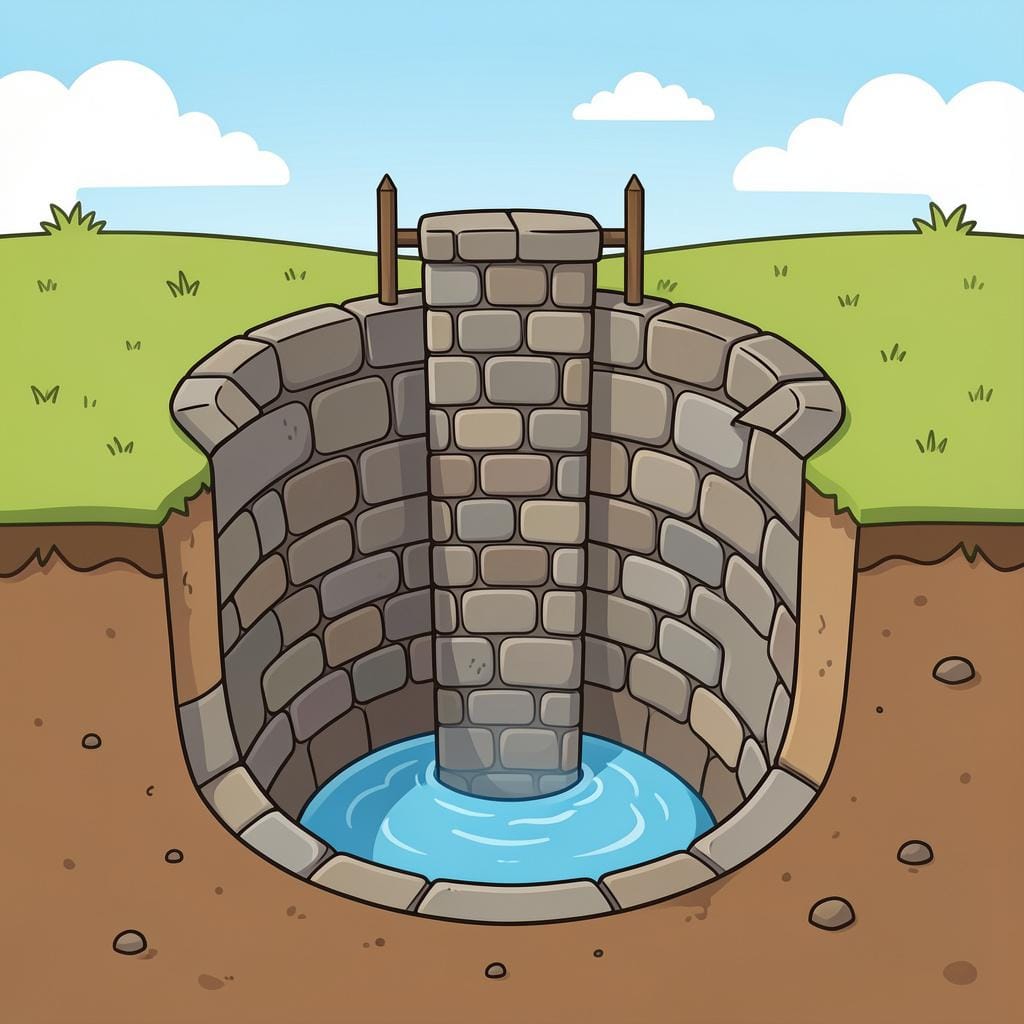
Examples
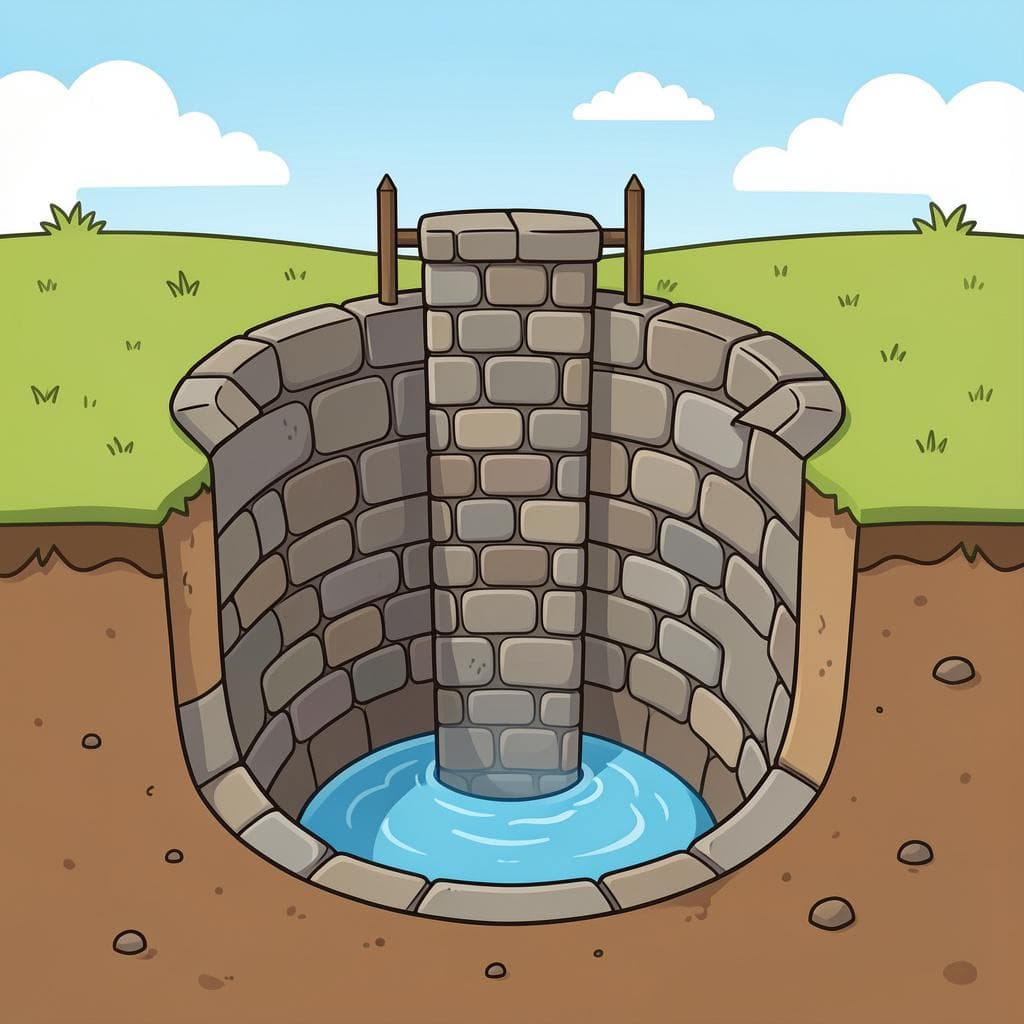
El río es muy hondo en esta parte.
The river is very deep in this part.
Necesito un plato hondo para la sopa.
I need a deep bowl for the soup.
Describing Feminine Things
When describing a feminine word, change the 'o' to an 'a': 'la piscina honda'.
Hondo vs. Fondo
Mistake: “El fondo de la piscina es muy hondo.”
Correction: Use 'hondo' to describe how deep something is, and 'fondo' to talk about the physical bottom part itself.
profundo
proh-FOON-dohpɾoˈfundo

Examples
El bebé está en un sueño profundo y no se despierta.
The baby is in a deep sleep and won't wake up.
Necesitas tomar una respiración profunda antes de empezar.
You need to take a deep breath before starting.
Adjective Placement
'Profundo' usually comes after the noun, but sometimes can be placed before for emphasis, especially when describing feelings: 'una profunda tristeza' (a deep sadness).
Bajo vs. Bajito
Learn Spanish with Inklingo
Interactive stories, personalized learning, and more.