How to Say "heavy" in Spanish
The most common Spanish word for “heavy” is “pesado” — use this for the physical weight of an object, or for food that is difficult to digest.
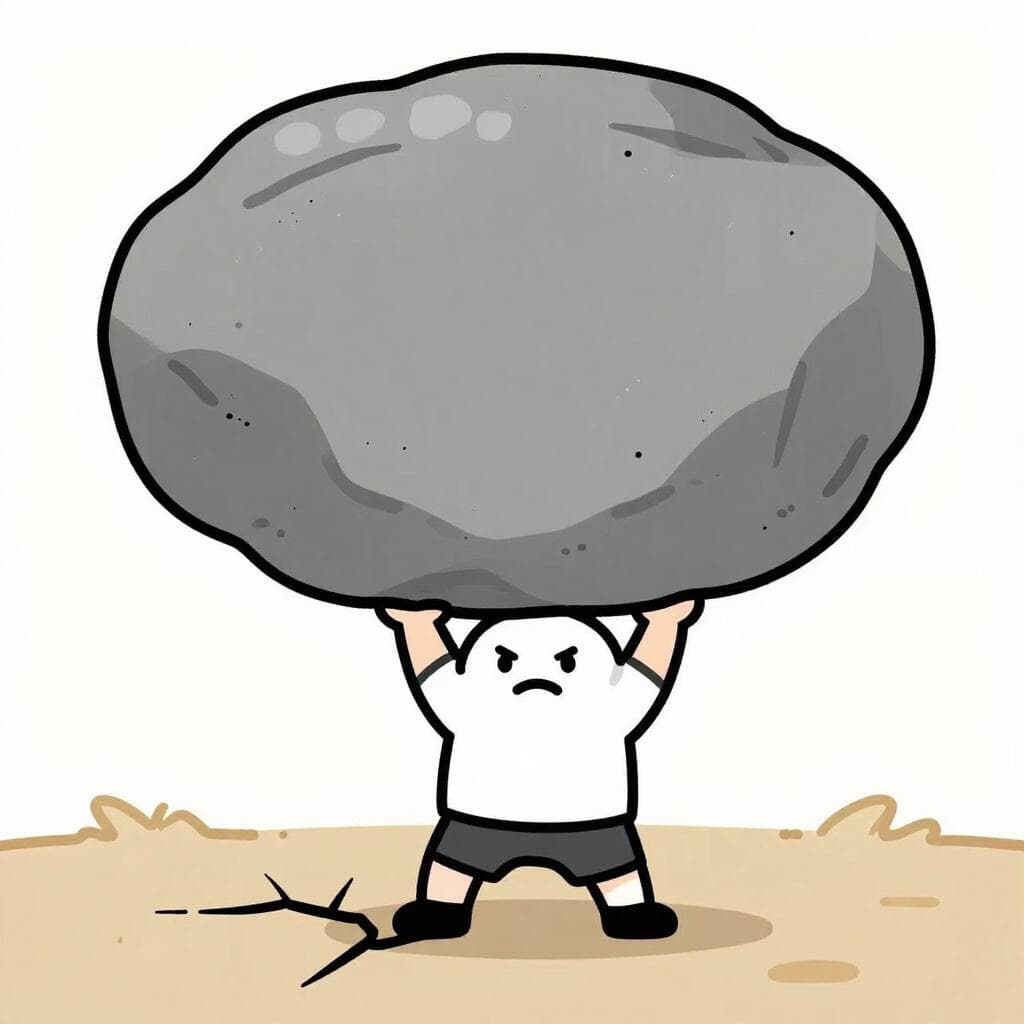





pesado
peh-SAH-thopeˈsa.ðo

Examples
Este sofá es muy pesado, necesito ayuda.
This sofa is very heavy; I need help.
Llevo una mochila pesada con muchos libros.
I'm carrying a heavy backpack with many books.
Los metales pesados pueden ser peligrosos.
Heavy metals can be dangerous.
La pizza por la noche me resulta muy pesada.
Pizza at night is very heavy for me to digest.
Matching the Word
Since this is a word that describes things, it must match the gender of the object. Use 'pesado' for masculine items and 'pesada' for feminine items (like 'la maleta pesada').
Describing Effects
When food 'feels heavy,' we often use it with the verb 'caer' (to fall). For example: 'La cena me cayó pesada' (The dinner sat heavy on my stomach).
Using it for 'difficult'
Mistake: “El examen fue pesado.”
Correction: El examen fue difícil.
fuerte
FWER-tehˈfweɾte
Examples
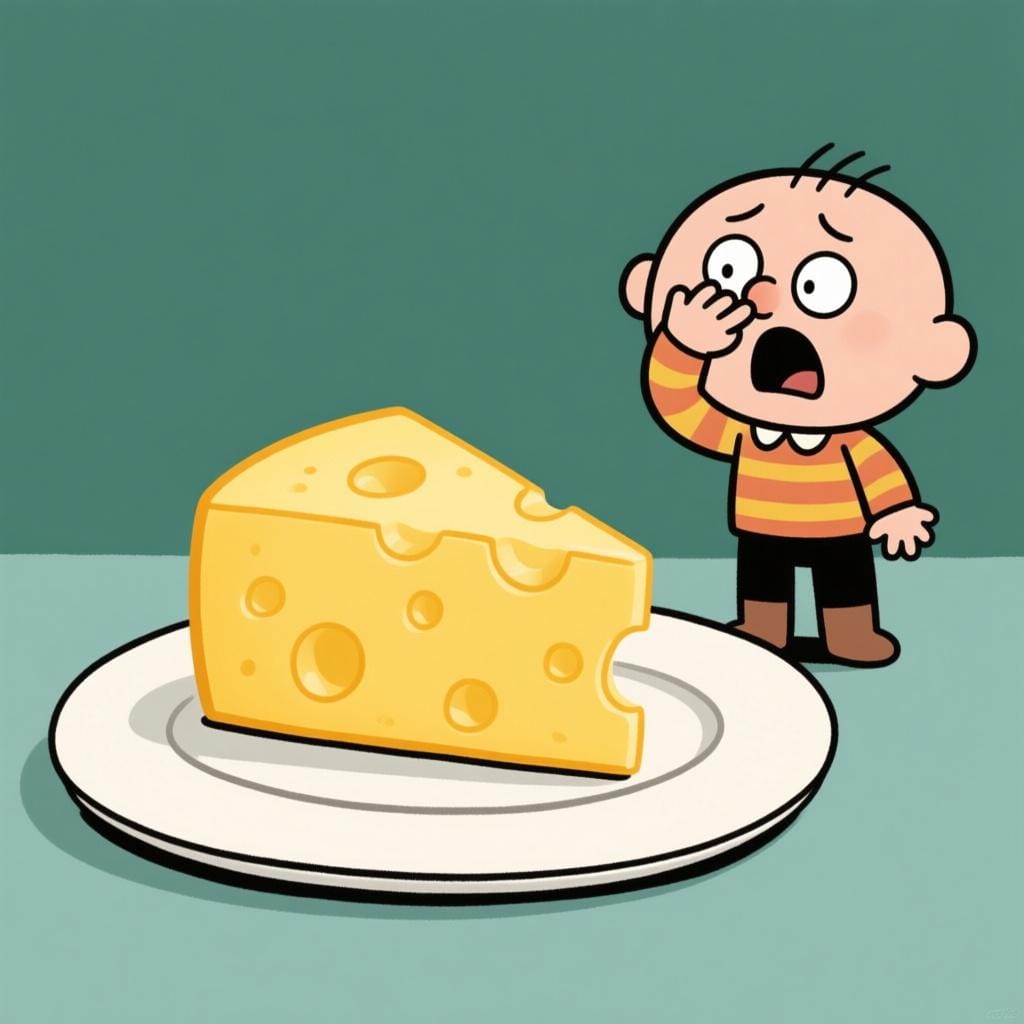
Este queso tiene un sabor muy fuerte.
This cheese has a very strong flavor.
La música está demasiado fuerte, no puedo oírte.
The music is too loud, I can't hear you.
Tengo un dolor de cabeza muy fuerte.
I have a very strong headache.
grueso
grway-soˈɡɾweso

Examples
Este libro es muy grueso y pesa mucho.
This book is very thick and weighs a lot.
Necesitas un abrigo más grueso para el invierno.
You need a thicker coat for the winter.
El actor tiene una voz gruesa y potente.
The actor has a deep and powerful voice.
Matching Gender and Number
Since this word describes things, it must change to match them: 'un libro grueso' (masculine) vs 'una tabla gruesa' (feminine).
Comparing Thick and Fat
While 'gordo' usually refers to living beings (fat), 'grueso' is the preferred word for objects like walls, books, or layers of ice.
Thick vs. Fat
Mistake: “Ese hombre es muy grueso.”
Correction: Ese hombre es muy gordo (or 'robusto'). Using 'grueso' for people is sometimes used to be polite, but it can sound unnatural if you just mean 'fat'.
intenso
een-TEHN-sohinˈtenso

Examples
El calor este verano ha sido muy intenso.
The heat this summer has been very intense/strong.
Necesitas una luz más intensa para poder leer en la noche.
You need a more intense light to be able to read at night.
El entrenamiento de hoy fue realmente intenso.
Today's workout was really intense.
Adjective Agreement
Like most Spanish adjectives, 'intenso' must change to match the thing it describes. If you talk about 'la lluvia' (feminine), you must say 'la lluvia intensa'.
cargado
kar-GAH-dohkaɾˈɣaðo

Examples
Necesito un café bien cargado para empezar el día.
I need a really strong coffee to start the day.
El vestido tiene un color rojo muy cargado.
The dress has a very intense red color.
Había un ambiente cargado de tensión en la sala de reuniones.
There was an atmosphere heavy with tension in the meeting room.
Se siente cargado por las responsabilidades de su nuevo puesto.
He feels burdened by the responsibilities of his new position.
contundente
con-toon-DEN-tehkontunˈdente

Examples
Después de esquiar, tomamos una sopa muy contundente.
After skiing, we had a very hearty soup.
El sospechoso usó un objeto contundente para romper la ventana.
The suspect used a blunt object to break the window.
No me gusta comer platos tan contundentes por la noche.
I don't like eating such heavy dishes at night.
Describing meals
When used with food, it implies the meal is rich, heavy, and will keep you full for a long time.
Don't confuse with 'strong'
Mistake: “un sabor contundente”
Correction: un sabor fuerte (contundente refers to how filling or physically solid something is, not usually a flavor).
denso
DEHN-sohˈdenso

Examples
Este libro es un poco denso, pero muy bueno.
This book is a bit heavy, but very good.
Tuvimos una conversación muy densa sobre política.
We had a very deep/intense conversation about politics.
La película se puso densa al final.
The movie got a bit slow and heavy at the end.
Describing People
When you call a person 'denso', you are saying they are difficult to deal with, intense, or talk too much about serious things.
Hard vs. Dense
Mistake: “El examen fue denso.”
Correction: El examen fue difícil. Use 'denso' when the content is packed with information, not just because it was hard to pass.
Physical Weight vs. Intensity
Learn Spanish with Inklingo
Interactive stories, personalized learning, and more.