pesado
“pesado” means “heavy” in Spanish. It has 3 different meanings depending on context:
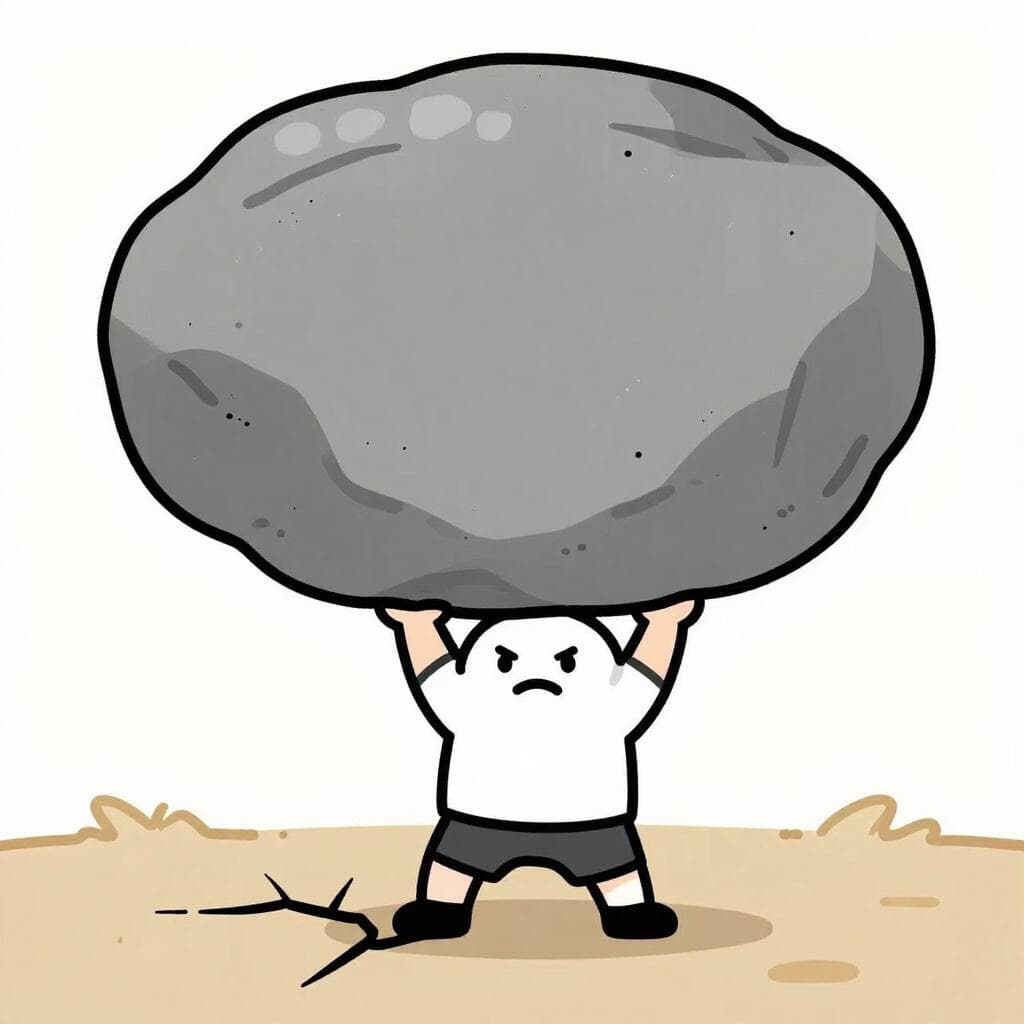


heavy
Also: hefty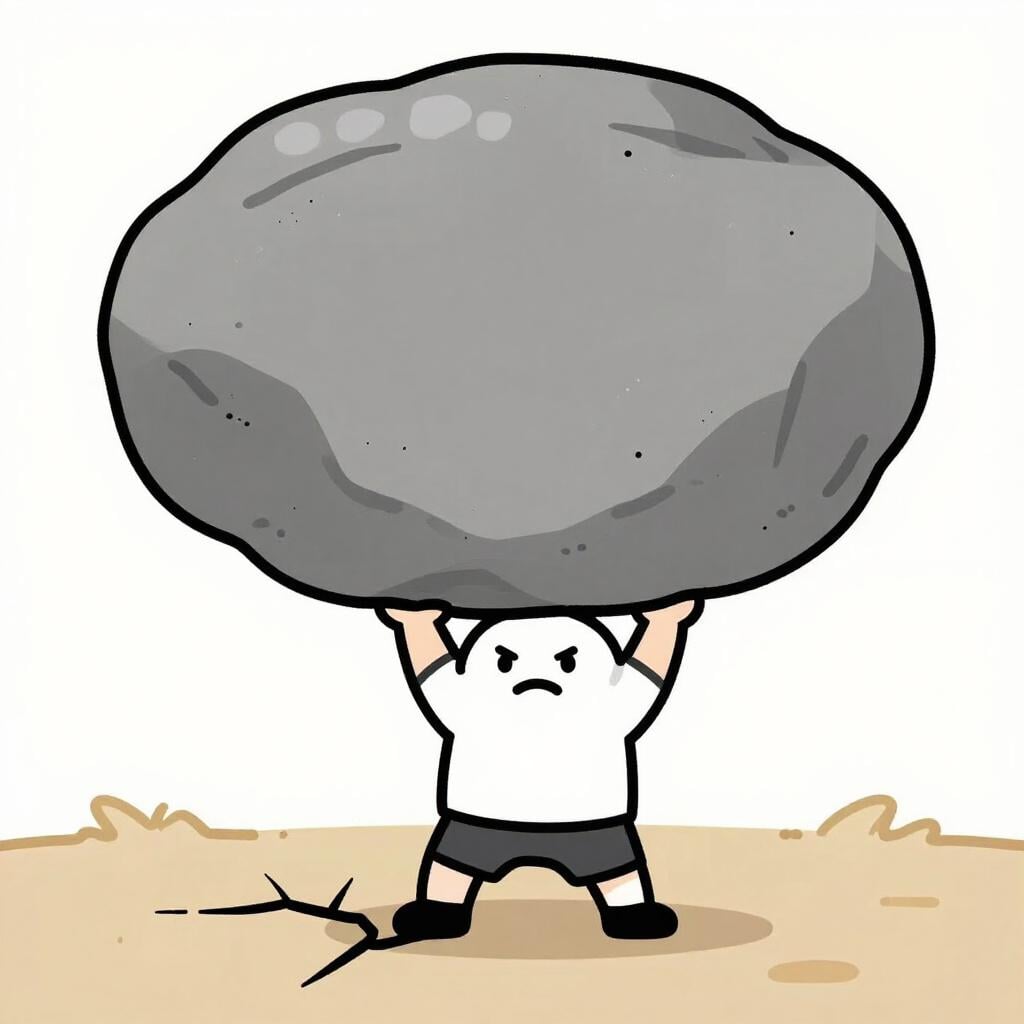
📝 In Action
Este sofá es muy pesado, necesito ayuda.
A1This sofa is very heavy; I need help.
Llevo una mochila pesada con muchos libros.
A2I'm carrying a heavy backpack with many books.
Los metales pesados pueden ser peligrosos.
B1Heavy metals can be dangerous.
annoying
Also: a pain, tiresome
📝 In Action
¡Qué pesado eres! Deja de preguntarme lo mismo.
A2You're so annoying! Stop asking me the same thing.
Mi jefe estuvo muy pesado en la reunión de hoy.
B1My boss was being a real pain in today's meeting.
No quiero ser pesado, pero necesito ese informe.
B2I don't want to be a nuisance, but I need that report.
heavy
Also: rich
📝 In Action
La pizza por la noche me resulta muy pesada.
B1Pizza at night is very heavy for me to digest.
Es una comida pesada con mucha grasa.
B1It is a heavy meal with a lot of fat.
Translate to Spanish
✏️ Quick Practice
Quick Quiz: pesado
Question 1 of 3
If you just ate a massive steak and feel like you can't move, the food was:
📚 More Resources
👥 Word Family▼
📚 Etymology▼
Comes from the Latin word 'pensāre', which means 'to weigh' or 'to ponder'. Originally, it just meant something that had weight, but over time it grew to describe things that feel 'heavy' on our patience or our stomachs.
First recorded: 13th century
Cognates (Related words)
💡 Master Spanish
Take your Spanish to the next level. Read 200+ illustrated and narrated Spanish stories tailored to your level with the Inklingo app!
Frequently Asked Questions
Can 'pesado' be a compliment?
Almost never. Whether you are talking about weight, personality, or food, it usually describes something slightly negative or challenging.
What is a 'broma pesada'?
It is a practical joke that goes too far, usually making the victim feel bad or unsafe. Think of it as a 'heavy-handed' prank.
Is 'pesado' used the same way in all countries?
Yes, its core meanings (heavy, annoying, rich food) are understood everywhere, though some regions might use 'sangrón' (Mexico) for an annoying person too.