How to Say "thick" in Spanish
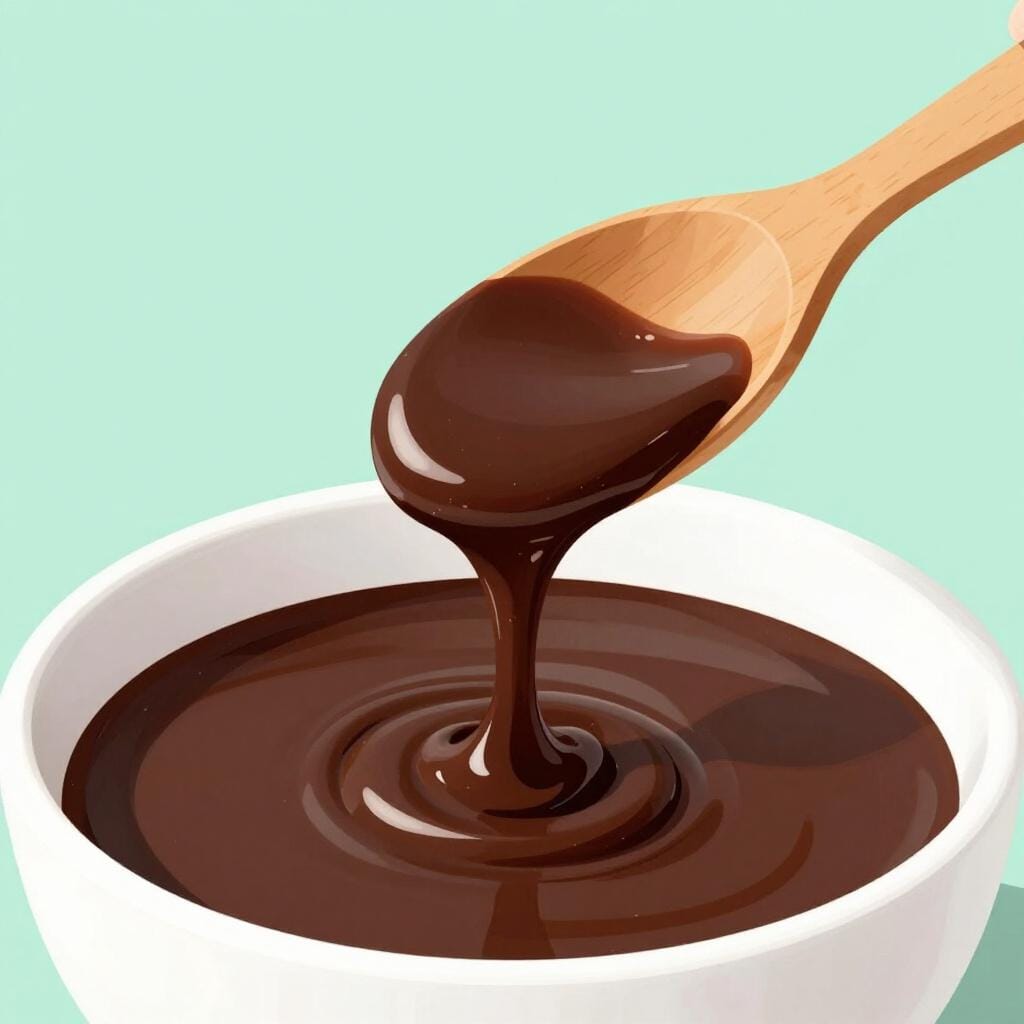
The most common Spanish word for “thick” is “espeso” — use this for liquids or mixtures that have a viscous consistency, like sauces or syrups.



espeso
eh-SPEH-sohesˈpeso
Examples
La sopa está muy espesa, necesita más caldo.
The soup is very thick, it needs more broth.
La salsa de tomate está muy espesa.
The tomato sauce is very thick.
Había una niebla espesa en la carretera.
There was a thick fog on the road.
Añade un poco de harina para que el guiso quede más espeso.
Add a little flour so the stew becomes thicker.
Matching the word to the object
This word must change to 'espesa' if you are talking about something female-gendered, like 'la sopa' (the soup).
Using with 'Ser' vs 'Estar'
Use 'ser' for things that are naturally thick (like honey) and 'estar' for things that have become thick through cooking or a specific state.
Don't confuse with 'grueso'
Mistake: “La sopa está muy gruesa.”
Correction: La sopa está muy espesa. Use 'espeso' for liquids and 'grueso' for objects like books or walls.
denso
DEHN-sohˈdenso
Examples
El humo de la chimenea era muy denso.
The smoke from the chimney was very thick.
El aceite es más denso que el agua.
Oil is thicker than water.
Hay una niebla muy densa en la carretera.
There is a very thick fog on the road.
Caminamos por un bosque denso y oscuro.
We walked through a dense and dark forest.
Changing for Gender
Like most adjectives ending in 'o', you must change it to 'densa' if the thing you are describing is feminine, like 'la niebla' (the fog).
Using with 'Ser' vs 'Estar'
Use 'ser' for permanent qualities (The forest is dense) and 'estar' for temporary states (The smoke is dense right now).
Thick hair vs. Thick soup
Mistake: “Mi sopa está densa.”
Correction: Mi sopa está espesa. Use 'espeso' for the consistency of food or liquids you eat, and 'denso' for more scientific or atmospheric contexts.
grueso
grway-soˈɡɾweso
Examples
Necesitamos una capa gruesa de pintura para cubrirlo.
We need a thick layer of paint to cover it.
Este libro es muy grueso y pesa mucho.
This book is very thick and weighs a lot.
Necesitas un abrigo más grueso para el invierno.
You need a thicker coat for the winter.
El actor tiene una voz gruesa y potente.
The actor has a deep and powerful voice.
Matching Gender and Number
Since this word describes things, it must change to match them: 'un libro grueso' (masculine) vs 'una tabla gruesa' (feminine).
Comparing Thick and Fat
While 'gordo' usually refers to living beings (fat), 'grueso' is the preferred word for objects like walls, books, or layers of ice.
Thick vs. Fat
Mistake: “Ese hombre es muy grueso.”
Correction: Ese hombre es muy gordo (or 'robusto'). Using 'grueso' for people is sometimes used to be polite, but it can sound unnatural if you just mean 'fat'.
gordo
GOR-doh (like 'gore' then 'dough')ˈɡoɾðo

Examples
Tiene un diccionario muy gordo con miles de palabras.
He has a very thick dictionary with thousands of words.
Compré un libro muy gordo sobre historia de México.
I bought a very thick book about Mexican history.
La cuerda era demasiado gorda para ese agujero.
The rope was too thick for that hole.
Comparing Thickness
'Gordo' is the standard word for describing depth or thickness, especially when referring to things you can hold, like blankets, walls, or stacks of paper.
cerrada
seh-RRAH-dahseˈraða

Examples
Había niebla cerrada en la carretera esta mañana.
There was thick fog on the road this morning.
Ella es muy cerrada con sus emociones y no le gusta compartirlas.
She is very reserved with her emotions and doesn't like to share them.
Tuvimos que conducir despacio debido a la neblina tan cerrada.
We had to drive slowly due to the fog being so dense (thick).
La comunidad rural era muy cerrada y desconfiaba de los extraños.
The rural community was very closed-off and distrusted strangers.
Describing Personality
When using 'cerrada' to describe a personality trait (a permanent characteristic), use the verb 'ser': 'Ella es cerrada'.
consistente
kon-sees-TEN-tehkonsisˈtente

Examples
Deja que la gelatina se ponga consistente antes de meterla al refrigerador.
Let the gelatin set until it's thick before putting it in the fridge.
La salsa necesita estar más consistente antes de servirla.
The sauce needs to be thicker/firmer before serving it.
El abogado presentó un argumento muy consistente ante el juez.
The lawyer presented a very solid argument to the judge.
Para construir esta mesa, necesitamos una madera más consistente.
To build this table, we need a more solid/sturdy wood.
One Form for All
This word is 'gender-neutral,' meaning it stays 'consistente' whether you are describing a masculine noun (el argumento) or a feminine noun (la masa).
Describing Logic
When used with abstract things like ideas or theories, it means they 'hold water' or are well-structured.
The 'Steady' Confusion
Mistake: “Using 'consistente' to mean a person is 'consistent' in their habits.”
Correction: While 'consistente' can work for steady results, use 'constante' if you want to say someone is disciplined or persistent.
Liquids vs. Physical Objects
Learn Spanish with Inklingo
Interactive stories, personalized learning, and more.