How to Say "big" in Spanish
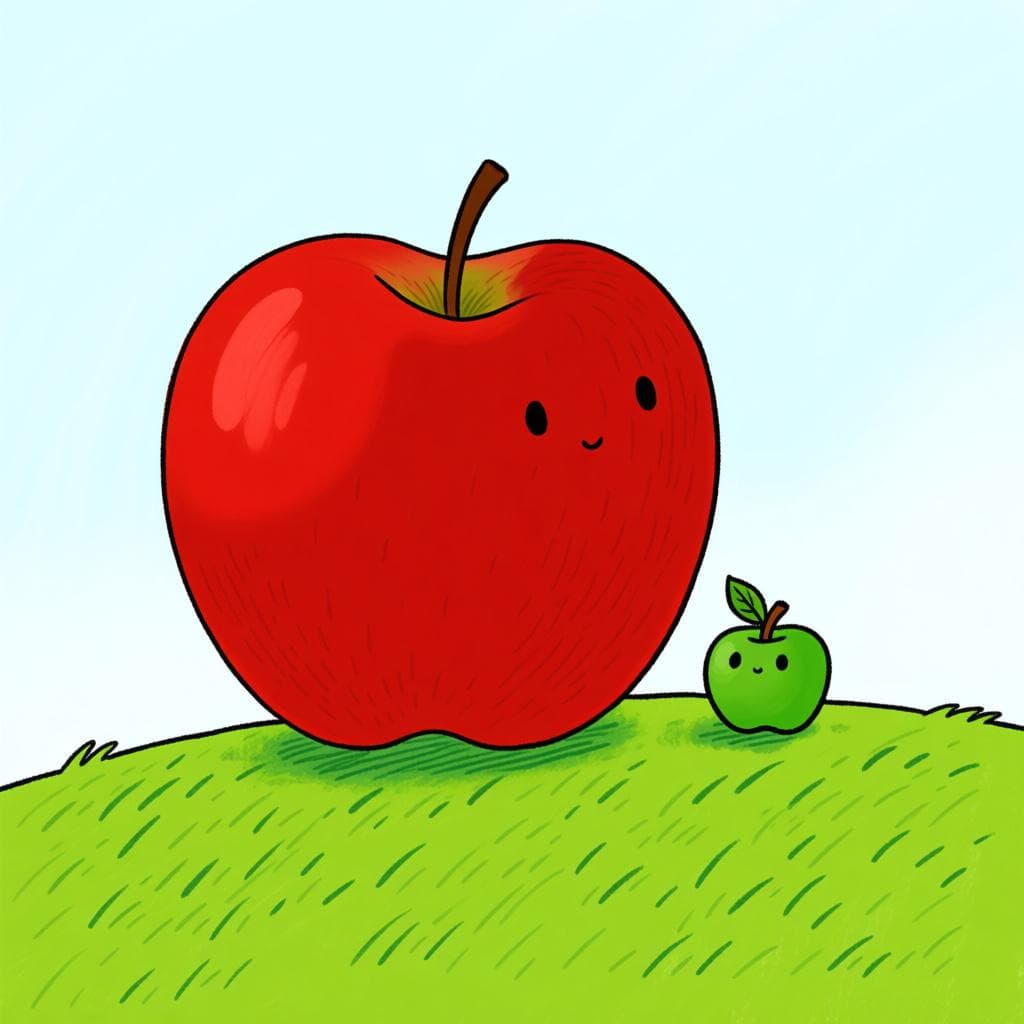
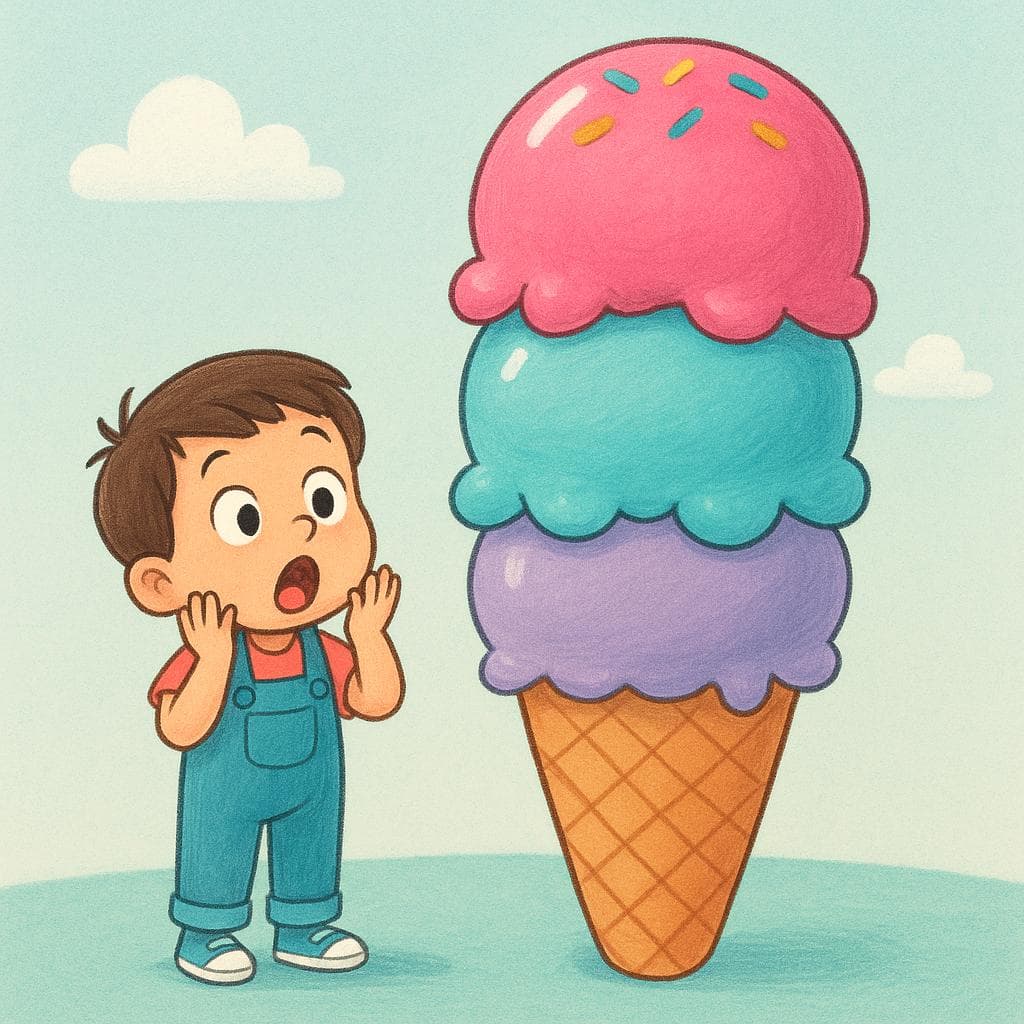
The most common Spanish word for “big” is “grande” — use 'grande' for general descriptions of size, indicating something is large in physical dimensions.


grande
GRAHN-dehˈɡɾande
Examples
Mi casa es muy grande.
My house is very big.
Necesito una talla más grande, por favor.
I need a larger size, please.
Es un hombre alto y grande.
He is a tall and big man.
Where to Place It
To talk about physical size, 'grande' almost always comes after the thing it's describing. For example, 'la casa grande' (the big house).
Always Stays the Same (for Gender)
'Grande' doesn't change for masculine or feminine things. It's 'el perro grande' (the big dog) and 'la gata grande' (the big cat).
Mixing up 'Big' and 'Long'
Mistake: “El Nilo es un río muy grande.”
Correction: El Nilo es un río muy largo. While the Nile is big, when you're talking about its length, 'largo' is the right word. Use 'grande' for overall size or volume.
gran
grahnɡɾan
Examples
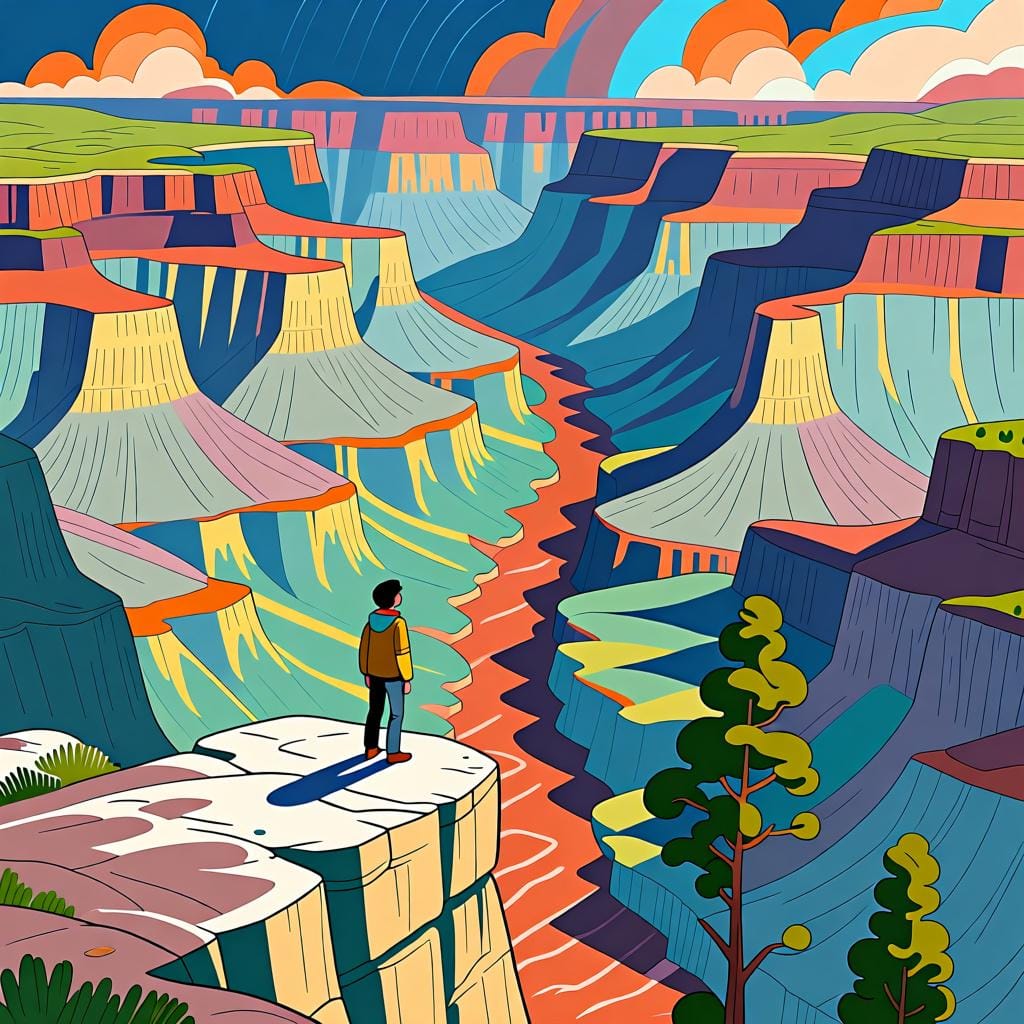
Es una gran idea.
It's a great idea.
Mi abuelo fue un gran hombre.
My grandfather was a great man.
Tuvimos una gran fiesta anoche.
We had a great party last night.
Always Before a Noun
'Gran' is the short version of 'grande' and it always goes before the thing it describes. For example, 'un gran libro' (a great book).
For Singular Nouns Only
You only use 'gran' with a single person or thing. For plural things, you use 'grandes', like 'grandes libros' (great books).
Same for Masculine and Feminine
'Gran' doesn't change for masculine or feminine things. You say 'un gran hombre' (a great man) and 'una gran mujer' (a great woman).
Using 'Gran' After a Noun
Mistake: “un hombre gran”
Correction: Say 'un gran hombre' or 'un hombre grande'. 'Gran' must come first.
Using 'Gran' for Plurals
Mistake: “dos gran problemas”
Correction: For more than one thing, use 'grandes'. Say 'dos grandes problemas'.
crecido
kreh-SEE-dohkɾeˈsiðo

Examples
¡Qué crecido está tu hijo! No lo reconocí.
How grown up your son is! I didn't recognize him.
Las plantas están muy crecidas gracias a la lluvia.
The plants are very big/tall thanks to the rain.
Adjective Agreement
Like all Spanish adjectives, 'crecido' must change its ending to match the noun it describes: 'crecida' (feminine singular), 'crecidos' (masculine plural), and 'crecidas' (feminine plural).
Confusing 'crecido' and 'grande'
Mistake: “Using 'crecido' only for general size when 'grande' is better.”
Correction: 'Crecido' usually emphasizes the *process* of growth or height, whereas 'grande' is general bigness. 'Una casa grande' (A big house) vs. 'Un niño crecido' (A grown-up child).
gordo
GOR-doh (like 'gore' then 'dough')ˈɡoɾðo

Examples
Compré un libro muy gordo sobre historia de México.
I bought a very thick book about Mexican history.
La cuerda era demasiado gorda para ese agujero.
The rope was too thick for that hole.
Comparing Thickness
'Gordo' is the standard word for describing depth or thickness, especially when referring to things you can hold, like blankets, walls, or stacks of paper.
menudo
meh-NOO-dohmeˈnuðo
Examples
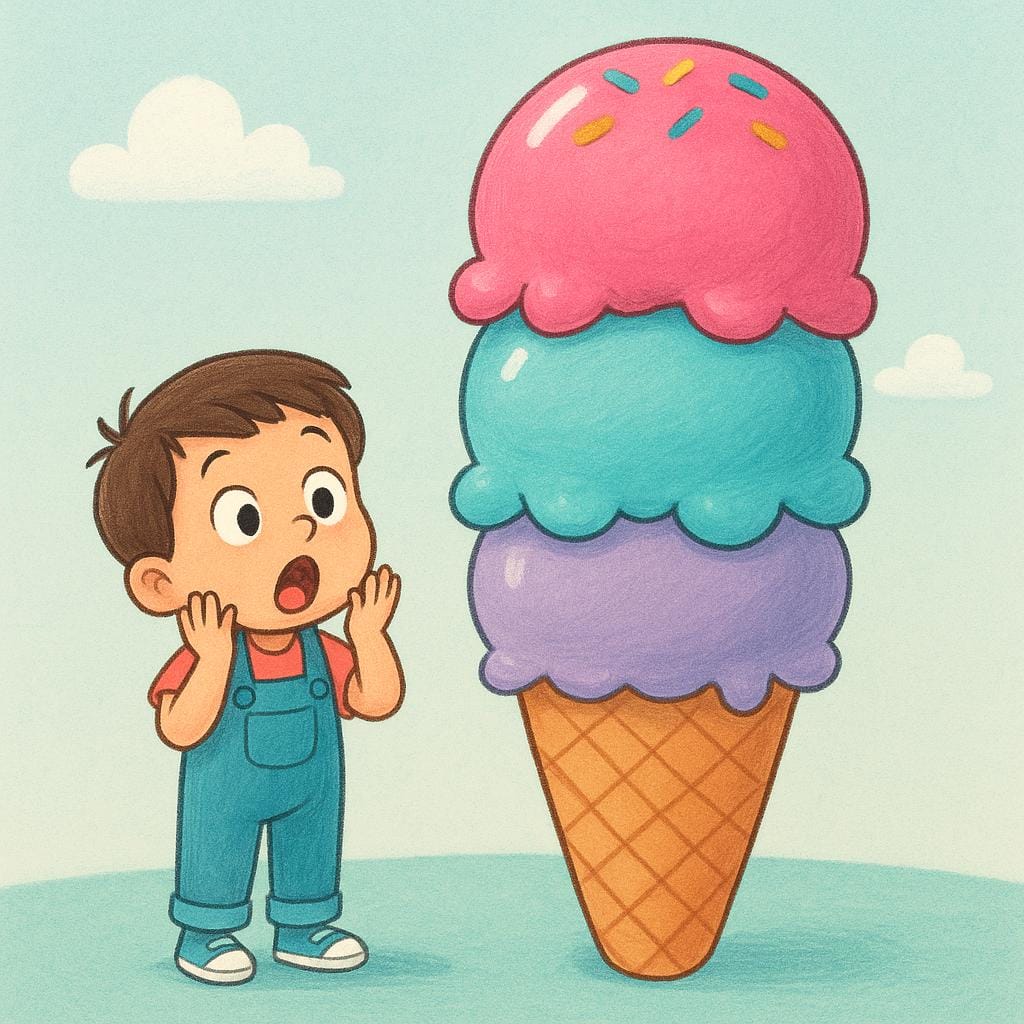
¡Menuda fiesta nos perdimos anoche!
What a party we missed last night!
Has encontrado un menudo tesoro en ese viejo libro.
You've found quite a treasure in that old book.
¡Menudo lío se ha armado!
What a mess has been made!
Irony and Emphasis
This meaning is often used ironically, where 'menudo' (small) actually means 'big' or 'important' to express surprise, shock, or admiration. It usually appears right before the noun in an exclamation.
Confusing Size vs. Quality
Mistake: “Using '¡Qué problema tan menudo!' when you mean 'What a huge problem!'”
Correction: Use '¡Menudo problema!' The structure itself carries the meaning of 'big' or 'significant,' so don't try to add 'tan' or 'qué' unnecessarily.
Grande vs. Gran
Learn Spanish with Inklingo
Interactive stories, personalized learning, and more.