How to Say "tall" in Spanish
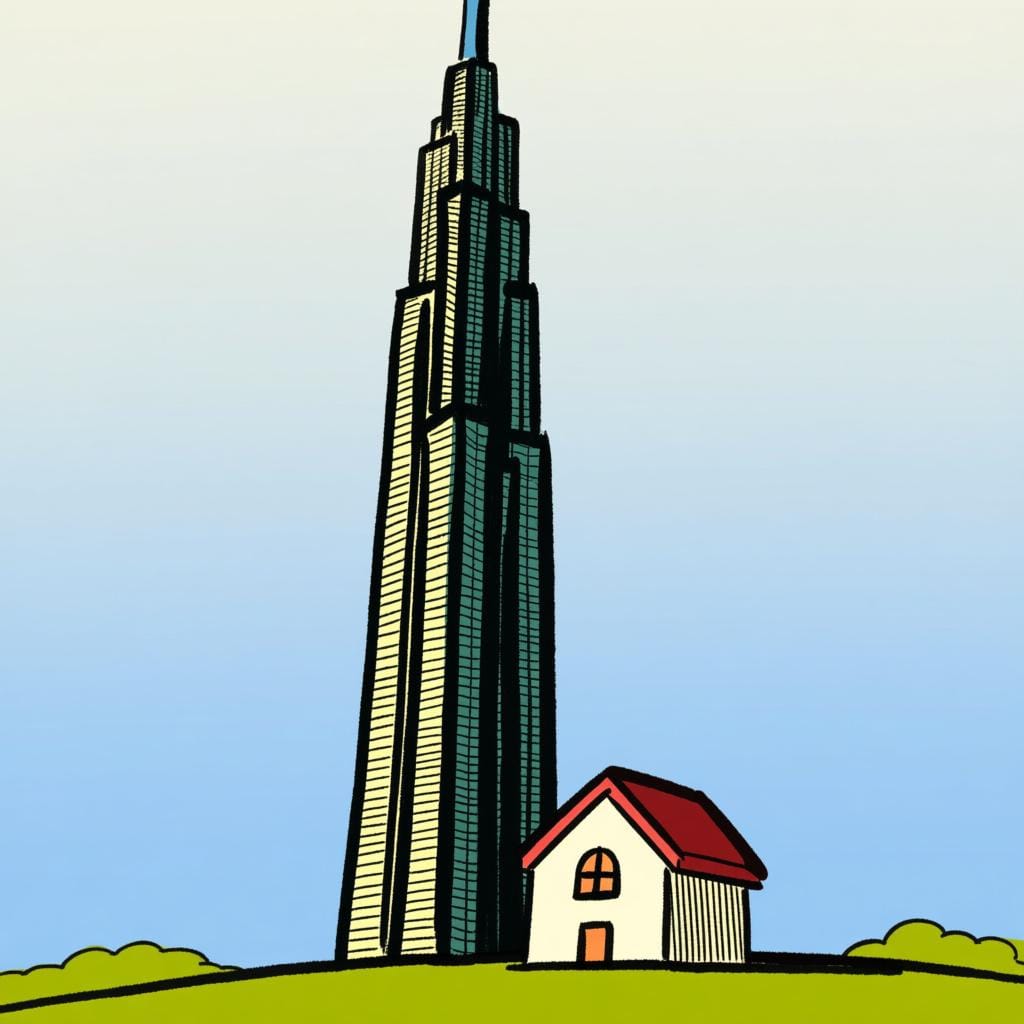
The most common Spanish word for “tall” is “alto” — use 'alto' when referring to the general height of people, animals, trees, buildings, or objects.
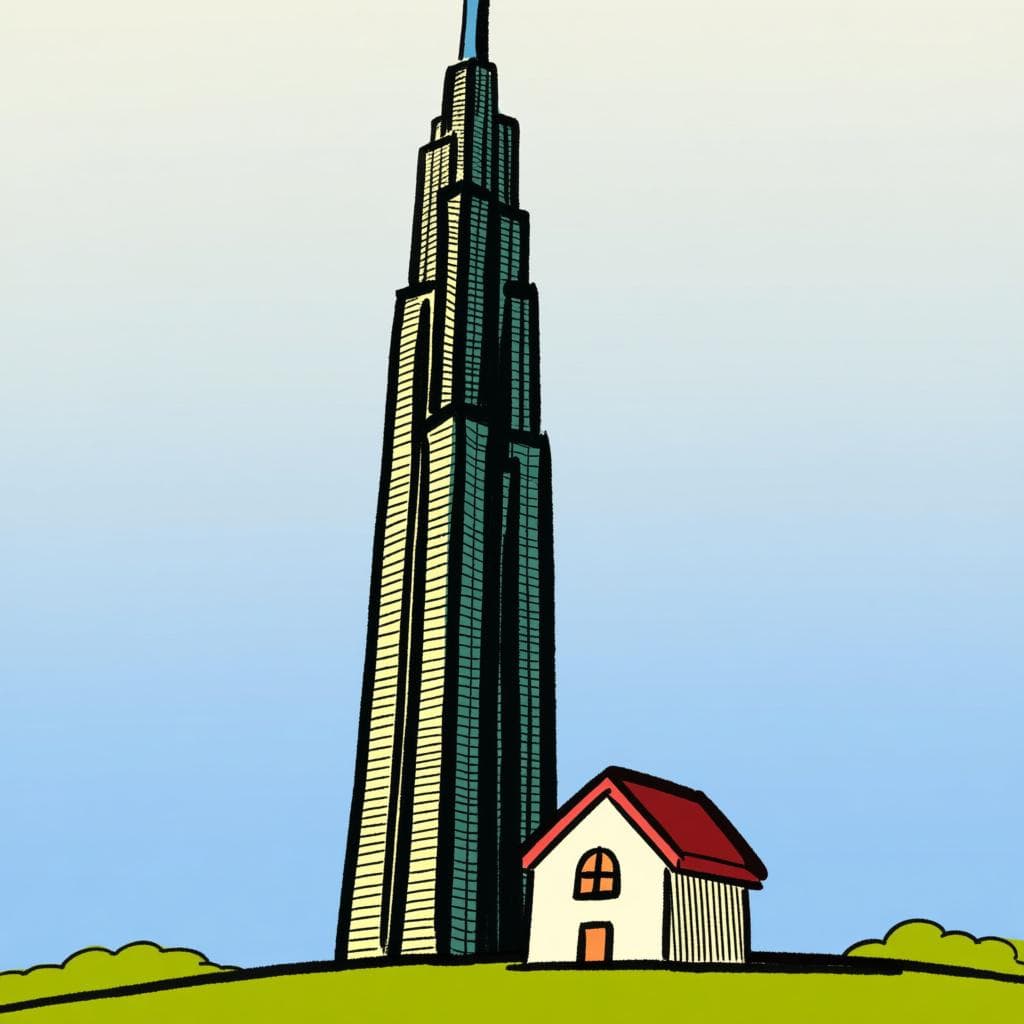


alto
al-tohˈalto
Examples
Mi hermano es muy alto.
My brother is very tall.
La montaña es muy alta.
The mountain is very high.
Puso el libro en el estante más alto.
She put the book on the highest shelf.
Matching the Noun
Like most describing words in Spanish, 'alto' changes to match the person or thing it describes. Use 'alto' for masculine things ('el edificio alto') and 'alta' for feminine things ('la chica alta').
Ser vs. Estar with 'alto'
Use 'ser' for permanent height ('Él es alto' - He is a tall person). Use 'estar' for temporary or relative height ('La marea está alta' - The tide is high right now).
Tall vs. Long
Mistake: “El río es muy alto.”
Correction: El río es muy largo. Use 'alto' for vertical height (up and down) and 'largo' for horizontal length (side to side).
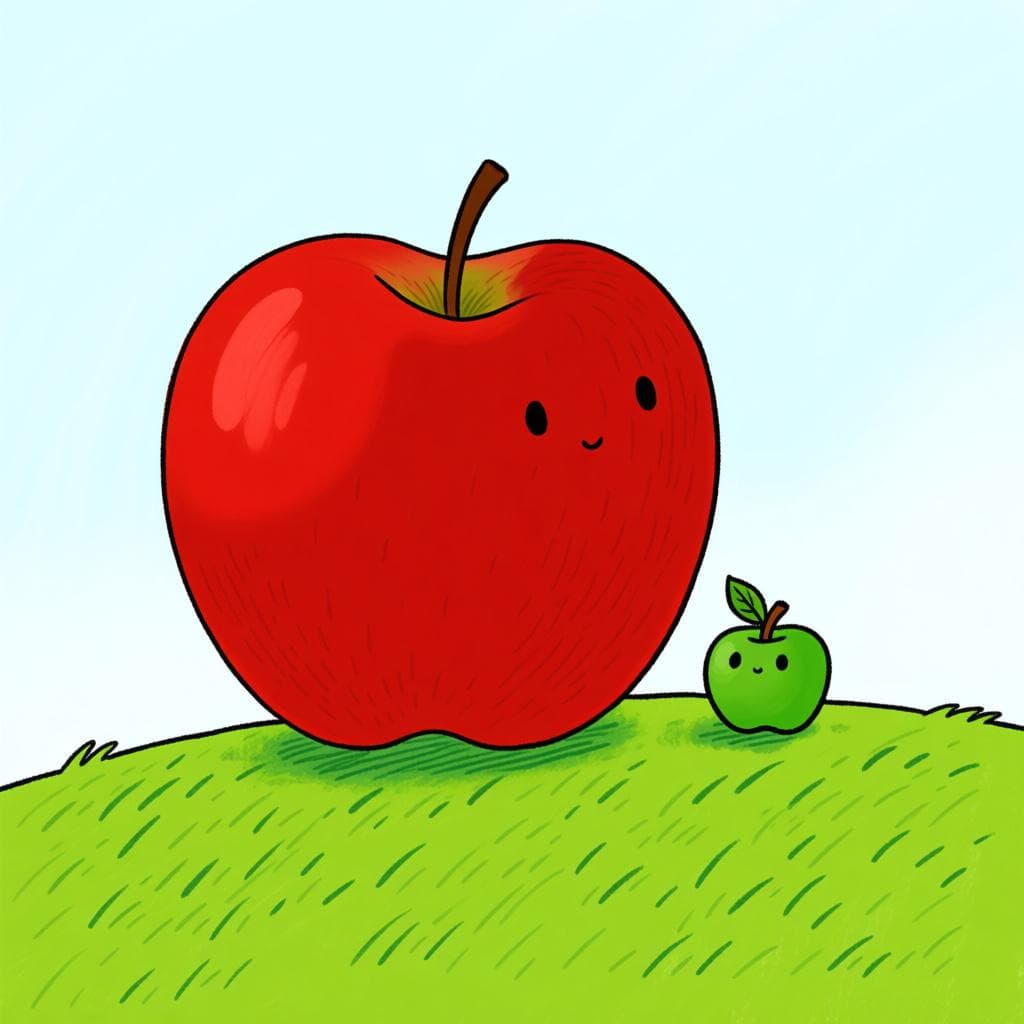
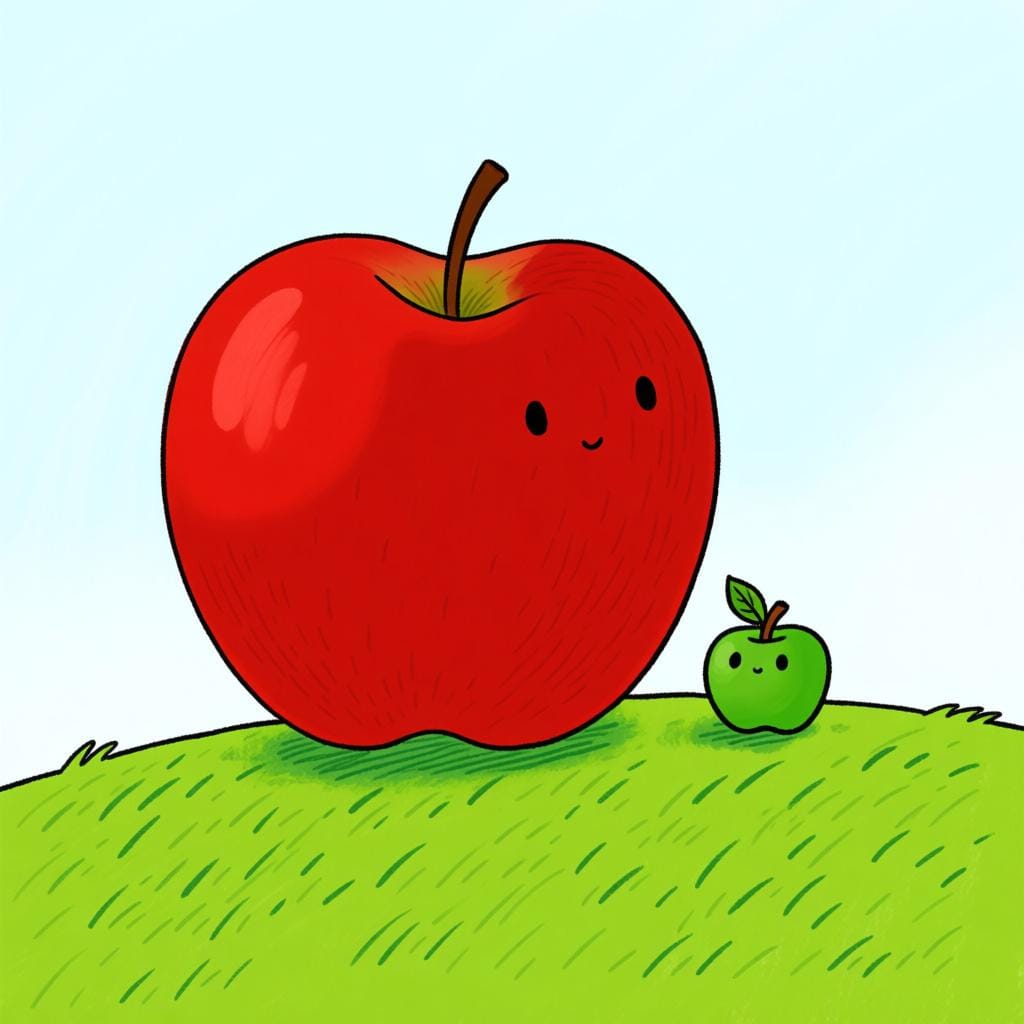
grande
GRAHN-dehˈɡɾande
Examples
Mi casa es muy grande.
My house is very big.
Necesito una talla más grande, por favor.
I need a larger size, please.
Es un hombre alto y grande.
He is a tall and big man.
Where to Place It
To talk about physical size, 'grande' almost always comes after the thing it's describing. For example, 'la casa grande' (the big house).
Always Stays the Same (for Gender)
'Grande' doesn't change for masculine or feminine things. It's 'el perro grande' (the big dog) and 'la gata grande' (the big cat).
Mixing up 'Big' and 'Long'
Mistake: “El Nilo es un río muy grande.”
Correction: El Nilo es un río muy largo. While the Nile is big, when you're talking about its length, 'largo' is the right word. Use 'grande' for overall size or volume.
crecido
kreh-SEE-dohkɾeˈsiðo

Examples
¡Qué crecido está tu hijo! No lo reconocí.
How grown up your son is! I didn't recognize him.
Las plantas están muy crecidas gracias a la lluvia.
The plants are very big/tall thanks to the rain.
Adjective Agreement
Like all Spanish adjectives, 'crecido' must change its ending to match the noun it describes: 'crecida' (feminine singular), 'crecidos' (masculine plural), and 'crecidas' (feminine plural).
Confusing 'crecido' and 'grande'
Mistake: “Using 'crecido' only for general size when 'grande' is better.”
Correction: 'Crecido' usually emphasizes the *process* of growth or height, whereas 'grande' is general bigness. 'Una casa grande' (A big house) vs. 'Un niño crecido' (A grown-up child).
larga
LAR-gahˈlaɾ.ɣa

Examples
Necesito una cuerda más larga para alcanzar el techo.
I need a longer rope to reach the ceiling.
Ella tiene una cabellera muy larga y brillante.
She has very long and shiny hair.
La mesa de la sala es demasiado larga para el espacio.
The living room table is too long for the space.
Gender Agreement
Remember that 'larga' is the feminine form. You must use it when describing feminine nouns (e.g., 'mesa,' 'playa,' 'vida'). For masculine nouns, use 'largo'.
Mixing Genders
Mistake: “La falda es largo.”
Correction: La falda es larga. The adjective must end in 'a' to match the feminine noun 'falda'.
Alto vs. Grande for Height
Learn Spanish with Inklingo
Interactive stories, personalized learning, and more.