crecido
“crecido” means “grown up” in Spanish. It has 3 different meanings depending on context:

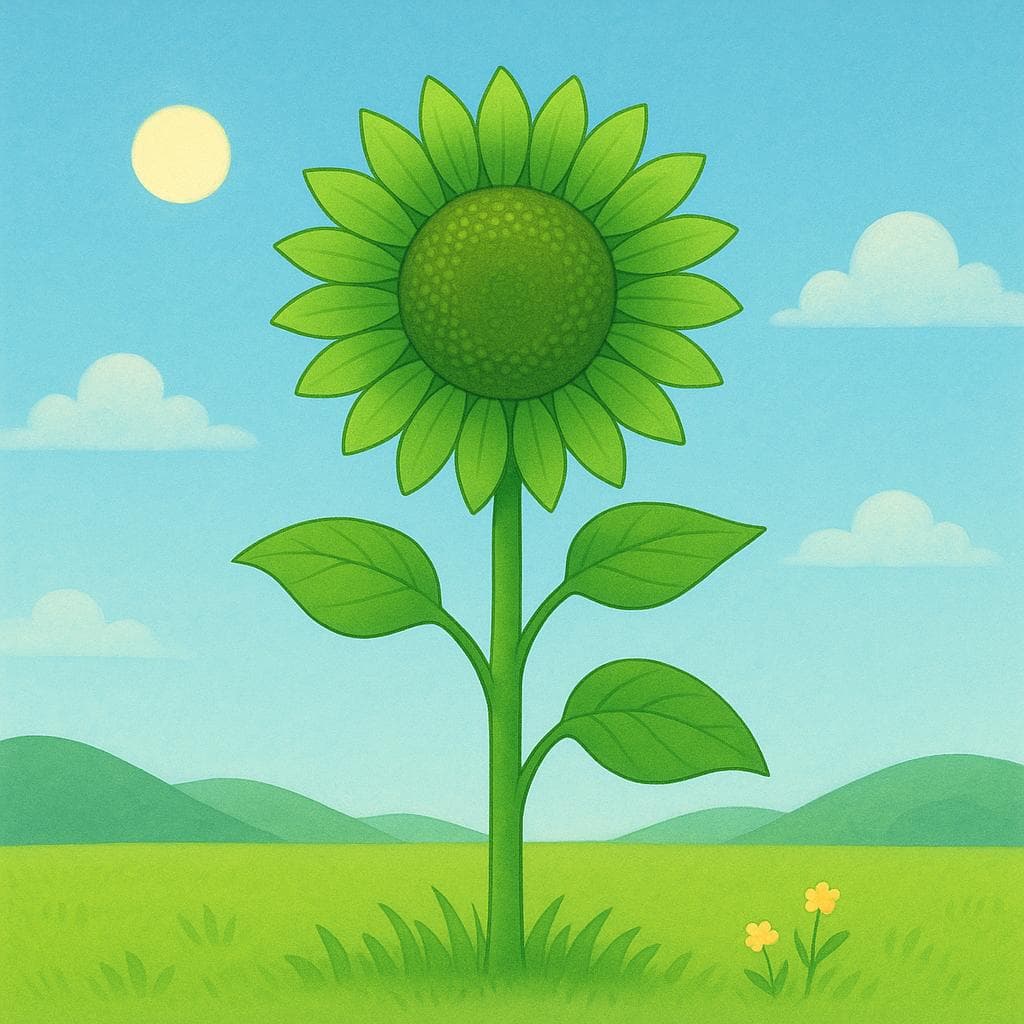
grown up, tallAlso: big, developed

📝 In Action
¡Qué crecido está tu hijo! No lo reconocí.
A2How grown up your son is! I didn't recognize him.
Las plantas están muy crecidas gracias a la lluvia.
B1The plants are very big/tall thanks to the rain.
Word Connections
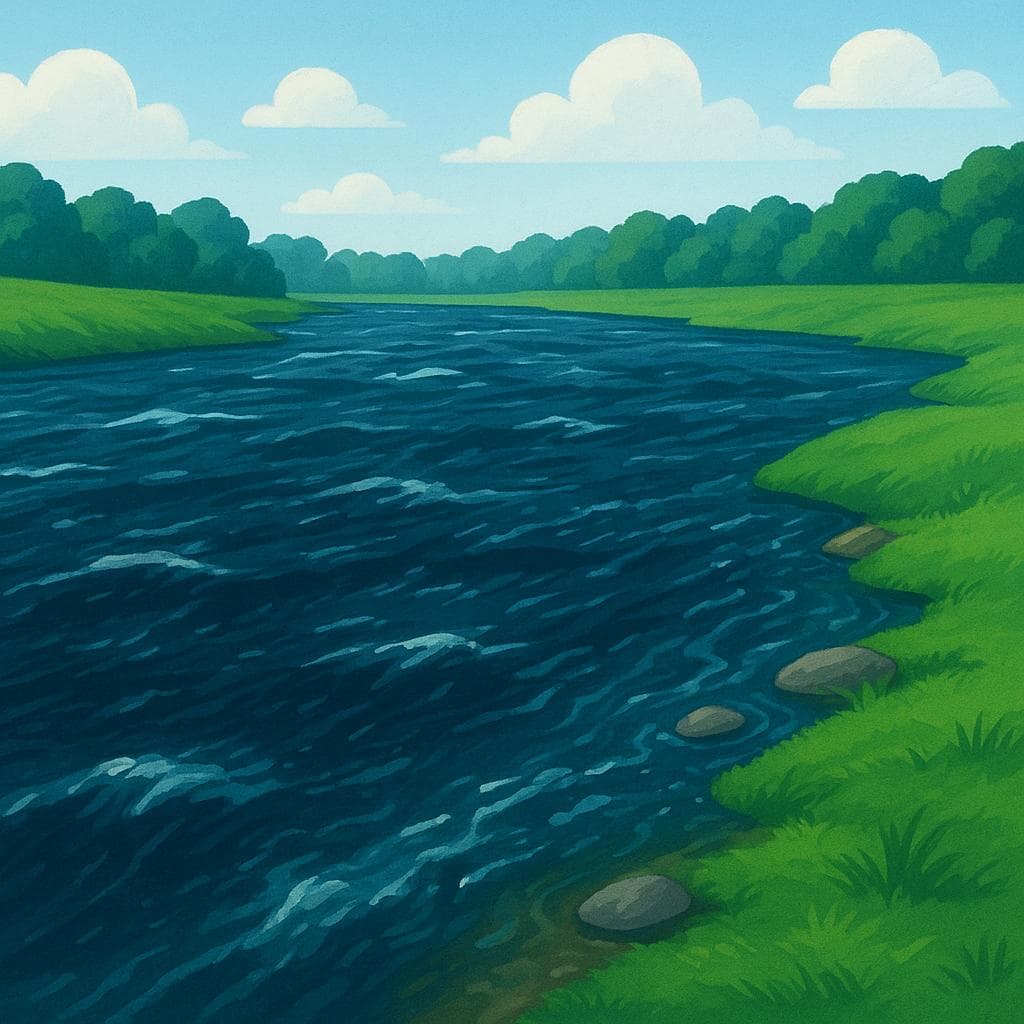
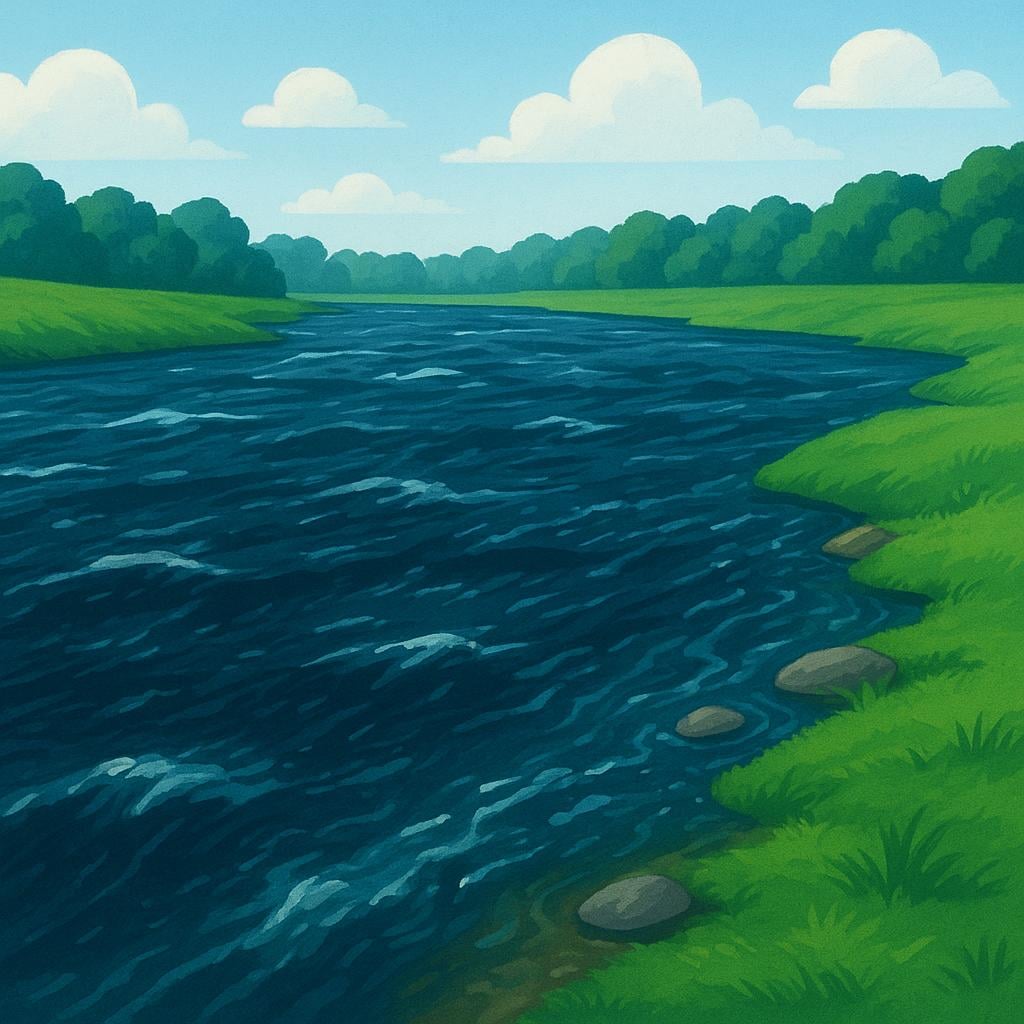
swollen, highAlso: flooded
📝 In Action
Tengan cuidado, el río está muy crecido y es peligroso cruzarlo.
B1Be careful, the river is very swollen/high and it's dangerous to cross it.
Después del deshielo, el arroyo siempre viene crecido.
C1After the thaw, the stream always comes high/swollen.
Word Connections
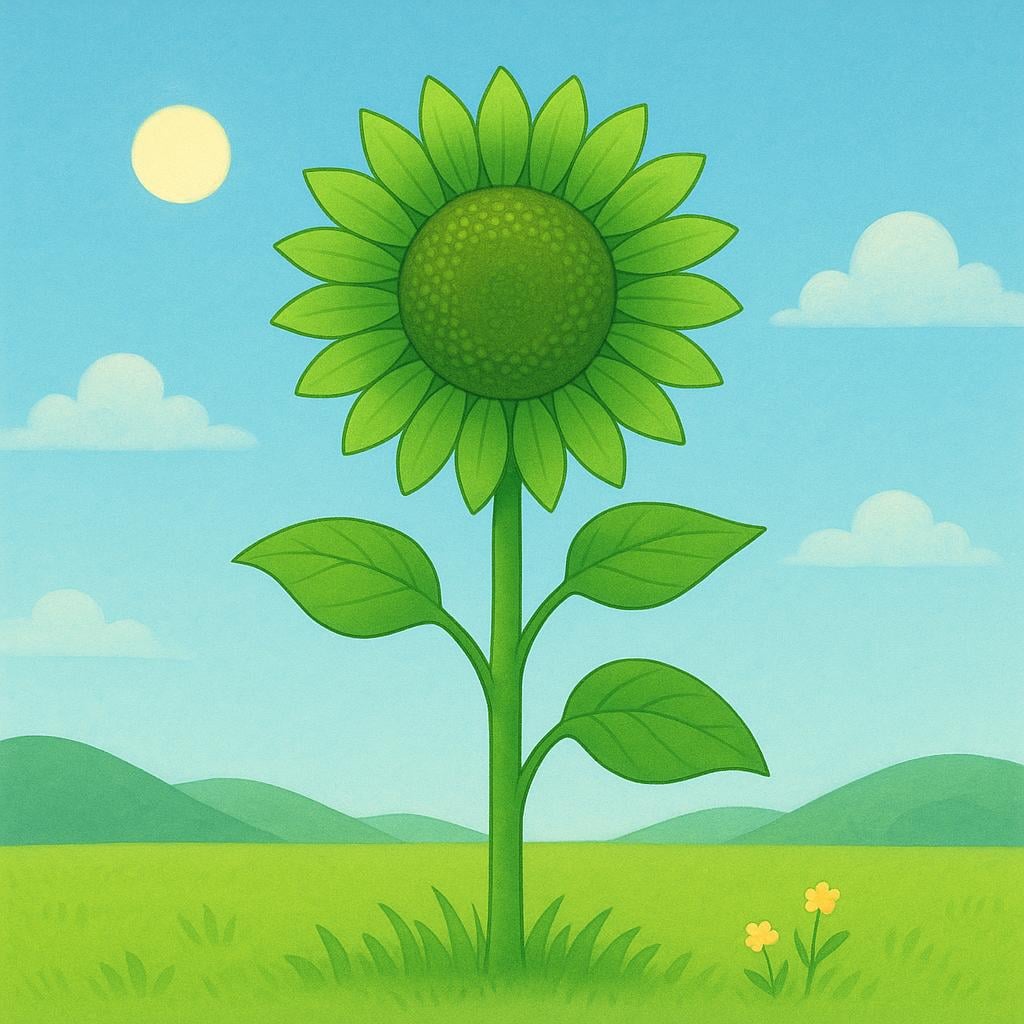
grownAlso: increased
📝 In Action
La población ha crecido mucho en los últimos diez años.
A2The population has grown a lot in the last ten years.
Nunca había crecido una planta tan rápido.
B1I had never grown a plant so fast.
Word Connections
Translate to Spanish
✏️ Quick Practice
Quick Quiz: crecido
Question 1 of 1
Which sentence uses 'crecida' as an adjective describing a high water level?
📚 More Resources
👥 Word Family
📚 Etymology
'Crecido' comes from the Latin verb *crescere*, meaning 'to spring forth' or 'to grow'. It shares roots with English words like 'crescent' and 'increase'.
First recorded: Medieval Latin
Cognates (Related words)
💡 Master Spanish
Take your Spanish to the next level. Read 200+ illustrated and narrated Spanish stories tailored to your level with the Inklingo app!
Frequently Asked Questions
When does 'crecido' change its ending, and when does it stay 'crecido'?
It changes its ending (crecida, crecidos, crecidas) when it is acting as a descriptive word (an adjective, like 'tall' or 'swollen'). It stays fixed as 'crecido' when it is used with the verb 'haber' to form compound tenses (like 'ha crecido' or 'they had grown').
Is 'crecido' the same as 'grande'?
Not exactly. 'Grande' means big in general. 'Crecido' specifically means 'grown' or 'having increased in size/volume,' emphasizing the process of becoming bigger. A child is 'crecido' (grown up), but a mountain is just 'grande' (big).