Inklingo

seco

/SEH-koh/

dry

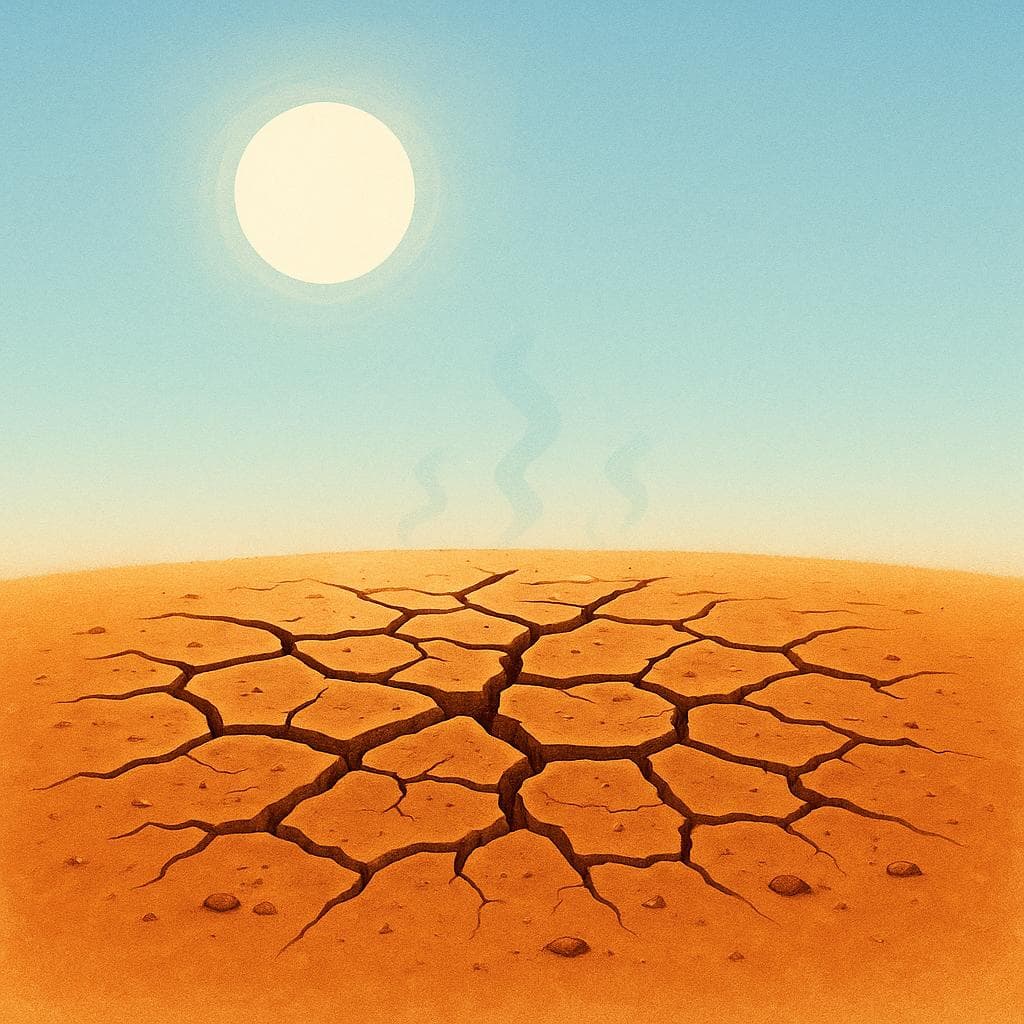
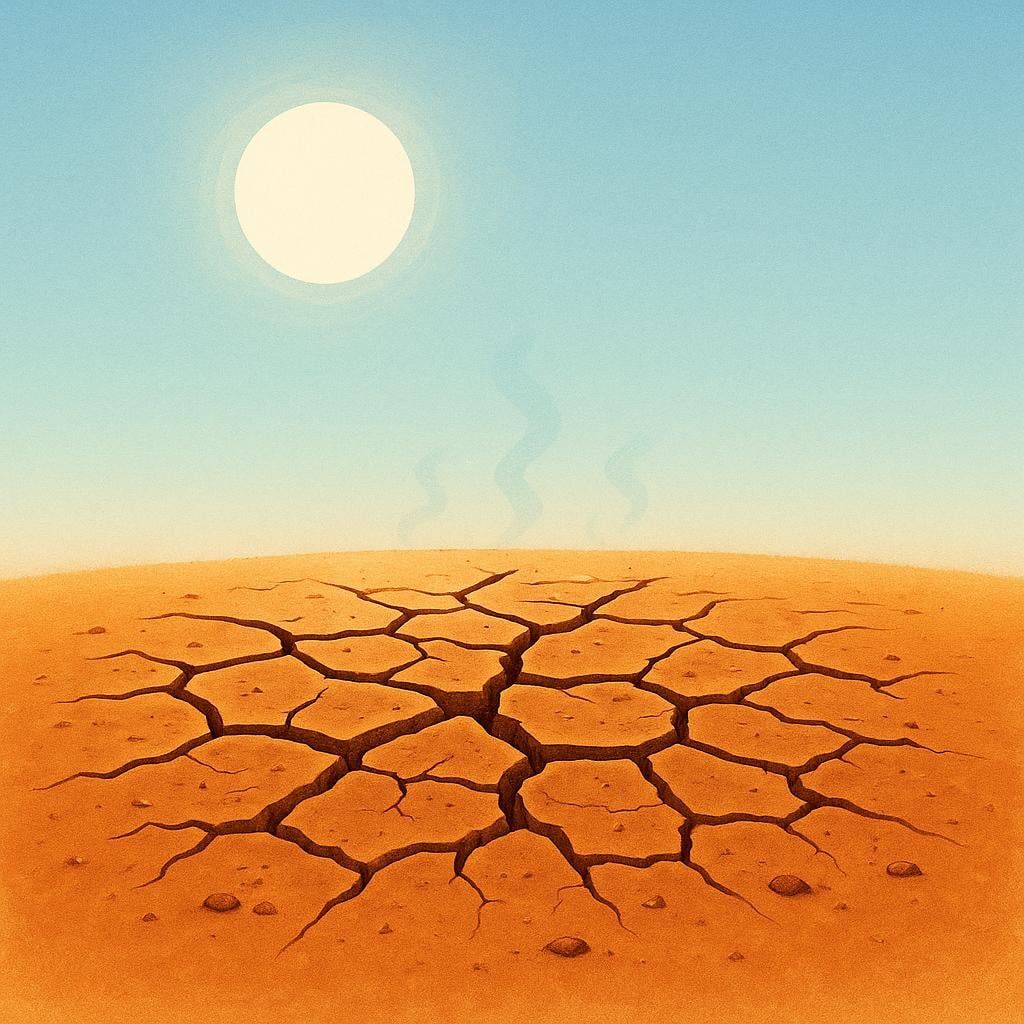
A close-up view of severely cracked, dry brown earth under a bright sun, symbolizing a lack of moisture.

Seco, meaning dry, as in lacking water or moisture.

seco(Adjective)

mA1

dry

?

lacking water or moisture

Also:

arid

?

climate or land

,

withered

?

plant life

📝 In Action

Necesito colgar la ropa para que se seque. Está toda mojada.

A1

I need to hang the clothes so they dry. They are all wet.

El desierto de Atacama es el lugar más seco del mundo.

A2

The Atacama Desert is the driest place in the world.

La toalla está seca, puedes usarla.

A1

The towel is dry, you can use it.

Word Connections

Synonyms

  • árido (arid)
  • deshidratado (dehydrated)

Antonyms

  • mojado (wet)
  • húmedo (humid)

Common Collocations

  • tiempo secodry weather
  • pelo secodry hair

Idioms & Expressions

  • quedarse secoto run out of money completely

💡 Grammar Points

Adjective Agreement

Remember 'seco' must match the thing it describes. Use 'seca' for feminine singular (la toalla seca), 'secos' for masculine plural (los zapatos secos), and 'secas' for feminine plural (las hojas secas).

❌ Common Pitfalls

Confusing 'ser' and 'estar'

Mistake: "El clima es seco. (Using 'es' for a temporary state)"

Correction: El clima está seco. (If referring to current conditions; use 'es' if referring to the permanent nature of the climate, e.g., 'El desierto es seco').

⭐ Usage Tips

Describing Land

When talking about land or climate, 'seco' is often used to mean 'arid' or 'drought-stricken,' especially in phrases like 'tierra seca'.

One figure sharply turns their back on a second person who looks surprised and slightly sad, illustrating an abrupt and curt dismissal.

Seco can describe a curt, abrupt, or rude manner.

seco(Adjective)

mB1

curt

?

rude, abrupt, or brief manner

,

cold

?

reserved or unfriendly personality

Also:

blunt

?

direct and unfeeling

📝 In Action

Su respuesta fue muy seca, casi ni me miró.

B1

His response was very curt; he barely even looked at me.

Es una persona muy seca; nunca sonríe.

B2

She is a very cold person; she never smiles.

Word Connections

Synonyms

  • frío (cold)
  • brusco (abrupt)

Antonyms

Common Collocations

  • tono secocurt tone
  • trato secocold treatment

💡 Grammar Points

Describing Personality

When describing someone's general personality as cold or reserved, you typically use 'ser': 'Ella es seca'. If you are describing a momentary action, like a reply, use 'fue': 'Su respuesta fue seca'.

⭐ Usage Tips

Tone and Manner

This meaning is often used with words like 'tono' (tone), 'trato' (treatment), or 'manera' (manner) to describe a lack of warmth or emotion.

A simple, elegant crystal wine glass filled with deep red wine, emphasizing the concept of a dry taste.

This glass of red wine is seco, meaning it is not sweet.

seco(Adjective)

mB2

dry

?

of wine or cider, not sweet

Also:

unsweetened

?

of food or drinks

📝 In Action

Quiero una copa de cava, pero tiene que ser brut seco.

B2

I want a glass of sparkling wine, but it must be brut dry.

El pastel estaba demasiado seco, le faltaba crema.

B1

The cake was too dry; it lacked cream.

Word Connections

Synonyms

  • brut (brut (very dry))
  • áspero (harsh/rough (taste))

Antonyms

  • dulce (sweet)
  • semidulce (semi-sweet)

Common Collocations

  • vino secodry wine
  • corte secodry cut (of meat)

💡 Grammar Points

Taste vs. Texture

When describing wine, 'seco' means it lacks sugar (taste). When describing baked goods (like bread or cake), it means it lacks moisture (texture).

⭐ Usage Tips

Ordering Drinks

If you are ordering wine, specifying 'seco' ensures you get a beverage that is not sweet. If you want something extremely dry, you can use 'extra seco'.

✏️ Quick Practice

💡 Quick Quiz: seco

Question 1 of 1

Which sentence uses 'seco' to describe a personality trait?

📚 More Resources

Word Family

Frequently Asked Questions

How do I say 'to dry' using the root of 'seco'?

The corresponding verb is 'secar' (to dry). You would use it like: 'Voy a secar los platos' (I am going to dry the dishes).

Is 'seco' always used with 'estar' or 'ser'?

'Seco' is an adjective, so it is used with both. Use 'ser' for permanent characteristics (El clima de mi ciudad es seco) and 'estar' for temporary states (Mi garganta está seca).