How to Say "grown" in Spanish
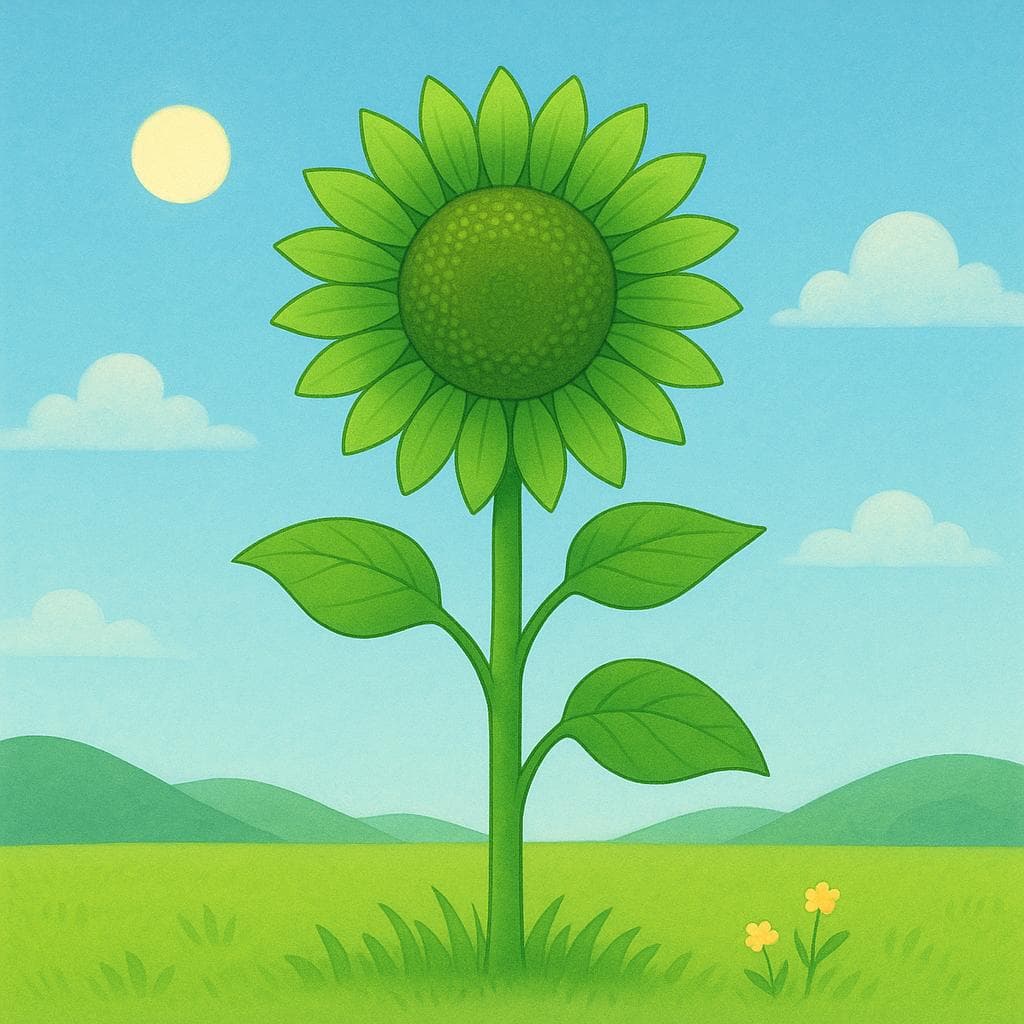
The most common Spanish word for “grown” is “crecido” — use 'crecido' when talking about something that has increased in size, number, or intensity, like a population or a child, or when referring to something that has matured.
crecido
kreh-SEE-dohkɾeˈsiðo
Examples
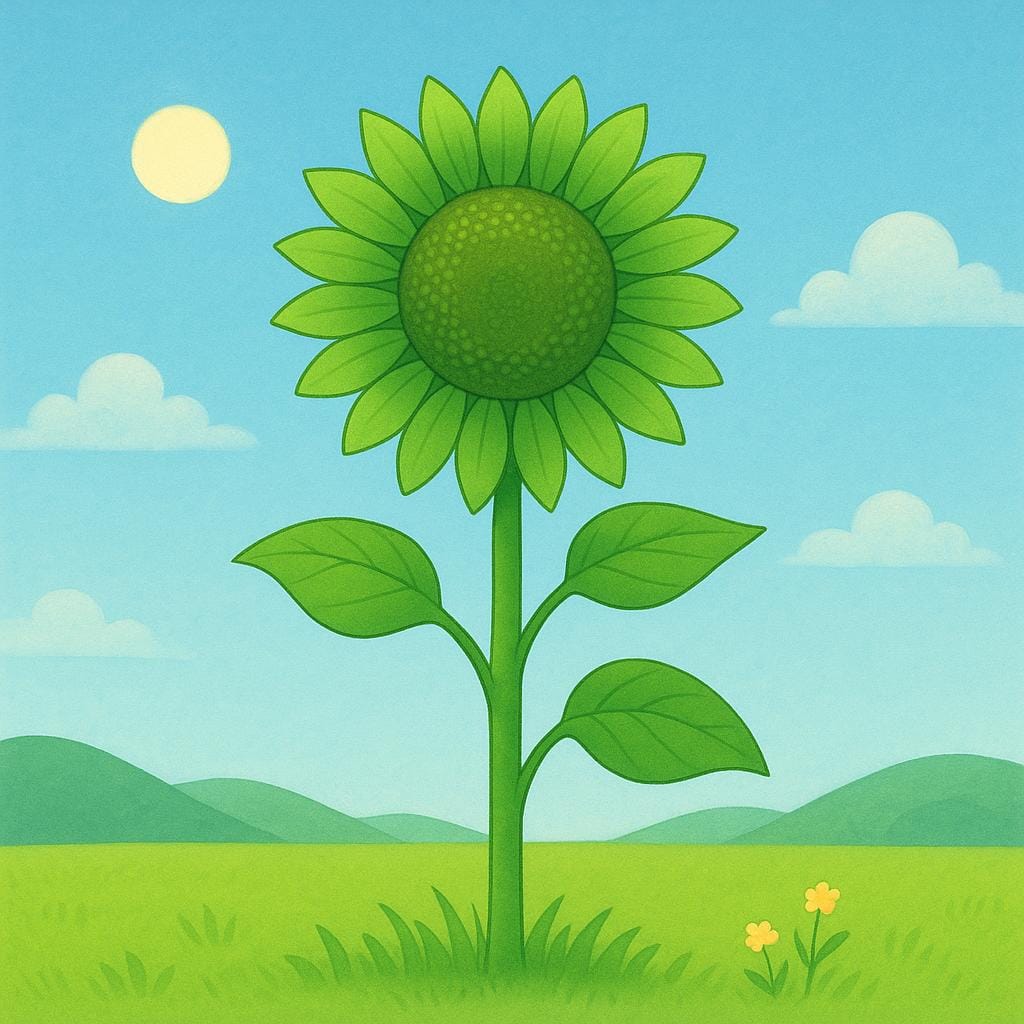
La planta ha crecido mucho desde que la compramos.
The plant has grown a lot since we bought it.
La población ha crecido mucho en los últimos diez años.
The population has grown a lot in the last ten years.
Nunca había crecido una planta tan rápido.
I had never grown a plant so fast.
Forming Perfect Tenses
The form 'crecido' is used with the verb 'haber' (to have) to create perfect tenses, which talk about completed actions. For example, 'ha crecido' means 'it has grown'.
It Stays Fixed
Unlike when 'crecido' is used as an adjective, when it is used as part of a verb phrase (with 'haber'), it always stays in the masculine singular form ('crecido').
Changing the Ending with 'Haber'
Mistake: “La población ha crecida mucho.”
Correction: La población ha crecido mucho. (The ending only changes when 'crecido' is acting as a descriptive adjective, not as a verb form.)
cultivado
kool-tee-BAH-dohkultiˈβaðo
Examples
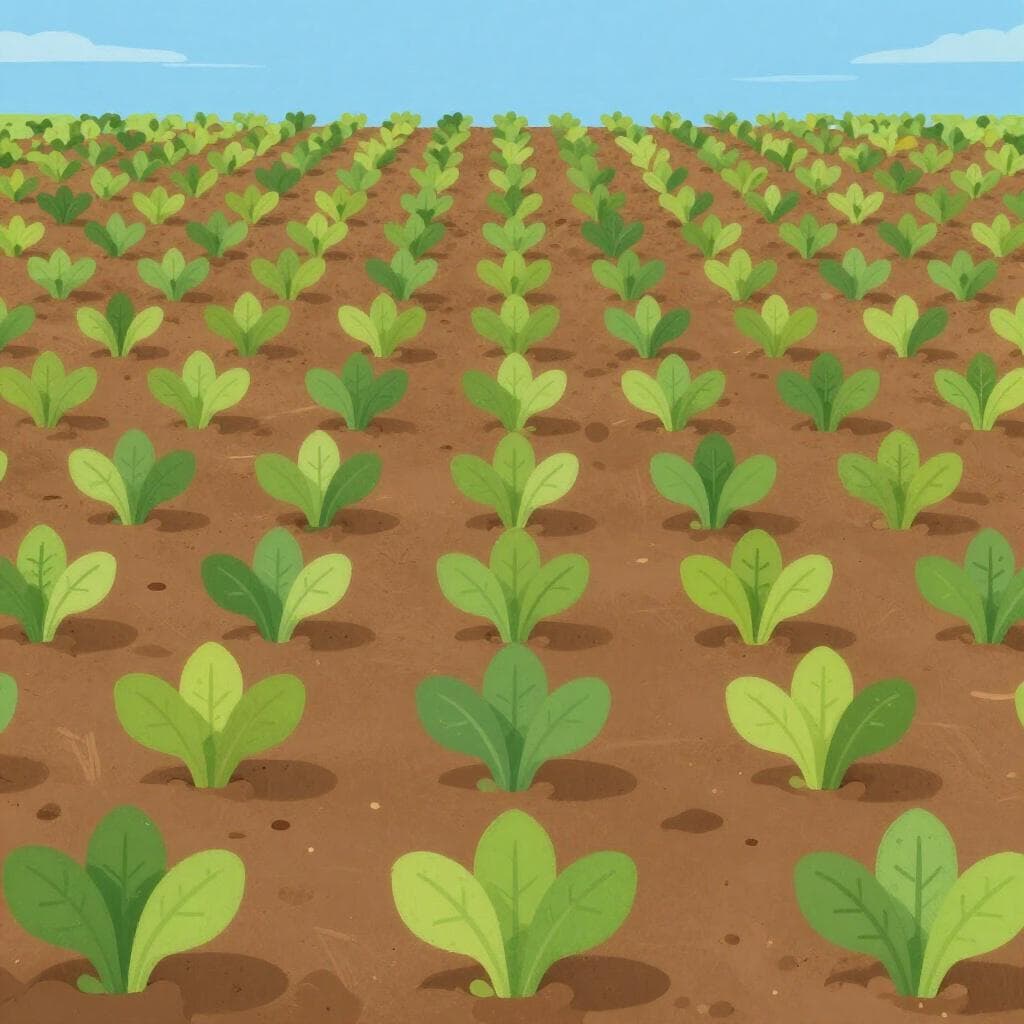
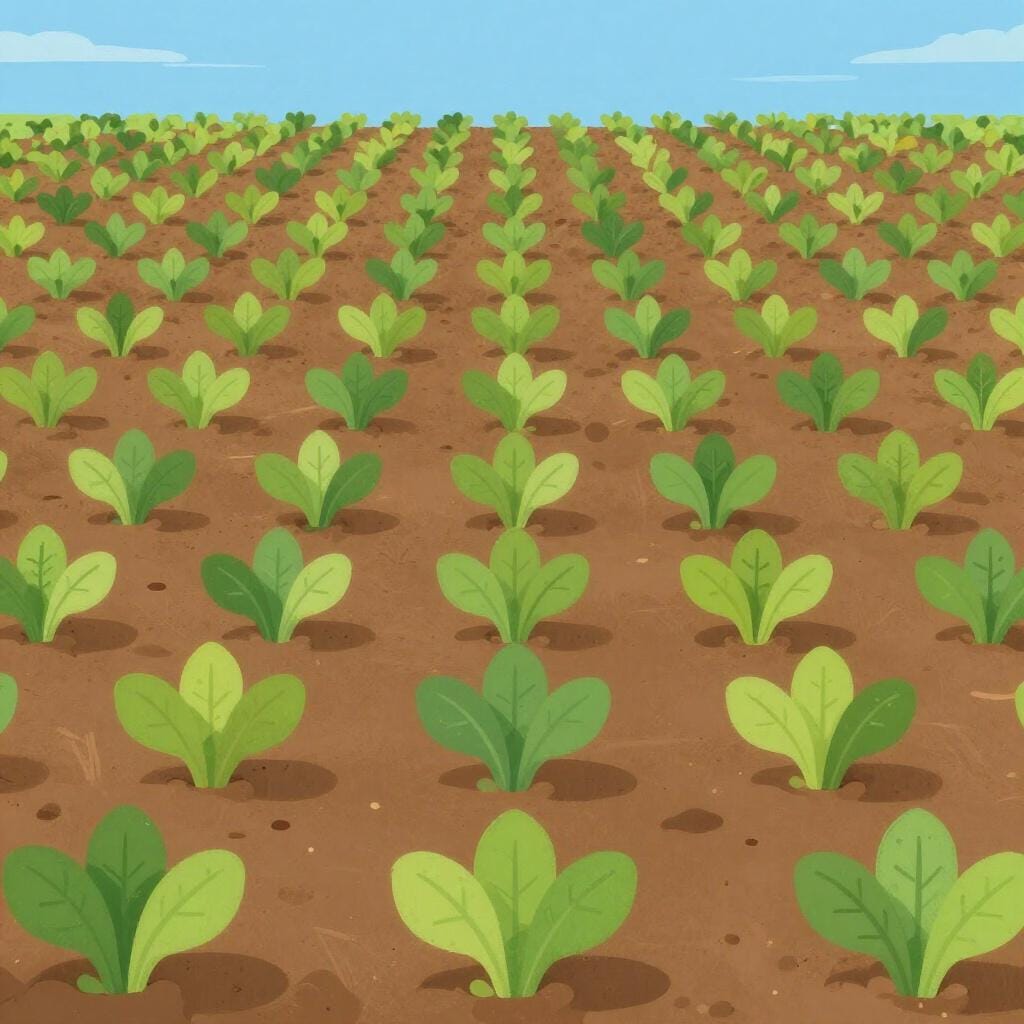
Este año, el trigo cultivado en esta región es de excelente calidad.
This year, the wheat cultivated in this region is of excellent quality.
Este campo ya está cultivado con maíz.
This field is already cultivated with corn.
Prefiero las perlas naturales a las cultivadas.
I prefer natural pearls over cultured (farmed) ones.
Hay muchas hectáreas cultivadas en esta región.
There are many cultivated hectares in this region.
Describing Status
When describing land that is currently being worked on, use the verb 'estar' (to be) because it describes the current state of the field.
The 'Done' form
When used after the word 'haber' (he, has, ha...), 'cultivado' never changes its ending. It always ends in -o.
Natural vs. Cultivated
Mistake: “Using 'cultivado' for wild plants.”
Correction: Only use 'cultivado' for things humans have helped grow. For nature on its own, use 'silvestre' or 'salvaje'.
cultivado
kool-tee-BAH-dohkultiˈβaðo
Examples
Ellos han cultivado tomates en su huerto por generaciones.
They have grown tomatoes in their garden for generations.
Este campo ya está cultivado con maíz.
This field is already cultivated with corn.
Prefiero las perlas naturales a las cultivadas.
I prefer natural pearls over cultured (farmed) ones.
Hay muchas hectáreas cultivadas en esta región.
There are many cultivated hectares in this region.
Describing Status
When describing land that is currently being worked on, use the verb 'estar' (to be) because it describes the current state of the field.
The 'Done' form
When used after the word 'haber' (he, has, ha...), 'cultivado' never changes its ending. It always ends in -o.
Natural vs. Cultivated
Mistake: “Using 'cultivado' for wild plants.”
Correction: Only use 'cultivado' for things humans have helped grow. For nature on its own, use 'silvestre' or 'salvaje'.
Natural Growth vs. Farming
Related Translations
Learn Spanish with Inklingo
Interactive stories, personalized learning, and more.