queso
“queso” means “cheese” in Spanish (dairy product).
cheese
Also: block of cheese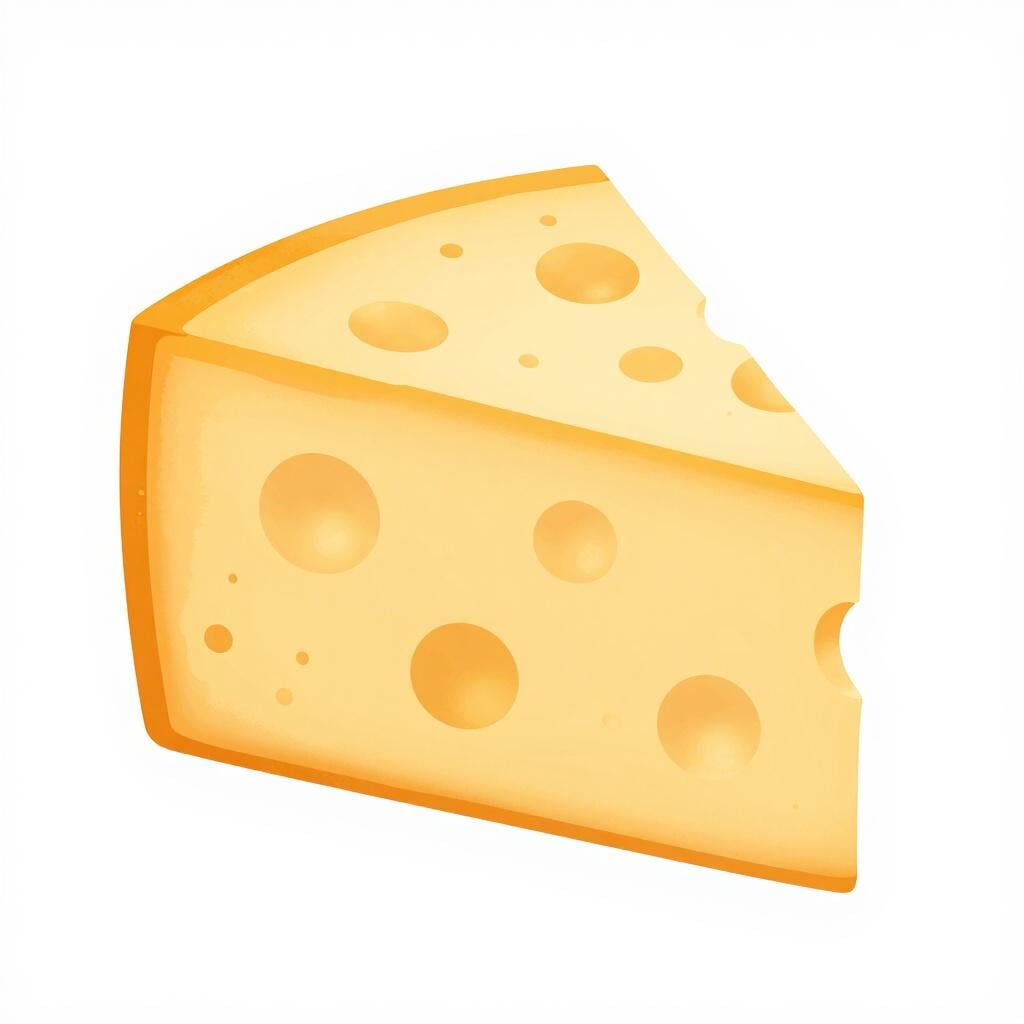
📝 In Action
Quiero una hamburguesa con mucho queso, por favor.
A1I want a hamburger with a lot of cheese, please.
El queso manchego es mi favorito para picar.
A2Manchego cheese is my favorite for snacking.
¿Dónde guardaste el queso que compramos ayer?
A1Where did you put the cheese we bought yesterday?
Translate to Spanish
Words that translate to "queso" in Spanish:
cheese→🗣️ Practice in a Tongue Twister
✏️ Quick Practice
Quick Quiz: queso
Question 1 of 1
Which sentence correctly uses the adjective 'fresco' (fresh) with 'queso'?
📚 More Resources
👥 Word Family▼
📚 Etymology▼
The word comes directly from the Latin word *cāseus*, which meant 'cheese.' This Latin root is also related to the English word 'casein' (the main protein in milk).
First recorded: Before 1000 AD (in early forms of Spanish)
Cognates (Related words)
💡 Master Spanish
Take your Spanish to the next level. Read 200+ illustrated and narrated Spanish stories tailored to your level with the Inklingo app!
Frequently Asked Questions
How do I ask for different types of cheese in Spanish?
You simply add the type after the word 'queso'. For example: *queso de cabra* (goat cheese), *queso azul* (blue cheese), *queso de oveja* (sheep cheese), or *queso curado* (aged cheese).
Is 'queso' ever used in a figurative or slang way?
Yes, in certain regions like Mexico, calling someone 'un queso' is slang for saying they are very attractive, though this is not common everywhere.