asentamiento
“asentamiento” means “settlement” in Spanish. It has 2 different meanings depending on context:
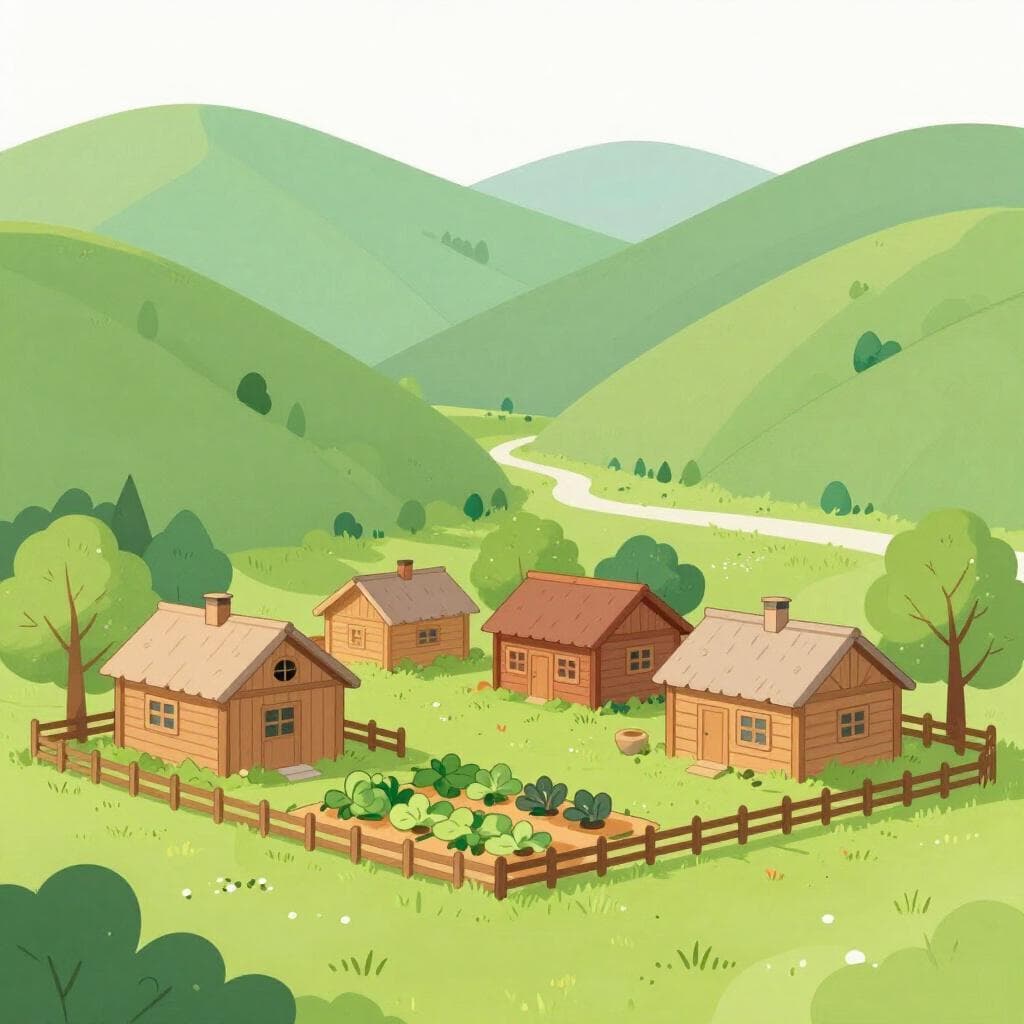
settlement
Also: colony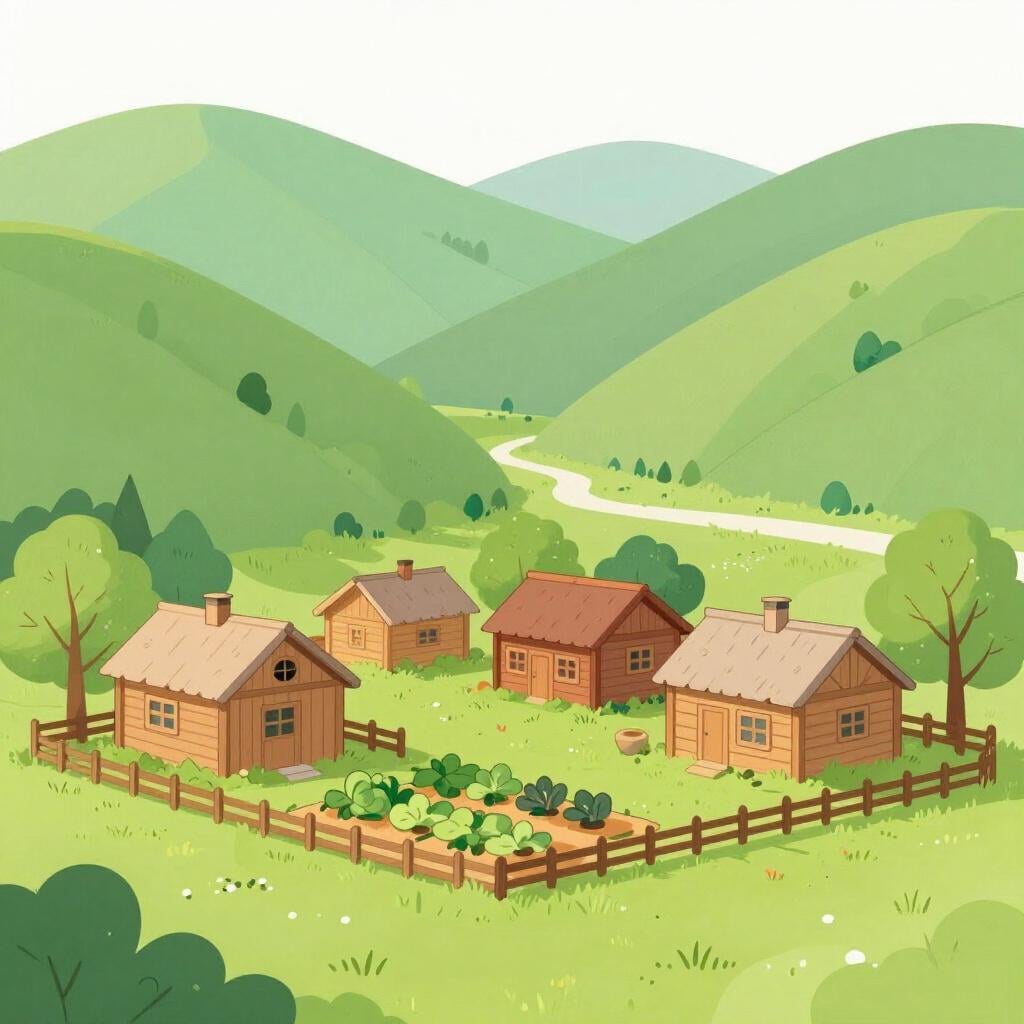
📝 In Action
Los arqueólogos descubrieron un antiguo asentamiento romano.
B1Archaeologists discovered an ancient Roman settlement.
El gobierno está mejorando los servicios en el asentamiento.
B2The government is improving services in the settlement.
Muchos asentamientos se formaron cerca del río.
A2Many settlements were formed near the river.
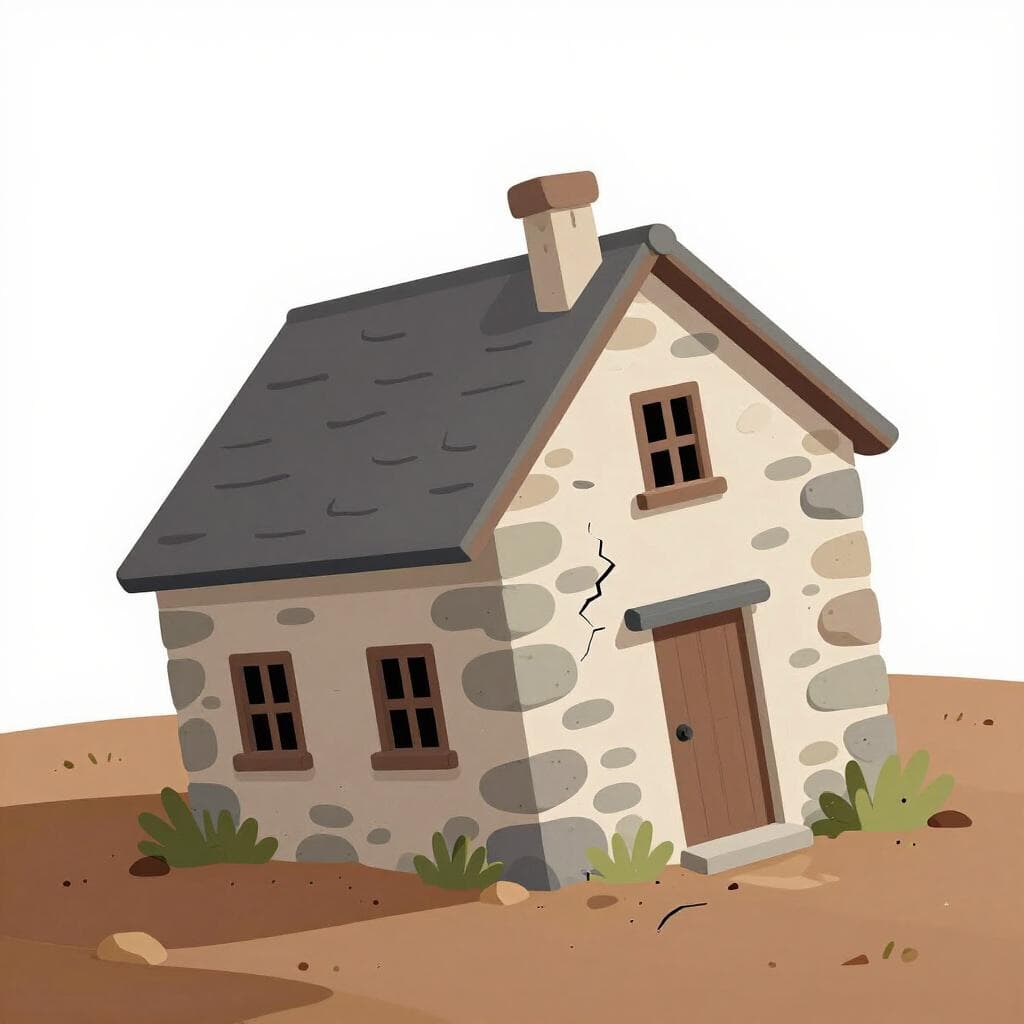
settling
Also: subsidence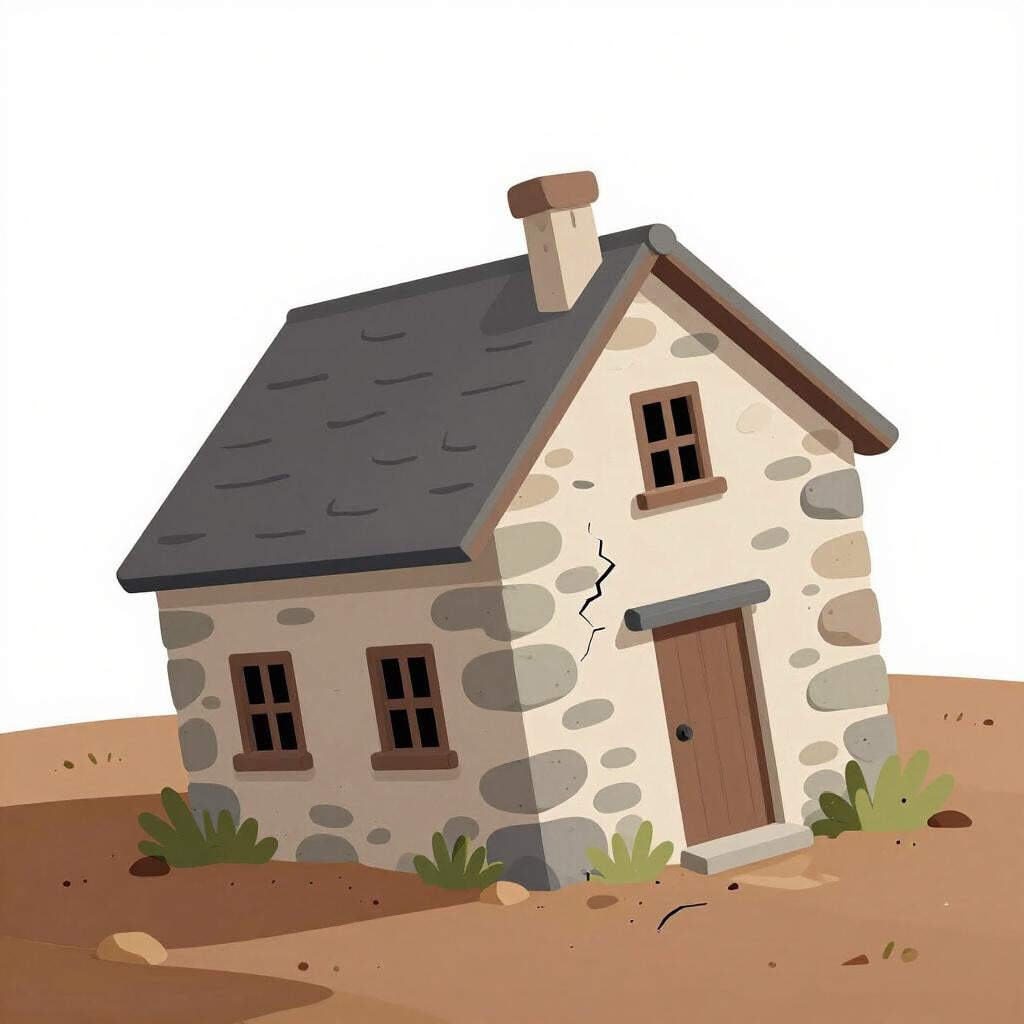
📝 In Action
La casa tiene grietas por el asentamiento del terreno.
C1The house has cracks due to the settling of the ground.
El ingeniero midió el asentamiento de la estructura.
C2The engineer measured the settling of the structure.
Es normal un pequeño asentamiento después de la construcción.
B2A small amount of settling is normal after construction.
Translate to Spanish
✏️ Quick Practice
Quick Quiz: asentamiento
Question 1 of 3
What does 'un asentamiento humano' mean?
📚 More Resources
👥 Word Family▼
🎵 Rhymes▼
📚 Etymology▼
From the Spanish verb 'asentar' (to settle), which comes from the Latin 'sedentare' (to sit). The suffix '-miento' was added to turn the action into a noun.
First recorded: 13th century
Cognates (Related words)
💡 Master Spanish
Take your Spanish to the next level. Read 200+ illustrated and narrated Spanish stories tailored to your level with the Inklingo app!
Frequently Asked Questions
Is 'asentamiento' the same as 'ciudad'?
Not exactly. A 'ciudad' (city) is a large, established urban area. An 'asentamiento' can be any size and often refers to a community that is just starting, is informal, or is being studied historically.
Does this word have a plural form?
Yes! Just add an 's' to make it 'asentamientos' (settlements).
Is it a formal word?
It is neutral to formal. You will hear it in news reports, history books, and architecture, but you might not use it in a casual conversation about your neighborhood.