pensamiento
“pensamiento” means “thought” in Spanish. It has 3 different meanings depending on context:


thought, thinking

📝 In Action
El pensamiento humano es muy complejo.
B1Human thought is very complex.
La meditación ayuda a calmar el pensamiento.
A2Meditation helps calm the thinking process.
Word Connections
idea, opinionAlso: message

📝 In Action
¿Puedes compartir tu pensamiento sobre el nuevo plan?
B1Can you share your thoughts/opinion on the new plan?
Mi pensamiento es que deberíamos esperar hasta mañana.
B1My idea is that we should wait until tomorrow.
Word Connections
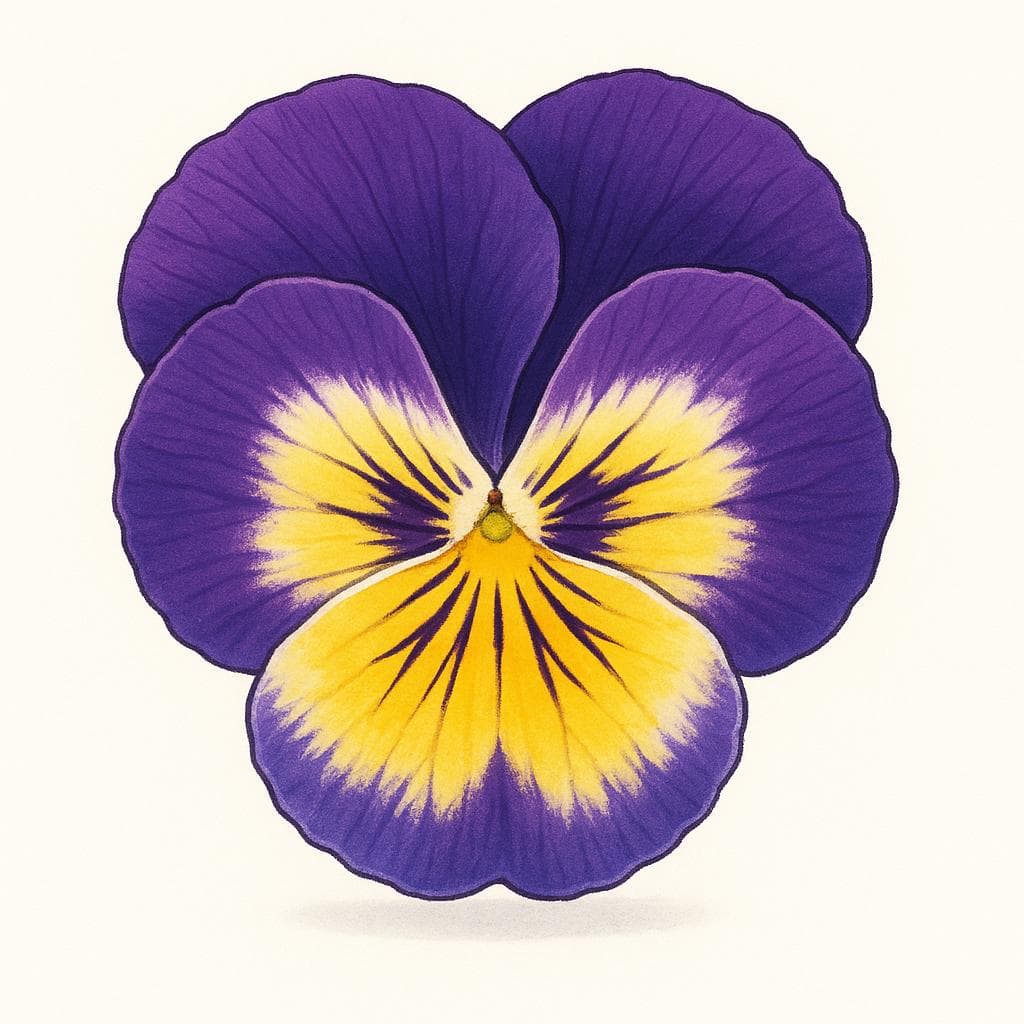
pansy

📝 In Action
Plantamos unos pensamientos morados en el jardín.
B2We planted some purple pansies in the garden.
🔀 Commonly Confused With
Translate to Spanish
✏️ Quick Practice
Quick Quiz: pensamiento
Question 1 of 2
Which meaning of 'pensamiento' is used when talking about the flower?
📚 More Resources
👥 Word Family
📚 Etymology
Comes directly from the Spanish verb 'pensar' (to think). This verb, in turn, comes from the Latin verb *pensare*, which originally meant 'to weigh' or 'to consider carefully.'
First recorded: 13th century
Cognates (Related words)
💡 Master Spanish
Take your Spanish to the next level. Read 200+ illustrated and narrated Spanish stories tailored to your level with the Inklingo app!
Frequently Asked Questions
Is 'pensamiento' singular or plural when referring to a person's core beliefs?
It is often used in the plural ('pensamientos') when referring to a collection of someone's deep views, feelings, or philosophical ideas, like 'sus pensamientos políticos' (his political thoughts).
How is 'pensamiento' different from 'idea'?
'Pensamiento' (Definition 1) often refers to the broad, abstract capacity or process of thinking. 'Idea' usually refers to a single, concrete concept or plan that results from that process. However, in common conversation (Definition 2), they can often be used interchangeably.