How to Say "colony" in Spanish
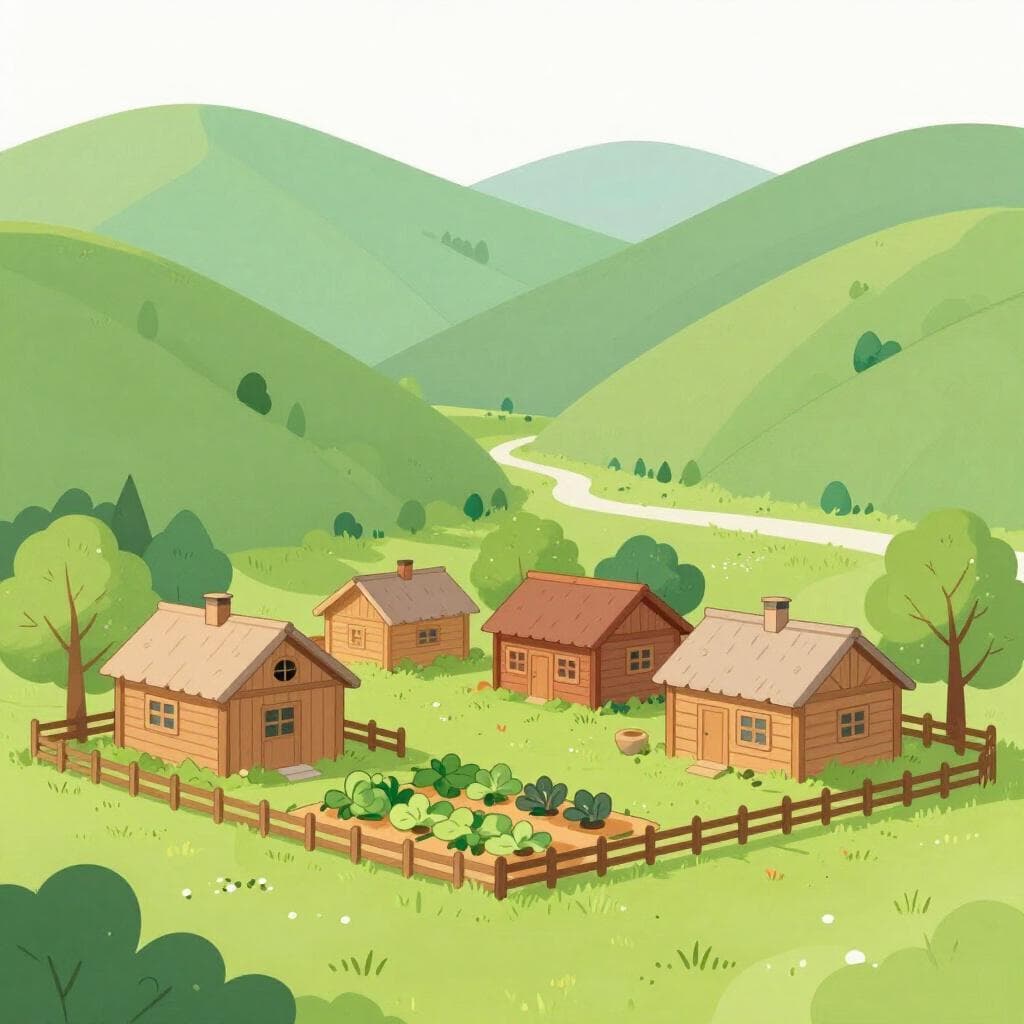
The most common Spanish word for “colony” is “colonia” — use 'colonia' when referring to a territory controlled by another country, especially in a historical context, or a specific type of historical settlement established by a foreign power.

colonia
koh-LOH-nee-ahkoˈlo.nja

Examples
La ciudad de Buenos Aires fue fundada como una colonia española.
The city of Buenos Aires was founded as a Spanish colony.
La India fue una colonia británica durante muchos años.
India was a British colony for many years.
Necesito ir a la colonia Condesa; ¿sabes cómo llegar?
I need to go to the Condesa neighborhood; do you know how to get there?
Always Feminine
Even when talking about a large territory or a large district, 'colonia' is always a feminine noun, requiring 'la' or 'una'.
asentamiento
ah-sen-tah-myen-tohasentaˈmjento
Examples
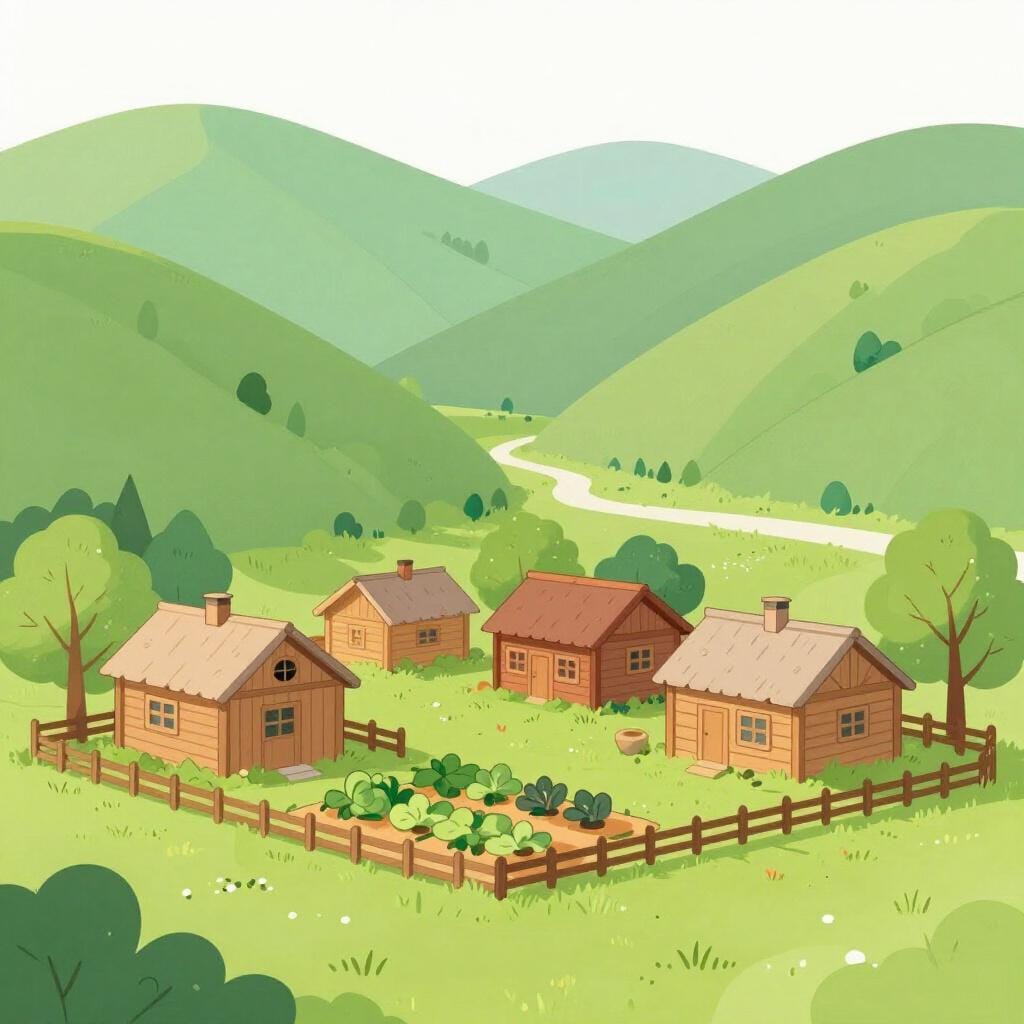
Los restos del asentamiento neolítico estaban bien conservados.
The remains of the Neolithic settlement were well preserved.
Los arqueólogos descubrieron un antiguo asentamiento romano.
Archaeologists discovered an ancient Roman settlement.
El gobierno está mejorando los servicios en el asentamiento.
The government is improving services in the settlement.
Muchos asentamientos se formaron cerca del río.
Many settlements were formed near the river.
Action to Noun
The ending '-miento' is a common way to turn an action word (verb) into a thing (noun). It's like turning 'to settle' into 'settlement'.
Gender Check
Since this word ends in 'o', it is masculine. You should always use 'el' or 'un' with it (el asentamiento).
Don't confuse with 'Asiento'
Mistake: “Me senté en el asentamiento.”
Correction: Me senté en el asiento. (Asentamiento is a community/place; asiento is the physical chair you sit on.)
Colonia vs. Asentamiento
Related Translations
Learn Spanish with Inklingo
Interactive stories, personalized learning, and more.