How to Say "district" in Spanish
The most common Spanish word for “district” is “distrito” — use 'distrito' for a general administrative or geographical subdivision of a city or larger area, often formally defined by the government.
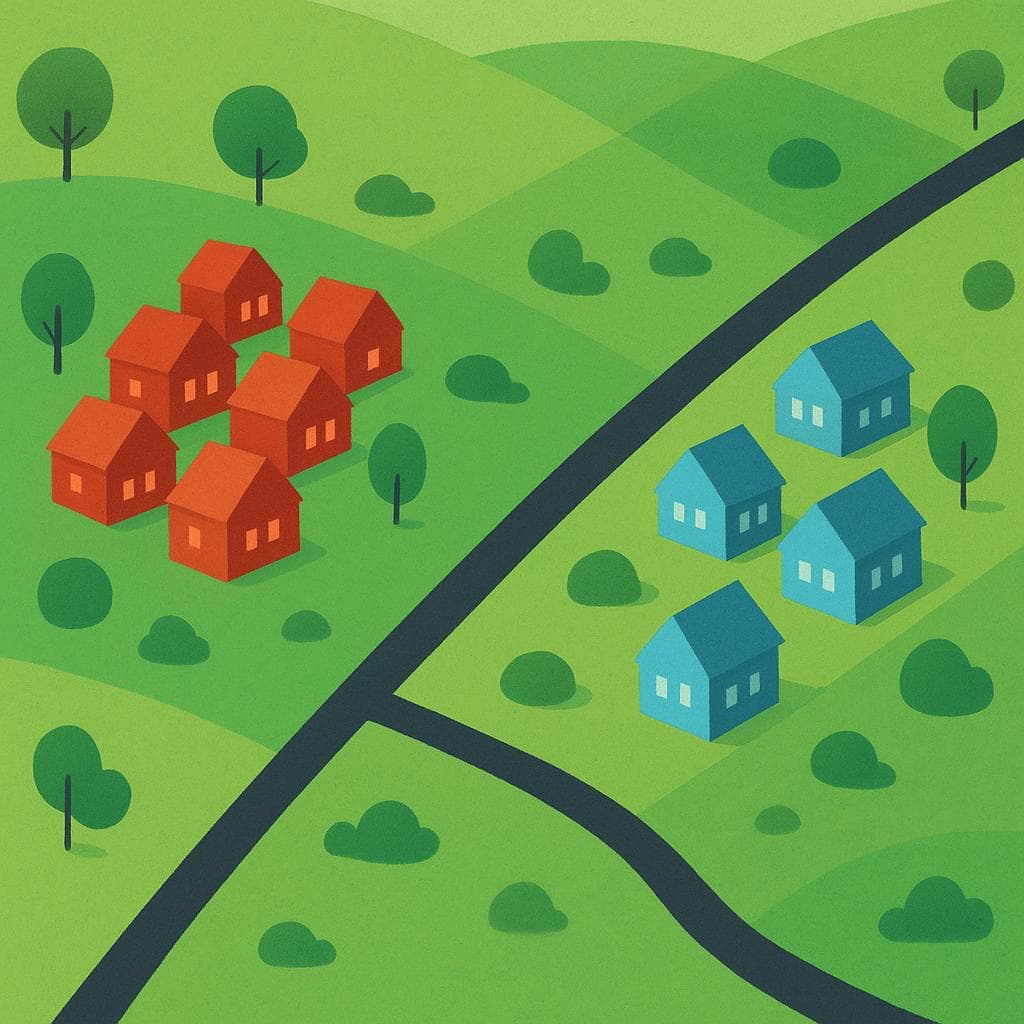

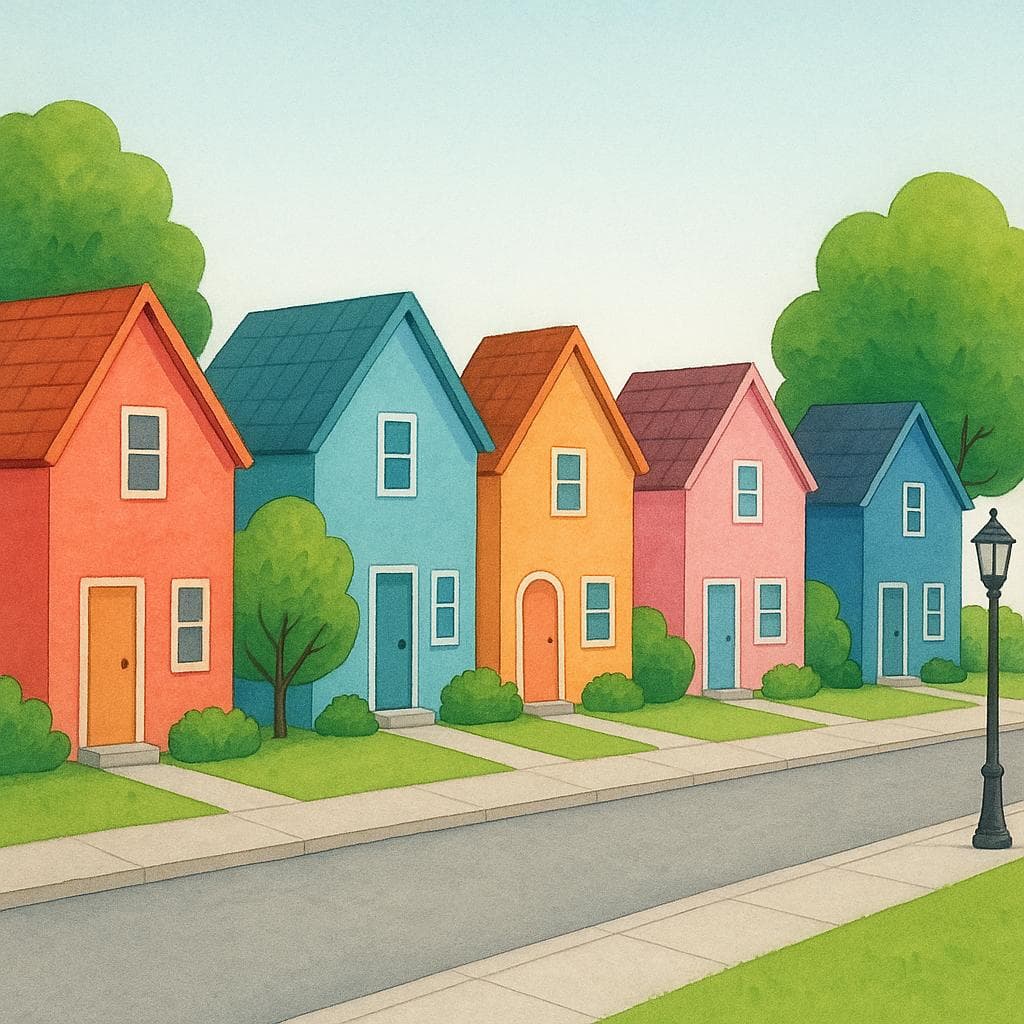

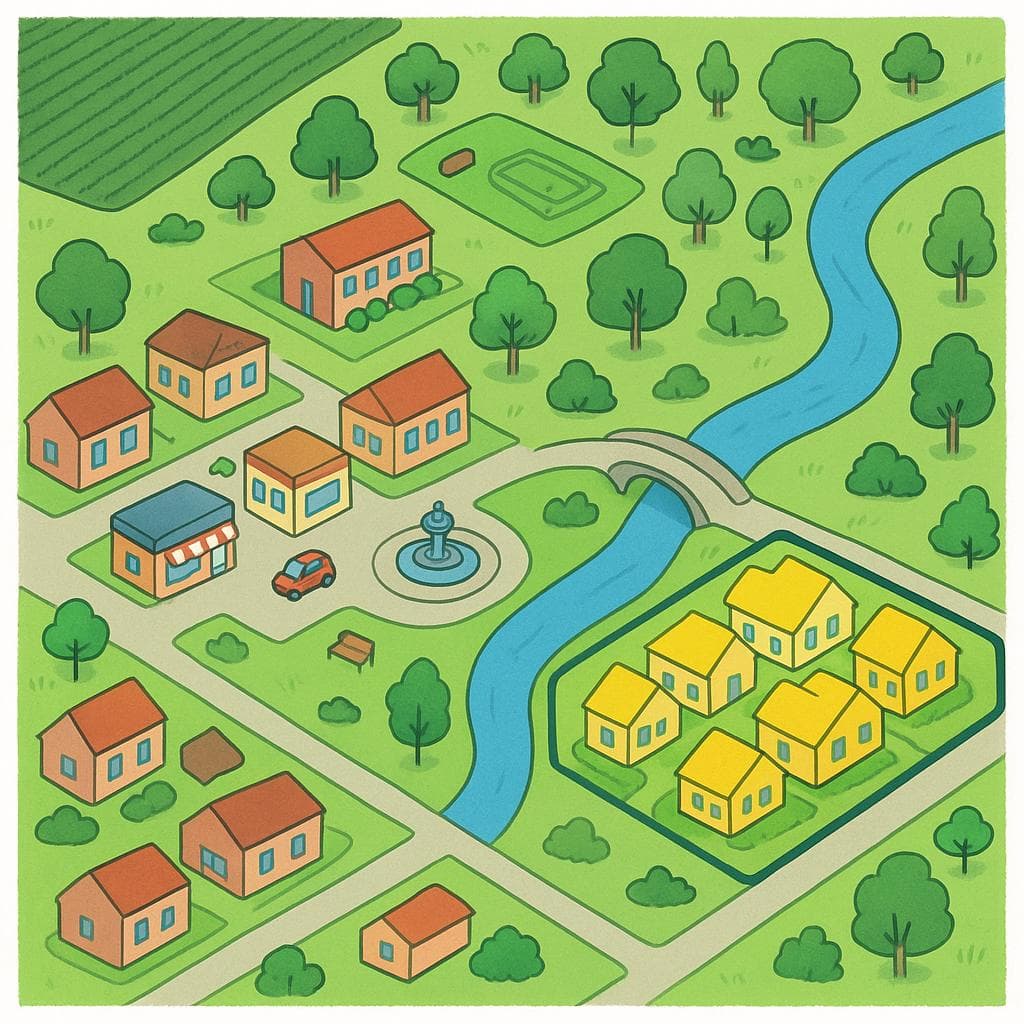



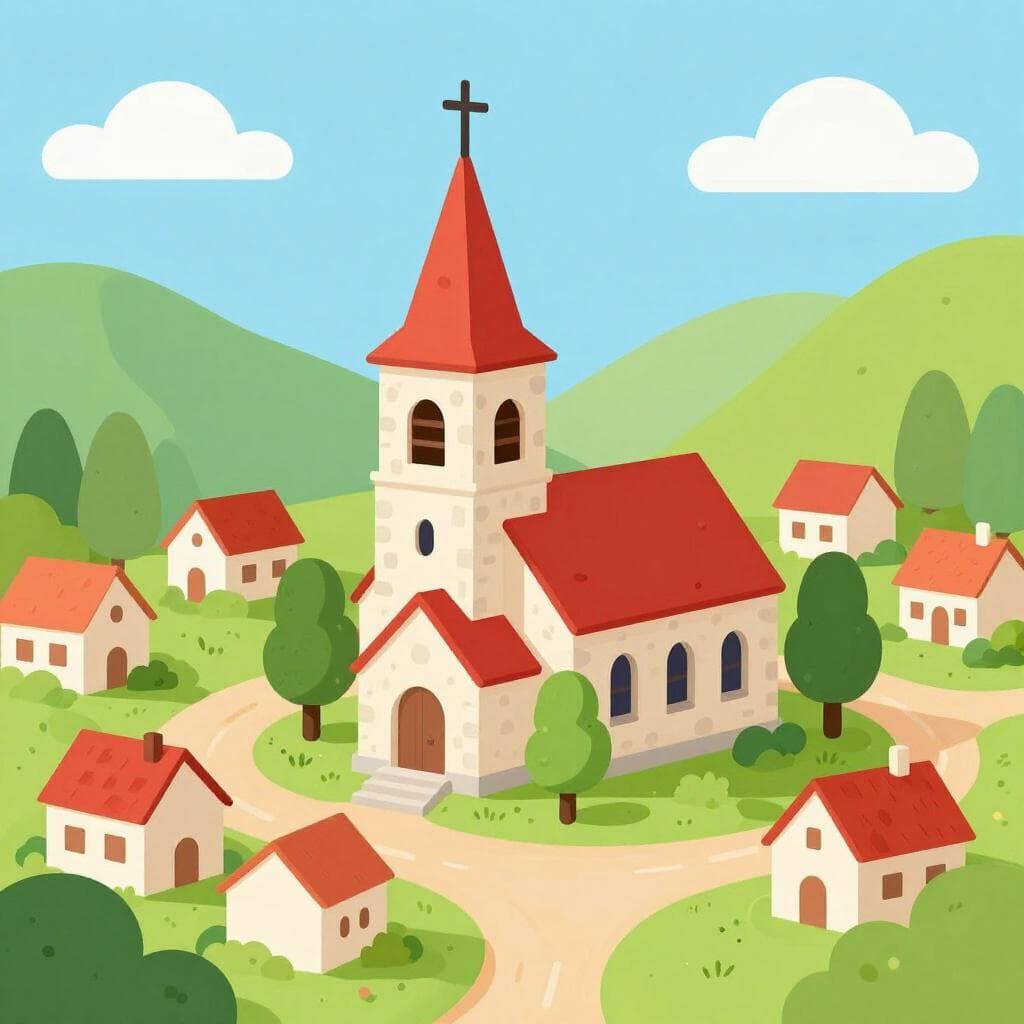

distrito
dis-TREE-tohdisˈtɾito
Examples
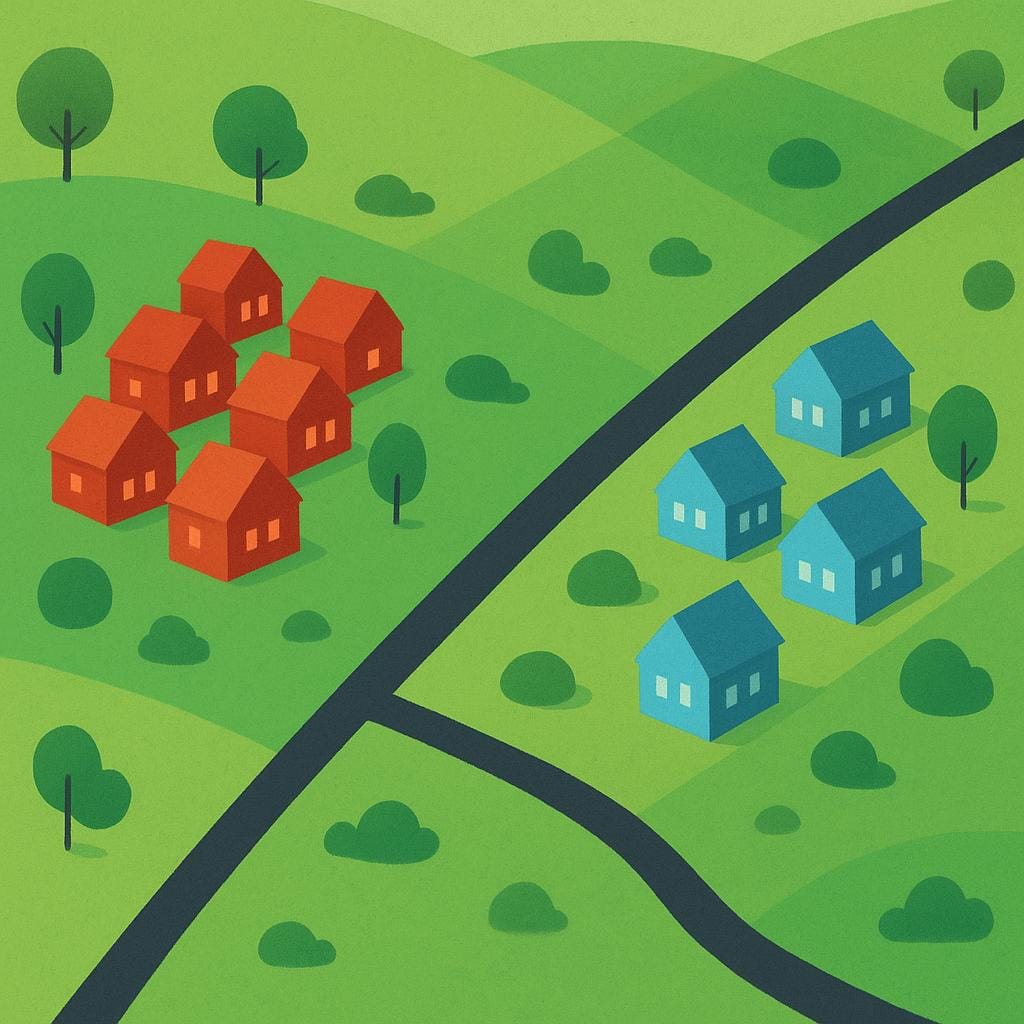
El ayuntamiento dividió la ciudad en varios distritos.
The city council divided the city into several districts.
Vamos a visitar el distrito histórico mañana.
We are going to visit the historical district tomorrow.
Ella fue elegida para representar al distrito electoral número cinco.
She was elected to represent the fifth electoral district.
Masculine Noun Rule
Since 'distrito' ends in 'o,' it is a masculine noun. Always use 'el' (the) or 'un' (a) before it, and make sure any descriptive words (adjectives) also end in 'o,' like 'el distrito nuevo' (the new district).
Confusing 'Distrito' and 'Barrio'
Mistake: “Using 'distrito' when you mean a small, informal neighborhood.”
Correction: 'Distrito' refers to a large, official administrative division. For a specific neighborhood where people live, use 'barrio': 'Vivo en este barrio' (I live in this neighborhood).
zona
SO-naˈsona

Examples
Vivo en una zona muy tranquila de la ciudad.
I live in a very quiet area of the city.
Esta es una zona peatonal, no se permiten coches.
This is a pedestrian zone, cars are not allowed.
La zona comercial cierra a las nueve de la noche.
The commercial district closes at nine at night.
Always Feminine: 'la zona'
Even though it doesn't end in '-a' like many feminine words, 'zona' is always feminine. So, you'll always use words like 'la', 'una', 'esta', or 'mucha' with it. For example: 'la zona bonita' (the pretty area).
Using 'el' instead of 'la'
Mistake: “Fui a el zona comercial.”
Correction: Fui a la zona comercial. Remember that 'zona' is a feminine word, so it needs 'la' not 'el'.
barrio
BAH-rryoˈba.rjo
Examples
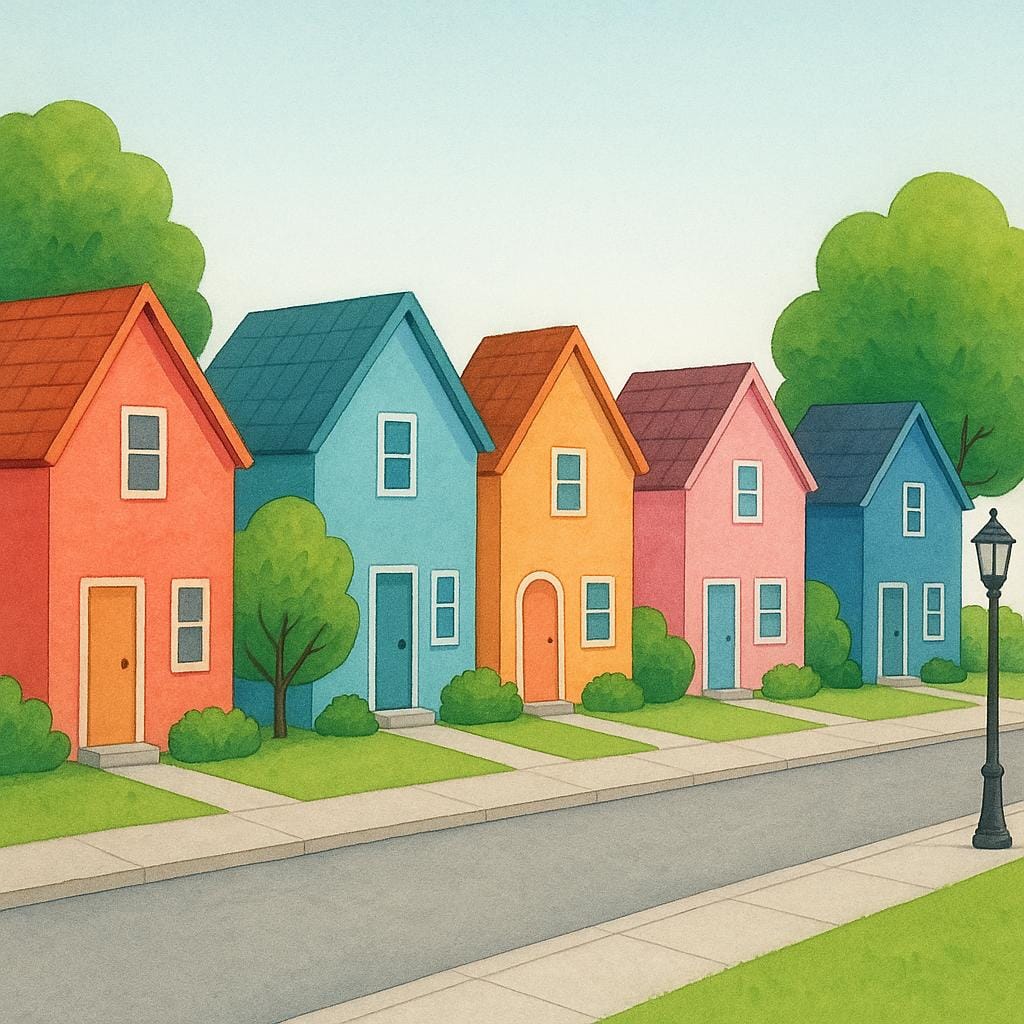
¿En qué barrio vives de Madrid?
Which neighborhood of Madrid do you live in?
Este barrio tiene muchas tiendas pequeñas y cafés.
This district has many small shops and cafes.
El ayuntamiento está planeando mejorar los parques del barrio residencial.
The city council is planning to improve the parks in the residential neighborhood.
Masculine Noun Rule
Since 'barrio' is a masculine noun, always use the masculine articles: 'el barrio' (the neighborhood) or 'un barrio' (a neighborhood).
Confusing 'barrio' and 'pueblo'
Mistake: “Using 'barrio' when referring to a small, separate town.”
Correction: A 'barrio' is a part of a larger city. If it's a small town outside a major city, use 'pueblo'.
vecindario
veh-seen-DAHR-ee-ohbesinˈdaɾjo

Examples
Mi vecindario es muy tranquilo y seguro.
My neighborhood is very quiet and safe.
Necesitamos mejorar la iluminación en todo el vecindario.
We need to improve the lighting throughout the entire neighborhood.
Todo el vecindario se reunió para la fiesta anual.
The whole community (neighborhood) gathered for the annual party.
Masculine Noun Rule
Since 'vecindario' ends in '-o', it is a masculine word and always uses 'el' or 'un' (el vecindario, un vecindario).
Confusing 'vecindario' and 'vecino'
Mistake: “Using 'vecino' when you mean the place.”
Correction: 'Vecindario' is the place (the neighborhood). 'Vecino' is the person (the neighbor).
sector
sek-TORsekˈtoɾ
Examples
La policía acordonó ese sector de la ciudad después del accidente.
The police cordoned off that sector of the city after the accident.
Este sector del estadio ofrece una mejor vista del campo.
This section of the stadium offers a better view of the field.
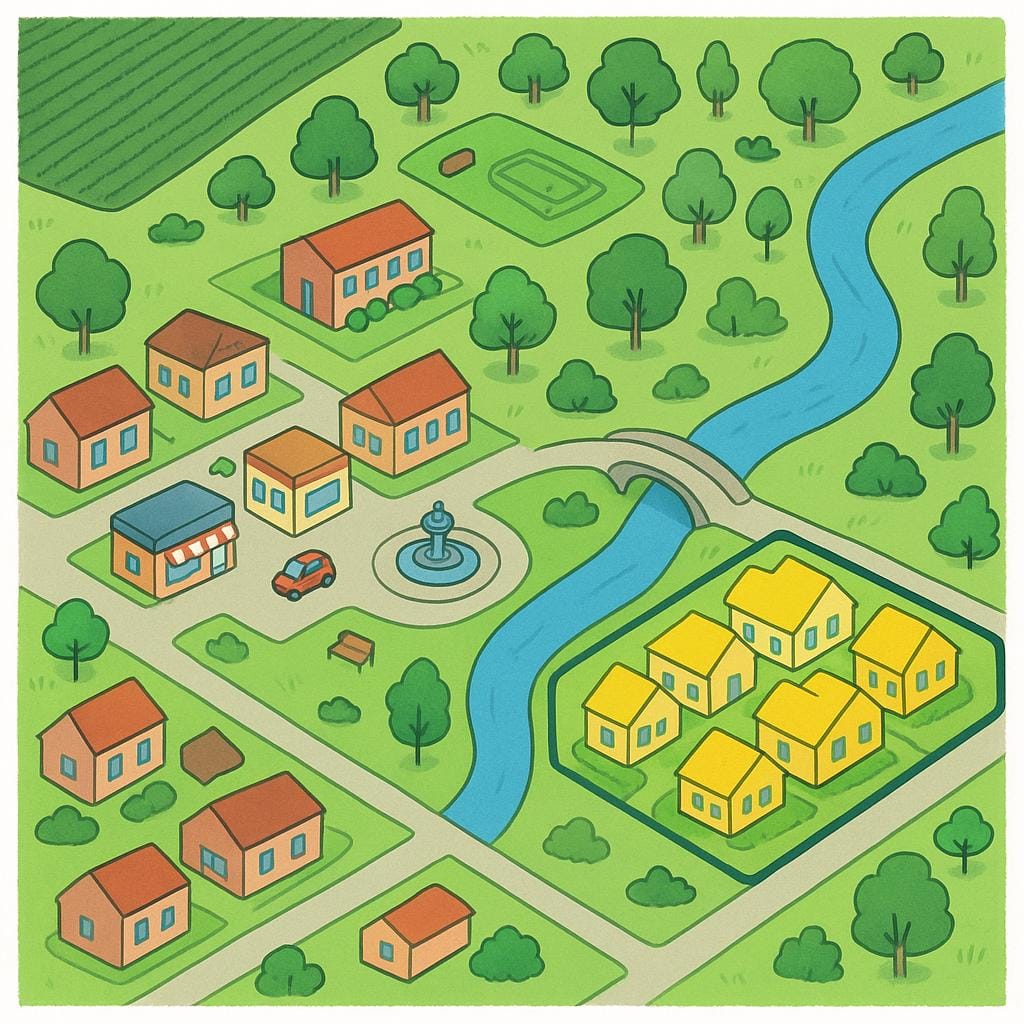
El mapa muestra los sectores asignados a cada equipo de limpieza.
The map shows the zones assigned to each cleaning crew.
comarca
ko-MAR-kakoˈmaɾka

Examples
Esta comarca es famosa por sus quesos artesanales.
This region is famous for its artisanal cheeses.
Hay muchos senderos para caminar por toda la comarca.
There are many trails for walking throughout the whole district.
La capital de la comarca se encuentra en un valle profundo.
The main town of the region is located in a deep valley.
It's a 'La' Word
Even though it doesn't refer to a person, 'comarca' is always feminine. Always use 'la comarca' or 'una comarca'.
Making it Plural
To talk about more than one region, just add an 's' to the end: 'las comarcas'.
Size Matters
Mistake: “Using 'comarca' to describe a whole country like 'La comarca de España'.”
Correction: A 'comarca' is a small local area, like a group of towns. Use 'país' for a country.
Spelling confusion
Mistake: “Writing 'comarca' with a 'k'.”
Correction: In Spanish, the /k/ sound before 'a' is always written with a 'c'. Use 'comarca'.
colonia
koh-LOH-nee-ahkoˈlo.nja

Examples
La India fue una colonia británica durante muchos años.
India was a British colony for many years.
Necesito ir a la colonia Condesa; ¿sabes cómo llegar?
I need to go to the Condesa neighborhood; do you know how to get there?
Always Feminine
Even when talking about a large territory or a large district, 'colonia' is always a feminine noun, requiring 'la' or 'una'.
comuna
ko-MOO-nahkoˈmuna

Examples
Vivo en la comuna de Providencia.
I live in the Providencia district.
¿En qué comuna queda ese museo?
In which district is that museum located?
La alcaldesa de la comuna anunció nuevas obras en el parque.
The district mayor announced new works in the park.
Always Feminine
This word is always feminine, so you must use 'la' or 'una' before it.
Location Prepositions
When saying you are 'in' a district, use 'en la comuna de' followed by the name.
Confusing with Community
Mistake: “Hablé con la comuna local.”
Correction: Hablé con la comunidad local.
parroquia
pah-RROH-kyahpaˈrokja
Examples
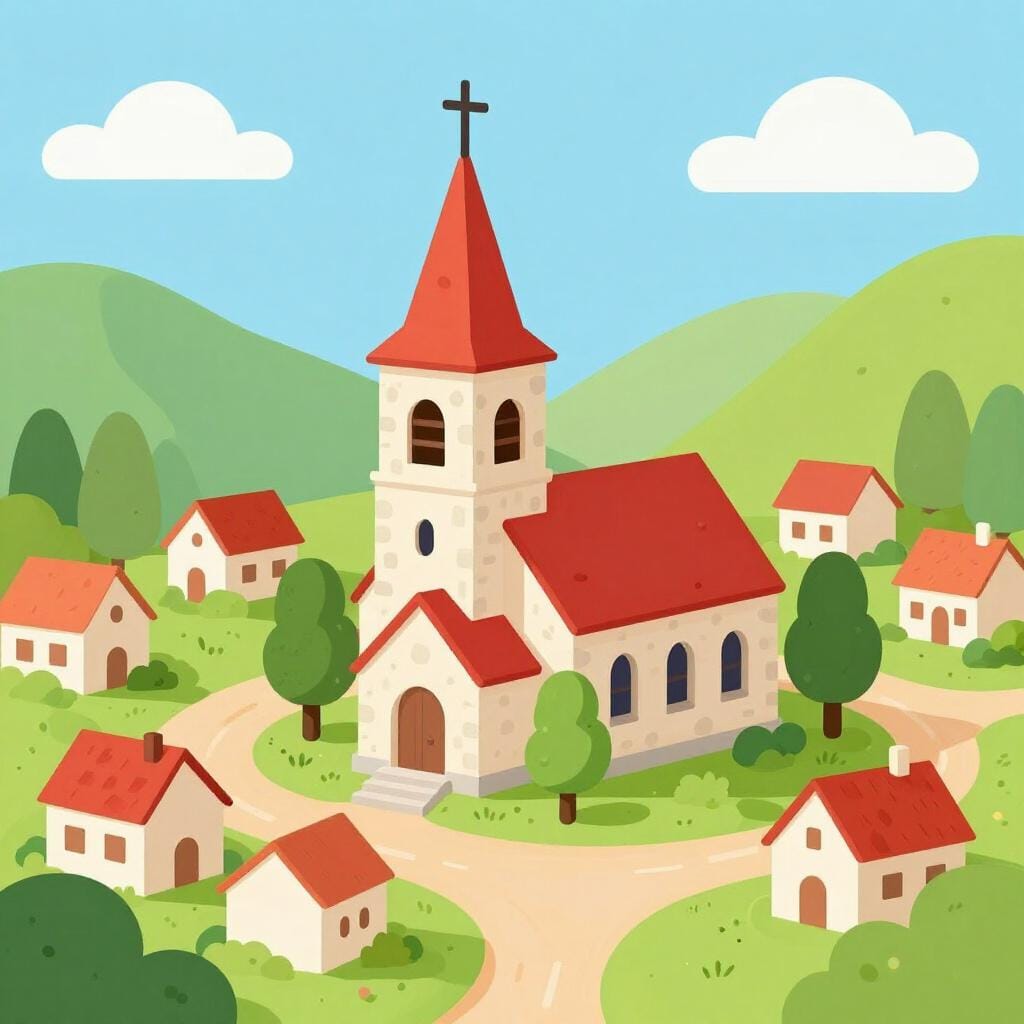
Nuestra parroquia organiza una fiesta cada verano.
Our parish organizes a festival every summer.
La oficina de correos está en la parroquia de al lado.
The post office is in the next district over.
Esa iglesia es la más antigua de la parroquia.
That church is the oldest one in the parish.
Always Feminine
The word 'parroquia' is always feminine. You must use 'la' or 'una' with it, even if the neighborhood or the saint it's named after is masculine (e.g., 'la parroquia de San José').
Confusing the place with the priest
Mistake: “El parroquia es muy simpático.”
Correction: El párroco es muy simpático.
pagos
pah-gohsˈpa.ɣos

Examples
¿Qué te trae por estos pagos?
What brings you to these parts?
Extraño los pagos donde nací.
I miss the lands where I was born.
Regional Meaning
In this context, 'pagos' doesn't mean money. It comes from an old word for a rural district or village.
Distrito vs. Zona vs. Barrio
Related Translations
Learn Spanish with Inklingo
Interactive stories, personalized learning, and more.