How to Say "area" in Spanish
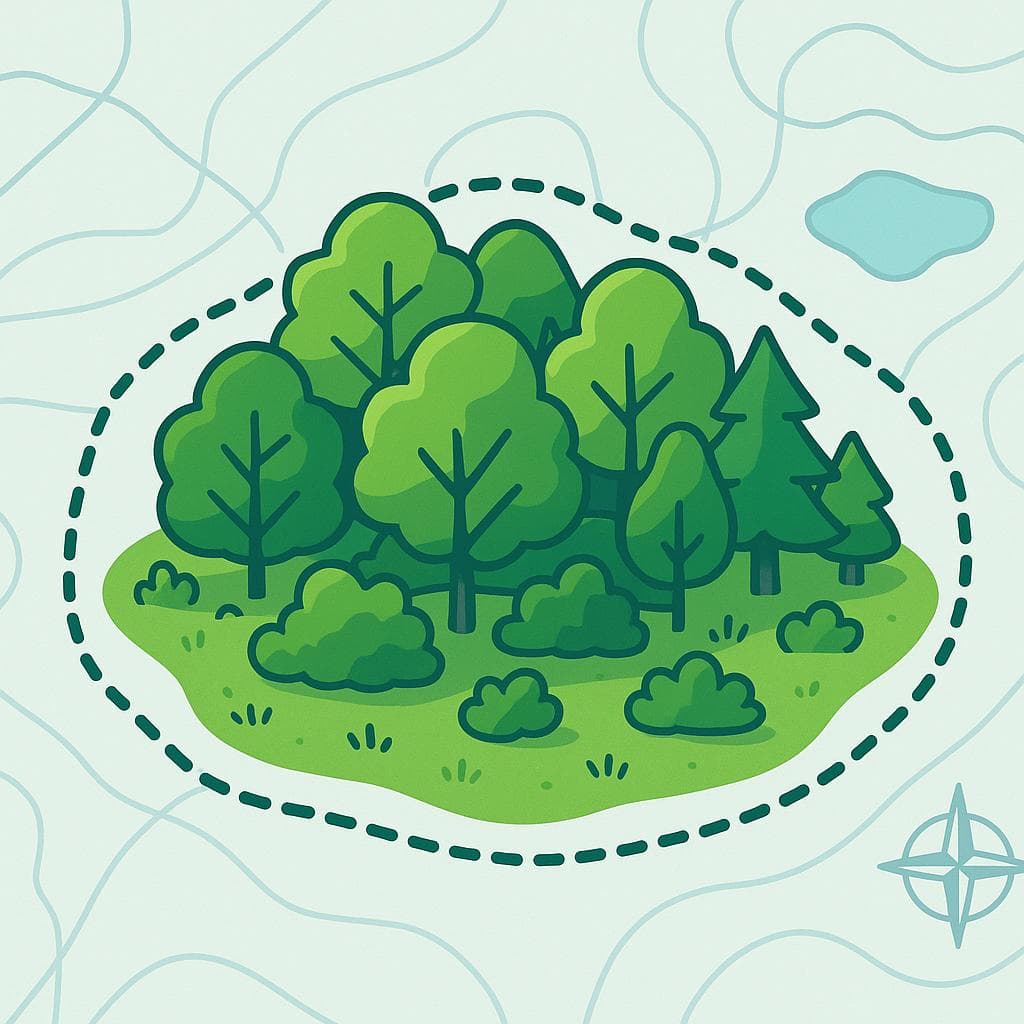
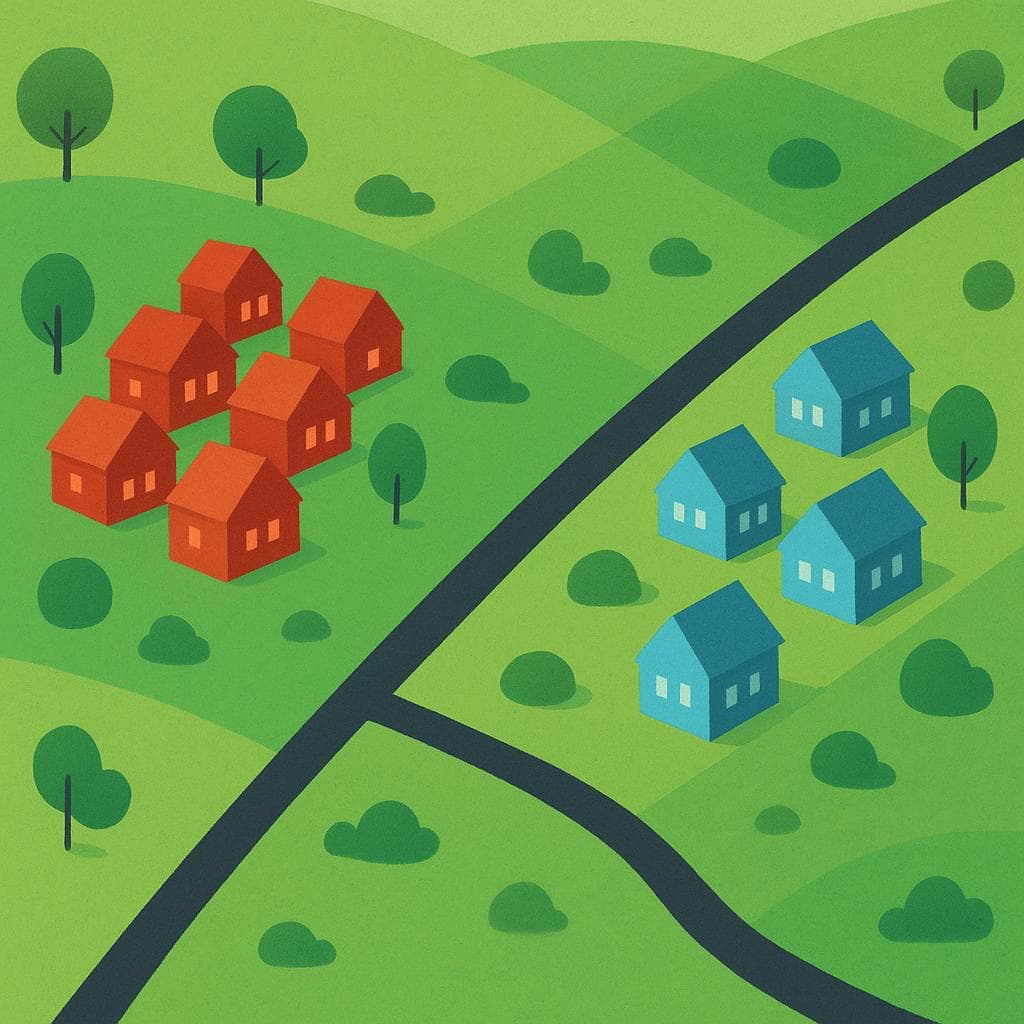
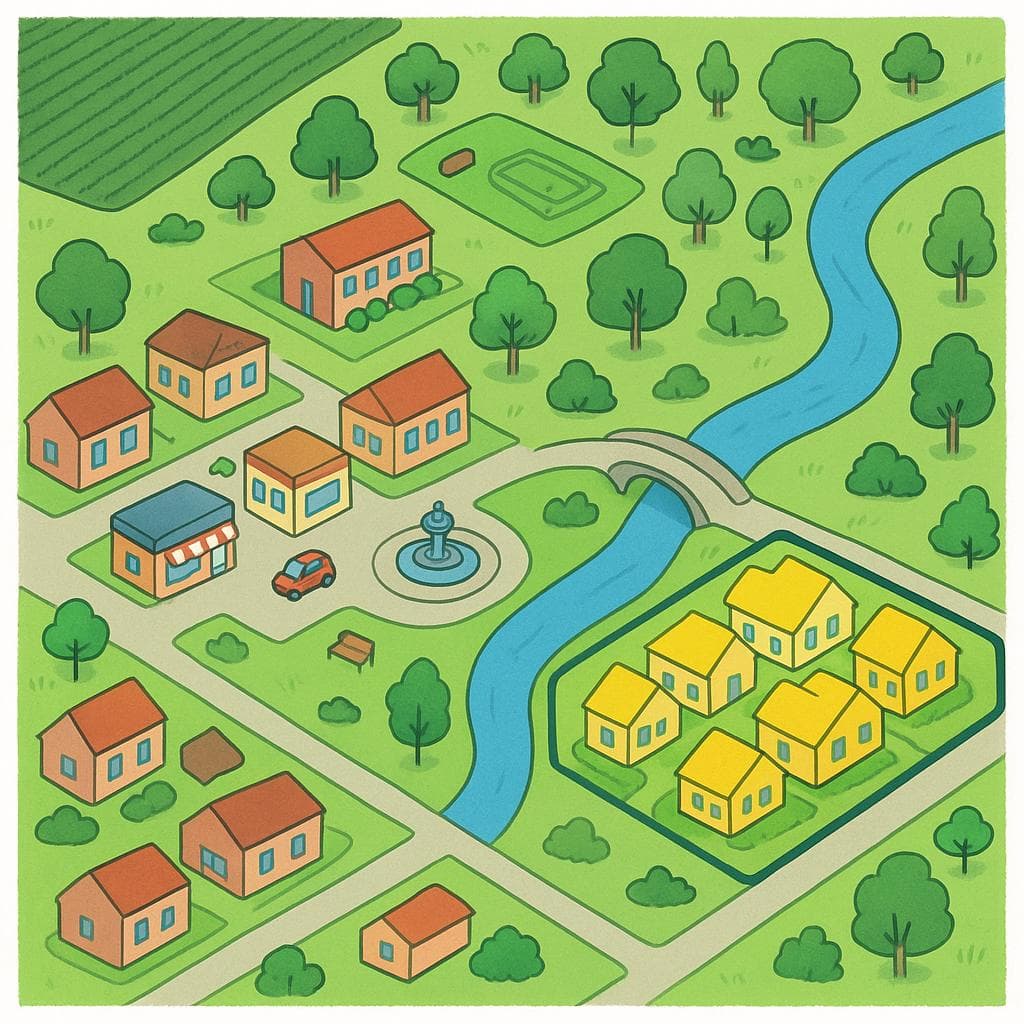
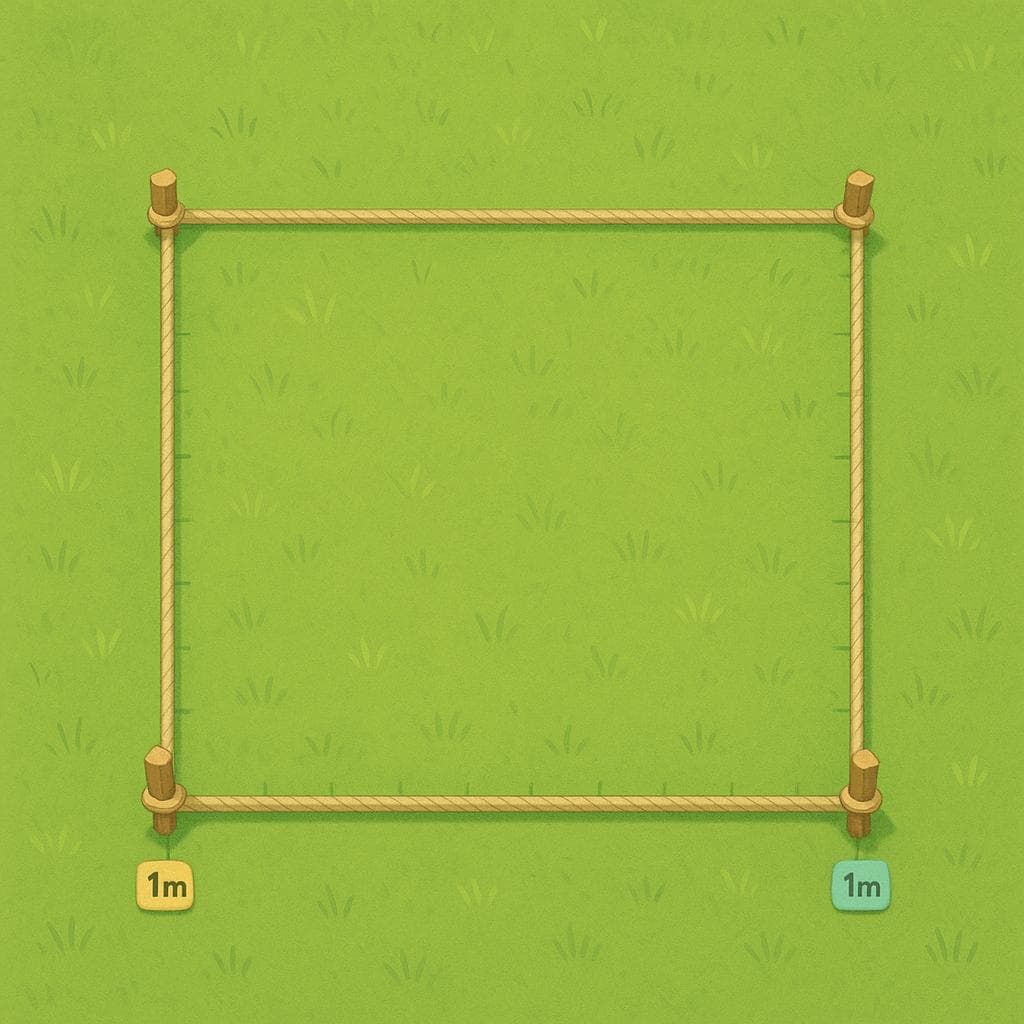
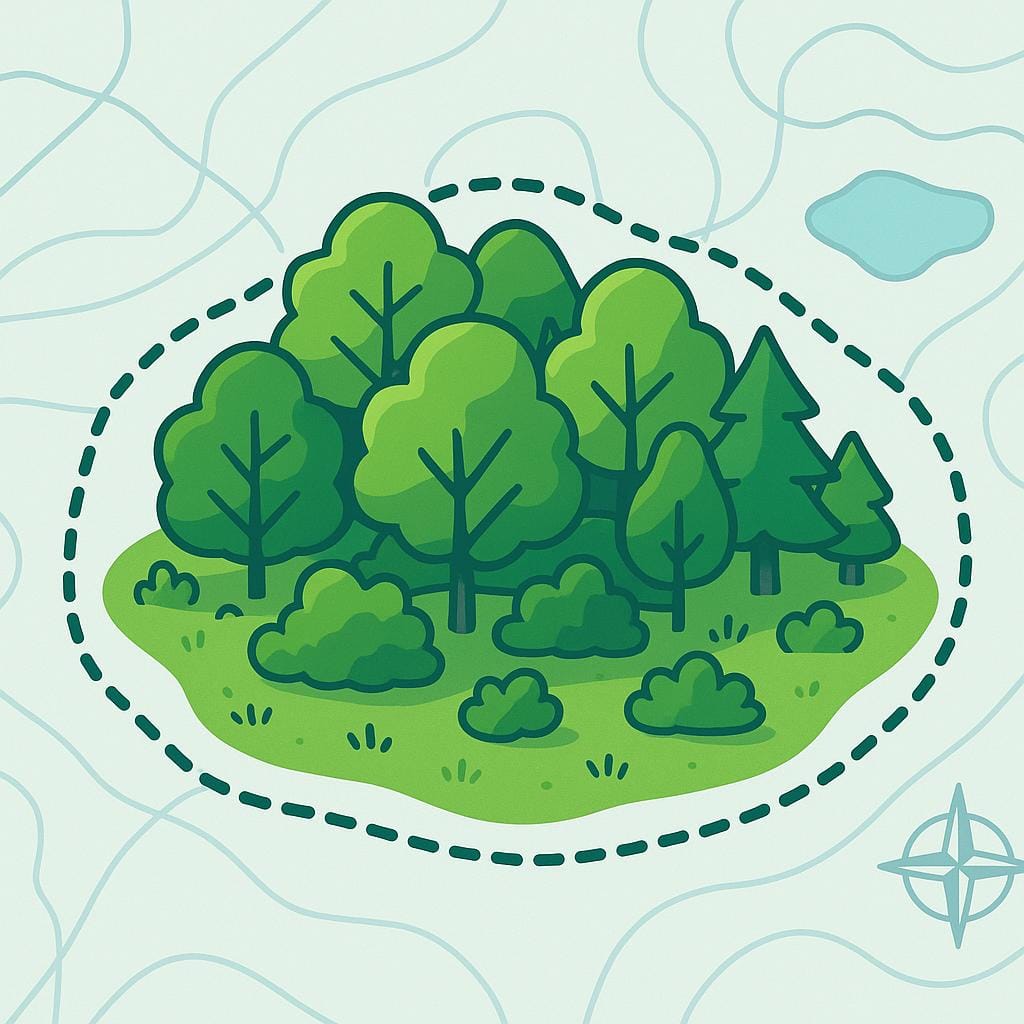
The most common Spanish word for “area” is “zona” — use 'zona' for a general space, a part of a city or country, or figuratively for a context like a comfort zone or a difficult situation.


zona
SO-naˈsona
Examples
Vivo en una zona muy tranquila de la ciudad.
I live in a very quiet area of the city.
Esta es una zona peatonal, no se permiten coches.
This is a pedestrian zone, cars are not allowed.
La zona comercial cierra a las nueve de la noche.
The commercial district closes at nine at night.
Me duele la zona lumbar de la espalda.
The lumbar region of my back hurts.
Always Feminine: 'la zona'
Even though it doesn't end in '-a' like many feminine words, 'zona' is always feminine. So, you'll always use words like 'la', 'una', 'esta', or 'mucha' with it. For example: 'la zona bonita' (the pretty area).
Using 'el' instead of 'la'
Mistake: “Fui a el zona comercial.”
Correction: Fui a la zona comercial. Remember that 'zona' is a feminine word, so it needs 'la' not 'el'.
área
Examples
Esta área es muy segura para caminar de noche.
This area is very safe to walk in at night.
región
Examples
Esta es la región más seca del país, casi nunca llueve.
This is the driest region of the country; it almost never rains.
distrito
dis-TREE-tohdisˈtɾito
Examples
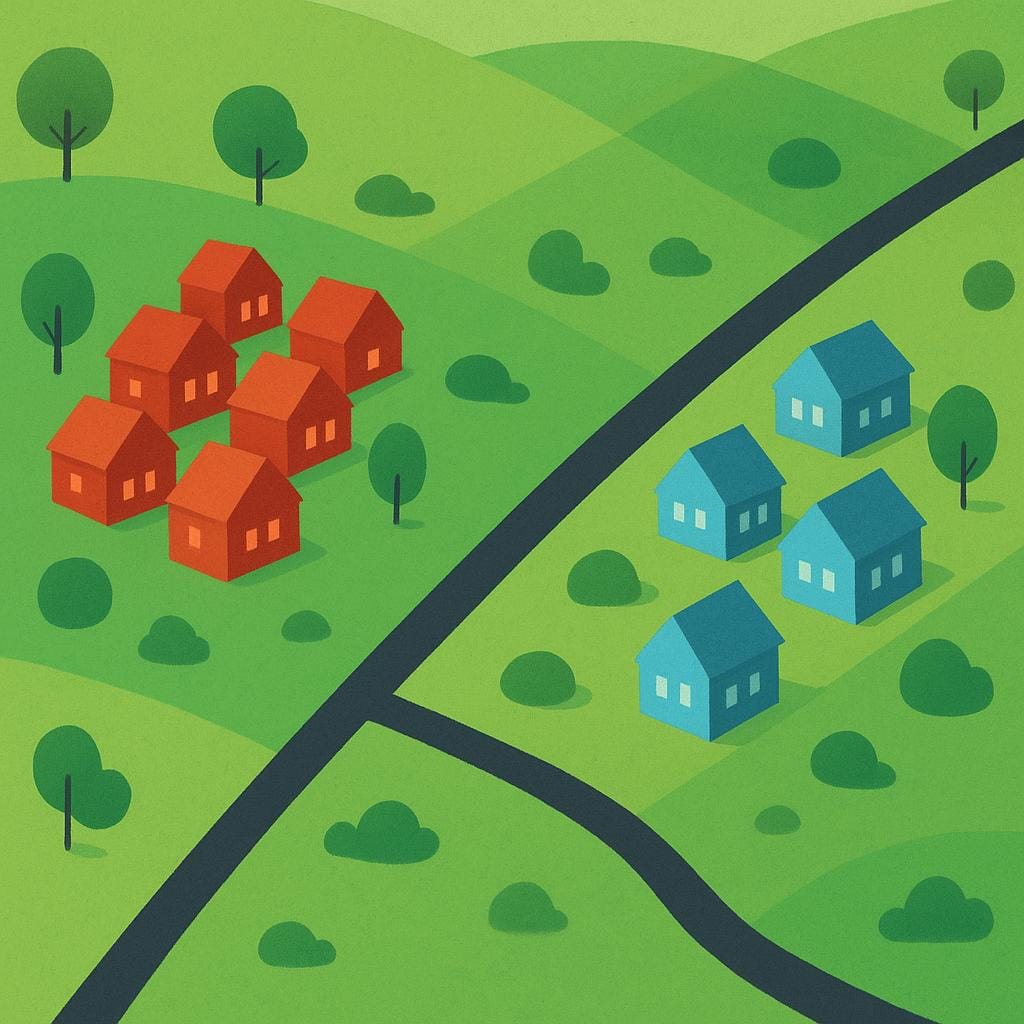
El ayuntamiento dividió la ciudad en varios distritos.
The city council divided the city into several districts.
Vamos a visitar el distrito histórico mañana.
We are going to visit the historical district tomorrow.
Ella fue elegida para representar al distrito electoral número cinco.
She was elected to represent the fifth electoral district.
Masculine Noun Rule
Since 'distrito' ends in 'o,' it is a masculine noun. Always use 'el' (the) or 'un' (a) before it, and make sure any descriptive words (adjectives) also end in 'o,' like 'el distrito nuevo' (the new district).
Confusing 'Distrito' and 'Barrio'
Mistake: “Using 'distrito' when you mean a small, informal neighborhood.”
Correction: 'Distrito' refers to a large, official administrative division. For a specific neighborhood where people live, use 'barrio': 'Vivo en este barrio' (I live in this neighborhood).
territorio
teh-ree-TOH-ryohte.riˈto.rjo
Examples
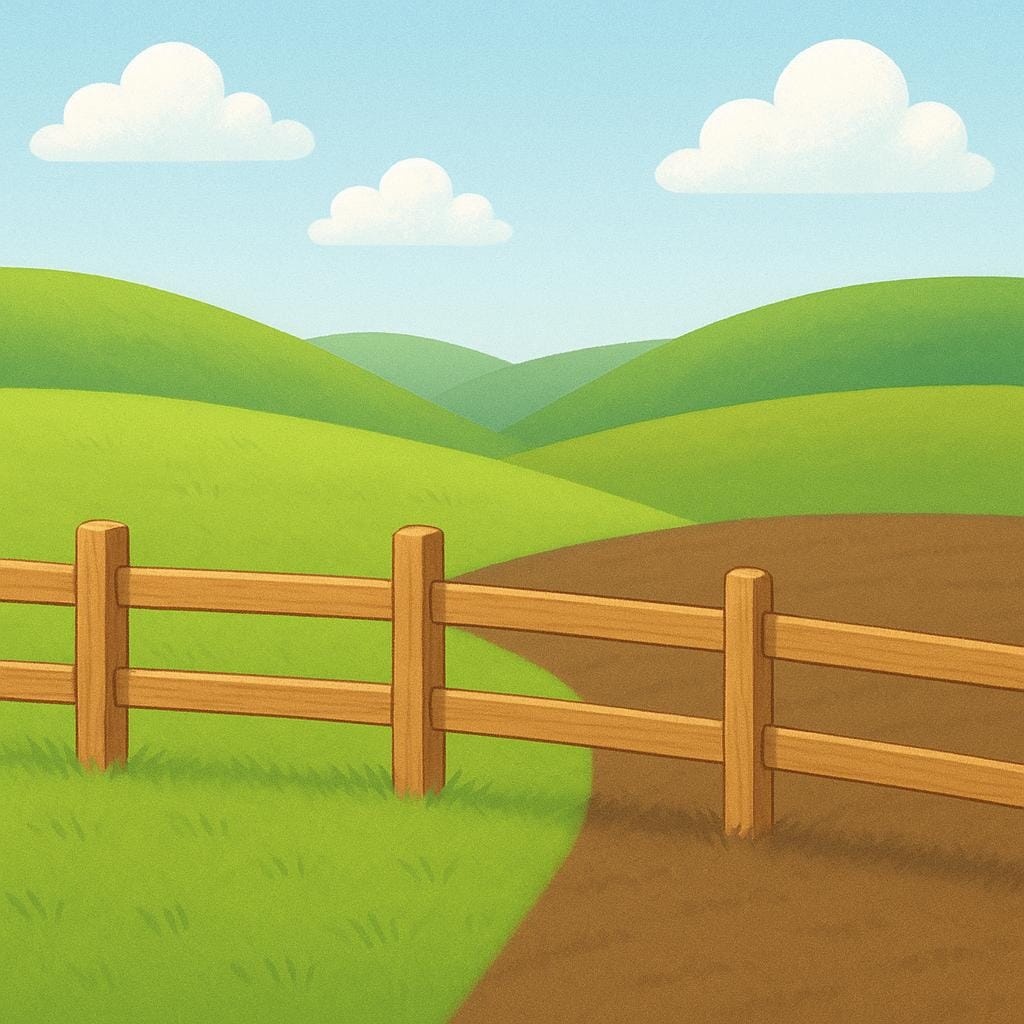
Este río marca la frontera natural del territorio nacional.
This river marks the natural border of the national territory.
Los leones defienden su territorio de otros animales.
Lions defend their territory from other animals.
El presidente visitó todos los territorios de la provincia.
The president visited all the areas (or territories) of the province.
Masculine Noun Rule
Even though many Spanish words ending in '-a' are feminine, words ending in '-o' like 'territorio' are almost always masculine, requiring 'el' or 'un' before them.
Using the Wrong Article
Mistake: “La territorio es grande.”
Correction: El territorio es grande. Remember to use the masculine article 'el'.
extensión
Examples
La extensión del terreno es de mil metros cuadrados.
The size of the land is one thousand square meters.
campo
kahm-pohˈkampo

Examples
La Dra. Ramírez es una experta en el campo de la genética.
Dr. Ramírez is an expert in the field of genetics.
Este es un campo de estudio muy competitivo.
This is a very competitive field of study.
Hay muchas oportunidades en el campo de la tecnología.
There are many opportunities in the technology field.
ámbito
Examples
Ella es una experta en el ámbito de la medicina.
She is an expert in the field of medicine.
sector
sek-TORsekˈtoɾ
Examples
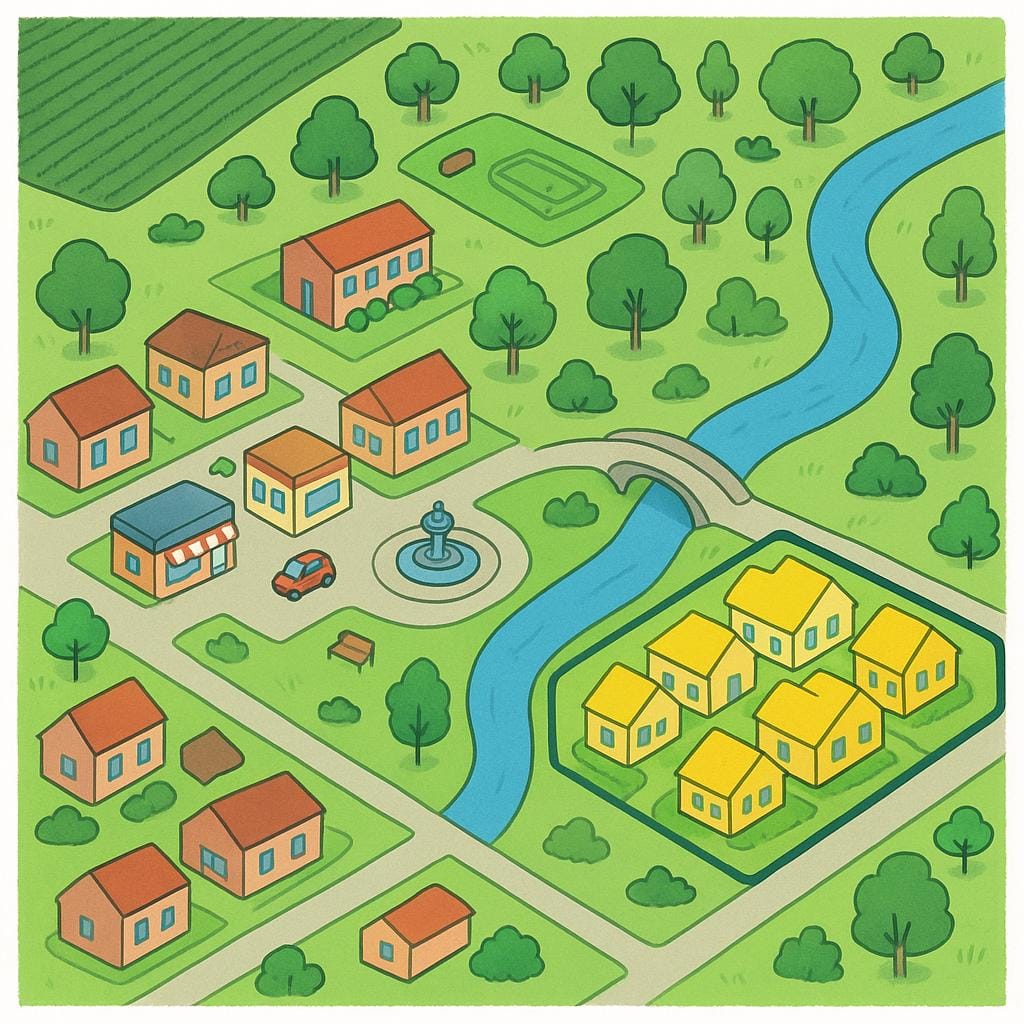
La policía acordonó ese sector de la ciudad después del accidente.
The police cordoned off that sector of the city after the accident.
Este sector del estadio ofrece una mejor vista del campo.
This section of the stadium offers a better view of the field.
El mapa muestra los sectores asignados a cada equipo de limpieza.
The map shows the zones assigned to each cleaning crew.
superficie
soo-per-FEE-see-ehsu.peɾˈfi.θje
Examples
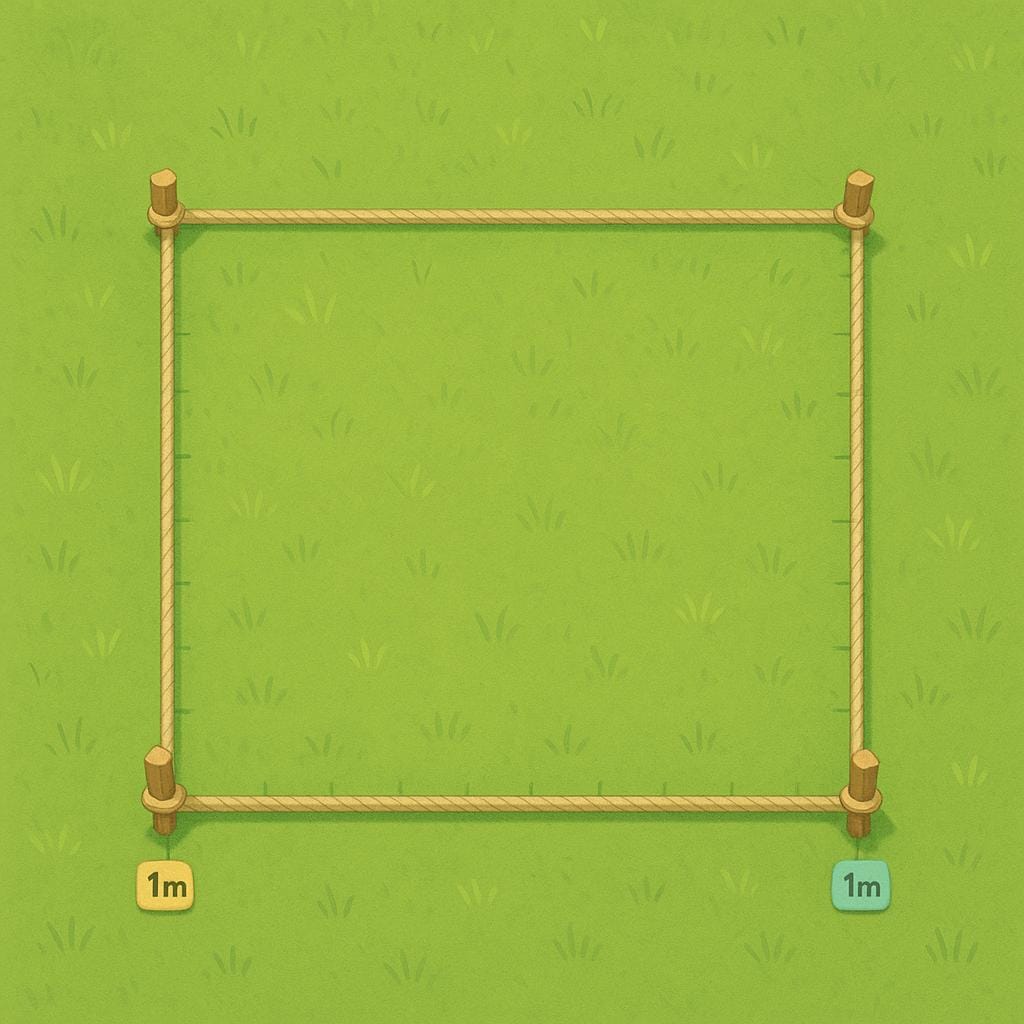
La superficie total del terreno es de dos hectáreas.
The total area of the land is two hectares.
Calculamos la superficie de la pared para saber cuánta pintura comprar.
We calculated the area of the wall to know how much paint to buy.
mancha
MAHN-chahˈmanʧa

Examples
En el mapa se ve una mancha azul que indica el lago.
On the map, you can see a blue patch that indicates the lake.
El sol creó una mancha de luz muy brillante en la pared.
The sun created a very bright patch of light on the wall.
General vs. Specific Areas
Learn Spanish with Inklingo
Interactive stories, personalized learning, and more.