mancha
“mancha” means “stain” in Spanish. It has 3 different meanings depending on context:
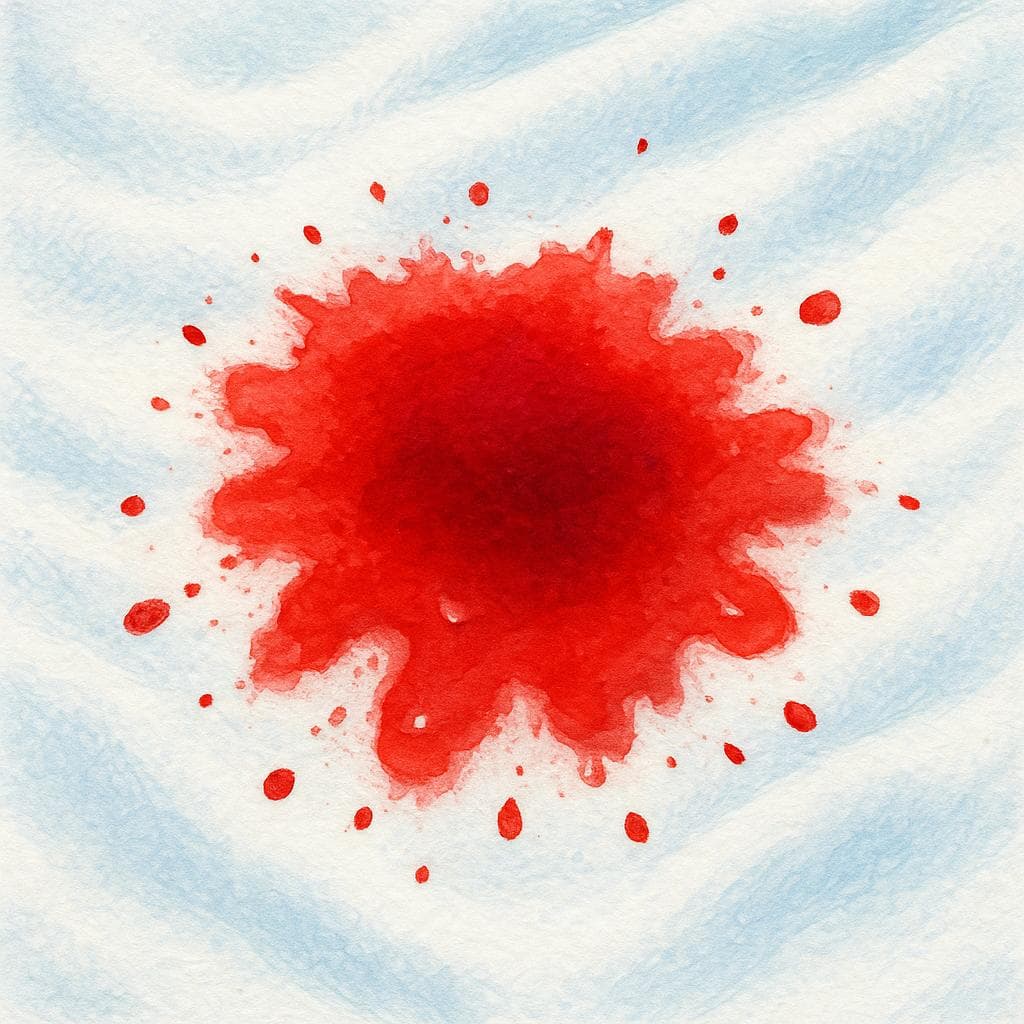

stain, spot
Also: blot
📝 In Action
Necesito quitar esta mancha de vino de la alfombra.
A2I need to get this wine stain out of the carpet.
Mi camisa blanca tiene una mancha de grasa.
A1My white shirt has a grease spot on it.
patch
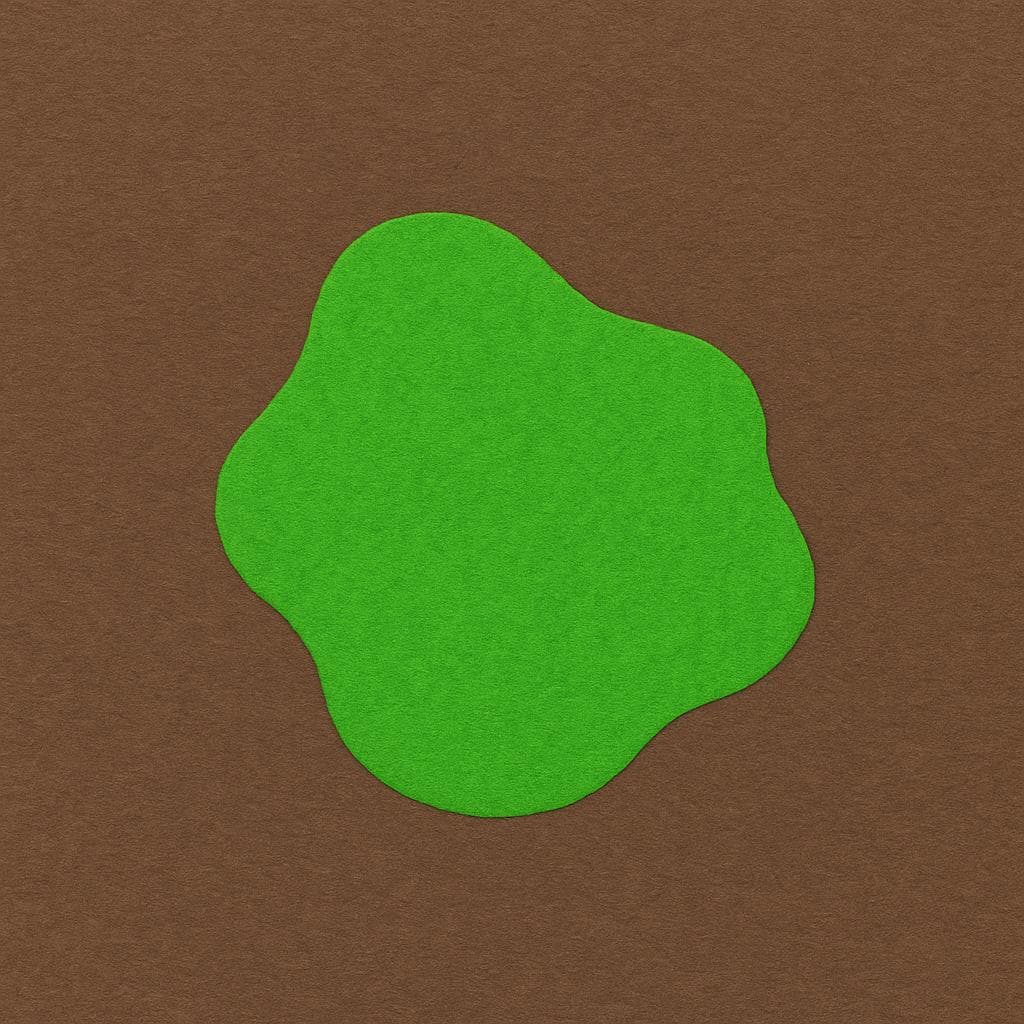
Also: blot, area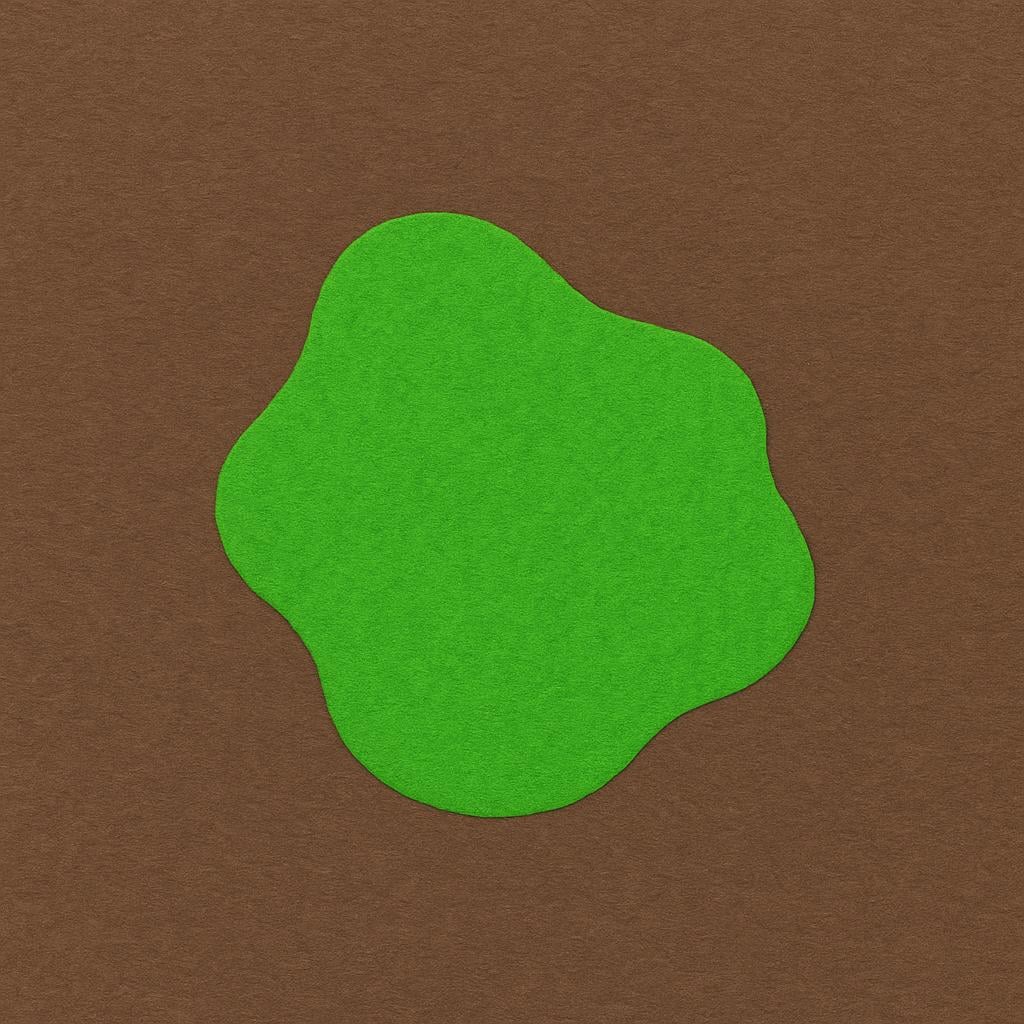
📝 In Action
En el mapa se ve una mancha azul que indica el lago.
B1On the map, you can see a blue patch that indicates the lake.
El sol creó una mancha de luz muy brillante en la pared.
B2The sun created a very bright patch of light on the wall.
stains, stain
Also: smears
📝 In Action
Mi perro siempre mancha el suelo cuando come.
A2My dog always stains the floor when he eats.
Señora, por favor, no mancha esta tela.
B1Madam, please, do not stain this fabric. (Formal negative command)
Indicative
Present
Imperfect
Preterite
Subjunctive
Present Subjunctive
Imperfect Subjunctive
Translate to Spanish
✏️ Quick Practice
Quick Quiz: mancha
Question 1 of 2
Which sentence uses 'mancha' as a verb?
📚 More Resources
👥 Word Family▼
🎵 Rhymes▼
📚 Etymology▼
The word comes from the older Spanish word 'mancilla,' which itself developed from a Latin root meaning 'blemish' or 'spot.' The concept of a physical stain has been connected to the idea of a moral flaw for centuries.
First recorded: 13th century
Cognates (Related words)
💡 Master Spanish
Take your Spanish to the next level. Read 200+ illustrated and narrated Spanish stories tailored to your level with the Inklingo app!
Frequently Asked Questions
How can I tell if 'mancha' is the noun or the verb?
Look at the words around it. If it follows an article (la, una) or an adjective, it’s almost certainly the noun ('la mancha'). If it follows a subject like a pronoun (él, ella, usted) or a person’s name, it is the verb form ('él mancha').
Is 'mancha' related to the region of 'La Mancha' in Spain?
Yes, it is! The name 'La Mancha' literally means 'the stain' or 'the patch.' It's often thought to refer to the dry, arid appearance of the region, which looks like a large, distinct patch of land.